 I was thinking about writing about this G-Shock for a long time. I knew this article wouldn't be easy for me, since I had one specific goal. Finding information of a specific car model. With a lot of searches and help from some Japanese friends I managed not only to find more about the car, but actually also about the race and the driver. I had been writing about three weeks on this article. I hope you enjoy the article about the watch and it's background. See this article as an ode to this car, its driver and my Japanese friends who helped me.
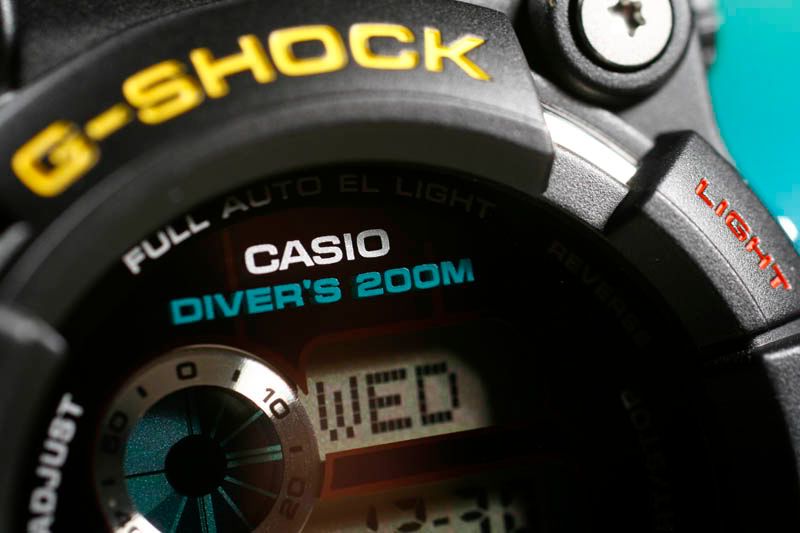
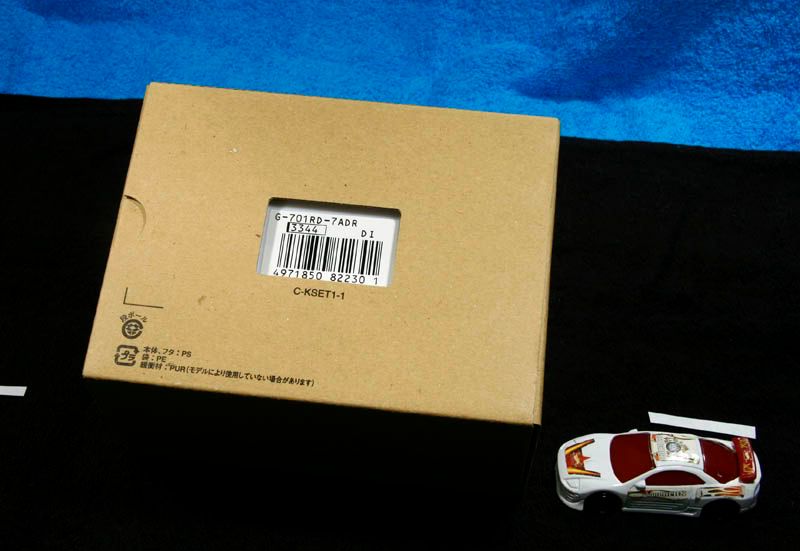
  In August 2004 Casio released in collaboration with the international Car magazine the “Legendary Pride” series. The series consist of the GW-1310RJ-7AJR , GW-1310RJ-7AJR, the GW-700RJ-1JR, GW-700RJ-2JR and this G-701RD-7AJR .
 In 1960 “Ivory White” was the national color scheme for Japanese race cars. The color scheme comes back in the watches of this series.
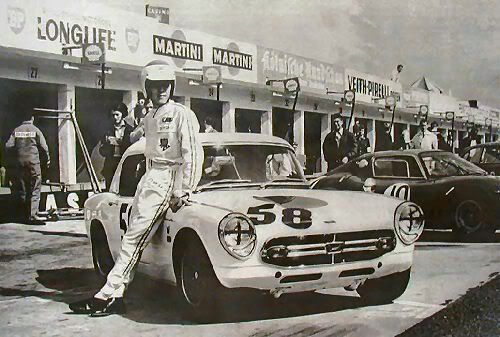 Testsu Ikuzawa and his Honda S800 at the Nürburgring in 1967.
Photo © Joe Honda.
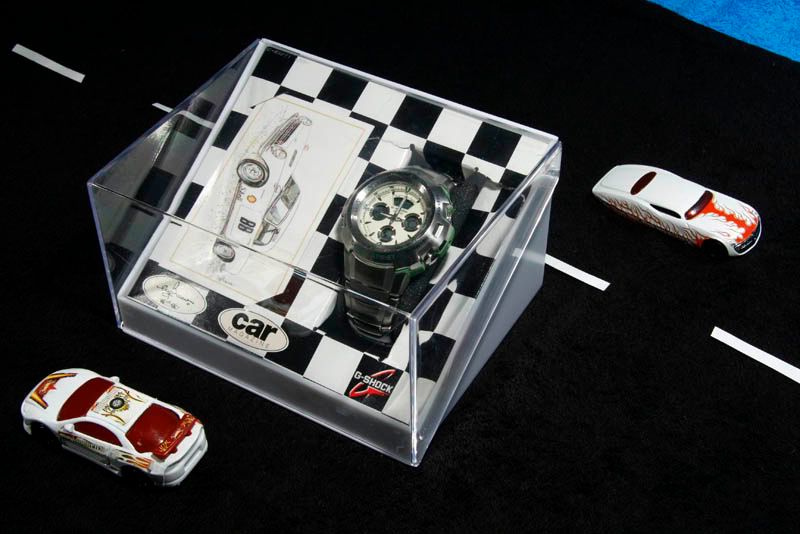
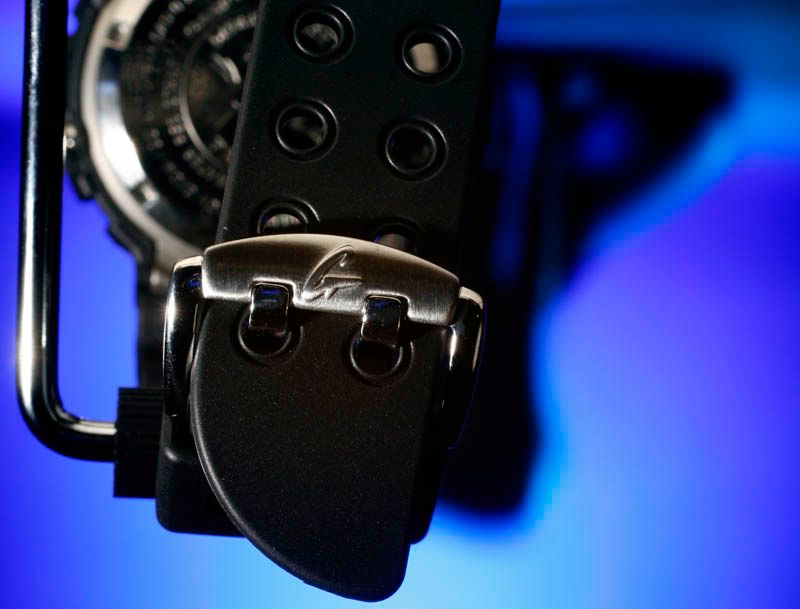
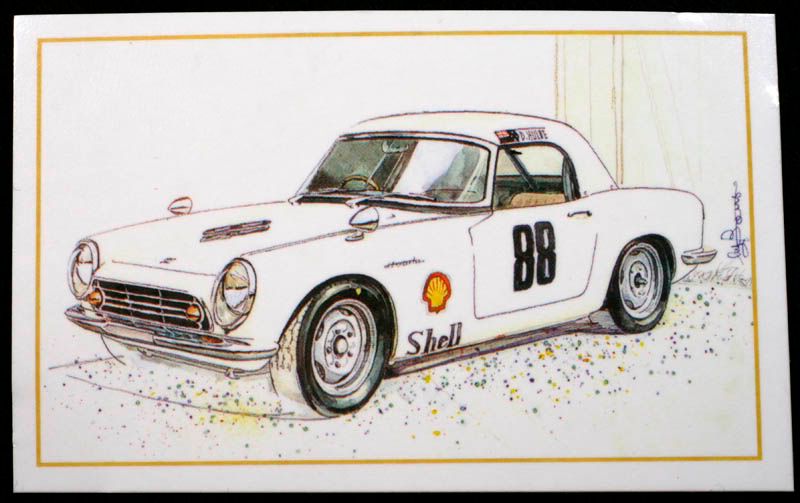
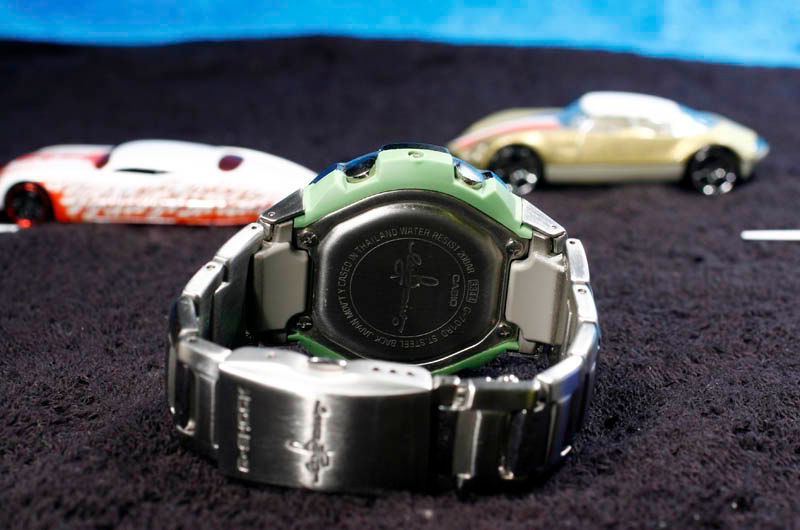
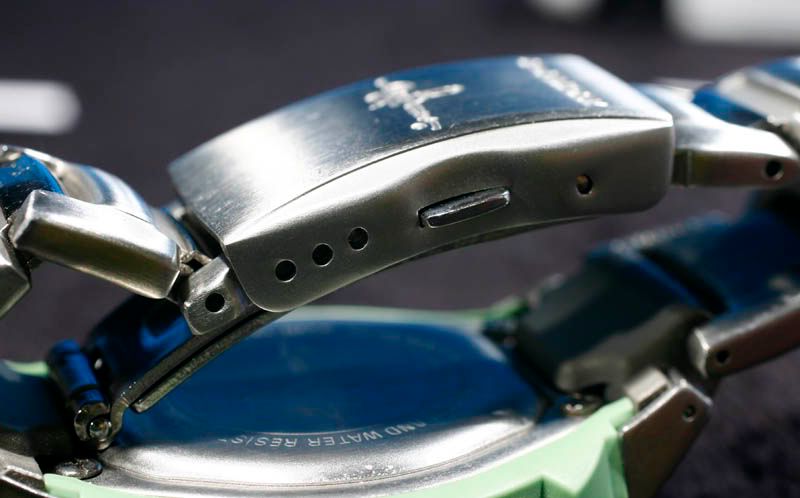
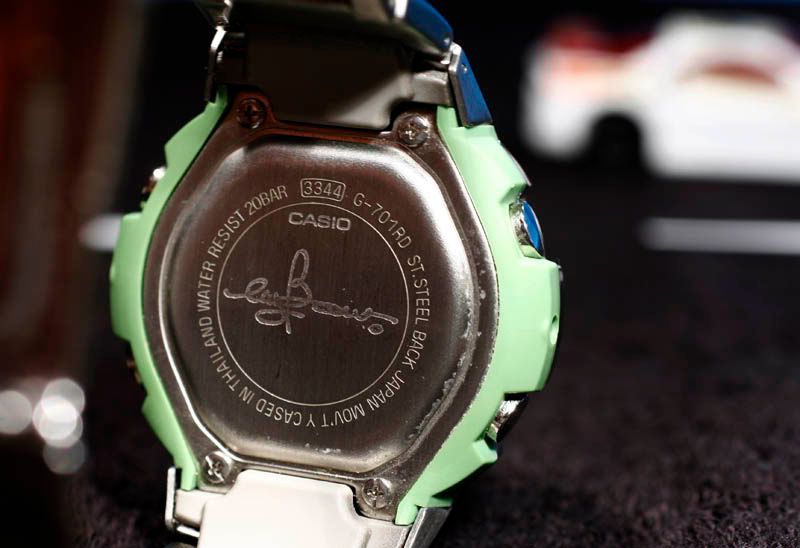
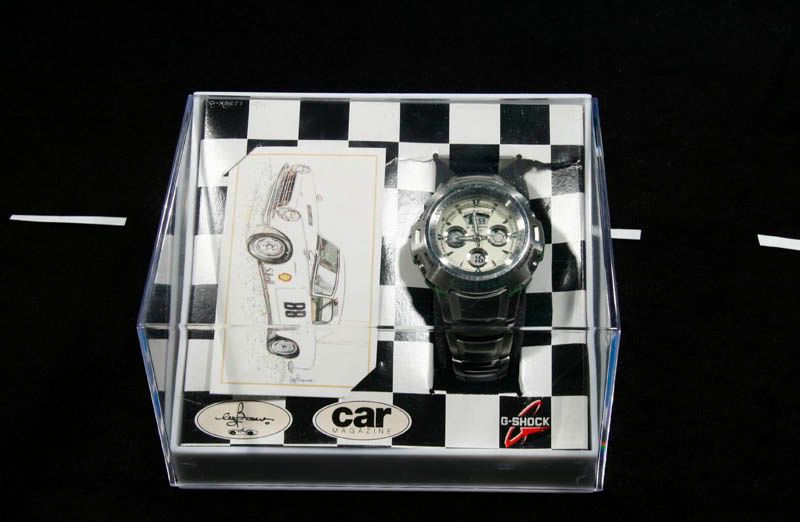 The watches are presented in a special display box. It’s the same kind of display box as the Kawasaki models were presented in. The box does not only contain the watch, but also a card with a drawing of a vintage Japanese racing car of the ‘60s. This drawing is made by the illustrator Bow of Car Magazine. The signature of Bow cannot only be found on the box and the card, but it’s also present on the back and buckle of the watch.
 My knowledge of Japanese sports cars is pretty limited. I showed the card on my Japanese weblog, asking readers if they knew the model. To my big surprise 4 readers of my weblog responded with a lot of details.
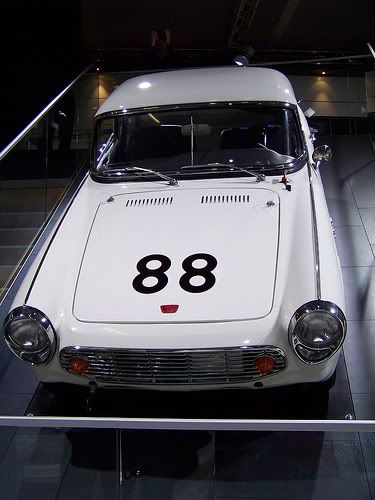 Honda S-600
One thing is sure, it is a sport-car of the Honda S-type . Although "Clubhouse MK-II" says there might be a mistake in the drawing, I think that sports cars are often prototype models, so parts of earlier models might be present.
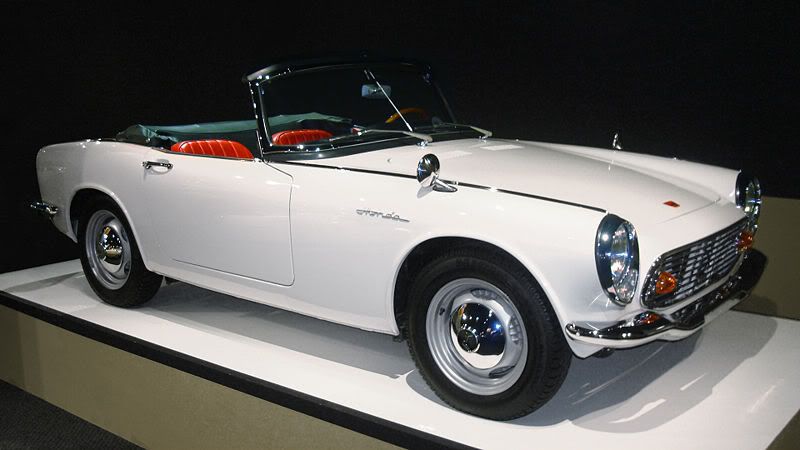
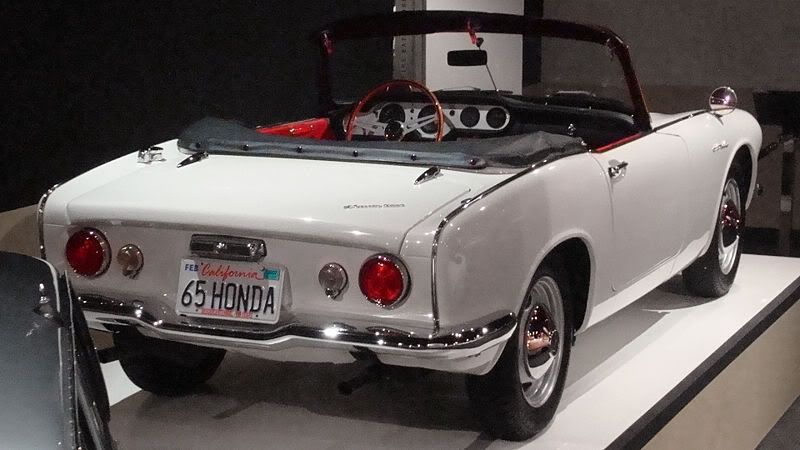 Above: Honda S600, below Honda S500. The grill is similar of the drawing.
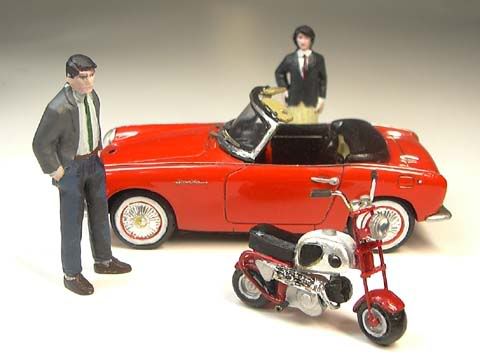
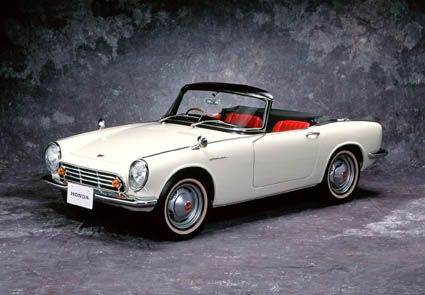 I think the conclusion of "Clubhouse MK-II" is correct. This car is the Honda S series. The front grill is S500, bonnet and wheels are S800 and the body is S600. The mirrors look exactly as on the photo of the scale model set of the S600. Also the hard top is the same. It points that the drawing represents the S600 of the "Nürburgring 500km race" of 1964. And yes, I found it. In 1964 Denny Hulme (1936 - 1992)from New Zealand drove for the Brabham team in a Honda S600, number 88. He ended on the 13th place in overall ranking, but ended on #1 in the Grand Touring 1000 class. When you look closely to the Hardtop, tou'll recognize the flag of New Zealand and the driver's name D. Hulme.
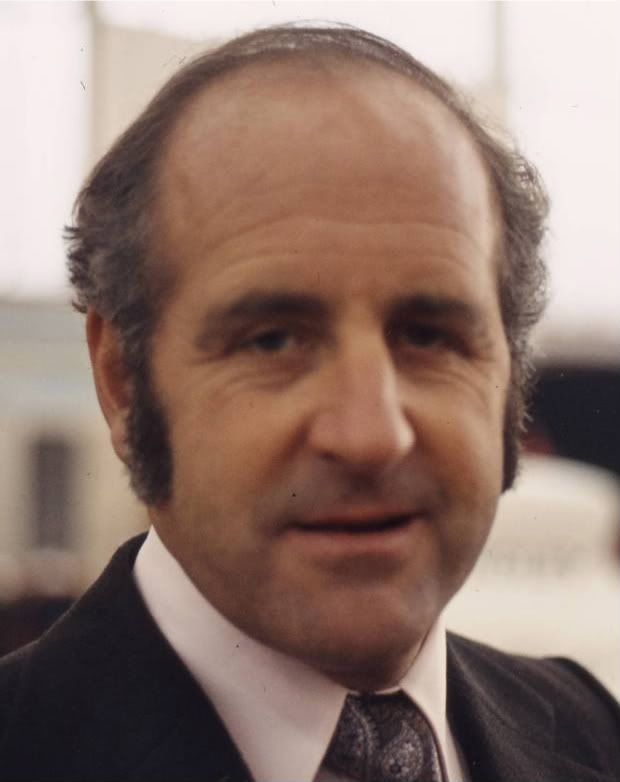 Denny Hulme (above) became Formula 1 Champion in 1967, also for the Brabham team. He died in 1992, at the age of 56, by a heart attack during the Bradhurst 1000 race in 1992. His death made him the first F1 champion who died a natural cause...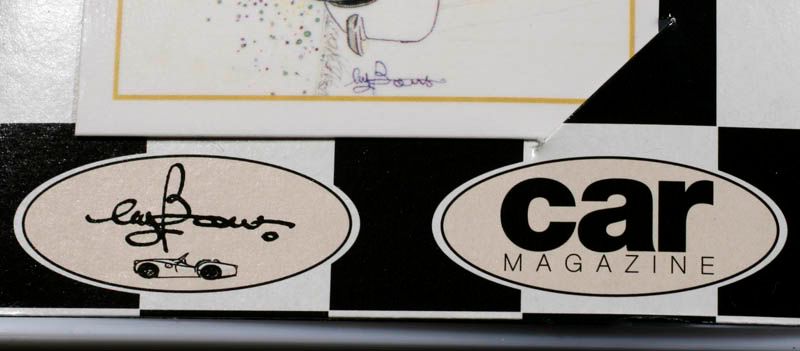
 I owe a lot of thanks to Murphy, Clubhouse MK-II, Tibiko and Pink-Elephant-Syn. Without them I would never have found this conclusion.
m(_._)m m(_._)m m(_._)m The G-701RD is a special version of the G-701D model. The G-701D model is a “Cockpit Series” model. These models in this series are inspired by cockpit instruments of racing cars. The structure of these series can maybe be compared with the “Master of G” series. “A Man In Mat Black” Gulfman is part of the MIMB series, but also a “Master of G” model. This G-701RD-7AJR is part of the “Legendary Pride” series, but also a “Cockpit Series” model.
 The G-701RD is a special version of the G-701D model. The G-701D model is a “Cockpit Series” model. These models in this series are inspired by cockpit instruments of racing cars. The structure of these series can maybe be compared with the “Master of G” series. “A Man In Mat Black” Gulfman is part of the MIMB series, but also a “Master of G” model. This G-701RD-7AJR is part of the “Legendary Pride” series, but also a “Cockpit Series” model.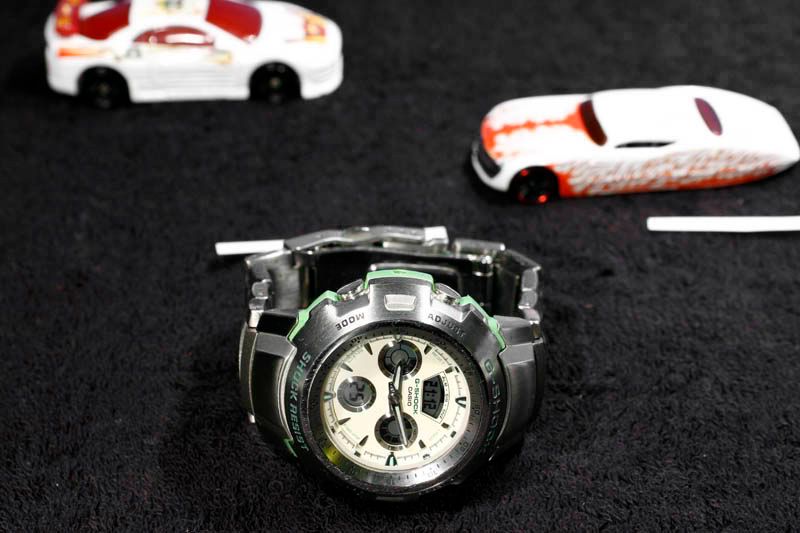
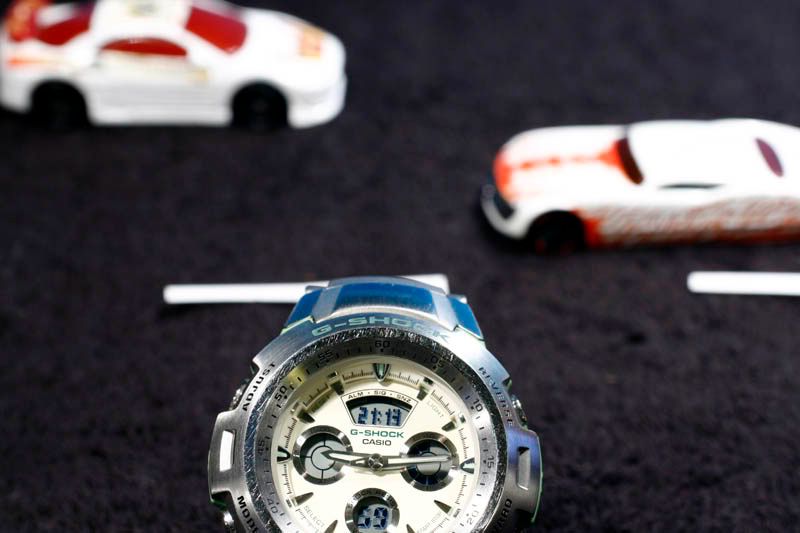 The first series of Cockpit watches had metal face protectors (sometimes called “bull bars”). On the stock photo’s these watches didn’t quite impress me. Also my knowledge about G-Shock didn’t go further than the 90’s models, the Frogman and the G-2300. The only metal G-Shock I had was a MR-G Tactician. It was impressive, but rather small. I expected these Cockpit models to be small too.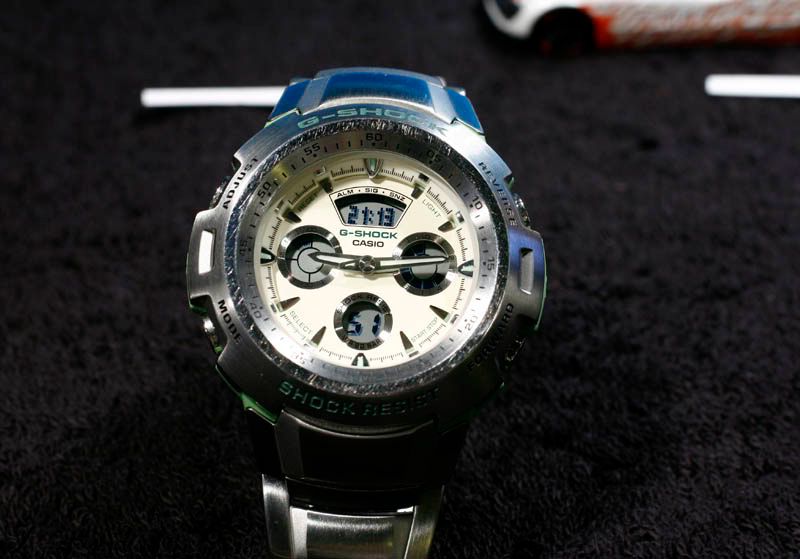
 In the summer of 2003 I happen to spot a Cockpit model on the wrist of a German tourist in the St. Bavo Cathedral of Ghent. I noticed the watch wasn’t as small as I expected it to be. It looks quite sturdy actually. Not long after I spotted this watch, I owned a G-510D and a G-520D.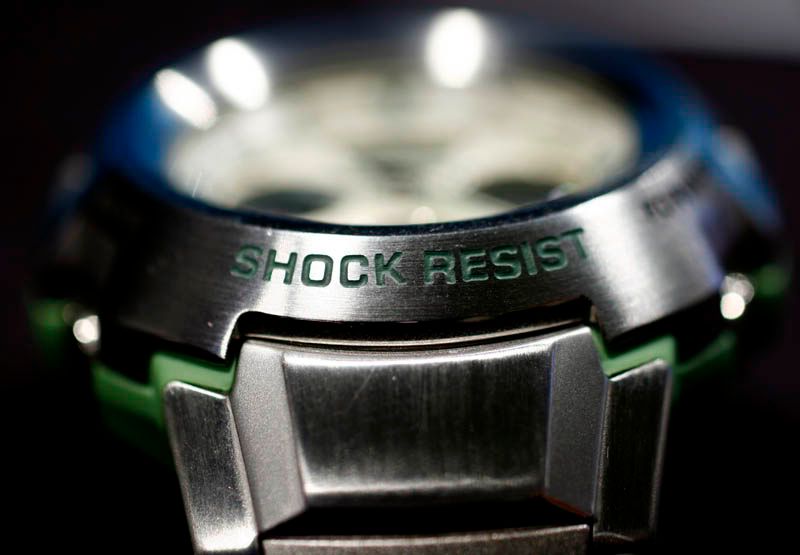
 When this model came out, it did not take long before it was also sold in Singapore. I do not remember the eBay seller anymore (Pokemonyu?), but he had this model on auction at the end of 2004, with a starting bid of $1.-. The box looked very cool. The card, the colors of the dial, the green part on the side. This watch and the story behind it were a perfect combo. I fell specially for the ivory white dial. I think I won the auction with a final bid around $125.-. This was quite a lot of money for a G-Shock around that time. I was thrilled when I got the watch. It looked exactly as I expected it to look. Maybe even better.
 Another one went on auction. I showed it to my colleague Paul. He was excited. He is an avid Car Racing fan. He even has a Formula 1 website. I started bidding for him and got it for around $80.-. Since I try to get often one model for the collection and one to wear, I started to bidding on a third one. I don’t dare to write the final price, but it was somewhere between $35 and $40.-. Unbelievable. The seller sold in the meanwhile several more. I even saw one for sale in Germany, but suddenly they all vanished from eBay and other G-Shock sellers around January 2005.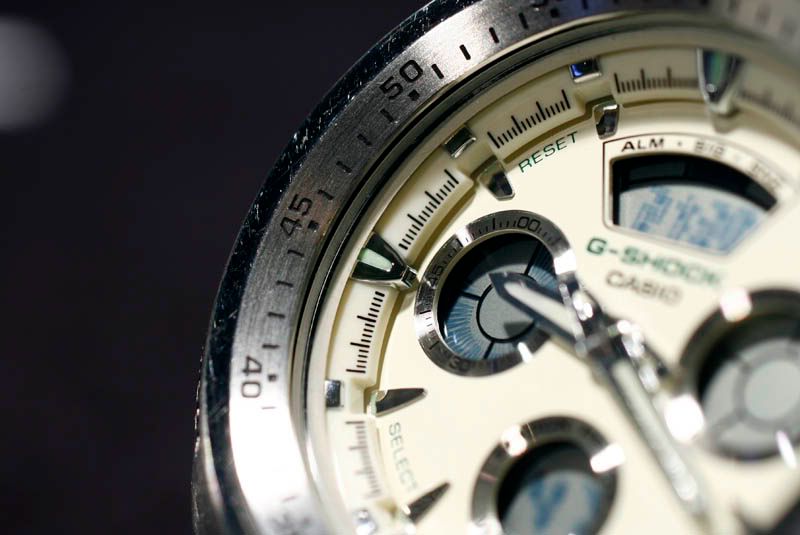
 When I put this model on G-Peopleland e-mails kept coming in. Where did I got this watch from? Did I sell it? Even now I sometimes get mails from people asking where they can find this watch. I’m afraid I cannot help them. I have seen this happen with the red GW-203K Frogman and the G-Phyton models. If you were in time, you could have had them cheap. Now they seem rare and wanted. It’s a pity I couldn’t afford the Pythons. I guess I had other priorities. I think they hit eBay around the same time as the GW-203K’s were there “cheap”. You just can’t have them all I guess.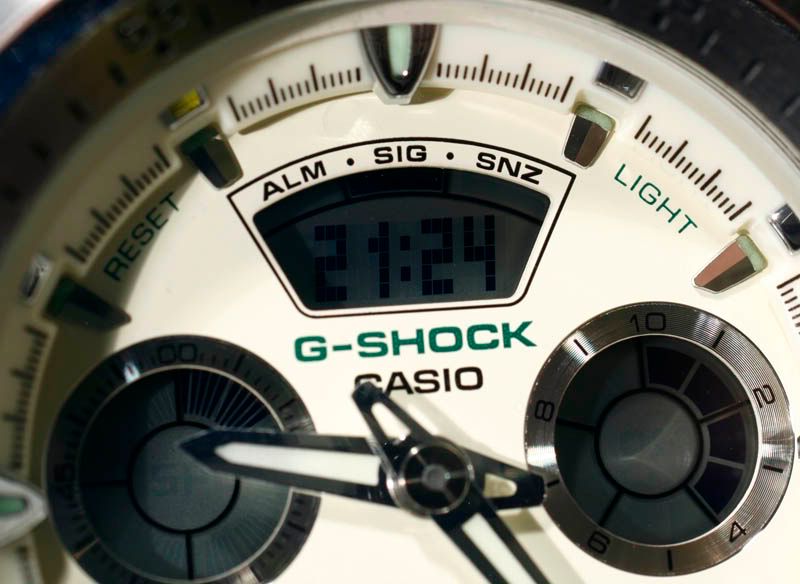
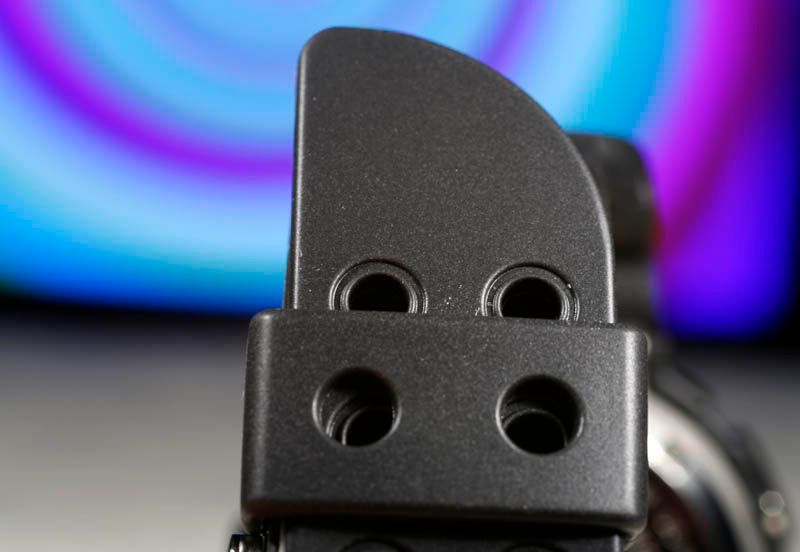
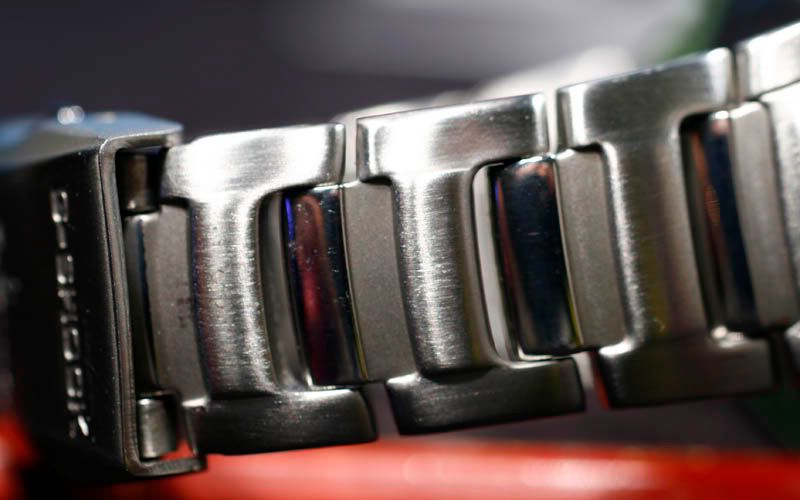
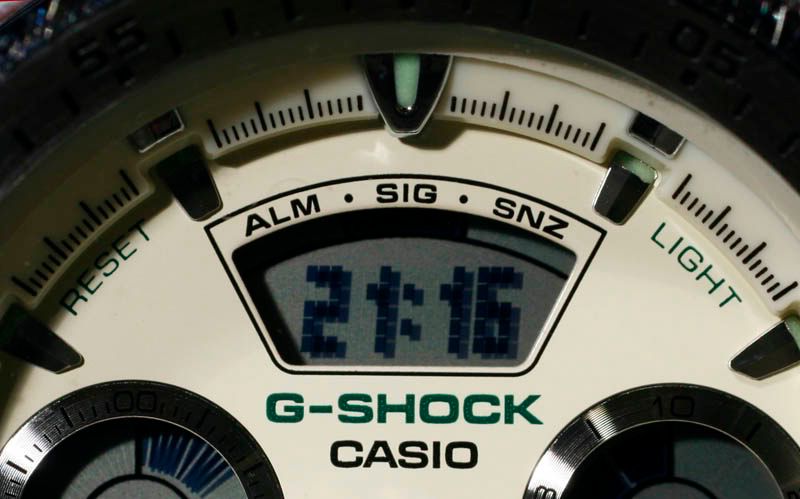 The first thing you’ll notice on the G-701RD is that it’s thick, about 14 mm. The case itself is about mid-sized, The case width is about 43 mm while a DW-6900 is about 49mm wide(official measures are 45 and 50 mm). The height of the case is a bit hard to define. It has two big lugs where the bracelet is attached to the case. With these lugs the height is about 57 mm.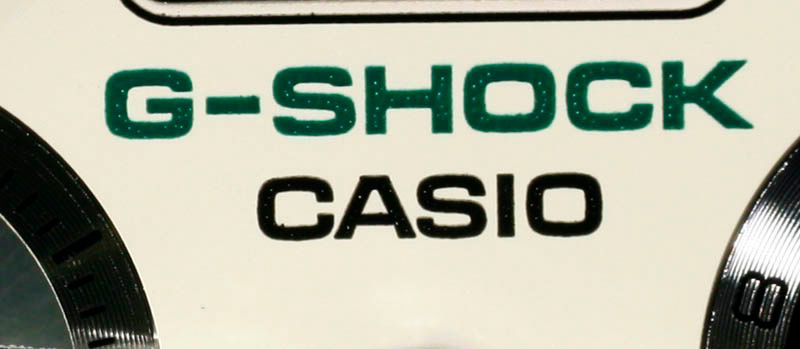
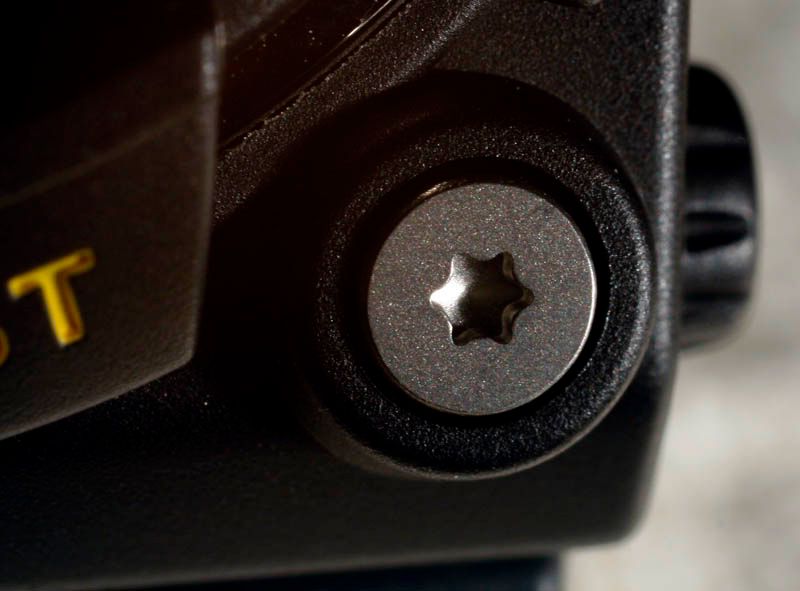
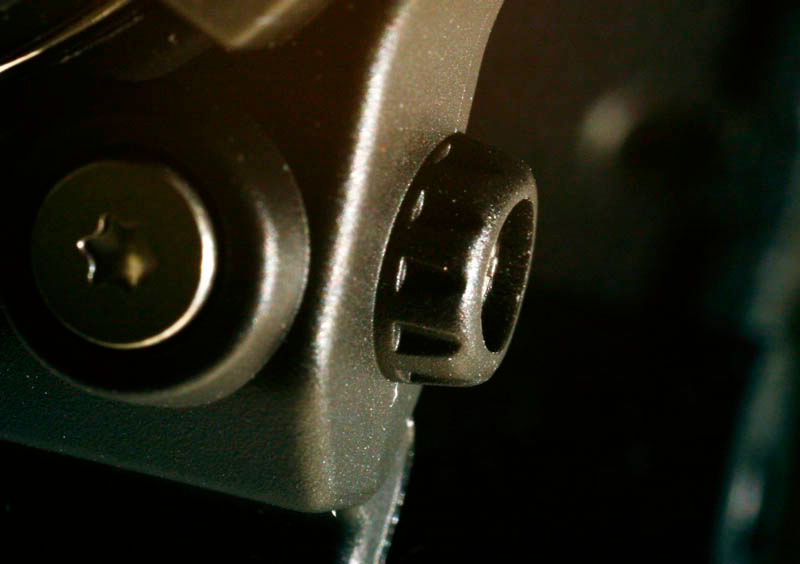
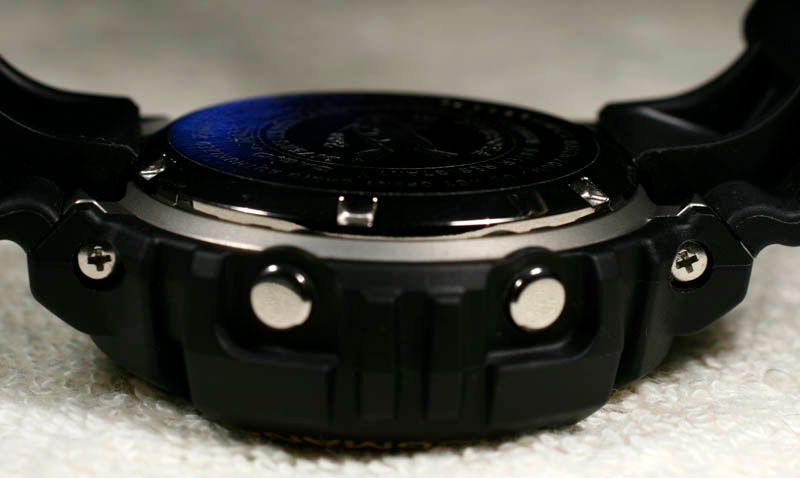
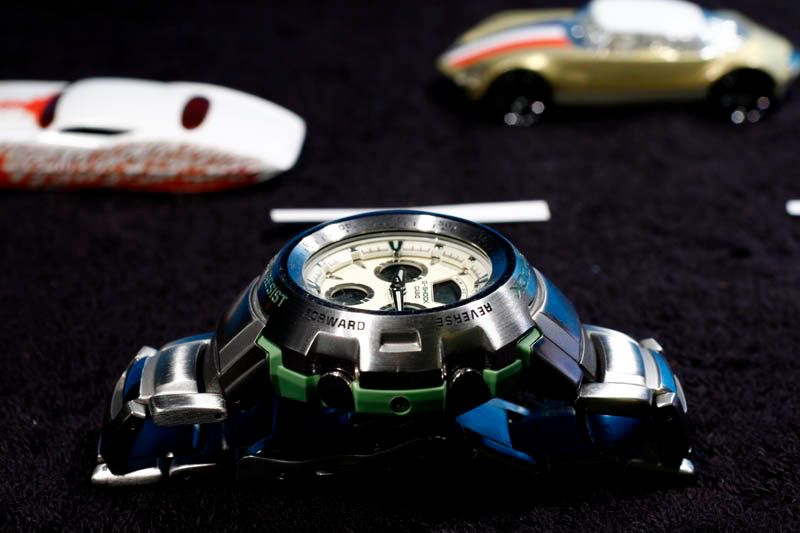
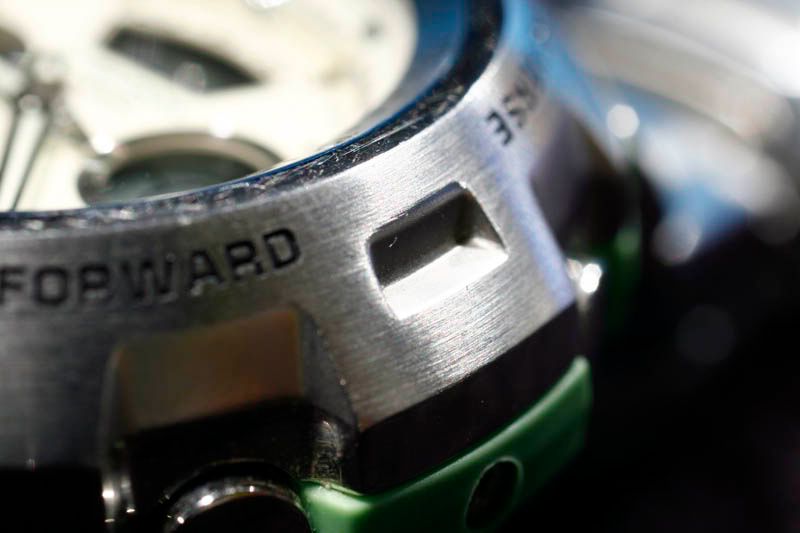
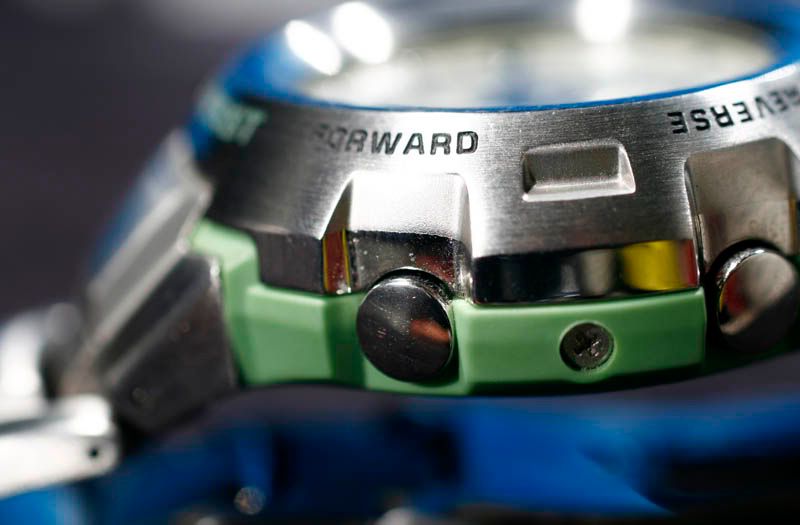
 The case doesn’t have the bull bars, but the thickness of the watch make it look as impressive as the earlier Cockpit models. The green resin part on the side looks like a back protector, but it isn’t. I think if it was a regular model, this would have probably been stainless steel. The protective raised rim around the crystal is pretty high, but the module itself lies deep under the crystal. This creates even a more tough and sturdy look.
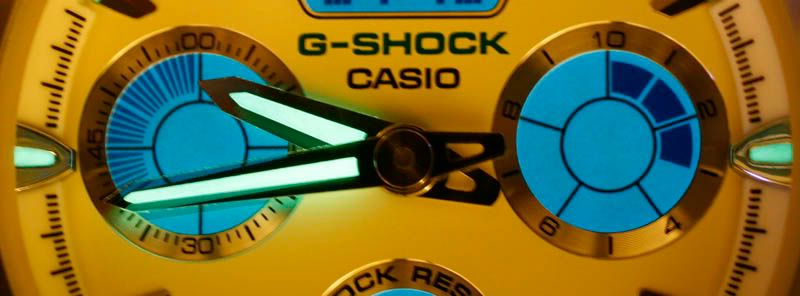
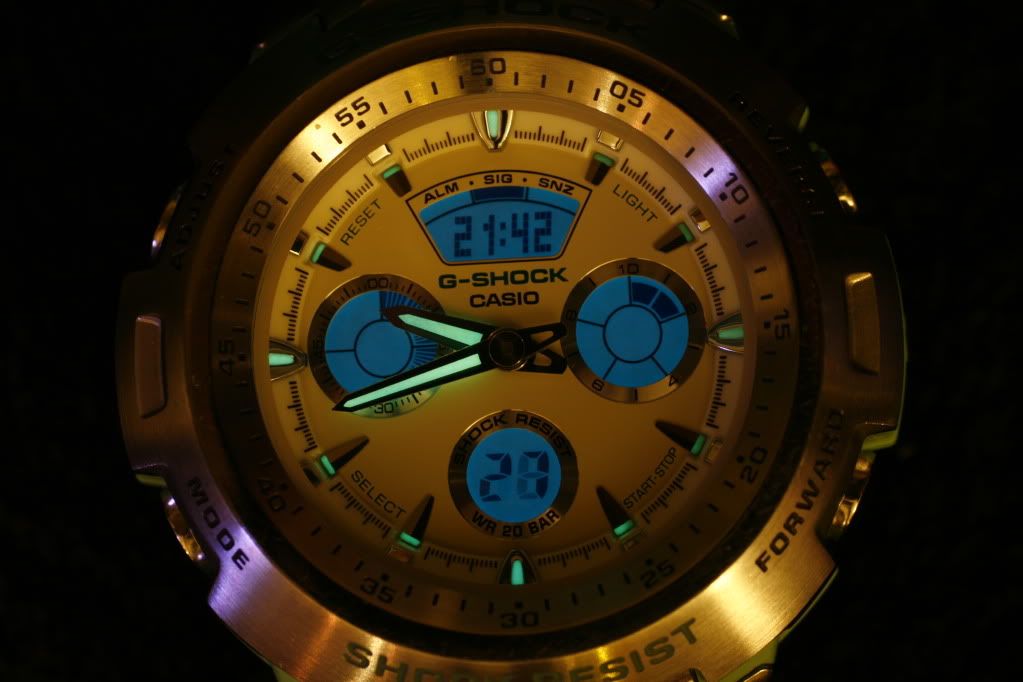
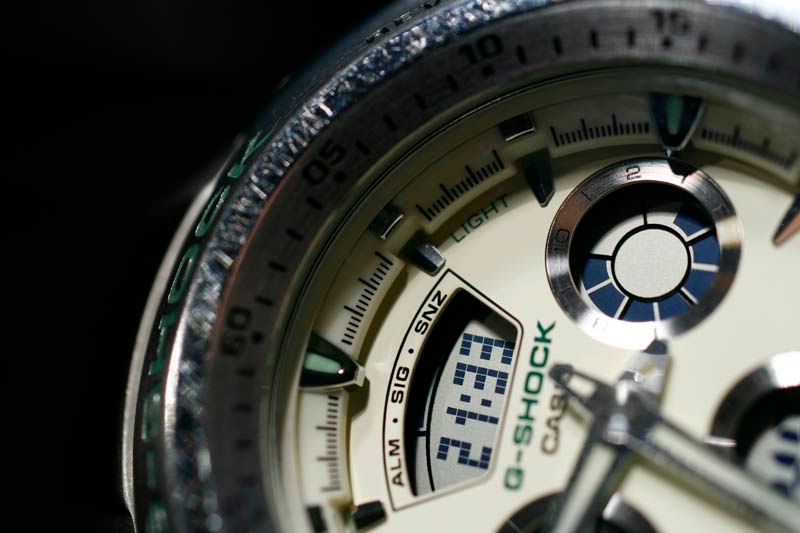
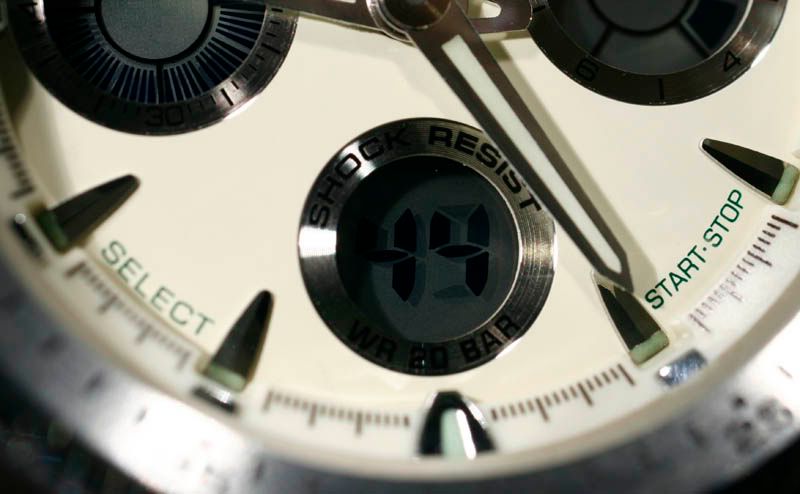
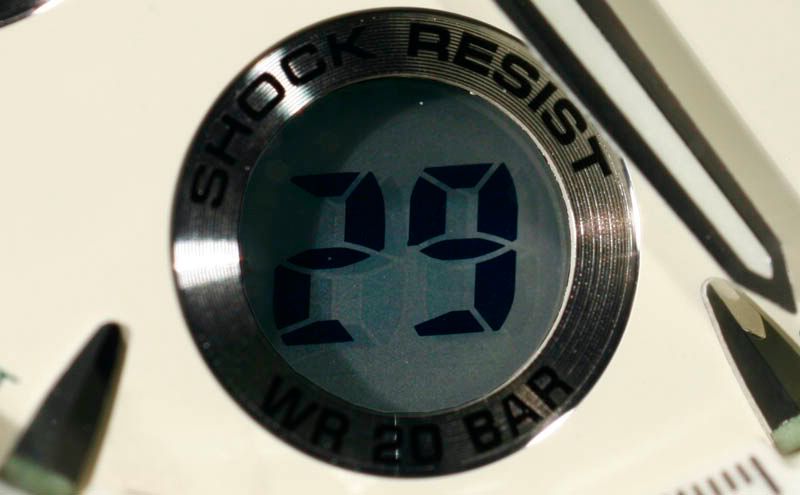 The dial has 4 small sub-display. The top display shows time, date or day. It is also the display that is used in other modes than Time Mode. Also it shows if the hourly chime, an alarm and the snooze alarm are activated. The left and right eye animate the time. I always compared them with the seconds hand on an analogue watch, thought the right eye actually animates minutes (one digit is one minute). The left eye rotates like a small seconds hand. In the odd minutes the eye is filled, in the even minutes the eye gets cleared. A similar thing happens to the minutes eye. The bottom eye displays the seconds.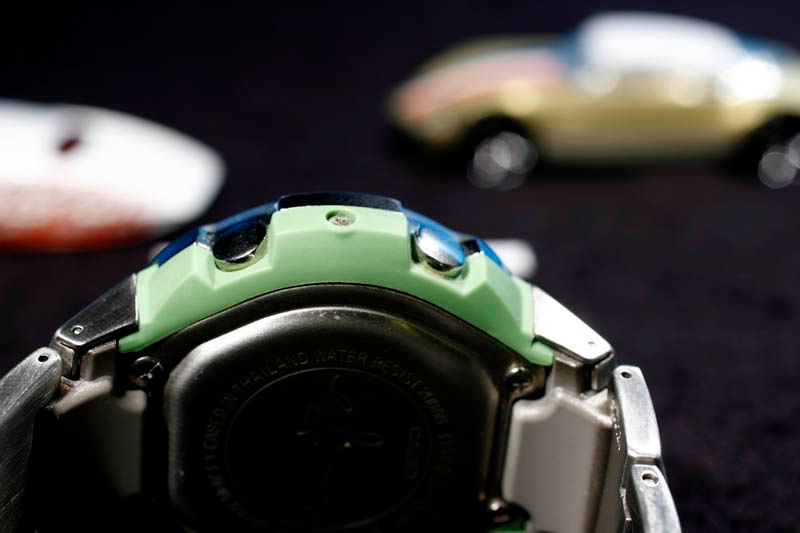
 The 3344 module has besides normal timekeeping: Worldtime with 27 cities and 29 time zones, a 60 minute Countdown Timer, a 60 minute Stopwatch and 5 alarms (1 snooze alarm) with a hourly chime on board.
 When scrolling thought the modes, will see H.SET appear after the different modes in the top display. This is actually the adjust mode for the analog hands, called the Hand Setting mode. When you press the Adjust button for 2 seconds, you can move the minute hand with 20 second increments (180 steps per hour). If you exit the Hand Setting mode, the minute hand will be slightly adjusted to the seconds count of the internal clock. If you need to adjust the hands for a longer time, you can push the top right button, while you are also pushing the lower right button. You can now release the buttons, while the hands move automatically. Just push the lower right button to take over manual control. This trick actually works on more modern Ana-Digi G-Shock models.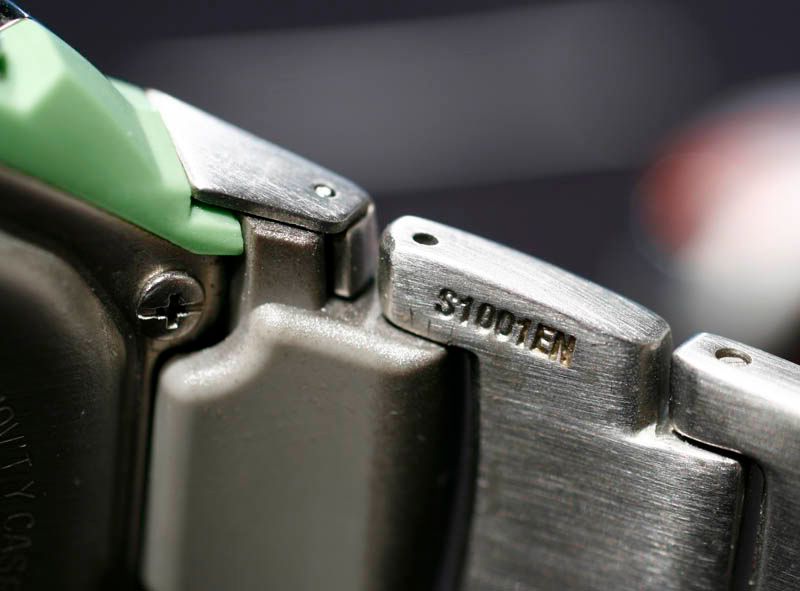
 The G-701RD had a very clear EL backlight. I am actually glad this watch has an EL backlight. Most of the newer ana-digi G-Shock’s now have LED lights, which brightly illuminate the dial, but the sub-dials are unreadable. Now the digital time (digital time keeping has still my preference) is good readable, unless the hour hand is blocking the view. Actually, if needed, it’s not completely blocking. With looking around the hand, you can still read time.
 There is some illuminating paint on the hands and 5 minute markers. Like on most G-Shock’s, this illuminating paint is not really impressive. It also loses power pretty fast, so that the time is pretty hard to read already after 5 minutes. Somehow I hope Casio will sometime use an illuminating paint that is as bright as on my Seiko Monster.
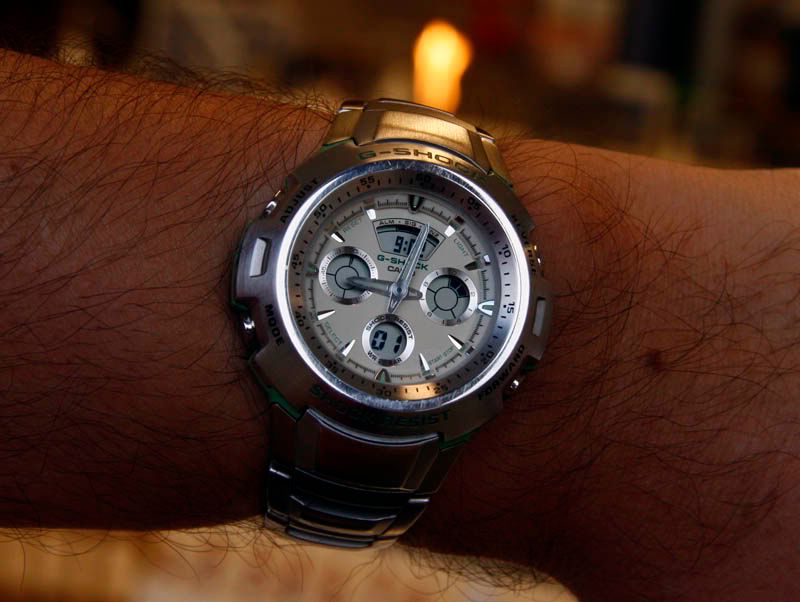 Summary: The G-710RD is a great Cockpit model. The color design by Bow is very nice. It’s bright, but not shouting. The ivory white rather gives this watch a luxurious look. I have removed three links and adjusted the bracelet to my wrist. I have a 7”wrist and the watch wears very comfortable. The analog clock has good visible hands, so reading time is very easy. The top display with digital time (which can also display date or day) may be small, the EL backlight is bright and the font is very clear, so it’s also not hard to read the digital time too. I rather would have seen a 24 hour Countdown Timer and a 24 hour stopwatch. The things I time just often take longer than 60 minutes. Because the watch has such a good looks, I will forgive Casio for this flaw. Once I put the watch on, it’s hard to switch to another watch. You can see I have worn it quite a lot of times. There are scratches on the metal bezel, which show up naturally good with the strike light of my light set-up. Yep, I like this watch a lot. And so does my colleague Paul like it.