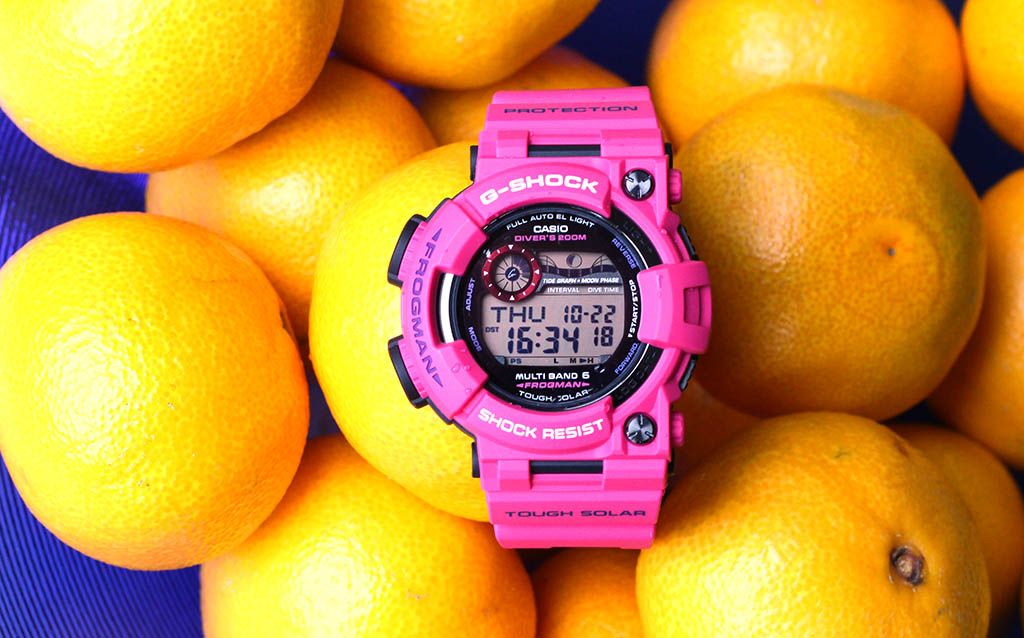
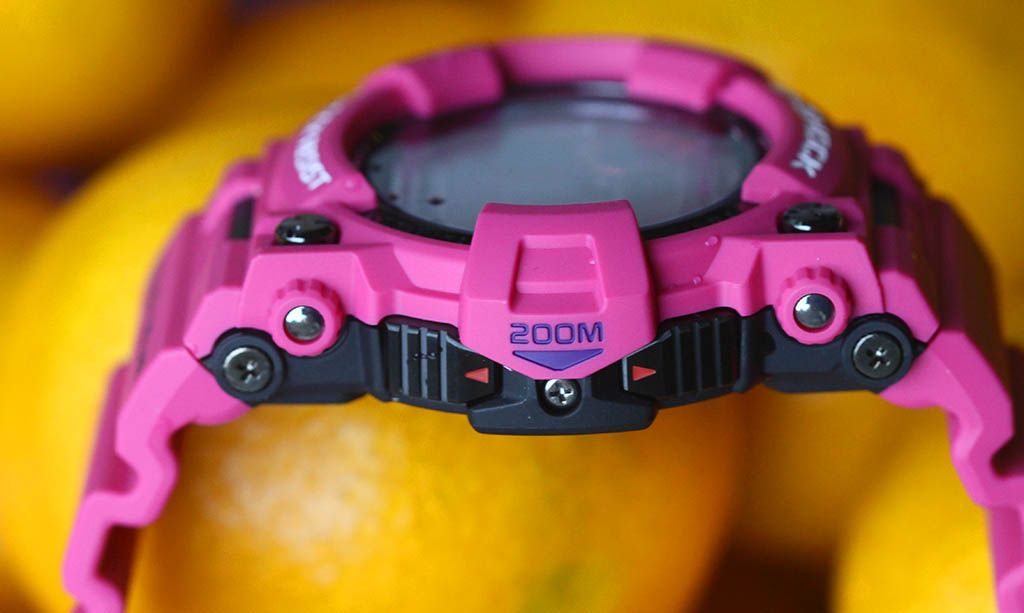
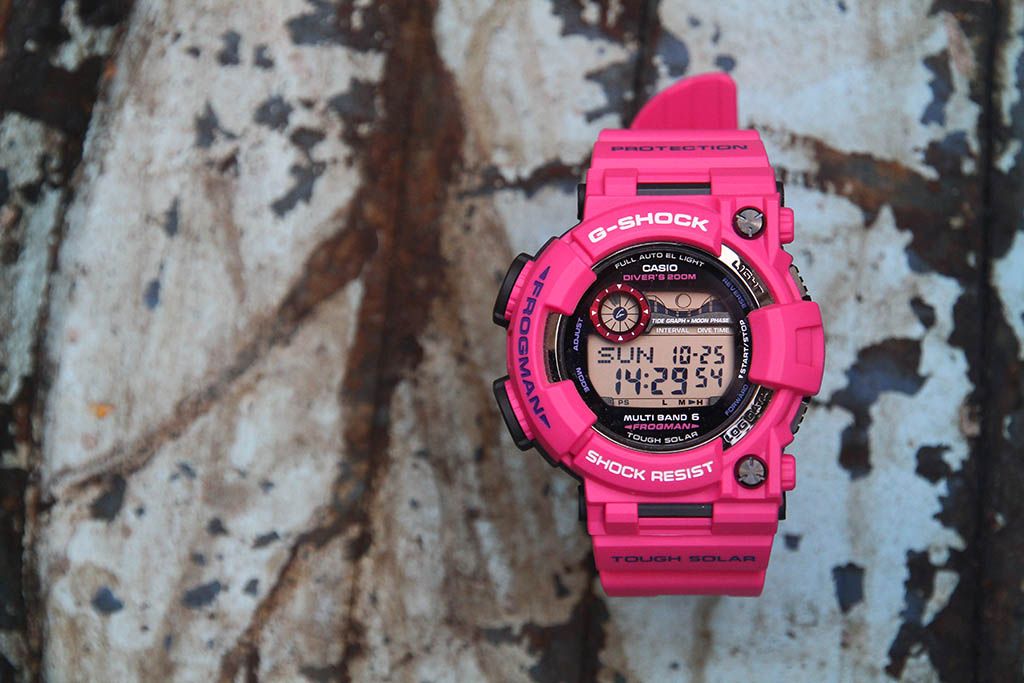
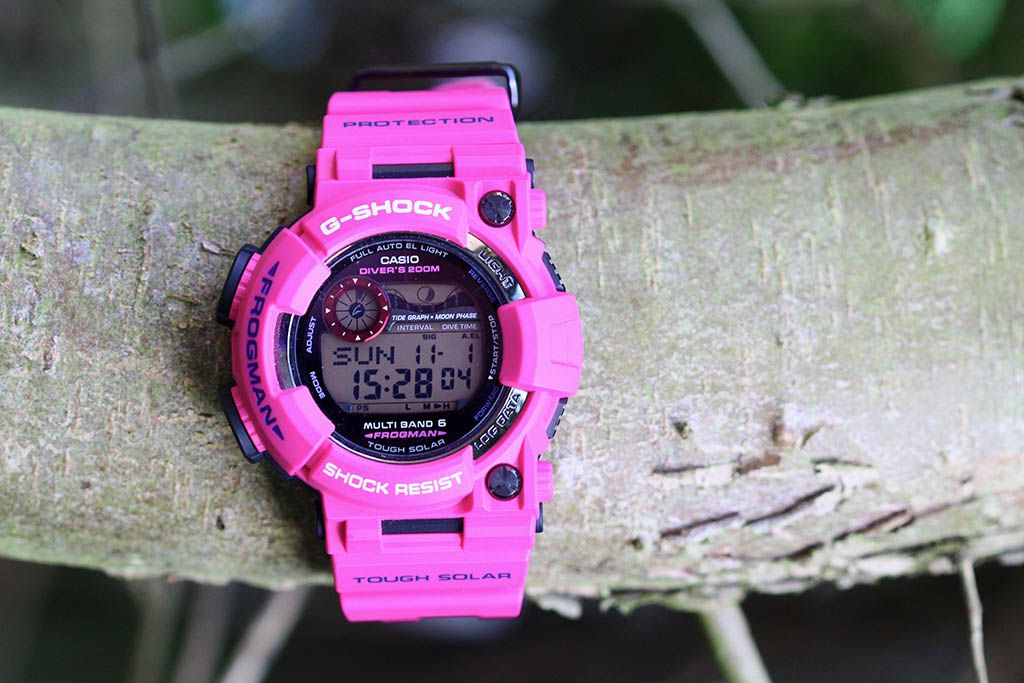
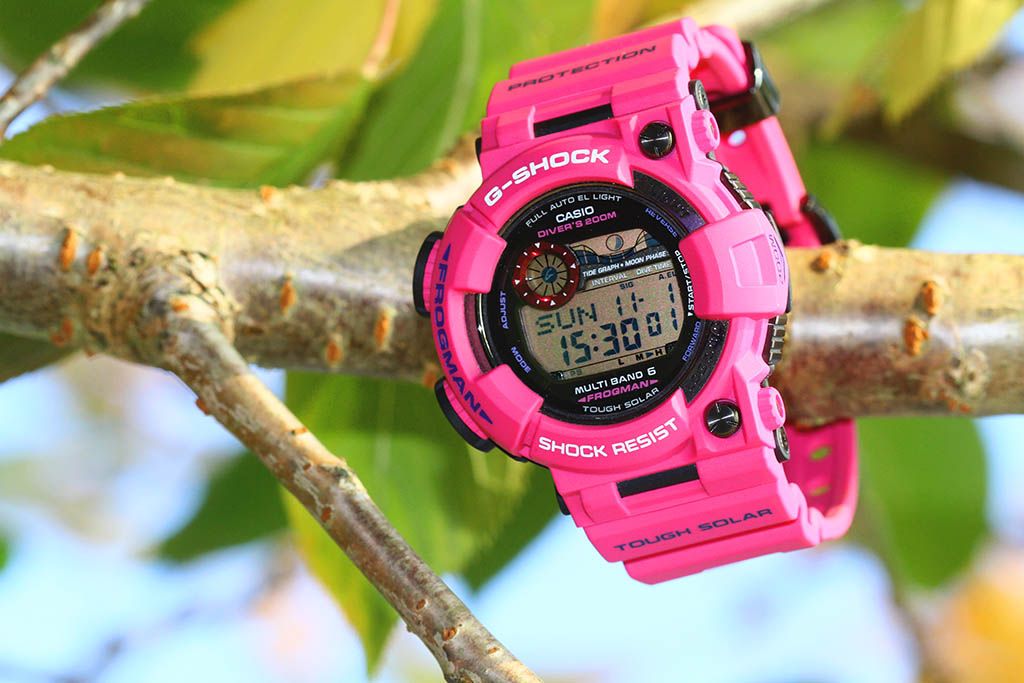
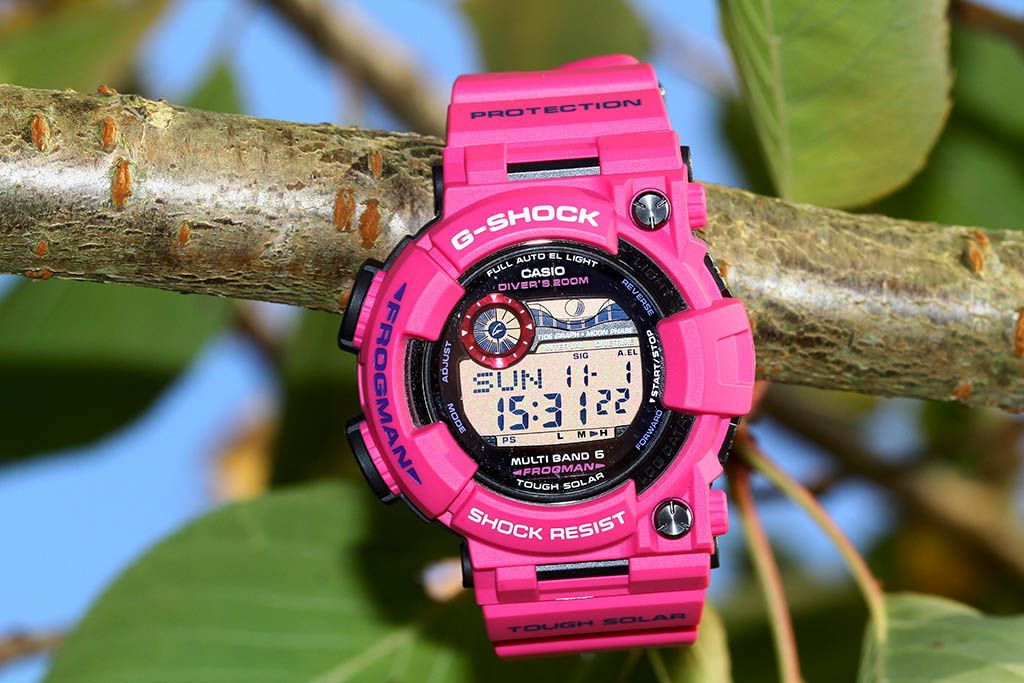
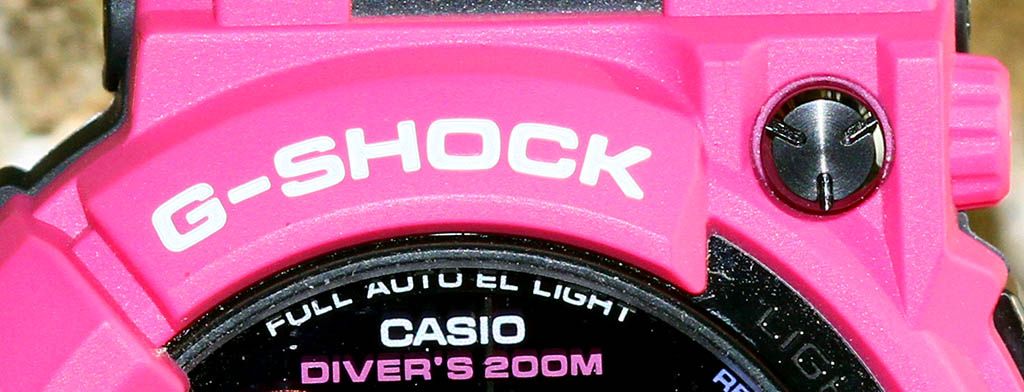
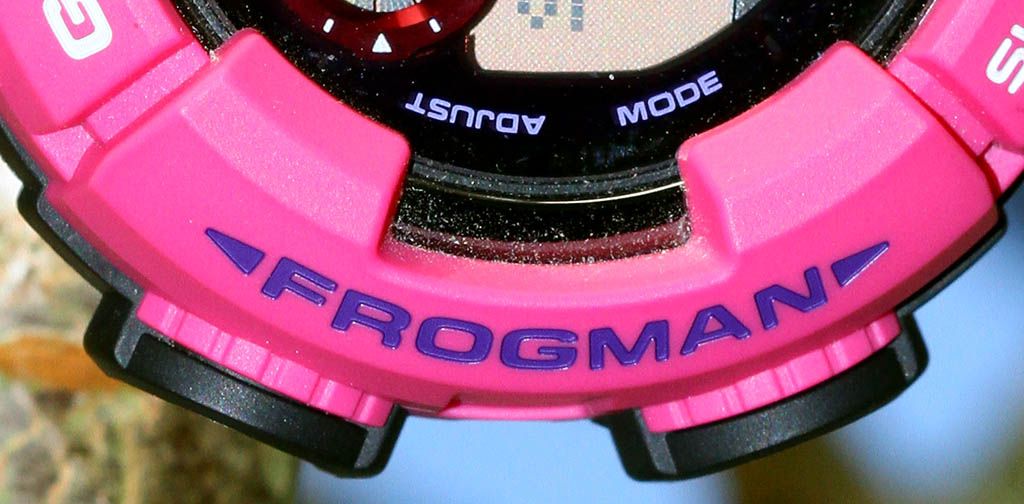
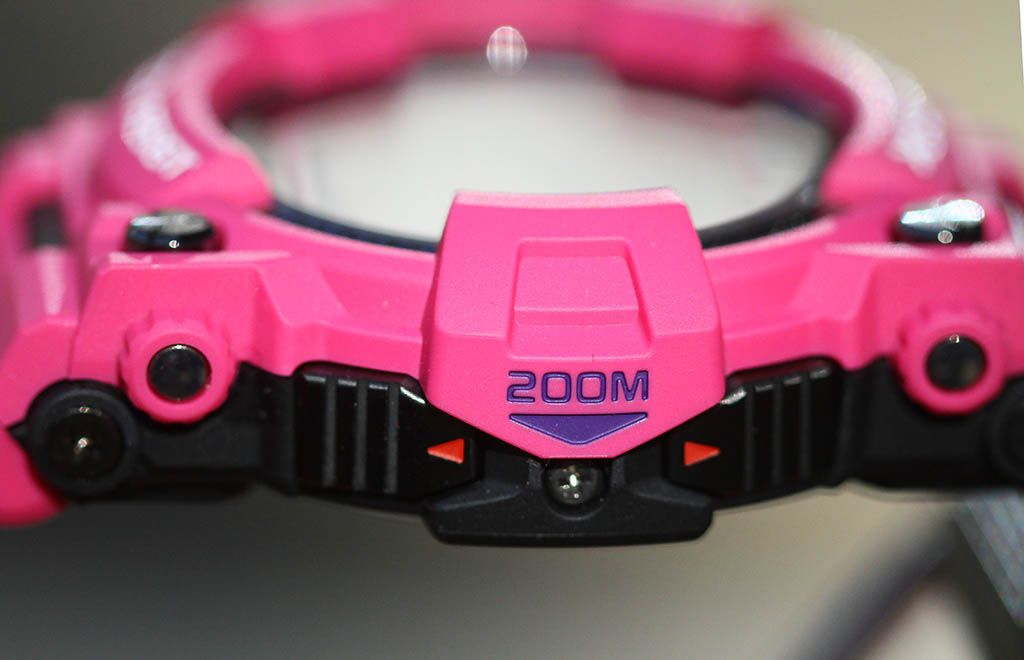
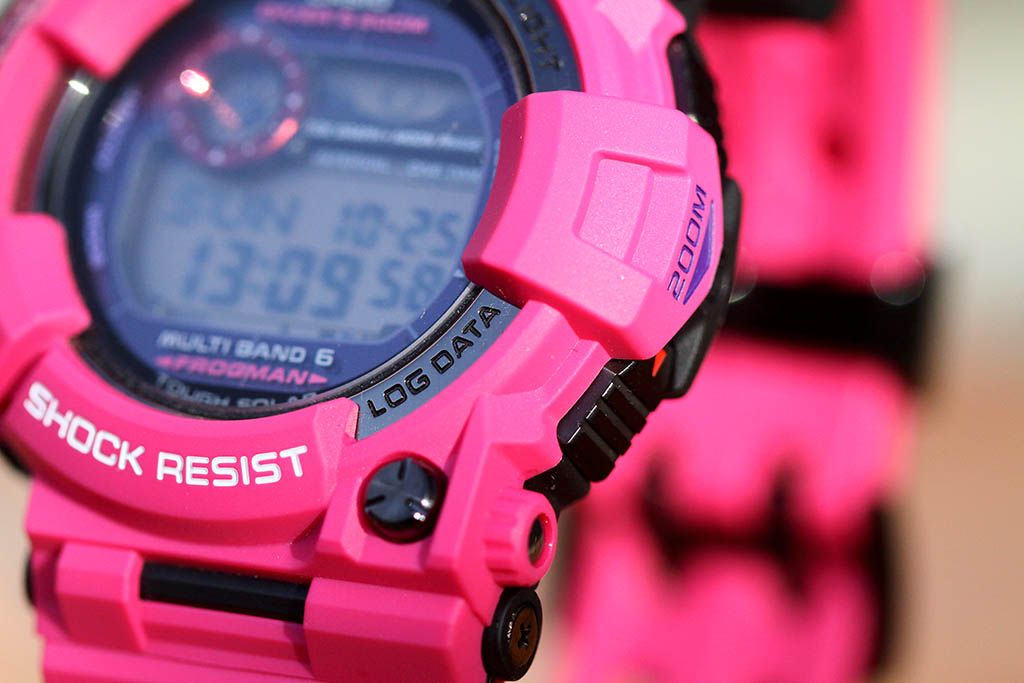
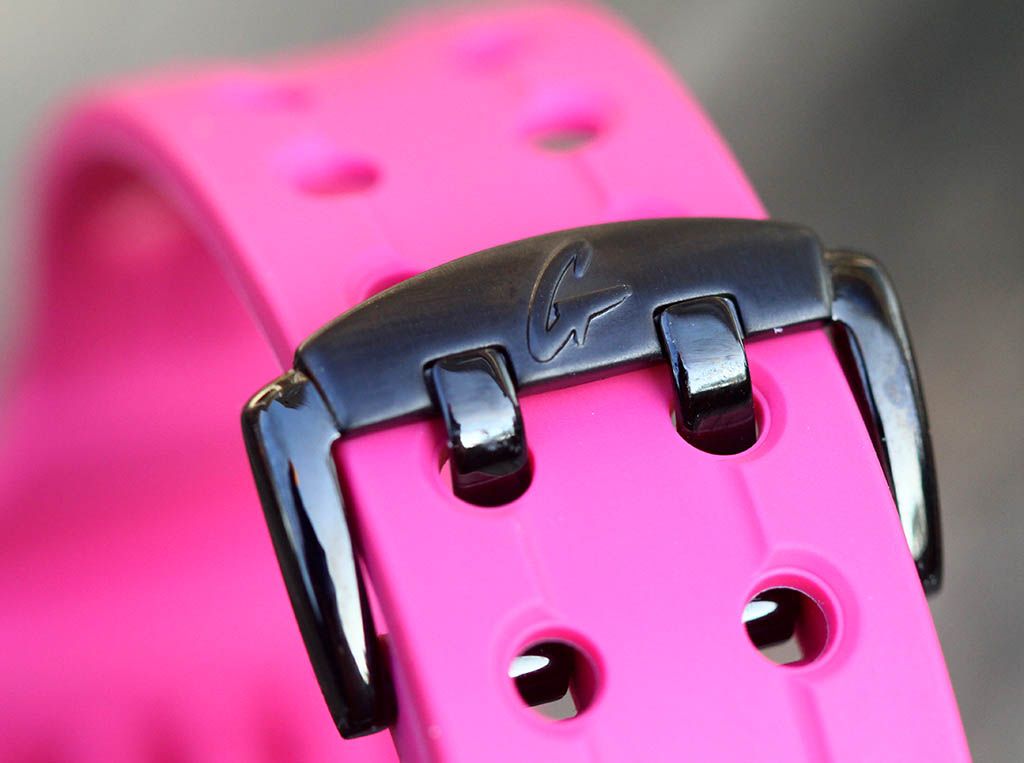
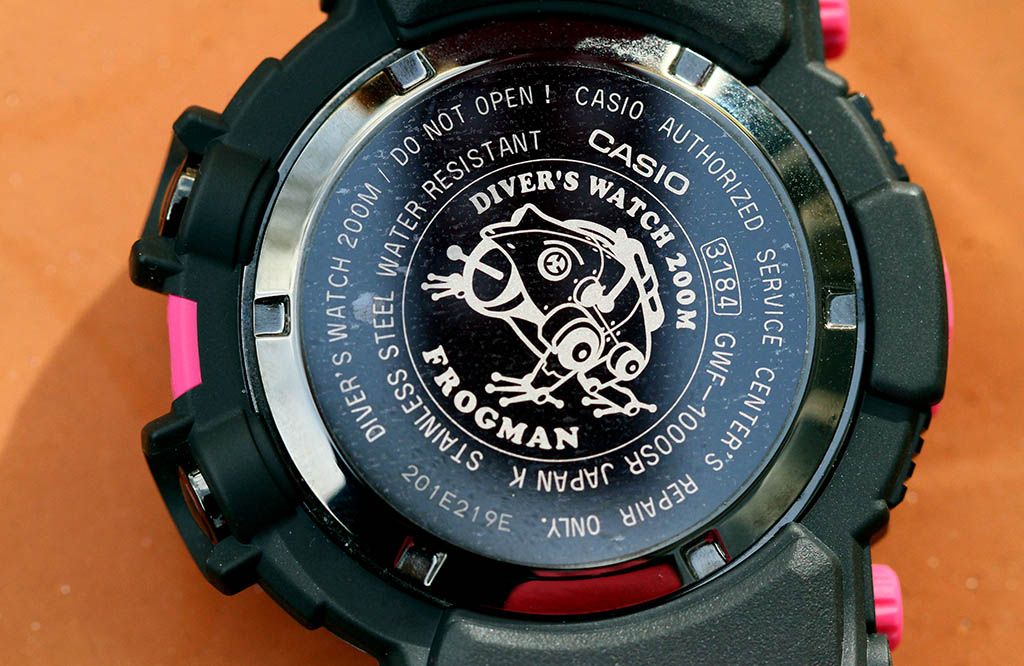
Sorry for my absence lately. First two jobs, then change of jobs, loads of other work, meeting a lot of interesting people and maybe a lack of interest in writing. Fact was that during the many years of writing for 50 Gs, I am almost out of Gs to write about. There were still some Gs I want to put on the article list, but I had no hurry to write, until I saw this purple pink beauty a few months ago popping up. I was hoping it would be a reasonably priced Frog, and not avery exclusive Titanium version. And luckily, it was. Because of my busy schedule, it took me three weeks to complete this article.
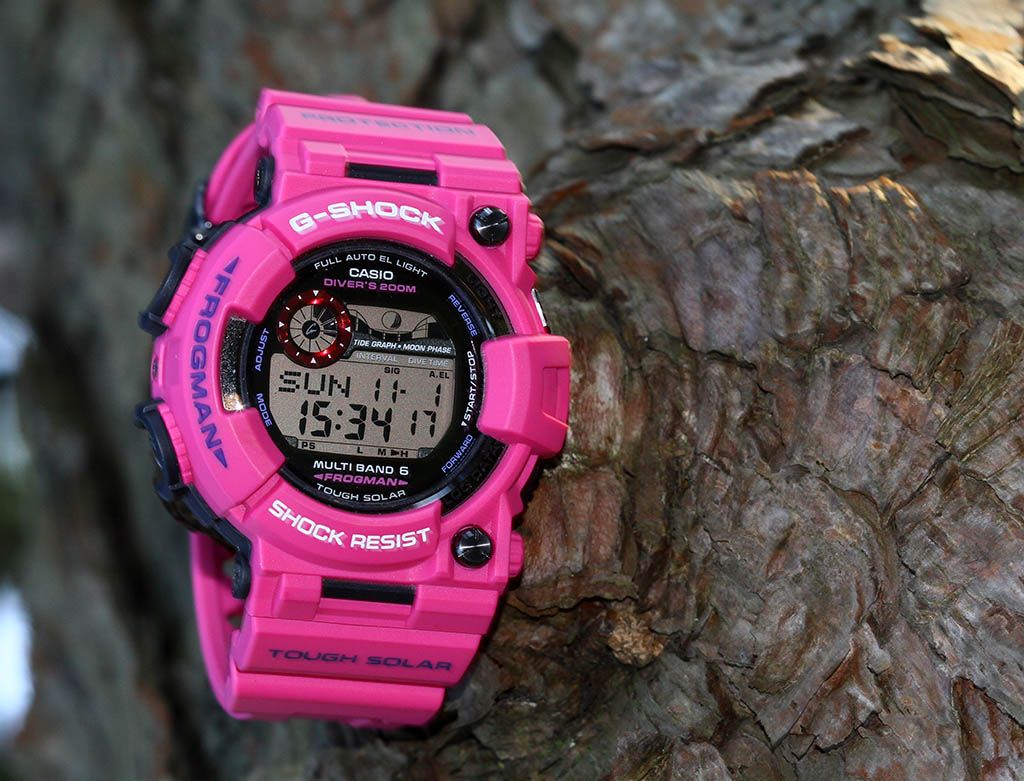
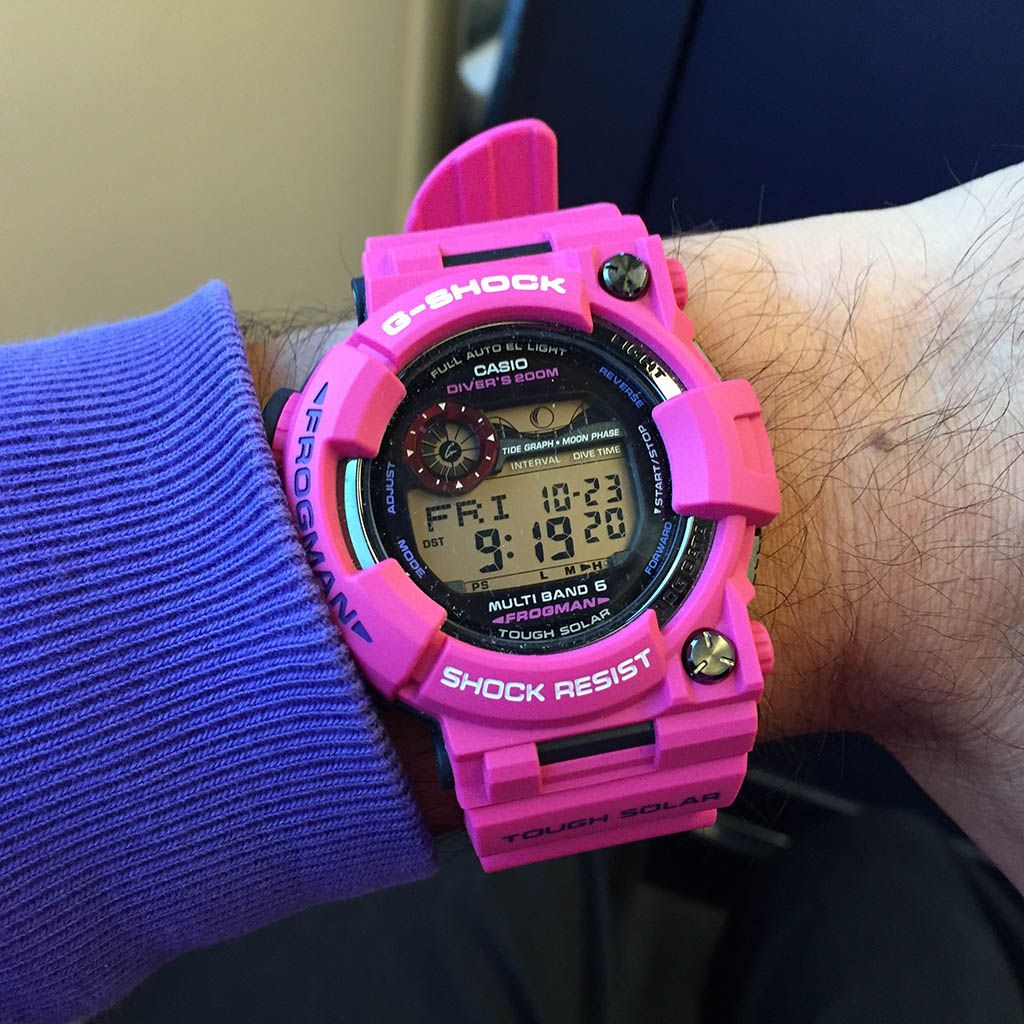
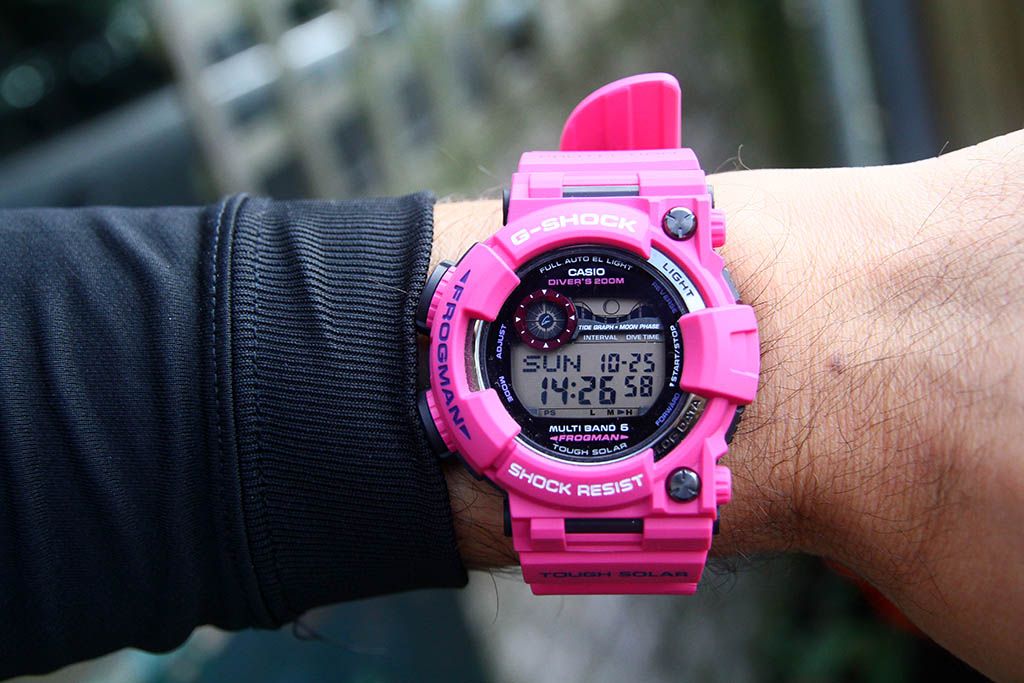
This Frogman is part of a new series of Men In Color series, a returning series of Master of G models in a specific color scheme, started with the Men In Black series in 1997. Since then, if I count correctly, Casio has released already 18 different Men In Color series, before this series in Sunrise Purple has been released. Quite an amazing color it is. I think everybody loves sunsets and sunrises. The unique colors shades of sunrise and sunset are caused by Rayleigh scattering. It’s a phenomenon caused by atmospheric particles that are smaller than the wavelength of light (roughly 380 - 780 nm). During daytime mostly blue colors are filtered out of the white sunlight, causing our blue skies. When the sun is low at the horizon, however, the distance that light travels through the atmosphere is much longer, causing a shift of the scattered light towards longer wavelengths as yellow and red. The last bits of light, seen after sunrise can sometimes turn pink or even purplish. This must have inspired the designers of Casio to make this series. It sounds nice of course, but it also could have been called Raspberry Purple, because the shade of color this series comes close to that of raspberry juice. A shade somewhere between pink and fuchsia.
The Men In Sunrise Purple series contain three models, a Mudman, a Riseman and this Frogman. The Mudmad and Riseman have both a negative display (a reversed display with white digits on a black background). In my opinion the Frogman looks the best. For me the other two models would have looked better with the same amber positive display as this Frogman.
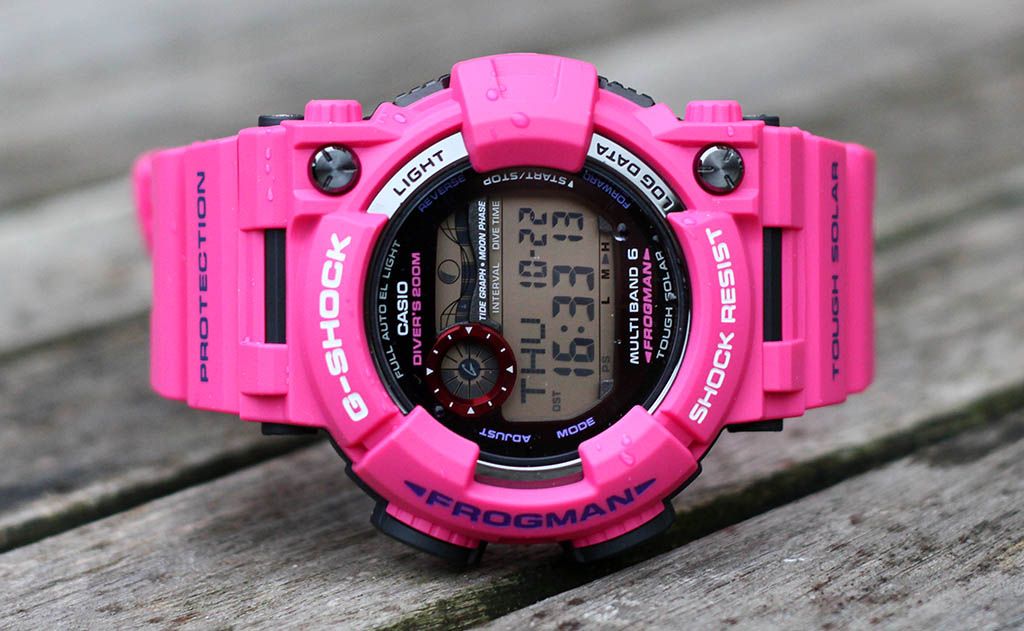
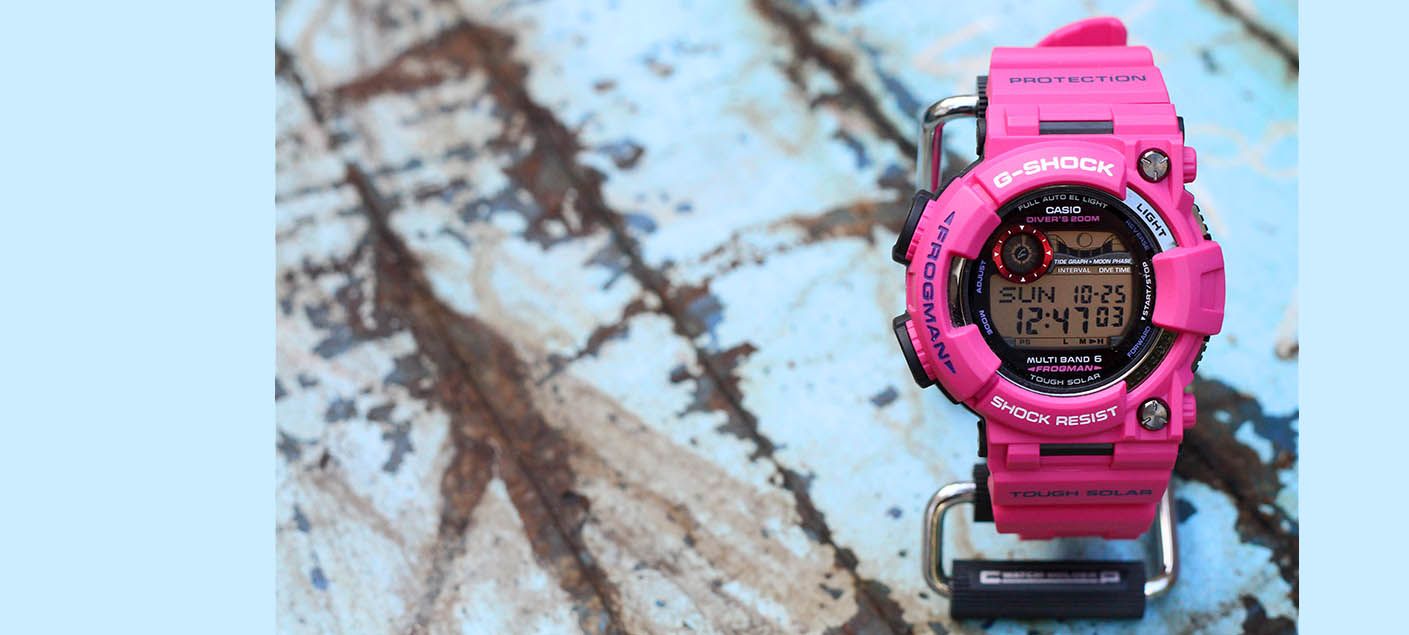
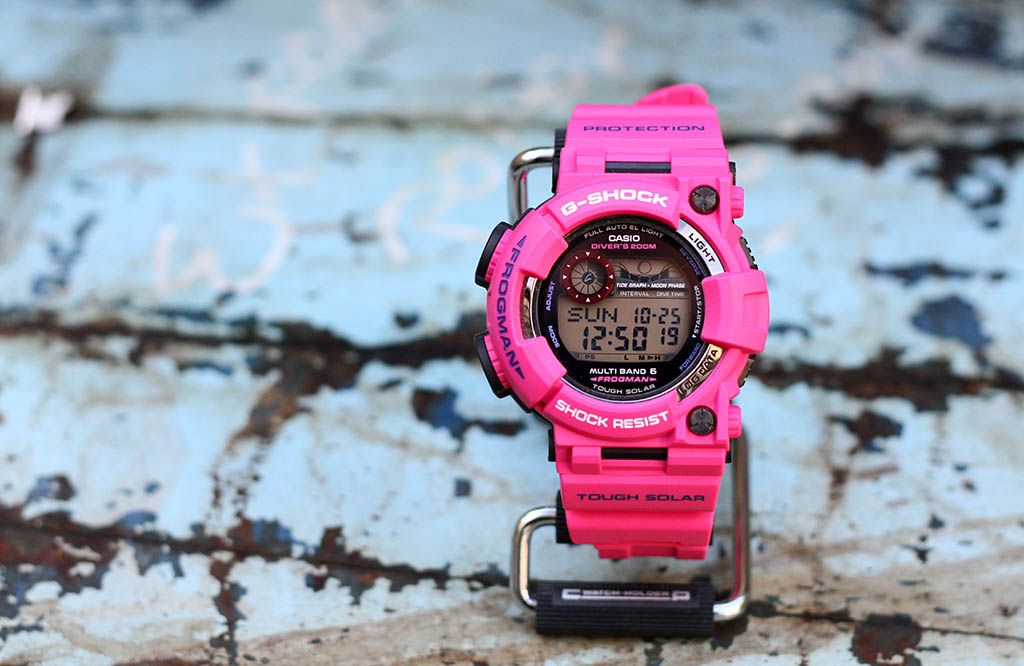
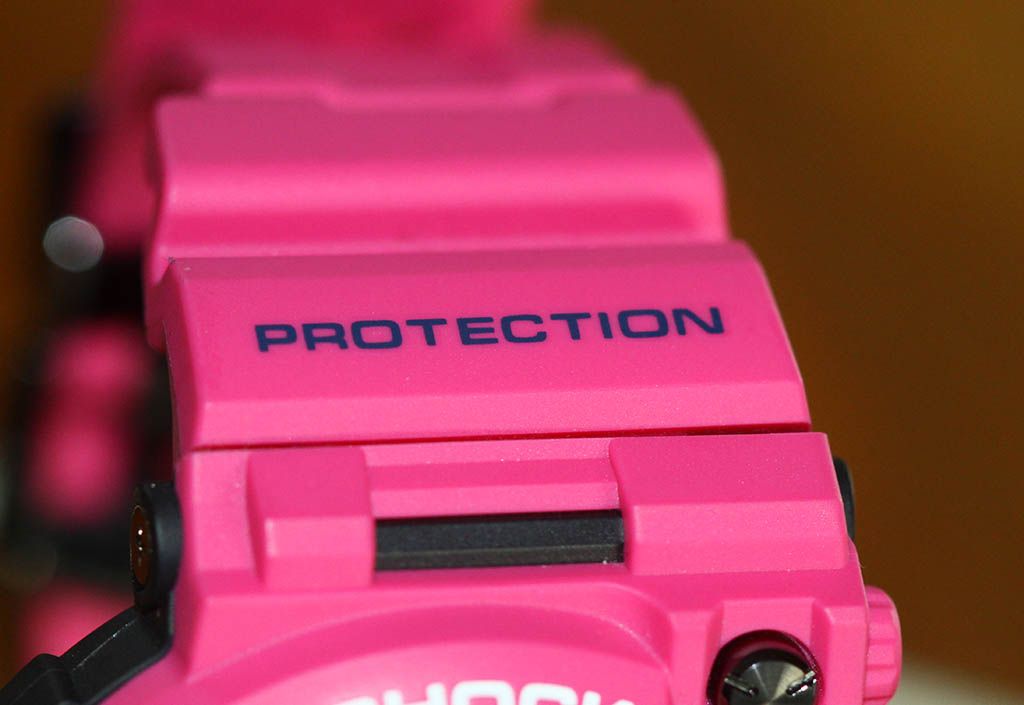
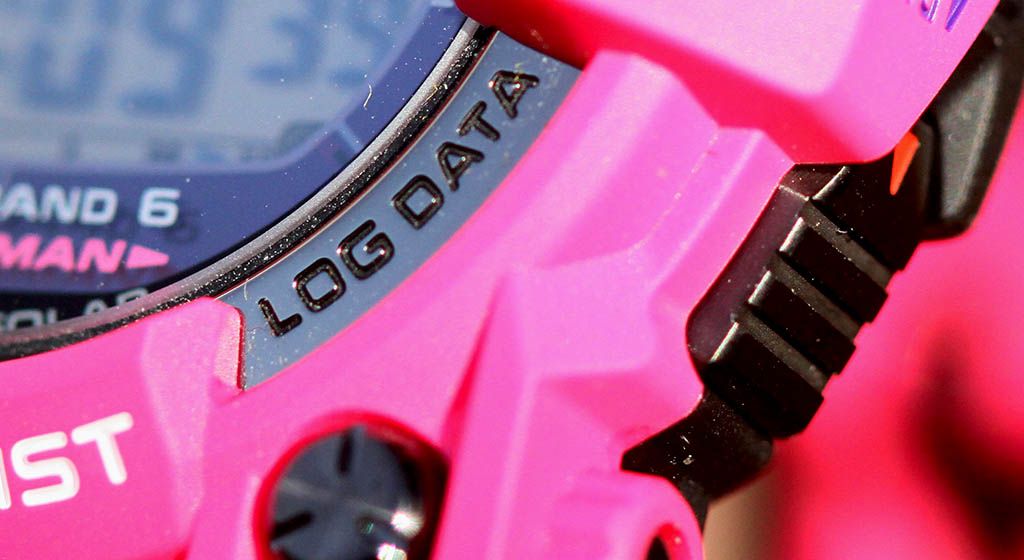
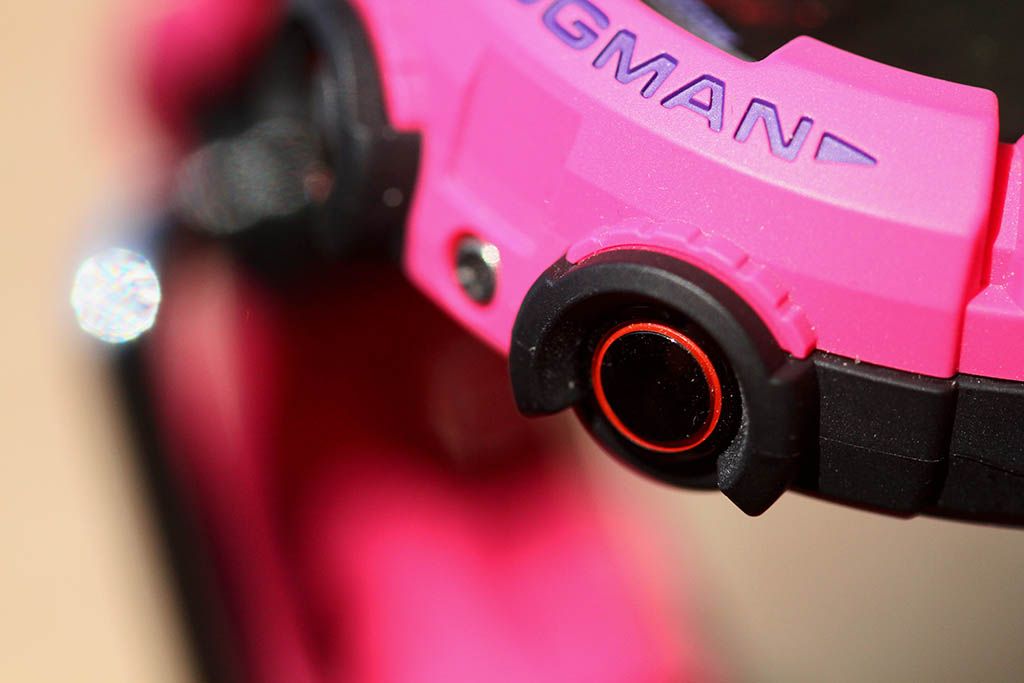
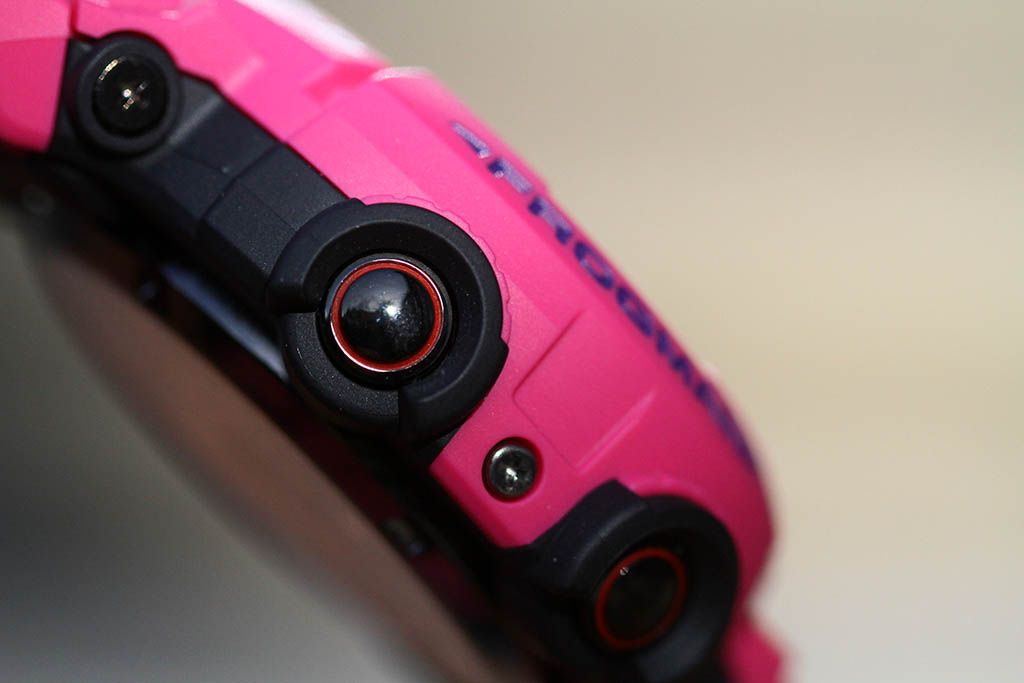
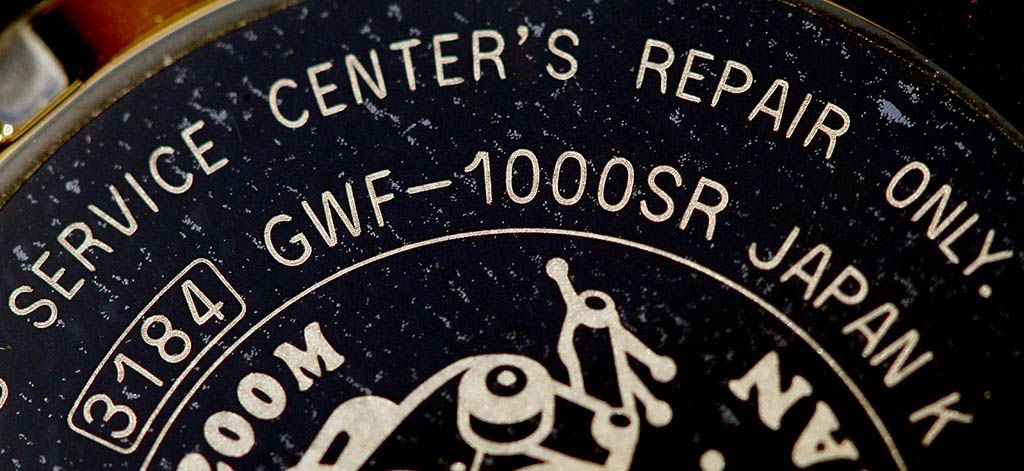
Despite of the playful color, the GFW-1000SR-4JF is quite a serious watch. The Stainless Steel case has been DLC (Diamond Like Carbon) coated, protecting the case from scratches and salty sea water. The asymmetric design makes the watch comfortable to wear (when worn left). The shape prevents the case hammering in your hand if you bend your hand suddenly towards your wrist, a thing some big watches tend to do when not asymmetrical.
height="408" width="640" />
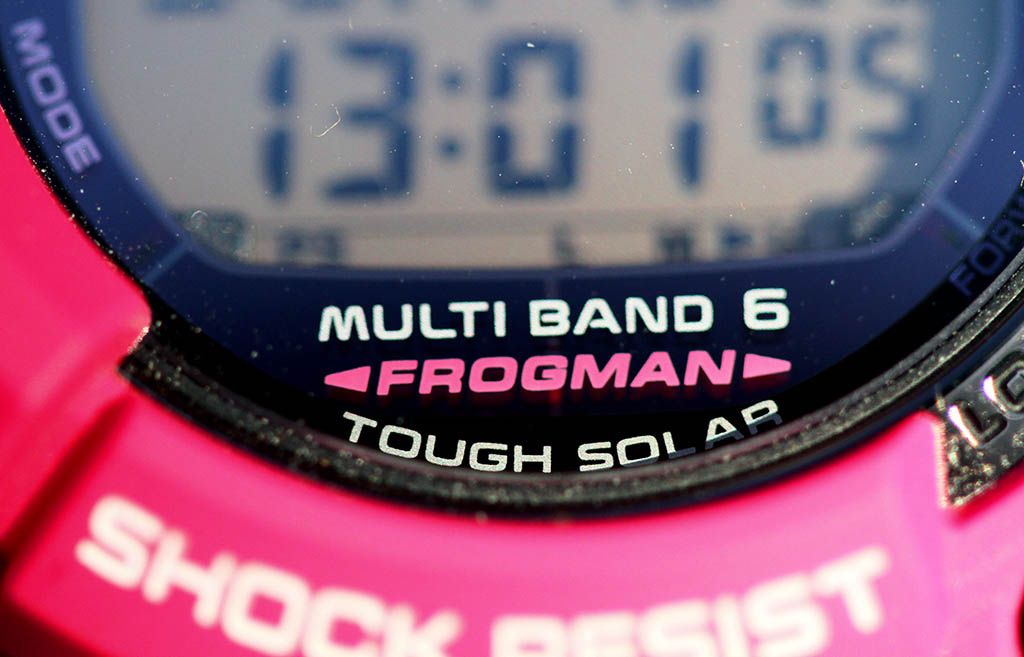
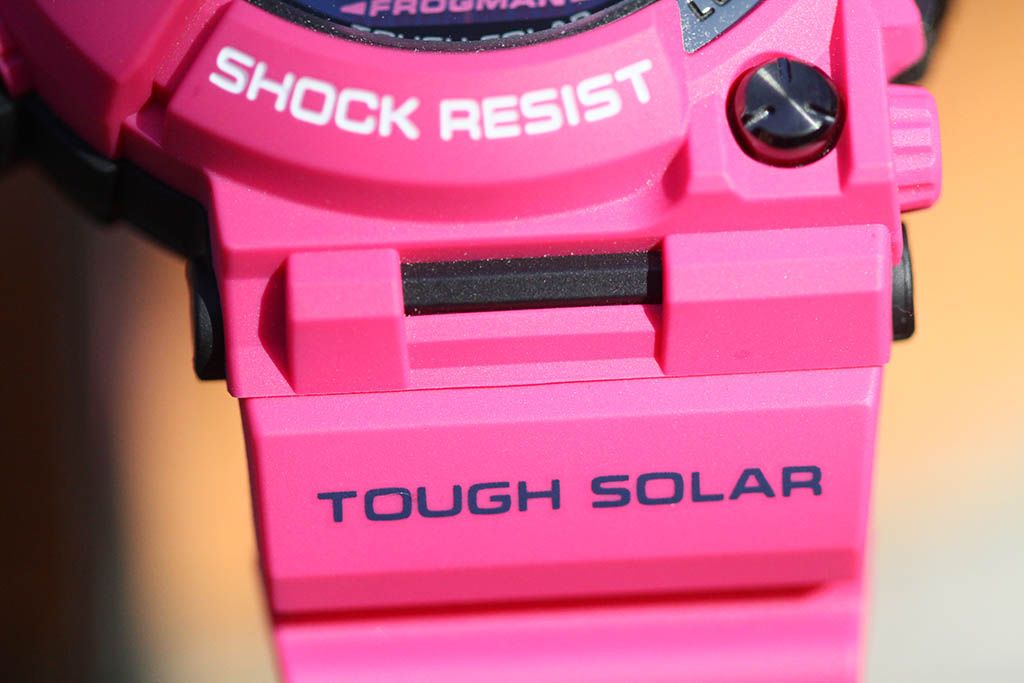
The GWF-1000SR Frogman is quite a complete watch. It is solar powered and the rechargeable battery has quite a large capacity. In large parts of the world, you don’t have to worry about the time keeping, as the watch has Multiband 6 Waveceptor function. It can receive the time signal from 2 transmitters in Europe, also 2 in Japan, one in China and one in the USA.
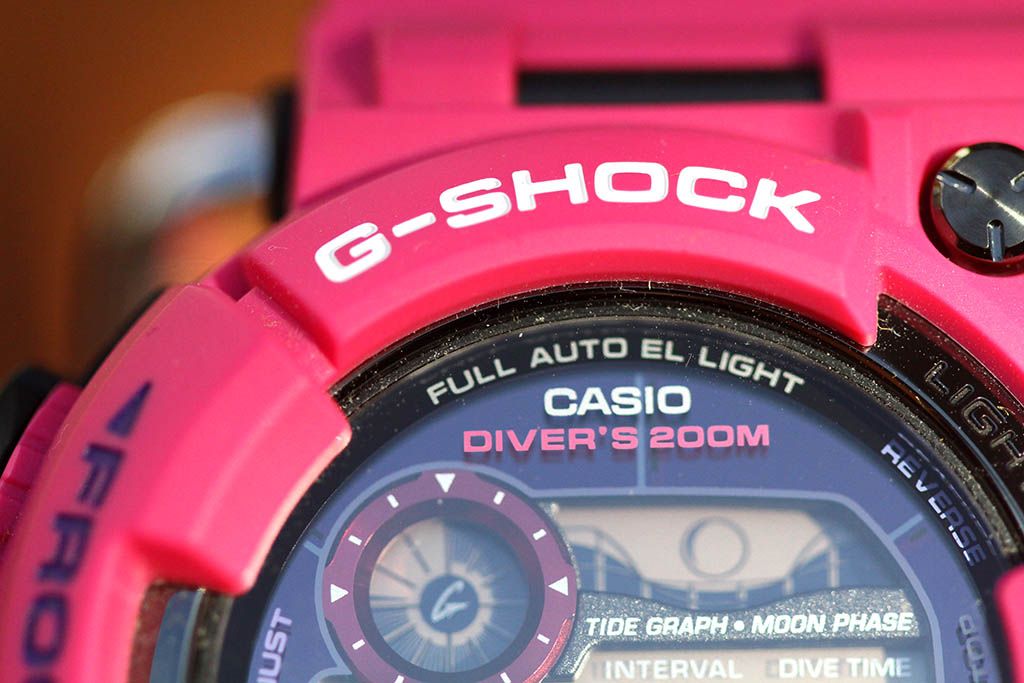
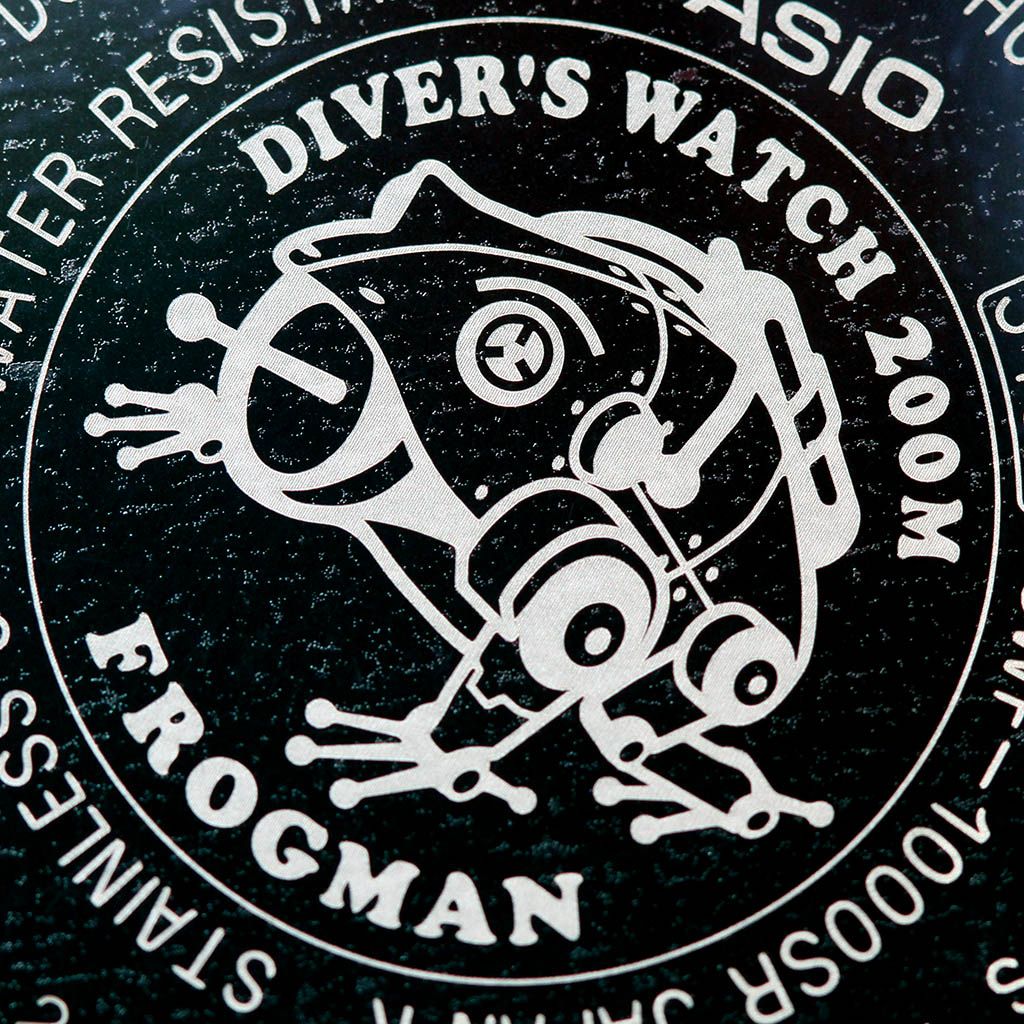
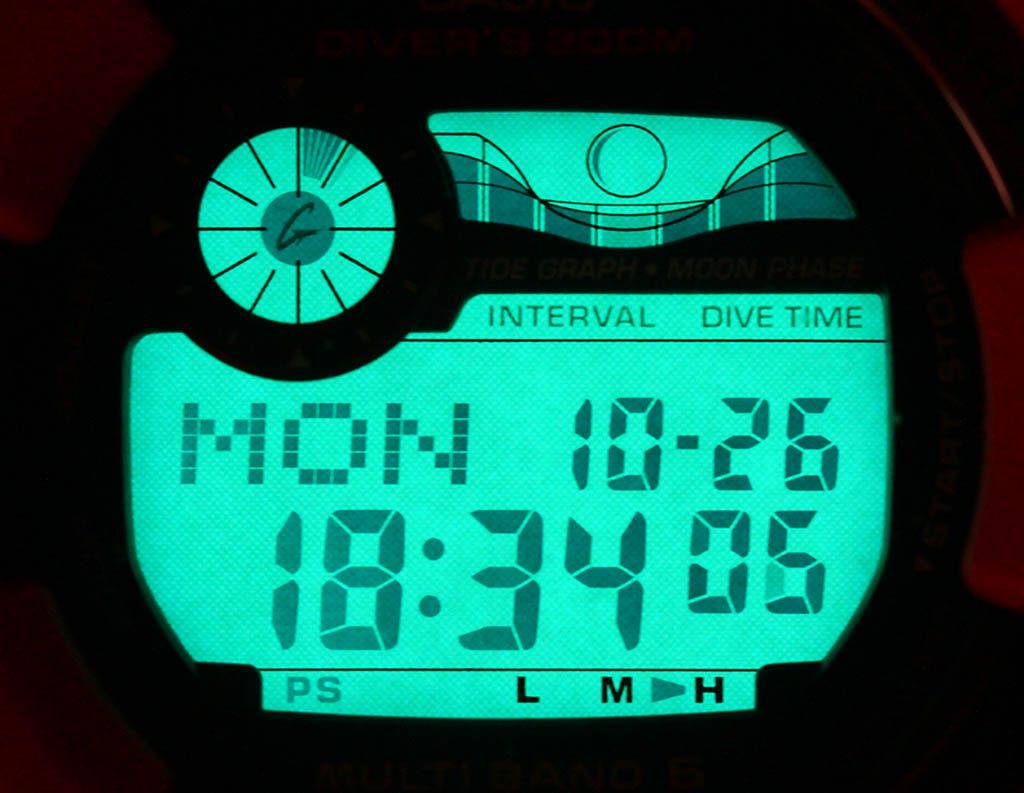
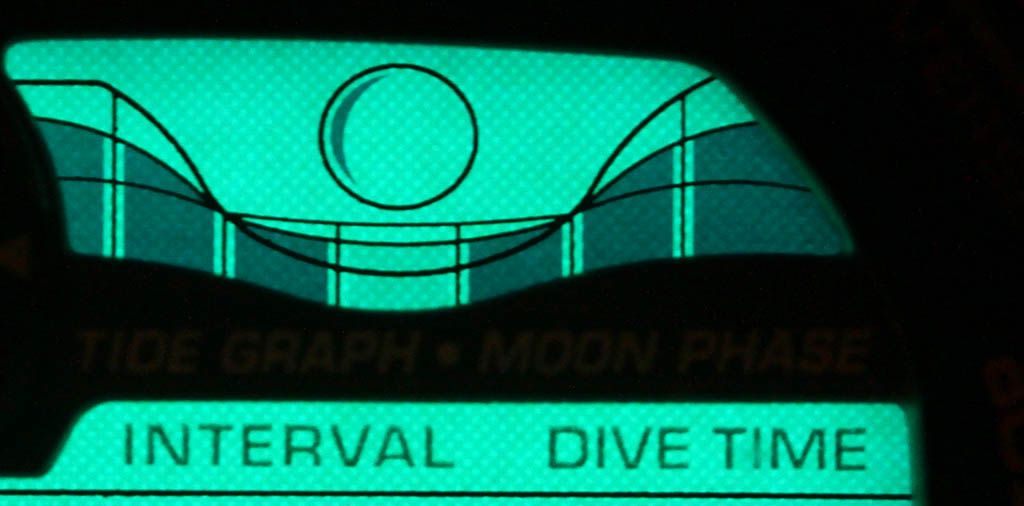
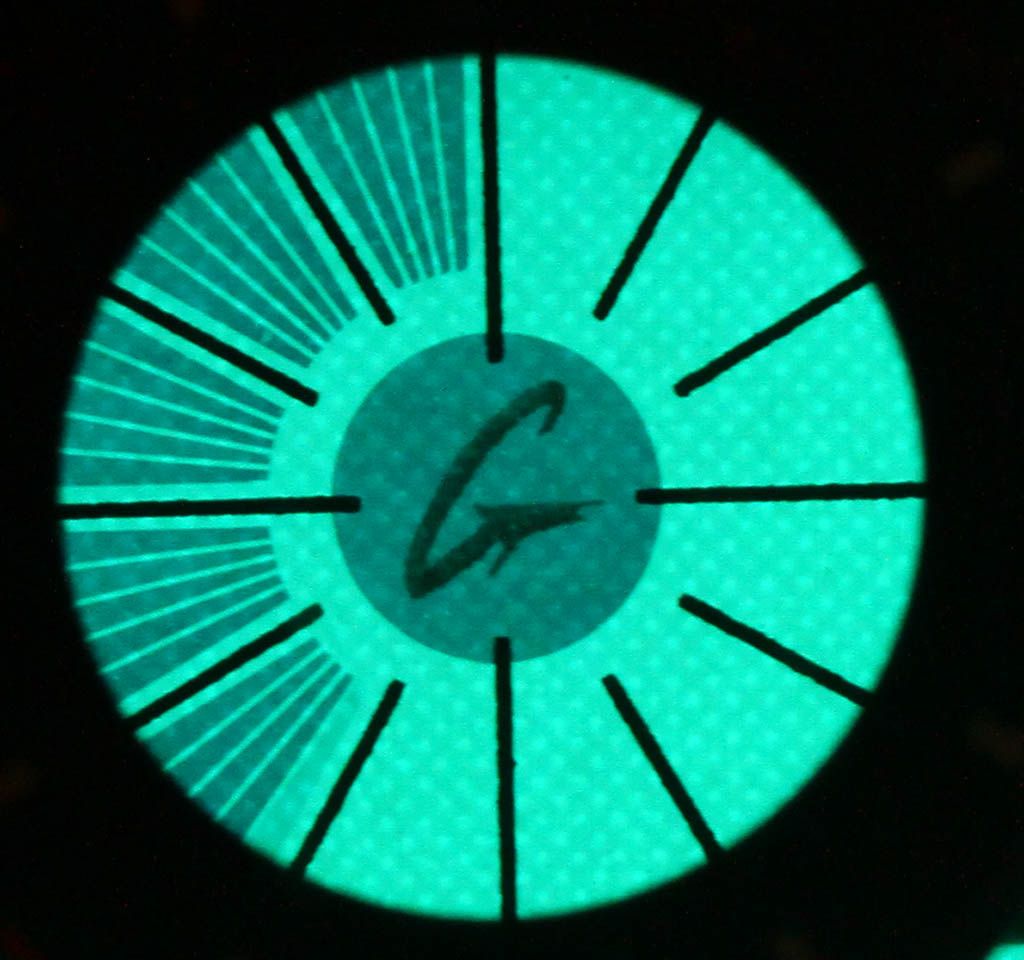
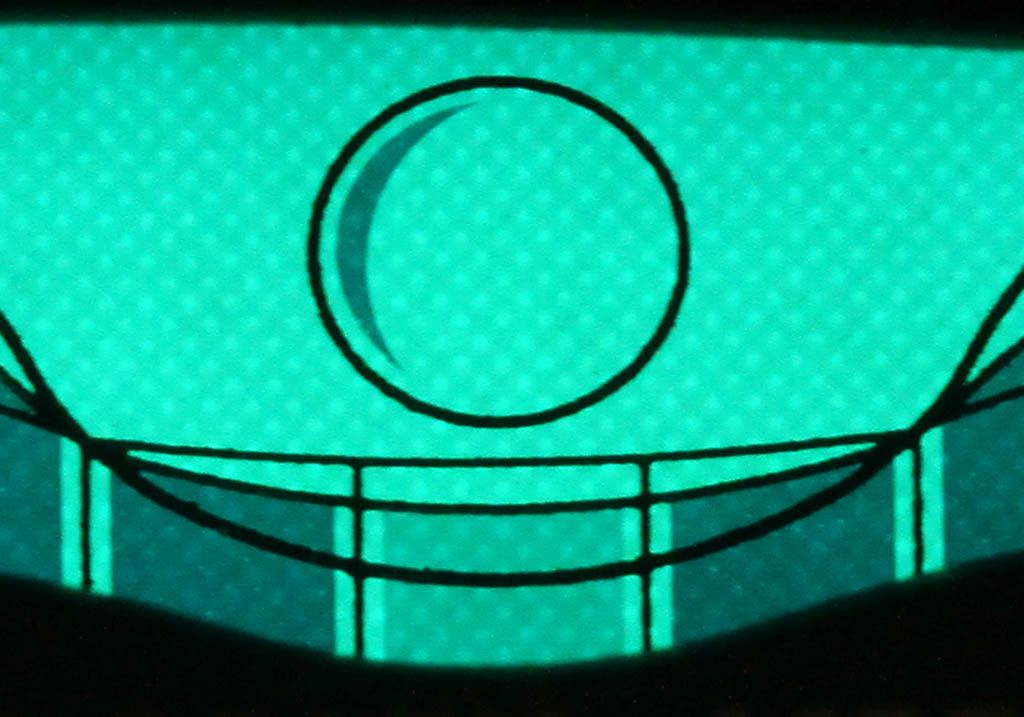
The Frogman is primary designed for diving. The Tidegraph prominently shown on the display can be a very handy feature. Also for me, living close to the sea, it is a handy instrument, even though I am not a diver. A Moon Phase indicator is also included in the display. Like all Frogman models Casio had released in the past, there is a Dive Timer on board, so you can record your diving activities. The Dive Timer can be easily accessed by press and holding the MODE button for a few seconds. A total of 10 Dive Records can be recorded.
All other functions of the watch can be reached by short pressing the MODE button. Starting from Time Keeping Mode, you first enter the Diving Log call Mode, where you can view your last 10 dive activities. The next mode you enter is the Tide and Moon Data Mode. In this mode you can view the tide and moon phase at your home location. The Tidegraph can be easily programmed, by inputting the time of the current High Tide in your location.
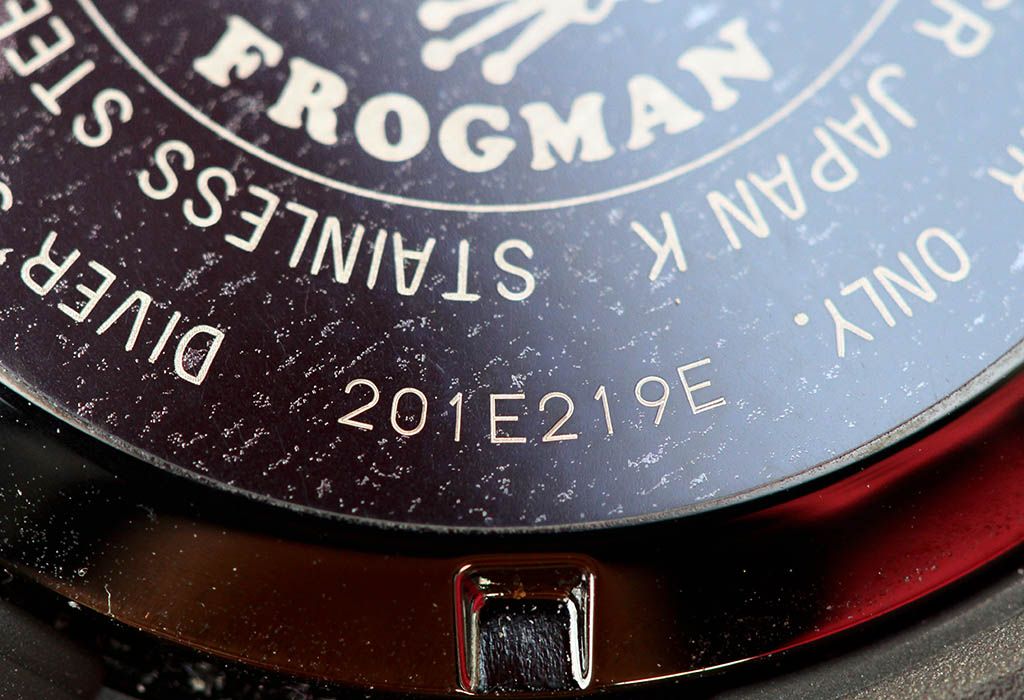
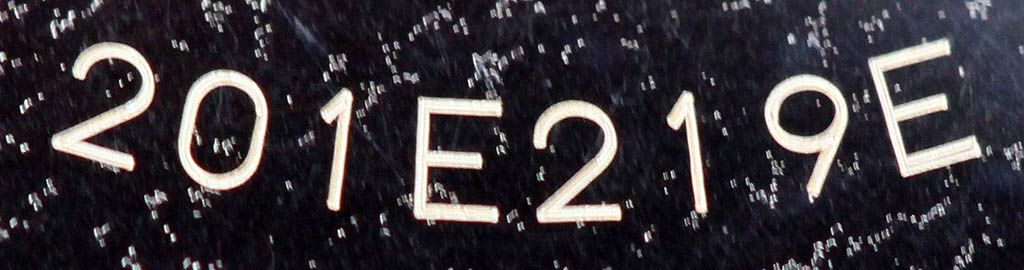
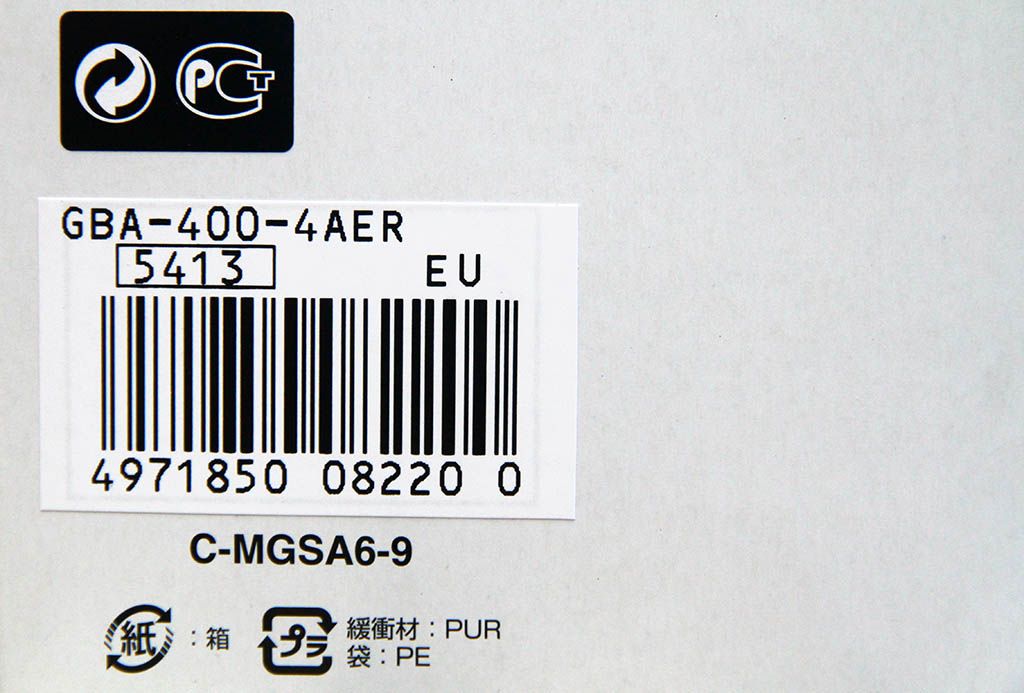
The number reads July 20th, 2015. The 201st day of a year ending with a 5 (E is the 5th letter of the alphabeth)
The last four modes are pretty usual modes for modern G-Shocks. First is the World Time Mode with pre-programmed time of 48 cities in 31 time zones. I’m pretty happy that Casio not only pre-programs a few popular dive spots (or popular whale observation spots) in their Frogman models, but now cover about every time zone in the world. Next is the Alarm Mode with 4 regular alarms, a Snooze Alarm and of course the Hourly Time Signal. The last two modes are Stopwatch Mode and the Countdown Timer Mode, which both have a maximum capacity of 24 hours, which is in almost all cases more than enough. Frankly those are my most used Modes of G-Shocks in my daily life, besides Time Keeping Mode.
I normally love the button beep, but in some cases you don’t want to make any noise. It is possible to turn off the button tone in the Adjustment Mode. Also you can choose between a backlight illumination of 1.5 or 3 seconds.
The pinkish purple color might not be suitable for everyone, although I think this model will be quite popular in East Asia and Japan. I'm half Indonesian myself, and I think red, purple and pink colors suit me very well. When it was released, the first wave of this model was not easy to find in the shops. Luckily my friend Yupadee in Tokyo, found one in a shop for me, and another one for a good friend of me in Thailand. Quite a lot of people want to make fast money by buying the regular models in the shops and sell it for quite a high price on Yahoo Japan nowadays. I paid retail, ¥77000 plus tax and shipping, which is quite a price for a G-Shock, but not for a GWF-1000 Frogman. I tried to find the production notes, but I couldn’t find it. Somehow I think this model will be available for some time and the price might drop, like happened to the Burning Red model. However, the G-Shock market has changed a lot the past 5 years and the demand for this model might remain higher than the supply. Predicting prices of limited edition G-Shocks becomes quite harder nowadays. Although I can easily wear this watch, I love this color, I think also women will love this big watch, specially in East Asia. I learned from Casio this model will soon be limited available in the US too. This might also be a sign this watch will be produced for a longer period of time, usually about 3000 to 5000 pieces per month. For the Men In Sunrise Purple series, I think this model will be much more popular than the other two models, because of the display. I’ve got nothing against negative displays, but I think it match better with less bright and dark colors.
Many G-Shocks have an Auto-Illuminator or Full Auto-Illuminator on board. Sometimes it's called Auto-Light or Auto-EL. As far as I know the first Auto-Illuminator was introduced on the Extreme DW-003XS and DW-9000XS models (sold overseas as G-Lide) in April 1997. The Full Auto-Illuminator, which only switches the backlight on in dark surroundings, was introduced on the Raysman in 1998. Have you Ever wondered how the Auto-illuminator switch of your G-Shock works? I think I posted the answer probably more than 10 years ago on the G-Shock Forum (often nicknamed F17). Maybe an idea to bring up the subject again.
The light switch on the drawing board. A + B are the connections to contacts C are the contacts at the top of the slope D is the plastic housing with the slope. E is the little ball. 1 is the position in rest, 2 is the position when tilted.
Actually the switch is pretty simple. Inside a plastic housing there is a small steel ball, located down a slope. This ball can freely roll over the slope. When you twist your wrist towards you, while your arm is hold roughly parallel to the ground, the ball rolls over to the top of the slope. At the top of the slope there are two contacts. When the ball is at the top of the slope, it connects the contacts, so the electric circuit is closed. The light will turn on.
Of course I couldn't resist to build a working model and to make a short movie to demonstrate how it works.
After a long abscence, Casio released 4 new G’Mix models in August 2014. Like the X-Treme series, the G’Mix series were not released outside Japan under the same name. Outside Japan the G’Mix models were known as Tough Label models. While Casio abandoned the name X-Treme in favor for the internationally known G-Lide name, they choose now, after 14 years, the Japanese G’Mix series to continue internationally, in favor of the Tough Label name. I think Casio did a good thing in both cases. While for surfing, snowboarding and skateboarding the name G-Lide and the board like logo matches much better than X-Treme, G’Mix much better matches the music theme, than Tough Label. Tough Label was always a name which I never really knew how to relate it with music (Run DMC - Tougher than Leather?).
The G’Mix series were first released in November 1997 with a G-Cool GT-003TH and a DW-003HH model in several color variants. The relation with music and clubbing was pretty clear. These models had both a BPM counter on board. A pretty nifty gadget for DJs, though the accuracy of +/- 5 BPM is not really pretty good. The DW-003 with BPM counter was released overseas as the first Tough Label model. Actually my second G-Shock I ever bought was such a DW-003.
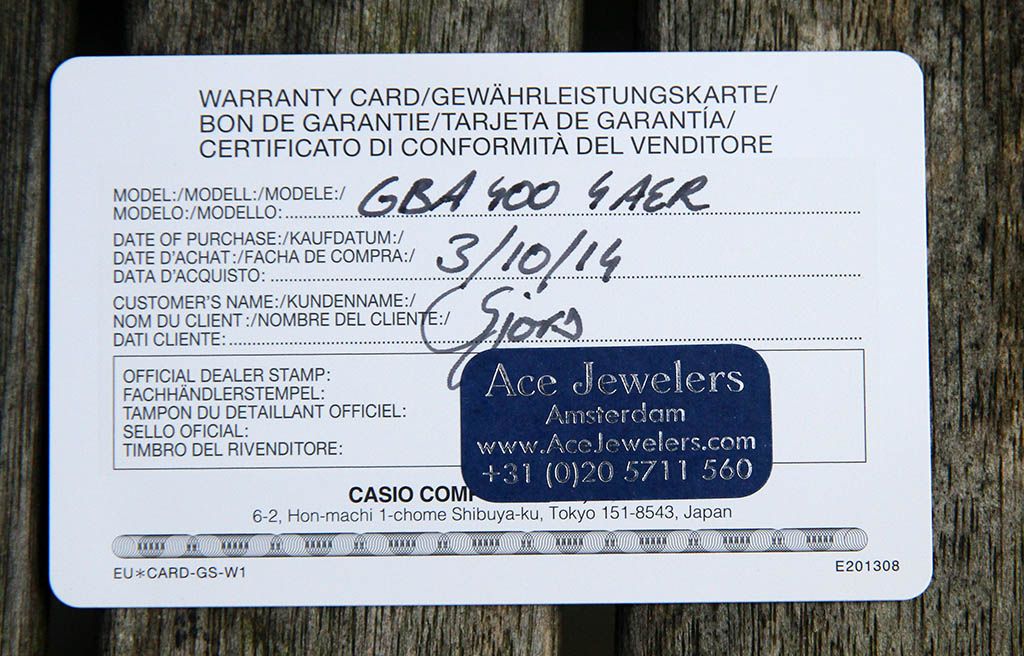
Even on my warranty card, the name "Sjors" is enough :-)
The last models of the G’Mix series before this new G’Mix were 6 models, where 2 models represented rock music, 2 models R&B and two models Reggae. Although they are cataloged as G’Mix models, you won’t find the series name on the watch. You might discuss if these models were really the last G’Mix models. The last model with the G’Mix logo clearly on it was released in November 2010 (GM-100D).
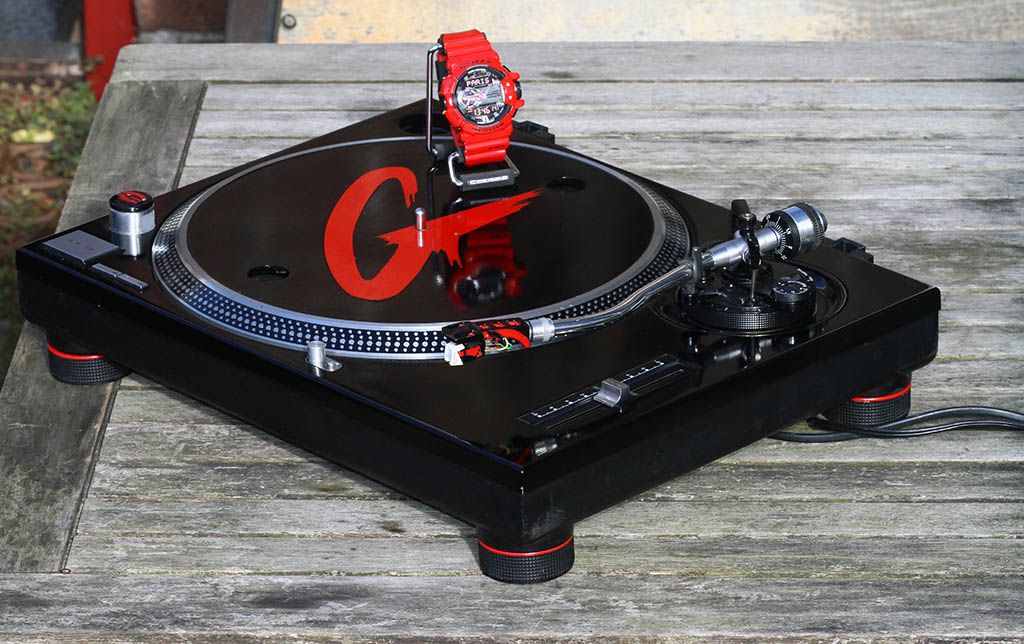
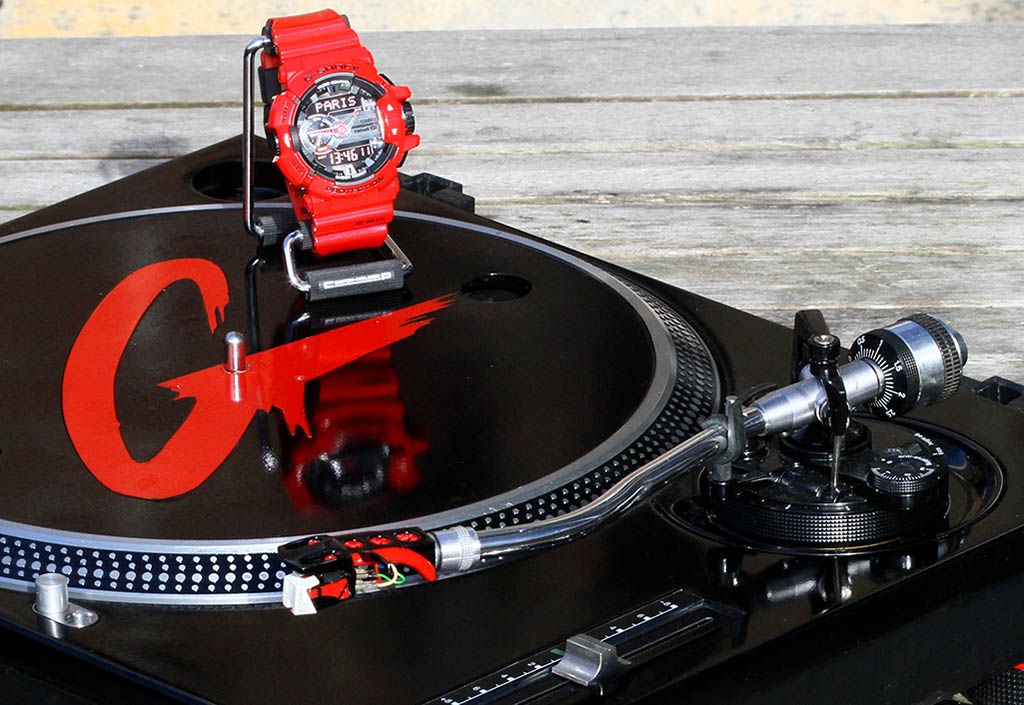
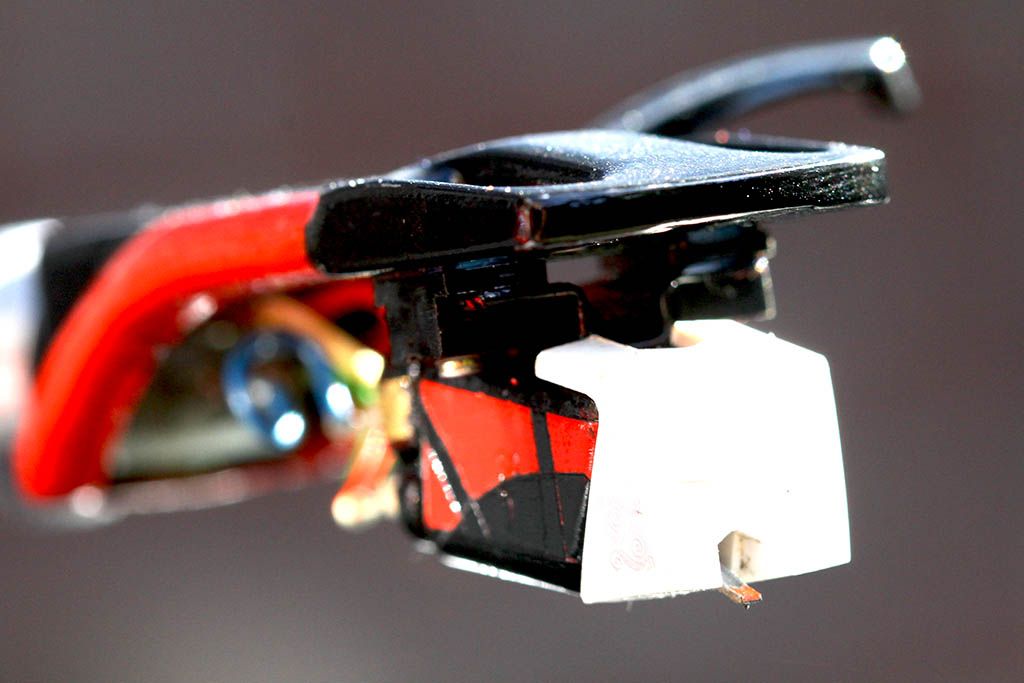
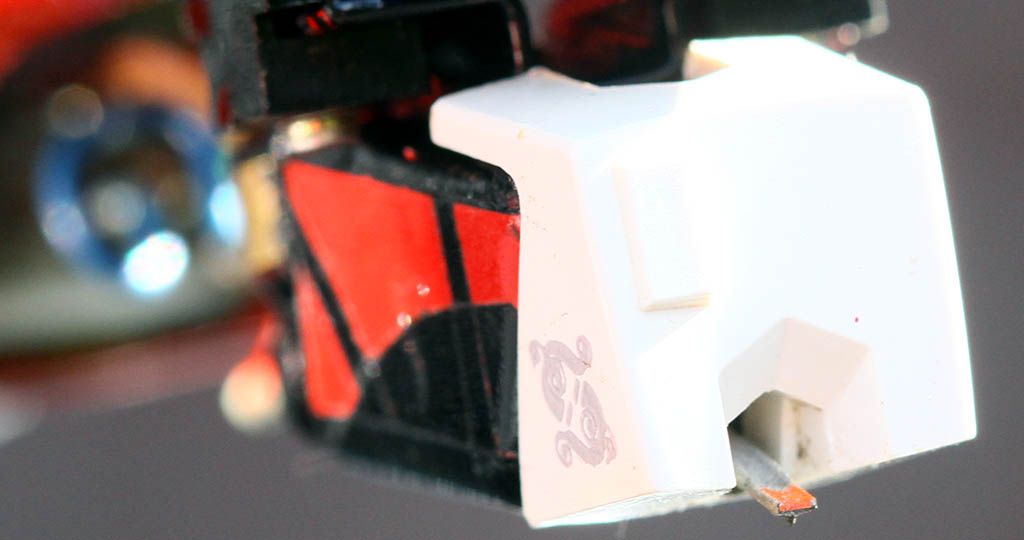
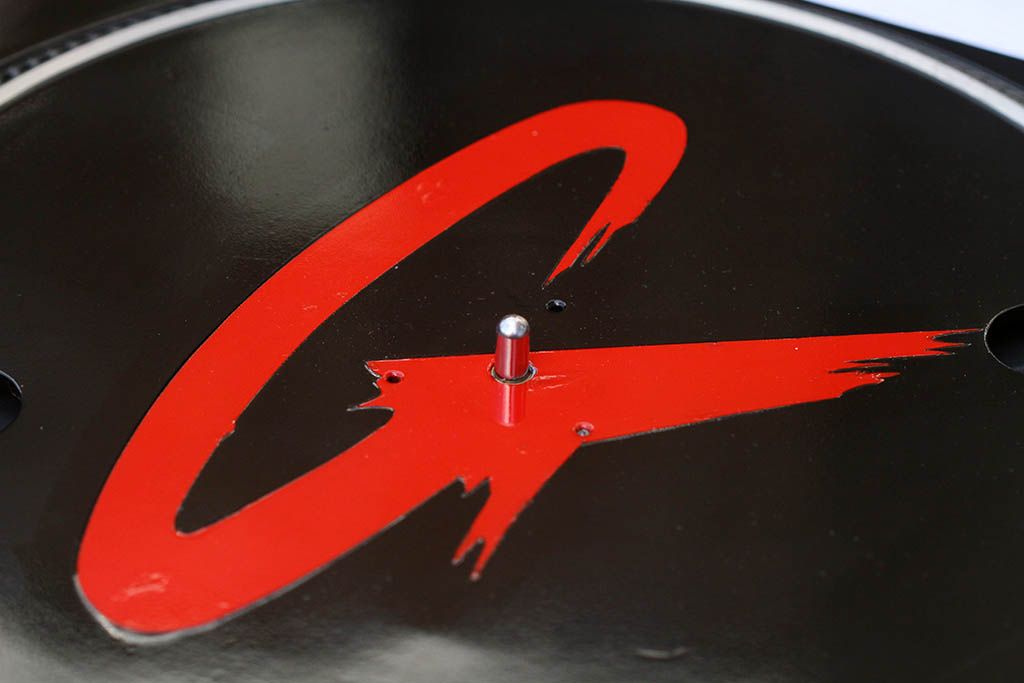
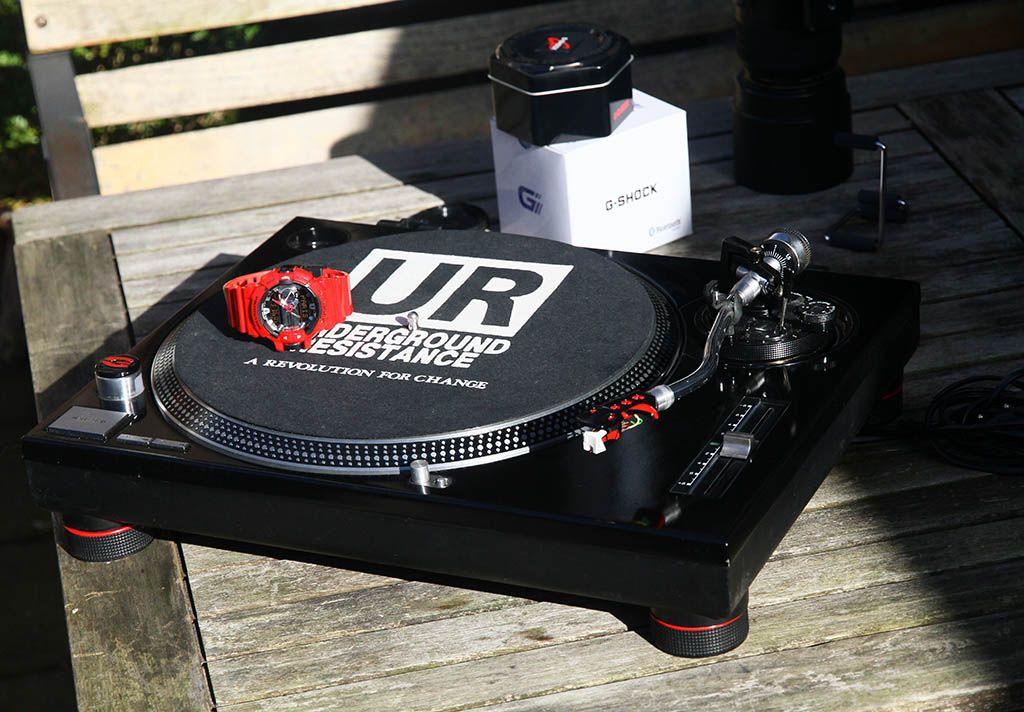
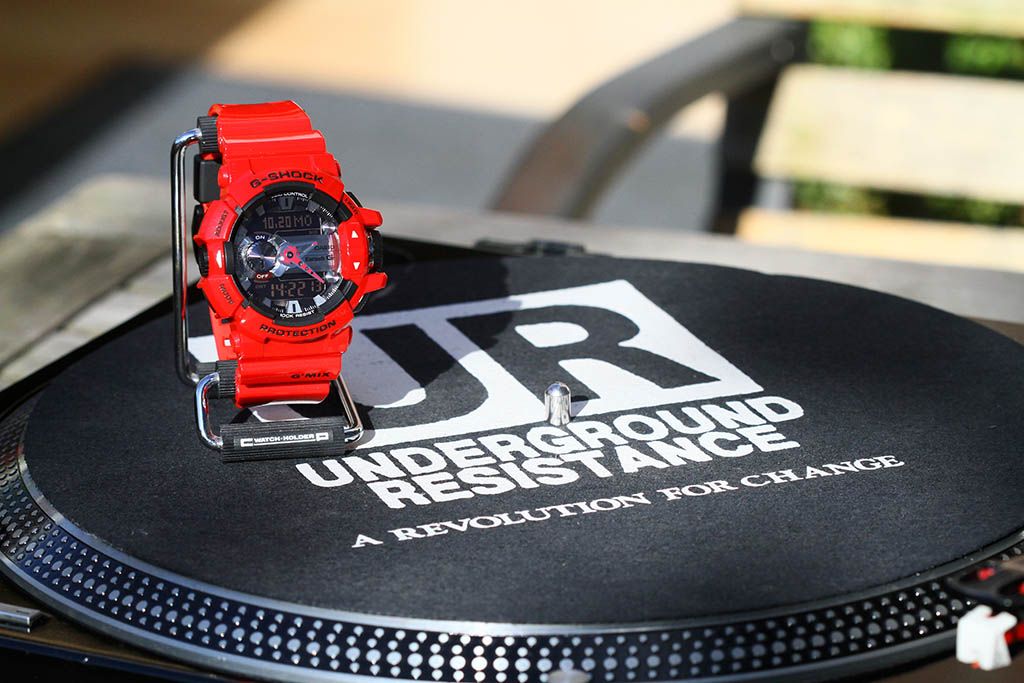
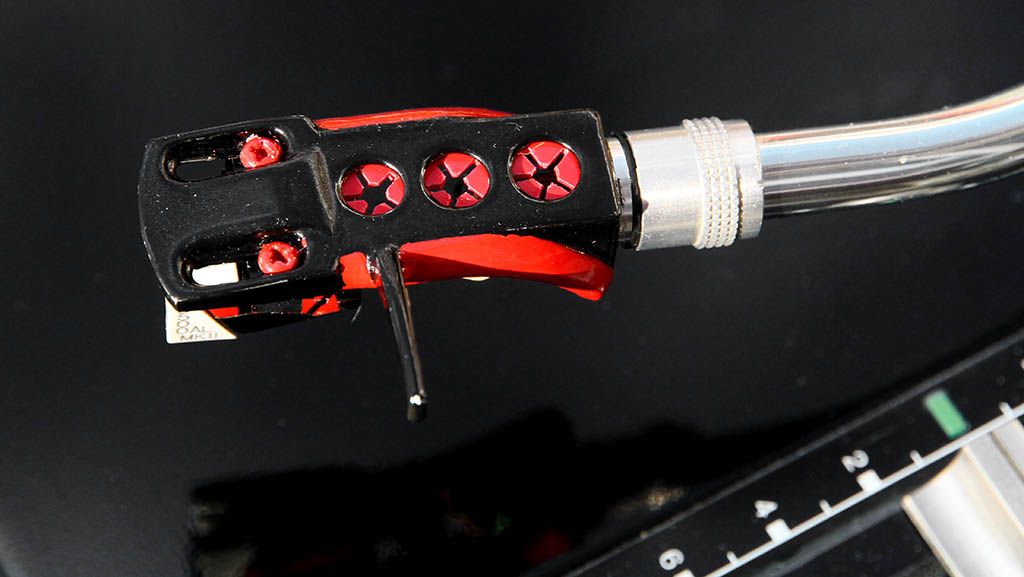
Sorry, I somehow felt I had the need to spam some photo's of my beloved Technics SL1210mkII with a vintage Stanton AL-500 II needle.
As a former DJ and musician, I always was strongly attracted to the G’Mix and Tough Label models. Specially the models with a BPM Counter with an accuracy of +/- 1 BPM. It appeared to be pretty handy for syncing sample loops. Remember around 2000, it wasn’t quite usual to make music with virtual instruments, yet. We had several hardware samplers in our studio and sometimes I had really fun with filtering and editing crazy funky disco loops ("Filter Disco"). Also the DW-003C/DW-003H models with the Graphic Analyzer animation and the DW-9500HH with the funny partially pre-programmed timer (great for recording with compact cassettes) were models I could not get enough from. I think you can imagine that I quite missed the G’Mix and Tough Label models in the past years.
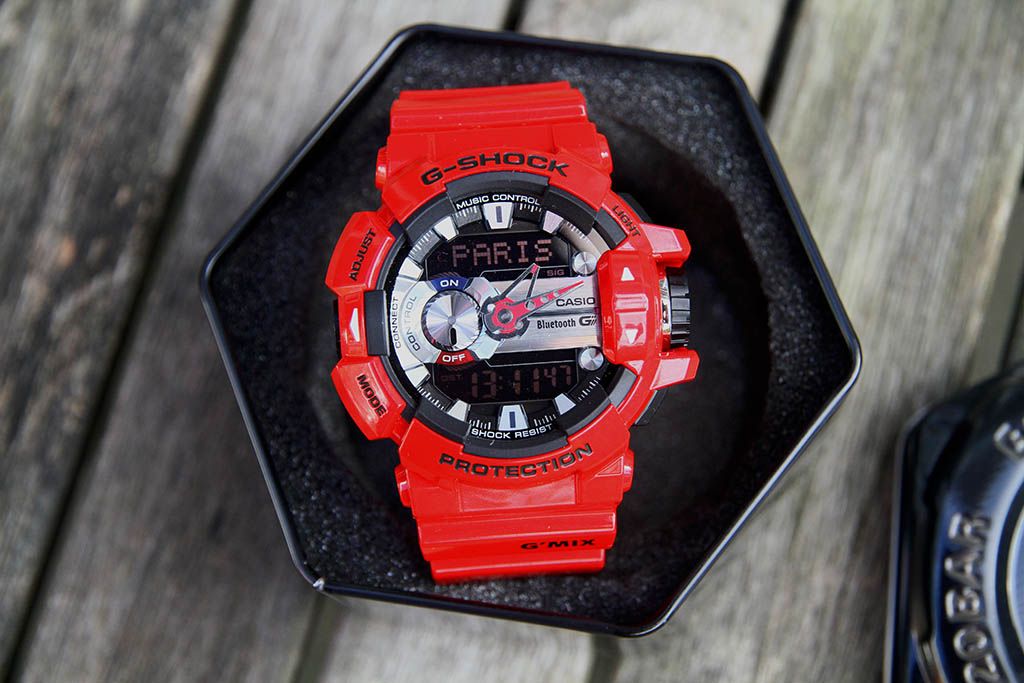
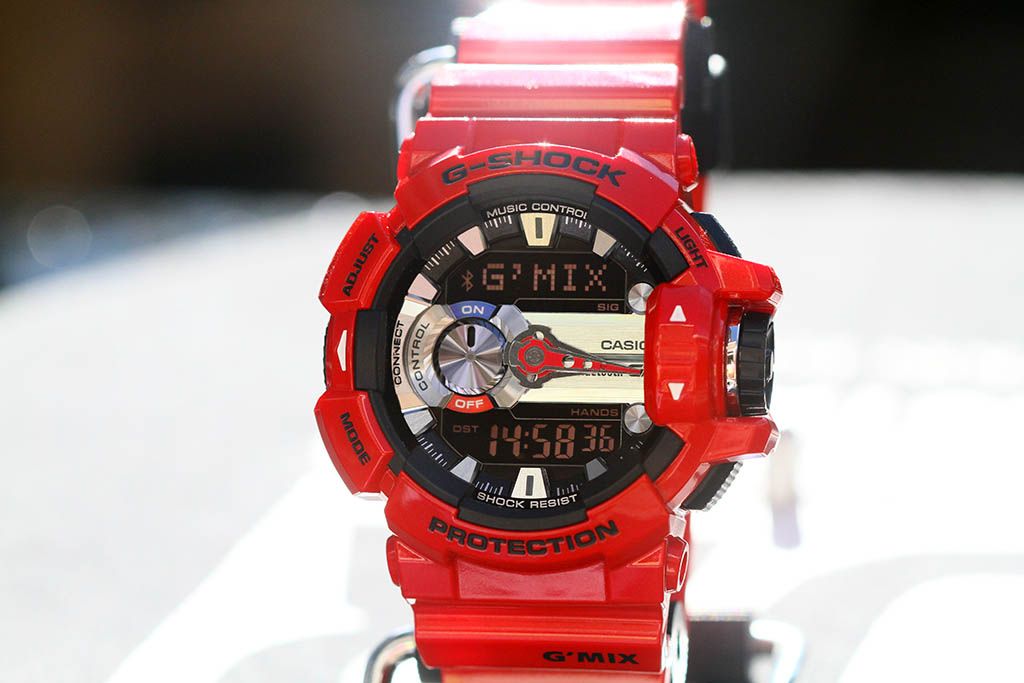
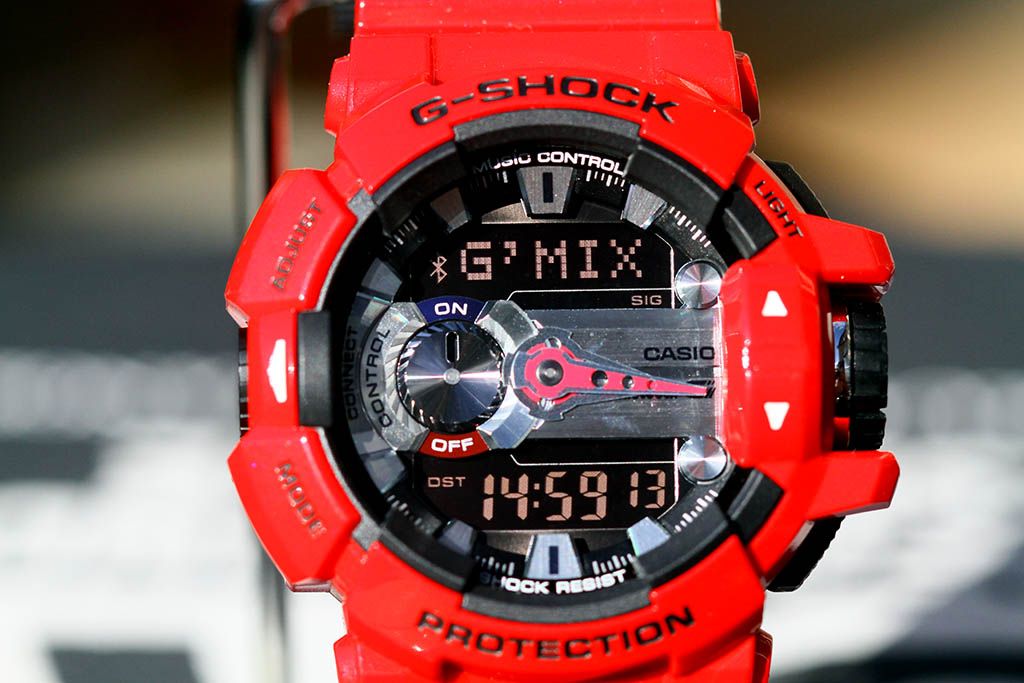
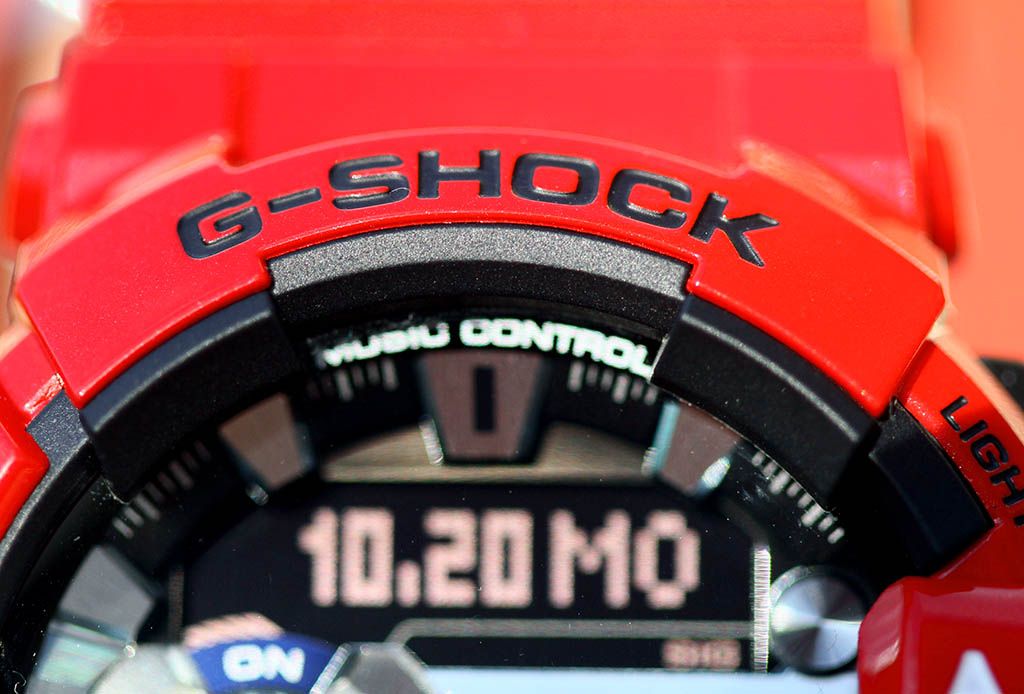
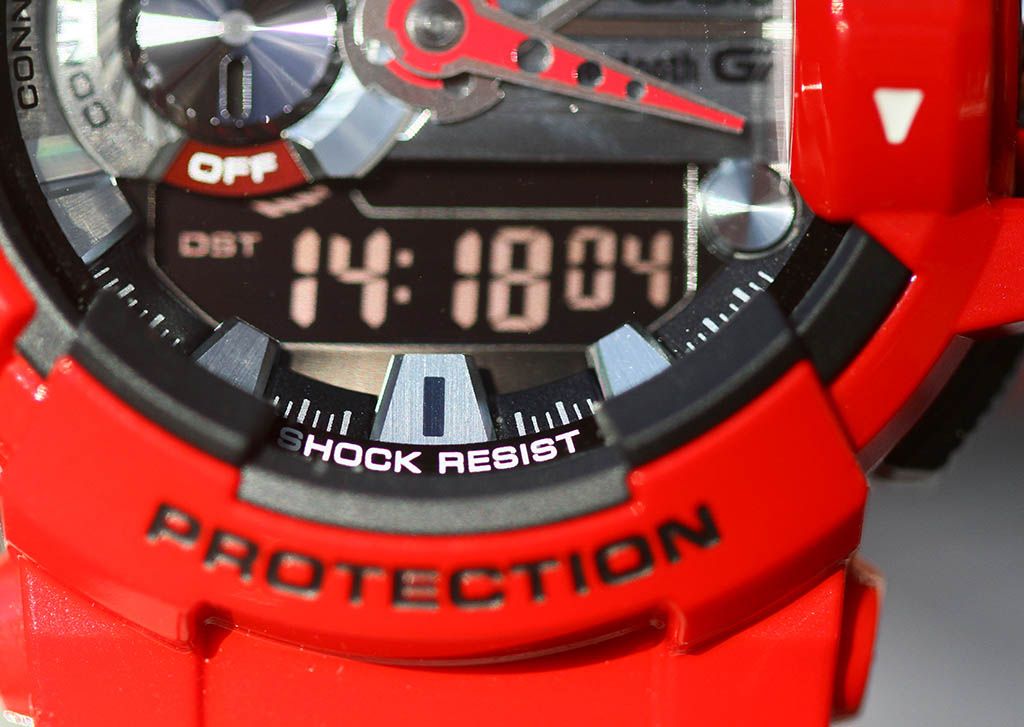
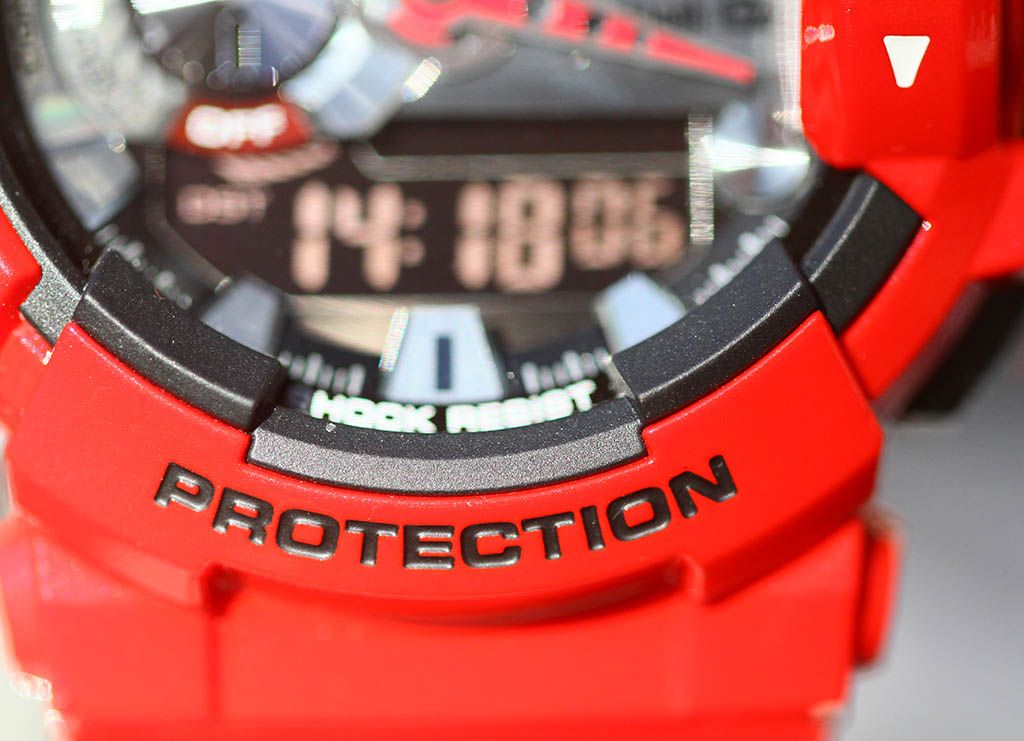
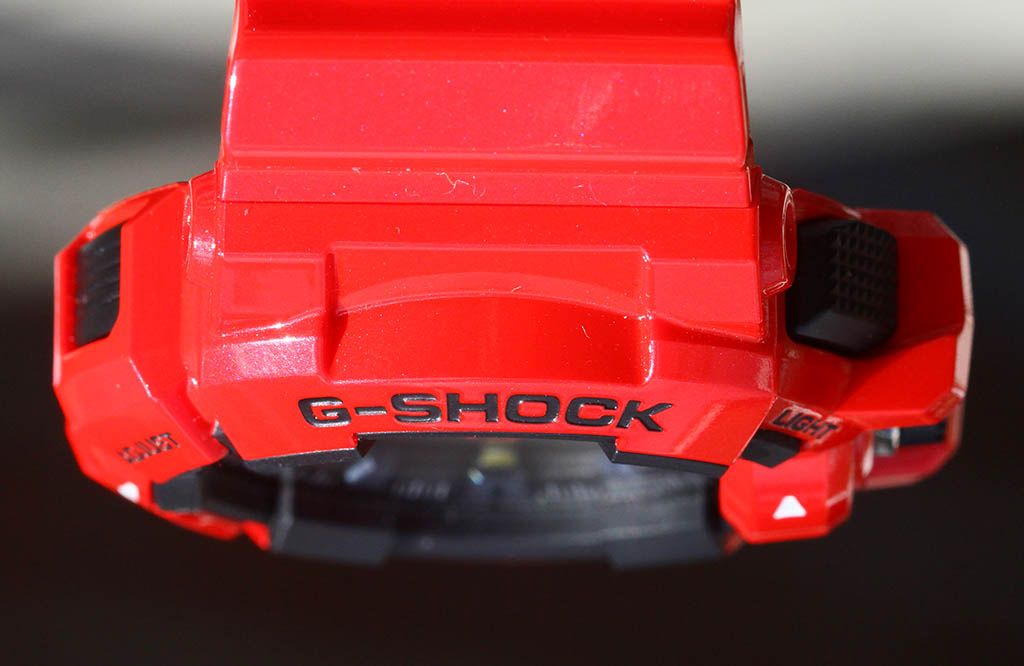
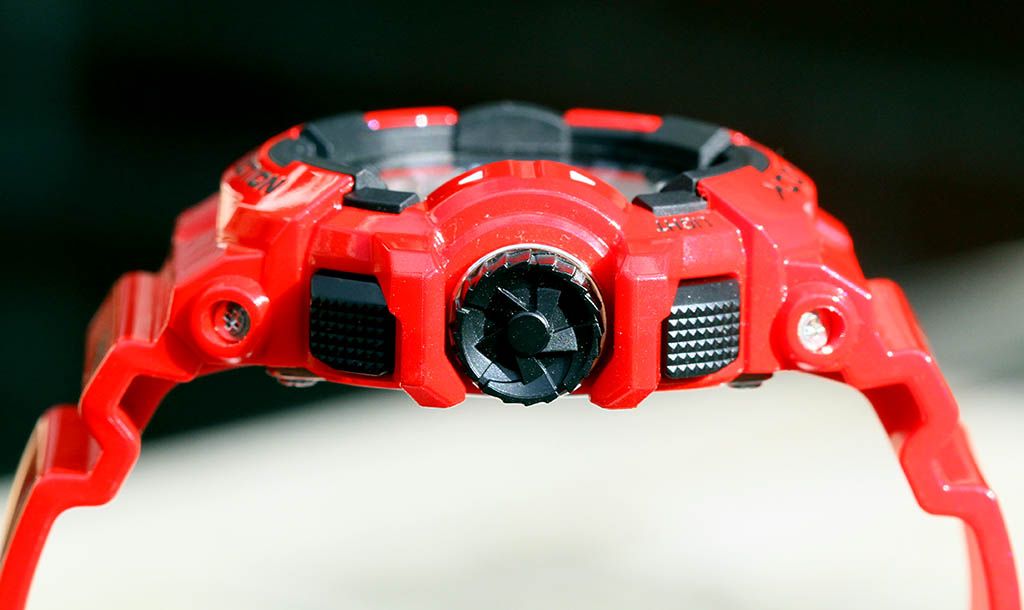
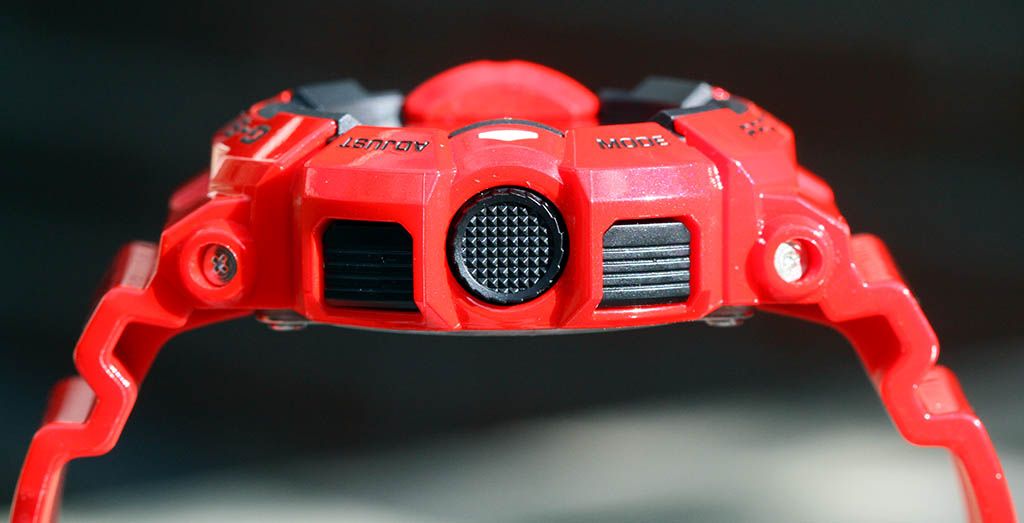
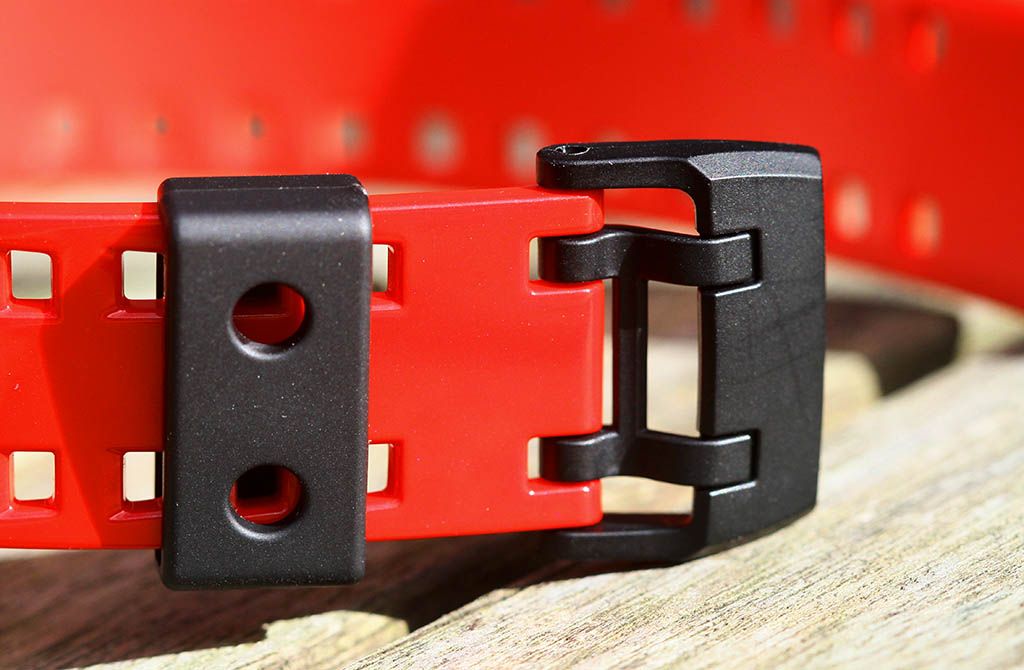
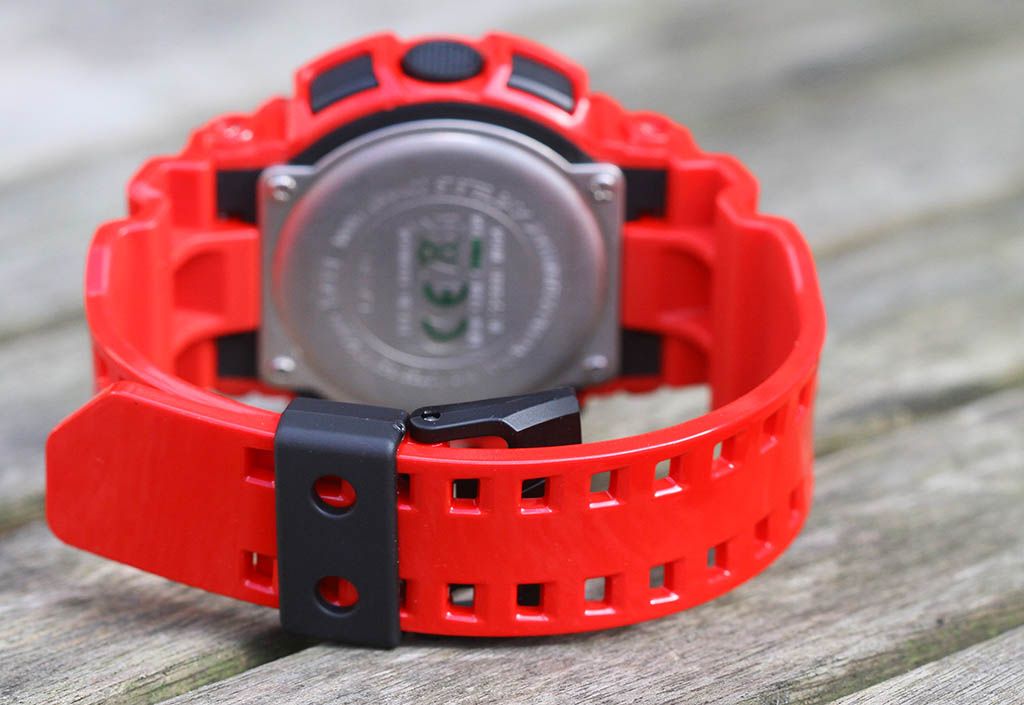
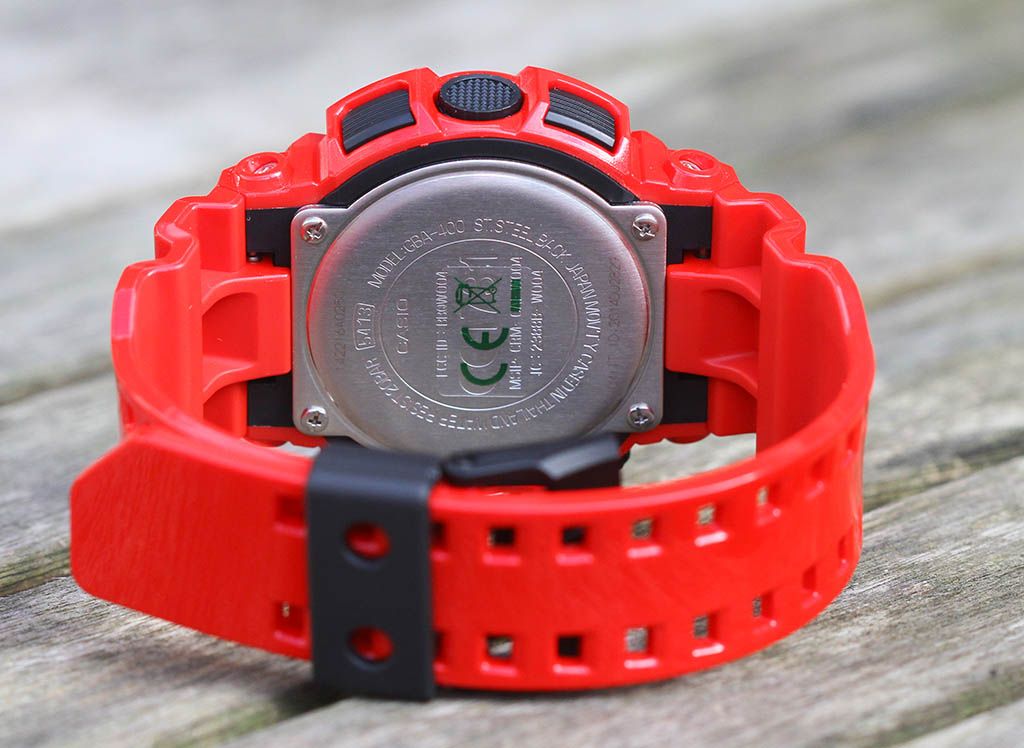
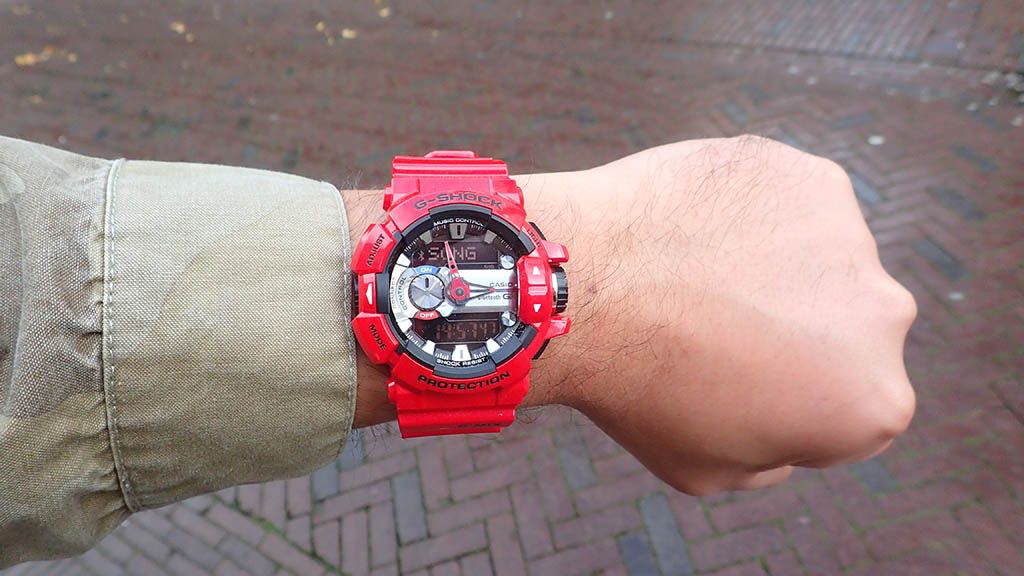
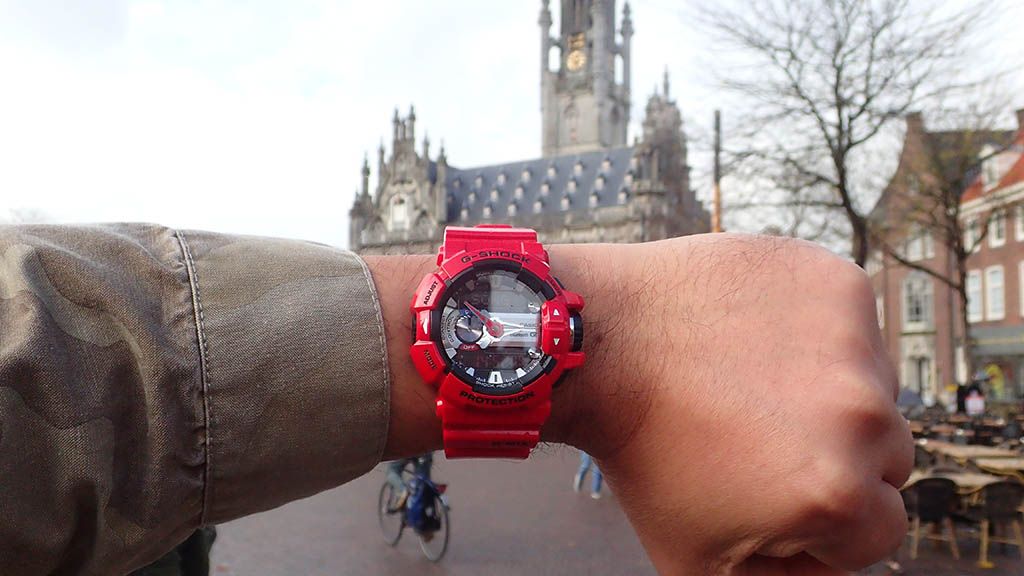
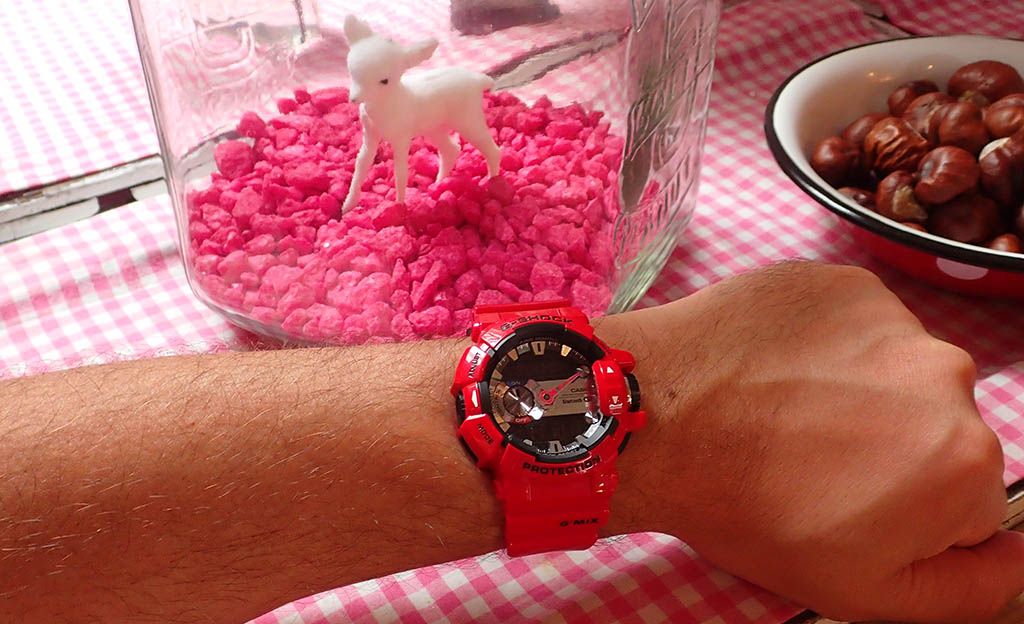
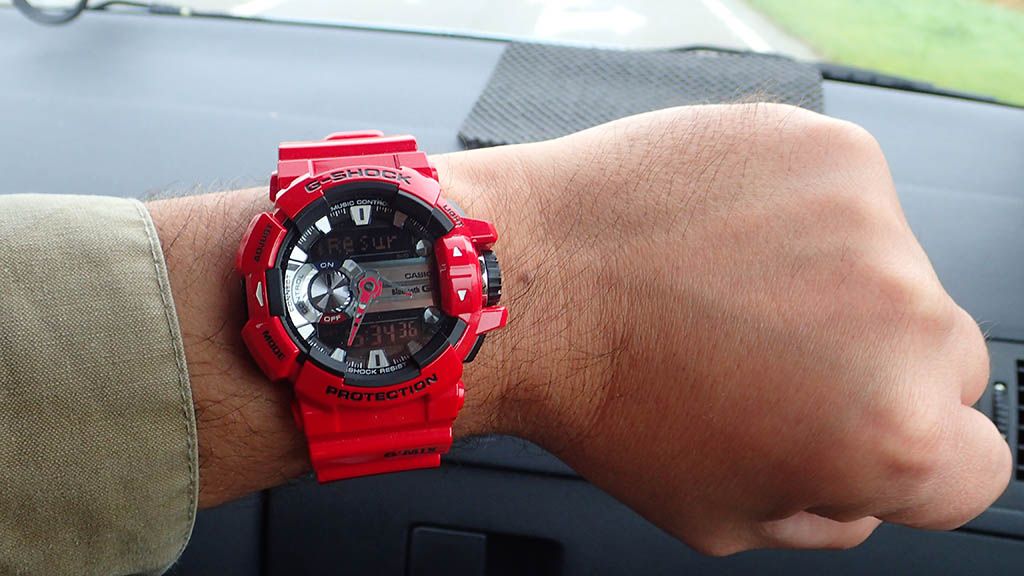
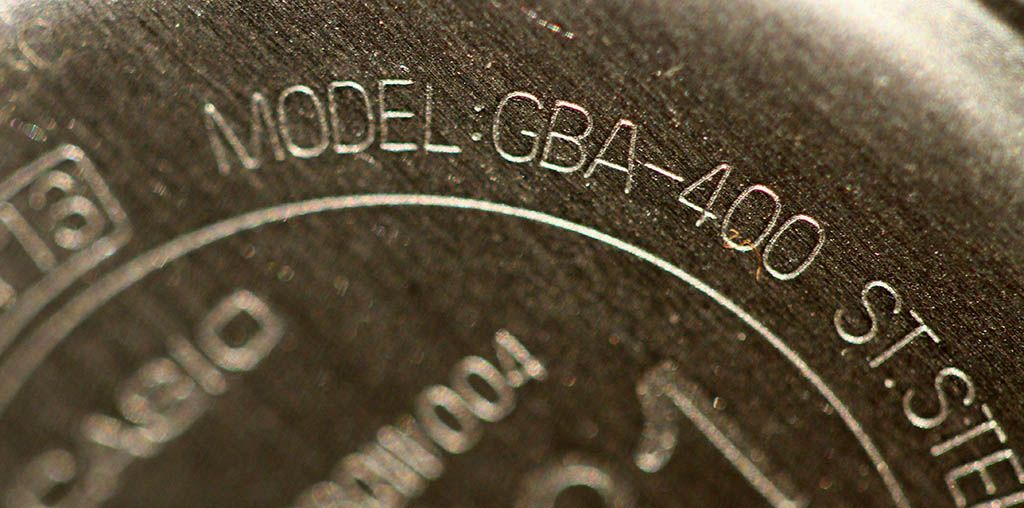
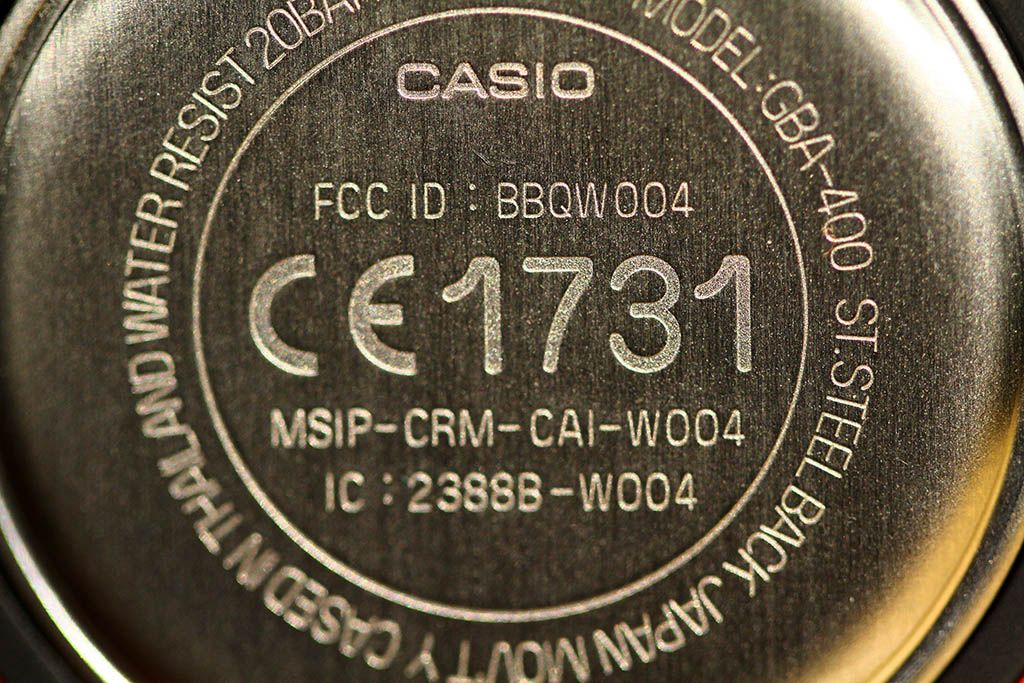
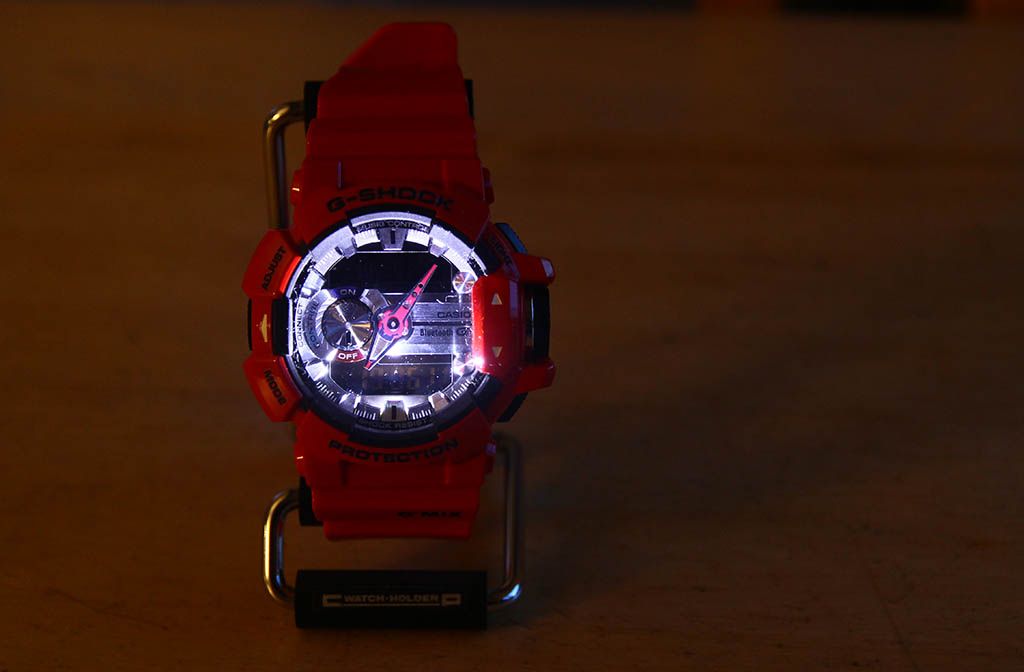
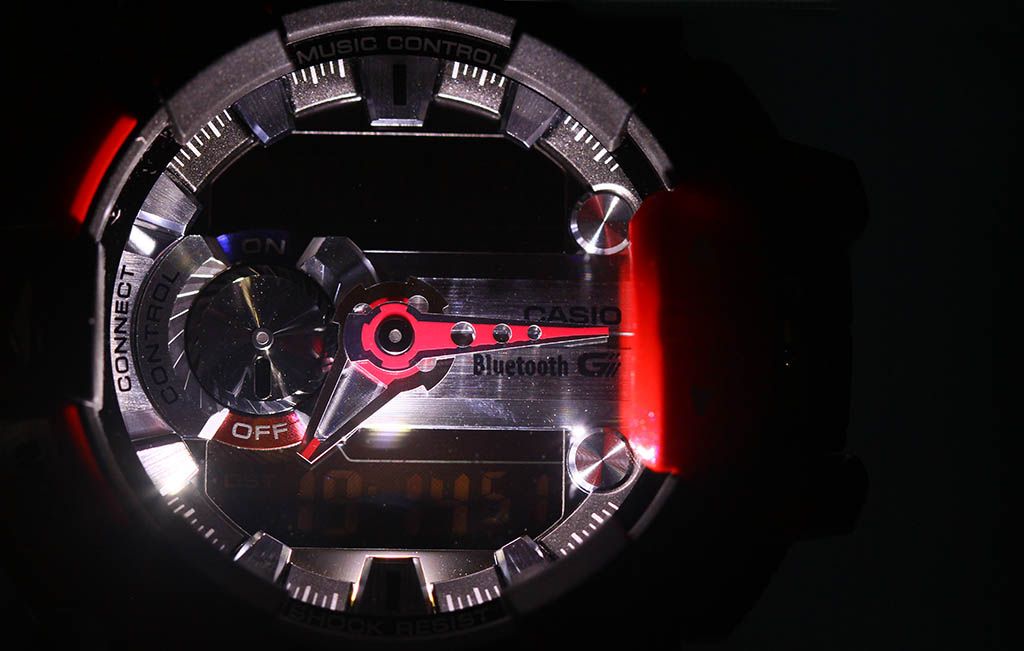
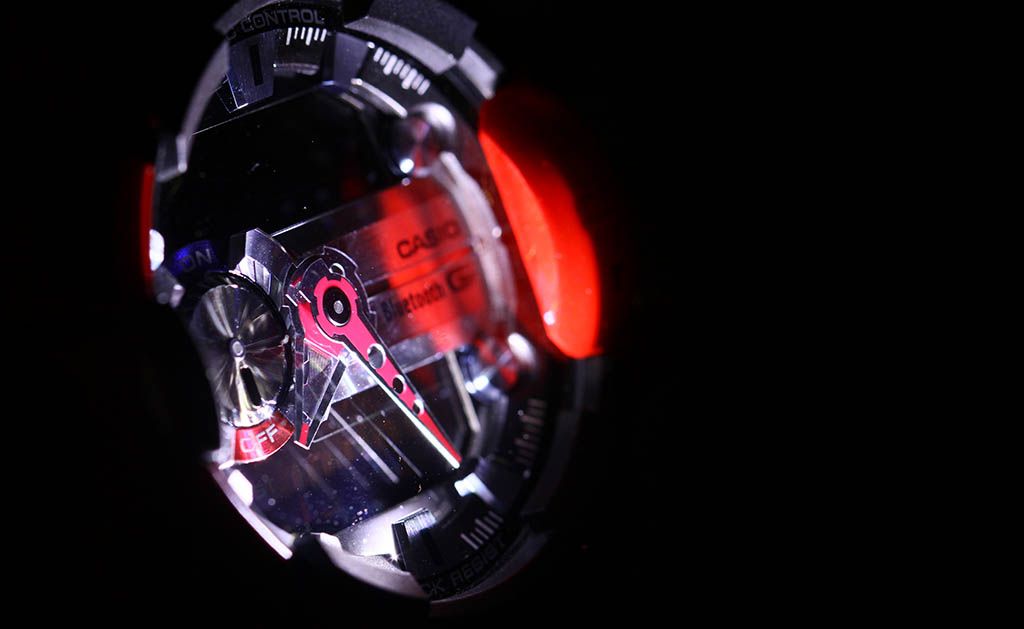
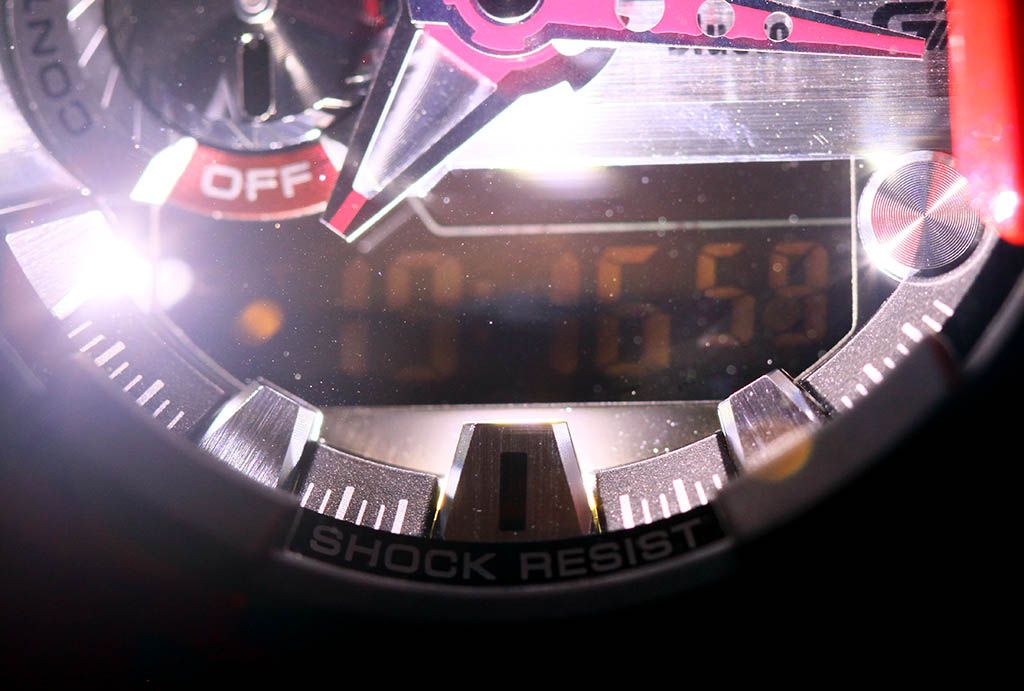
Today's highlighted G-Shock, the GBA-400, came in 4 colors schemes: black/grey, black/gold, blue/silver and this red/silver scheme. For me it was clear. I wanted this red/silver model. It was love at first sight. I also was curious about the Bluetooth functions of course, but for me it’s a big plus if I like the color scheme. With a red model, I almost always feel OK. In my personal opinion most of the time red and yellow models are the most attractive. Normally I am not easily attracted to ana/digi models, but I pretty much didn’t need a long time to think about getting this model. Although the size and design looks a little bit like the GA-1X0 models, I also think the design somehow looks like older G-Shock models. The guts of course are todays technology. That said, I think the GBA-400 and it’s basic model, the GA-400 are going to be a classic models.
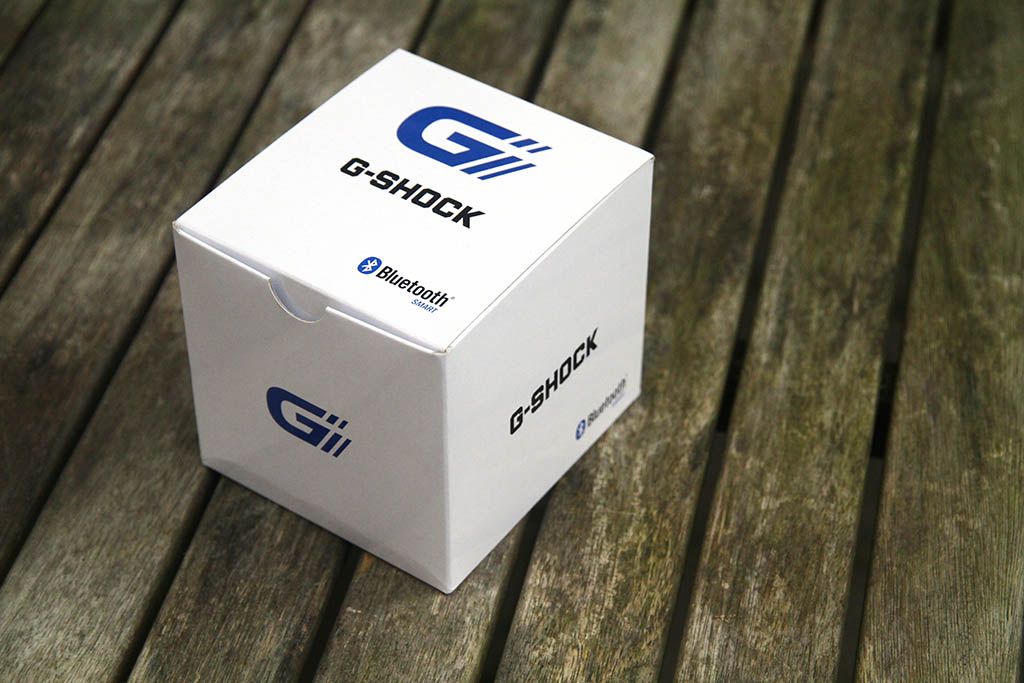
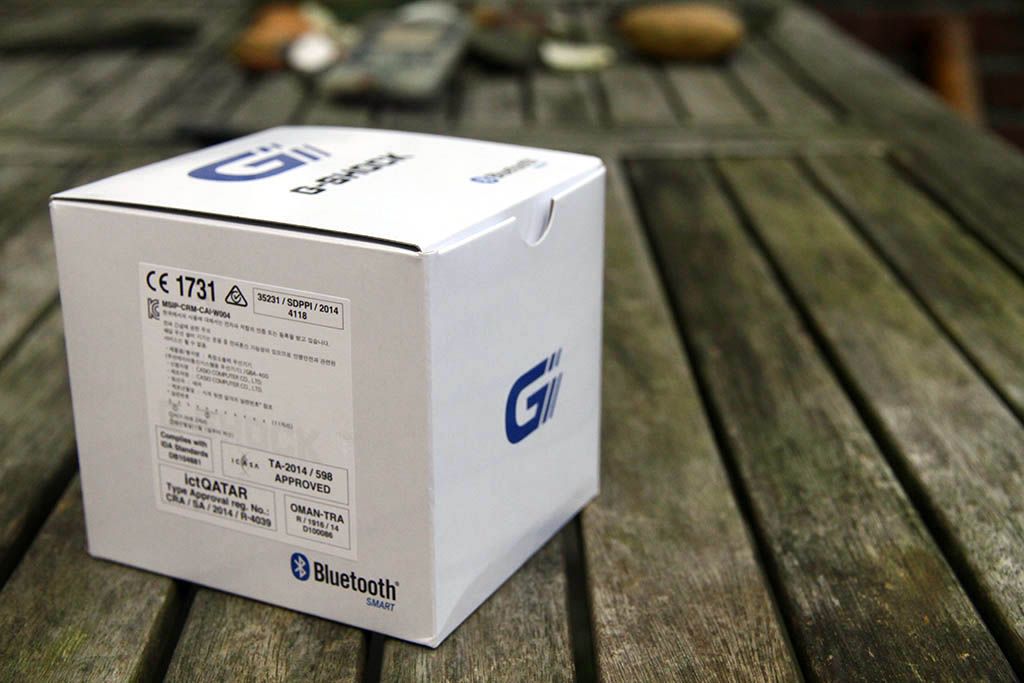
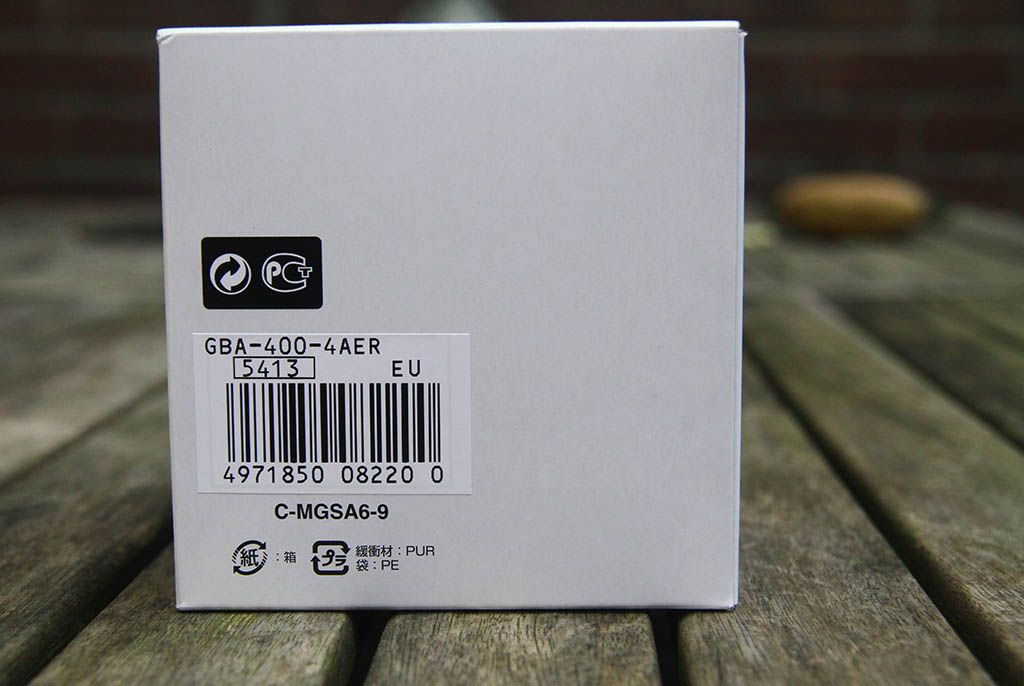
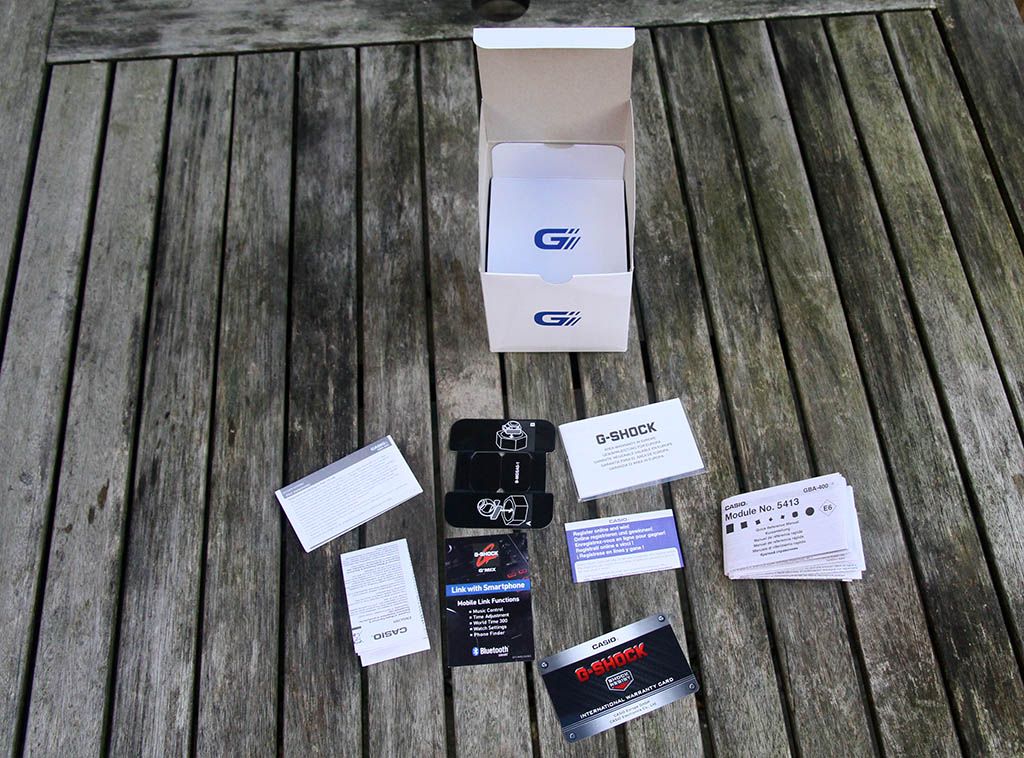
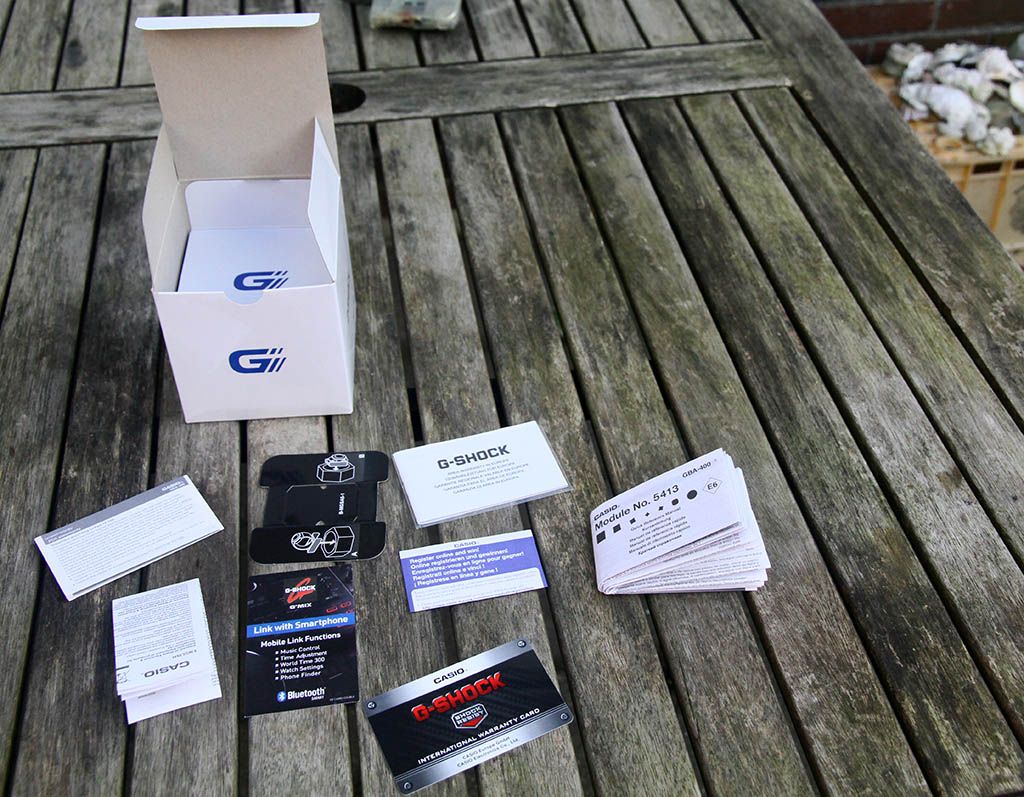
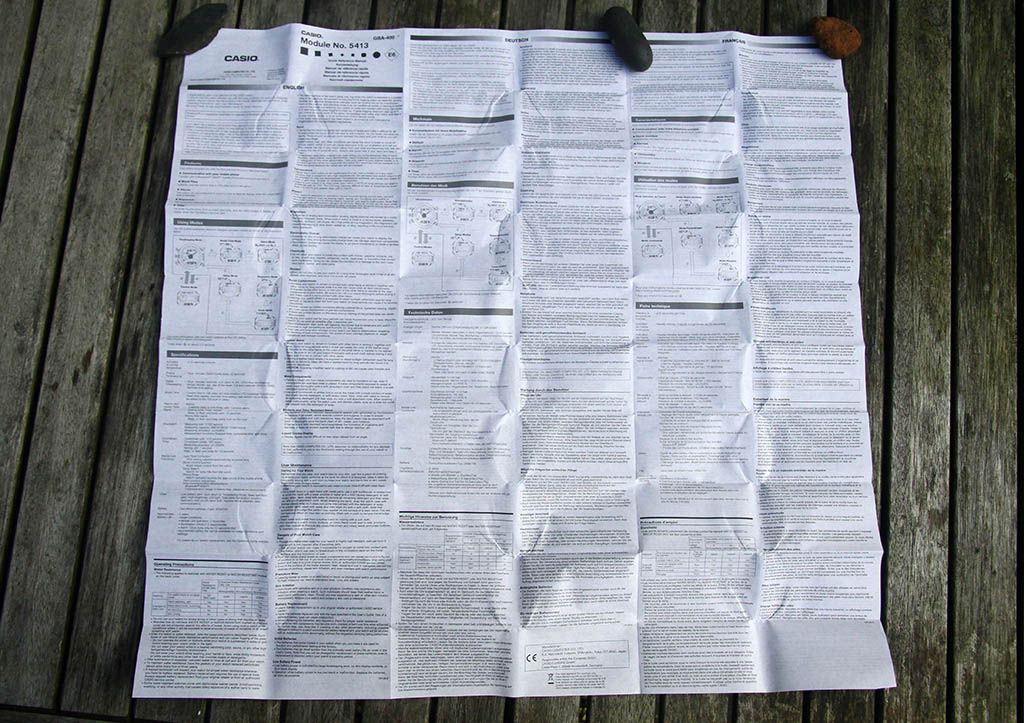
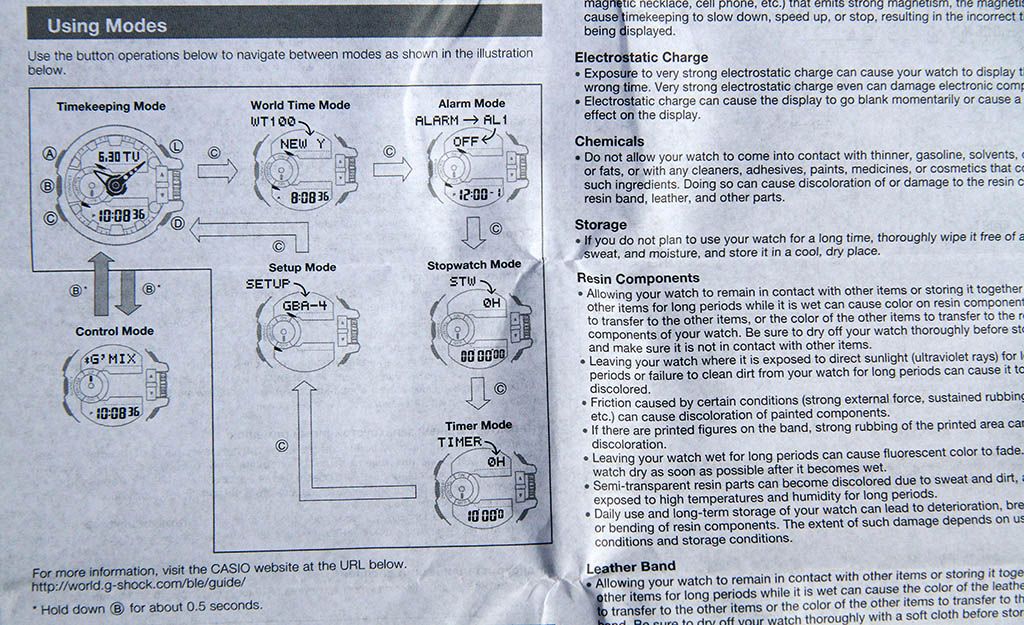
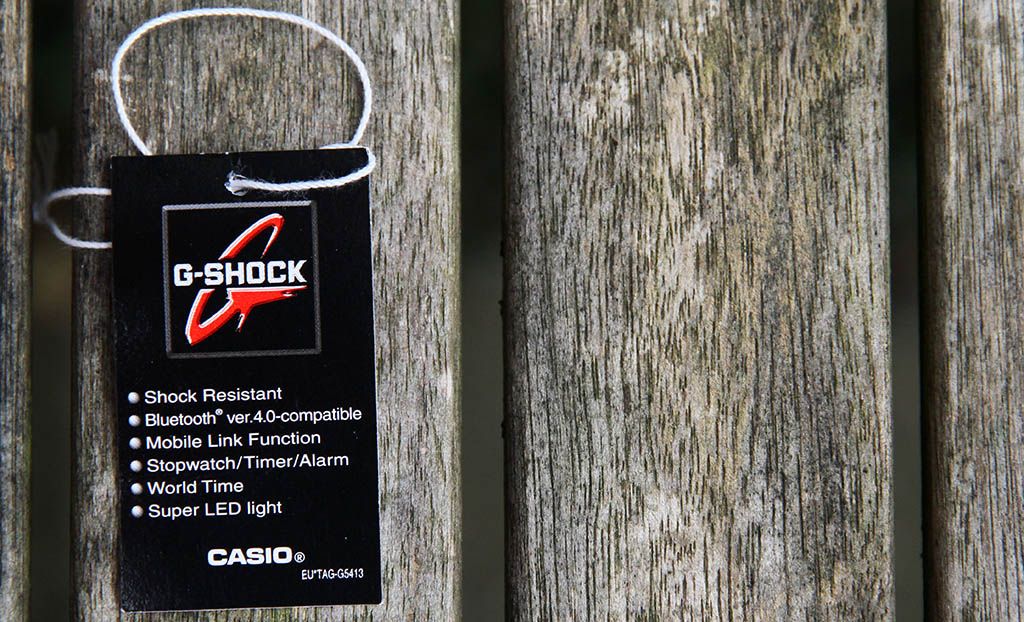
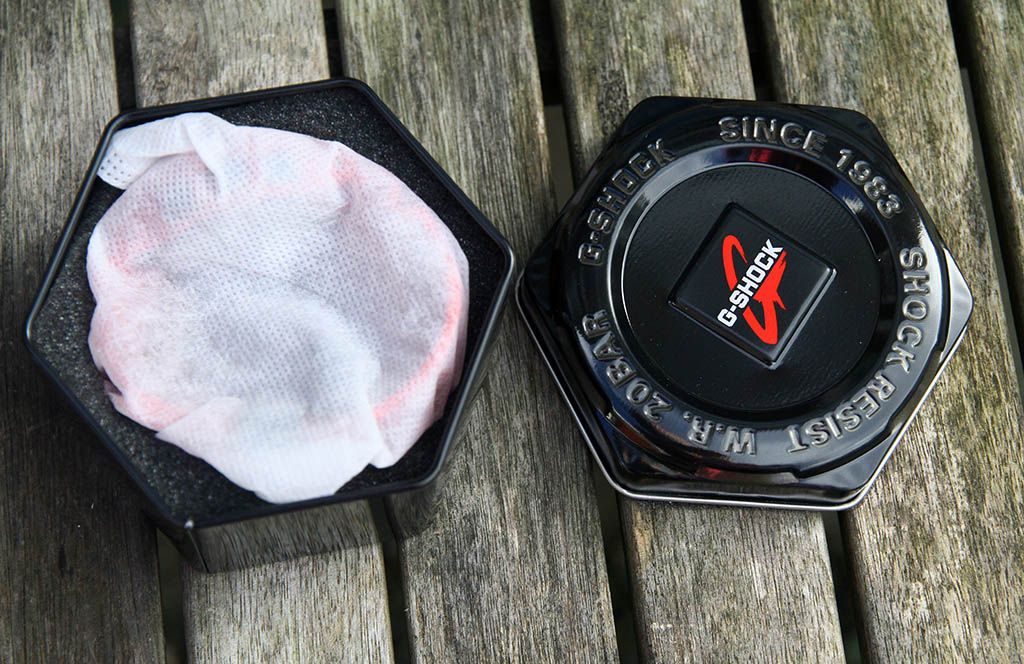
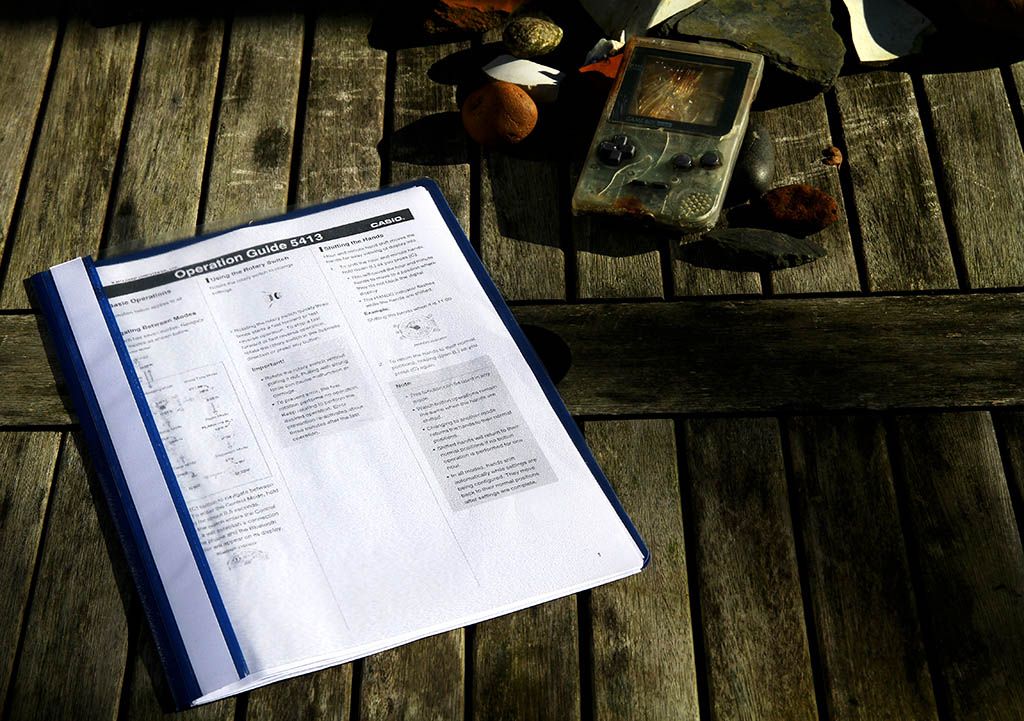
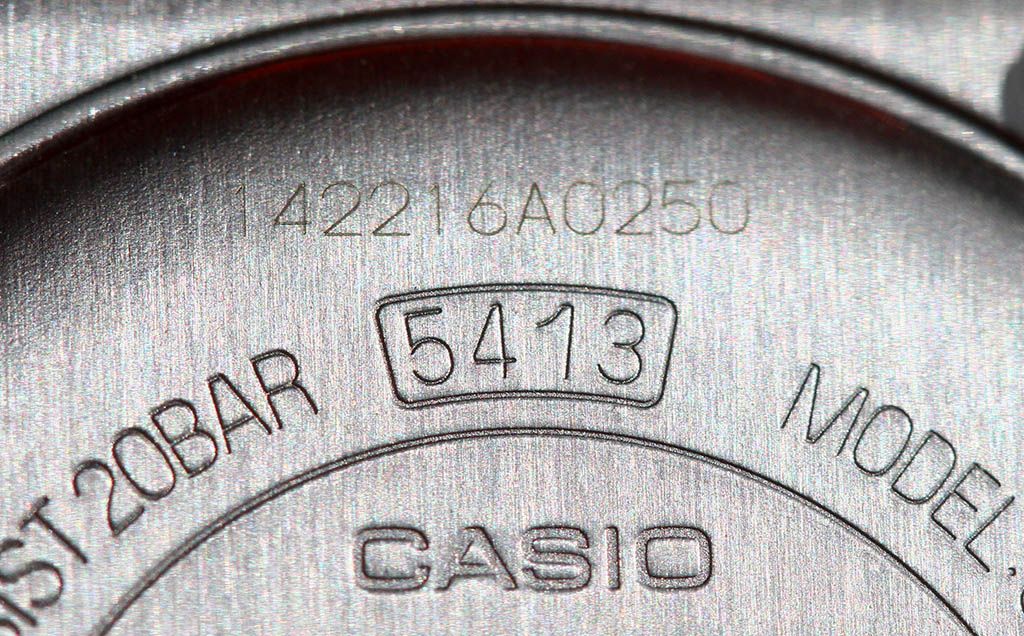
The GBA-400 comes in quite a different box, specially designed for the Bluetooth models. Inside you find, aside from warranty papers, a quick reference manual. A typical manual for people who normally don’t read manuals. The functions on this watch are pretty extensive. You really need a manual to get everything out of this watch. The quick manual shows briefly how to scroll through the watch functions and how to care for your watch. To dig deeper in the features of this watch, you better check the extensive 5413 module manual on line. As the PDF file has a three column lay-out, I have printed it, for easier reading.
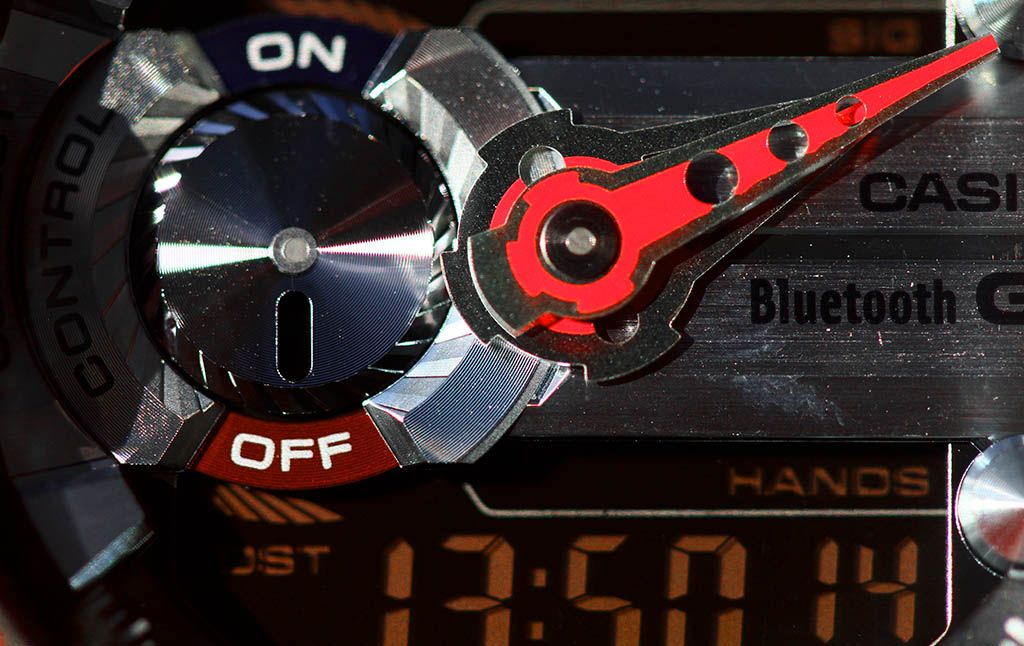
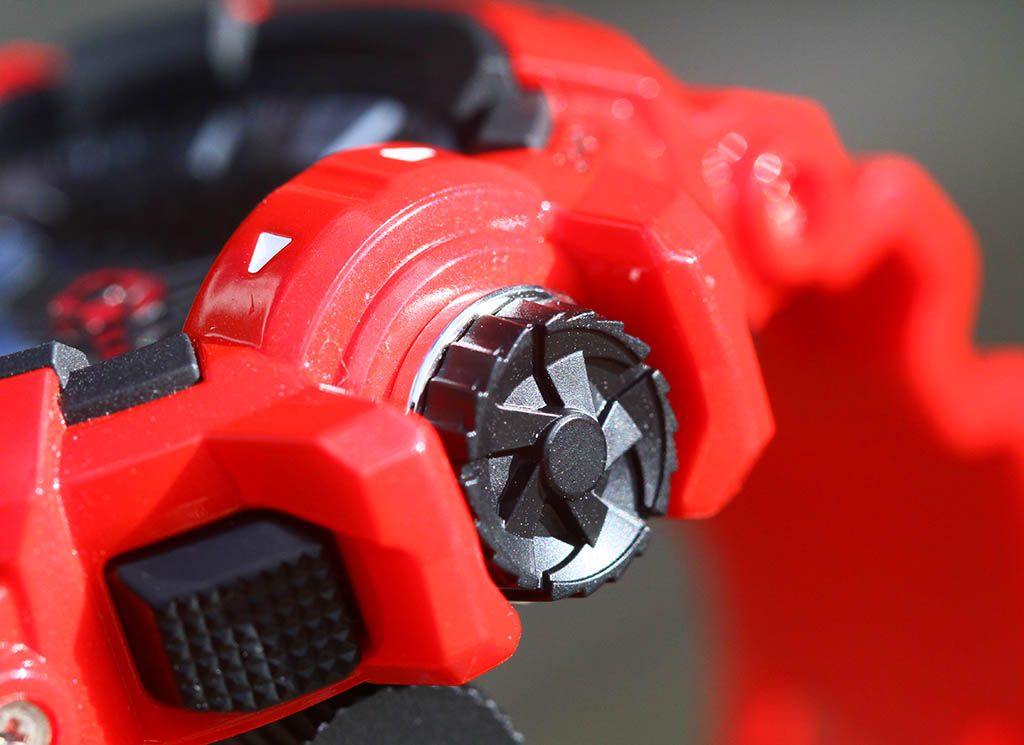
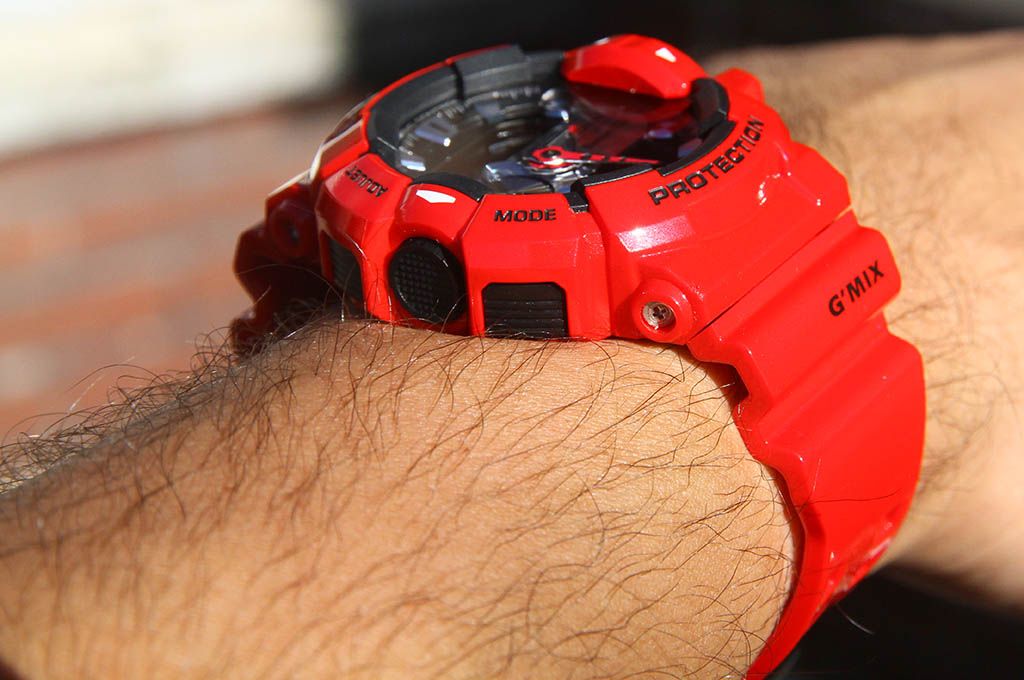
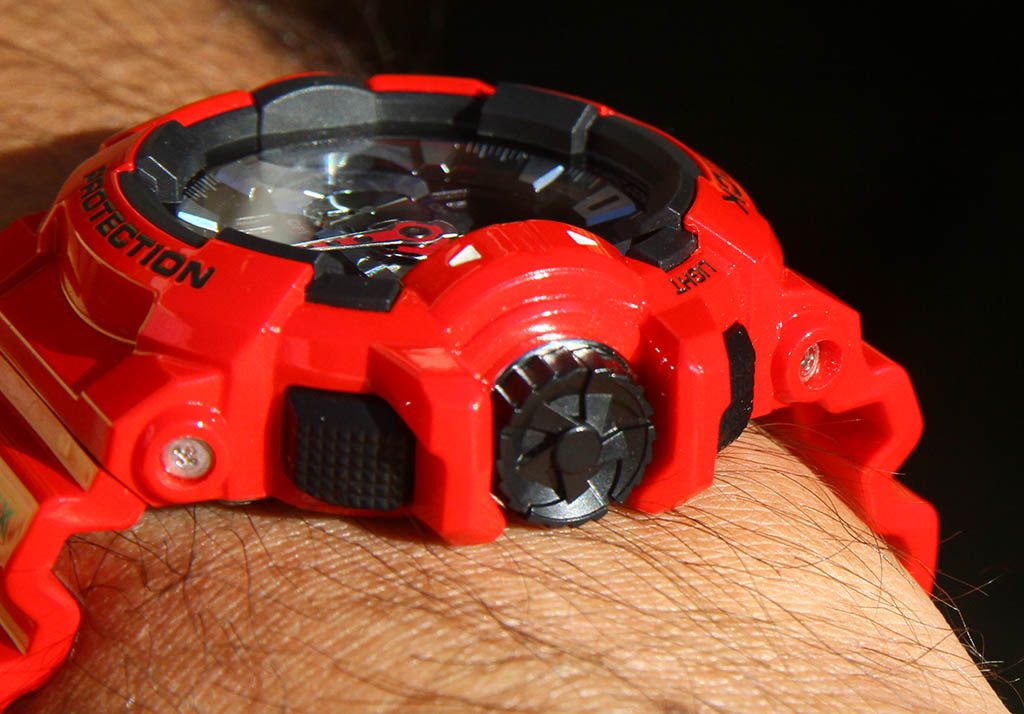
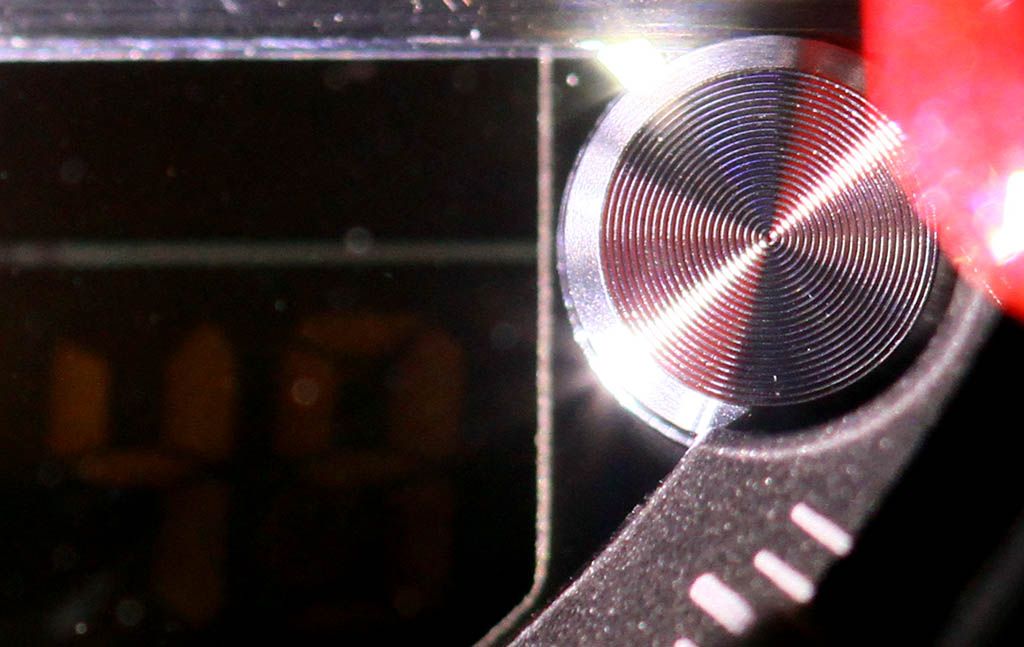
The most striking part on the case is the so called Rotary Switch. It looks like a crown, but it is a rotating scroll button. It doesn’t have to be pulled out to operate. The on-line manual even warns not to pull the switch out with a big force as it can become defective. The rotary switch easily rotates, without clicks.
Let’s first fly through the basic modes. Of course the most important function is the Time Keeping Mode. It’s both shown with the hands as on the two digital displays, where the upper display shows the day and date. You can set the watch manually, but, as I already had the two G-SHOCK Bluetooth apps, I could set the watch automatically. When you sync the watch to an iPhone, your watch is actually synced to the servers of Apple, which are near atomic time. I have no experience with Android, but I think it works the same.
Leaving the basic Time Keeping Mode brings you into the World Time mode. This mode can show you the time in 100 cities of the world. Scrolling through the city codes goes with the Rotary Switch. Next is the Alarm function. Not really a surprise I think that this model has 4 normal Alarms, one Snooze Alarm and a Hourly Chime (Hourly Time Signal). By the way, you can choose the type of alarm between the usual BEEP or the FLASH alarm (in the setting screen of Time Keeping Mode). Next is the Stopwatch Mode with a 999 hours, 59 minutes and 59 seconds capacity, usually called a 1000 hour Stopwatch by Casio. The last watch function you find is a 100 hour Countdown Timer. Even without the Bluetooth functions, it’s quite an impressive watch.
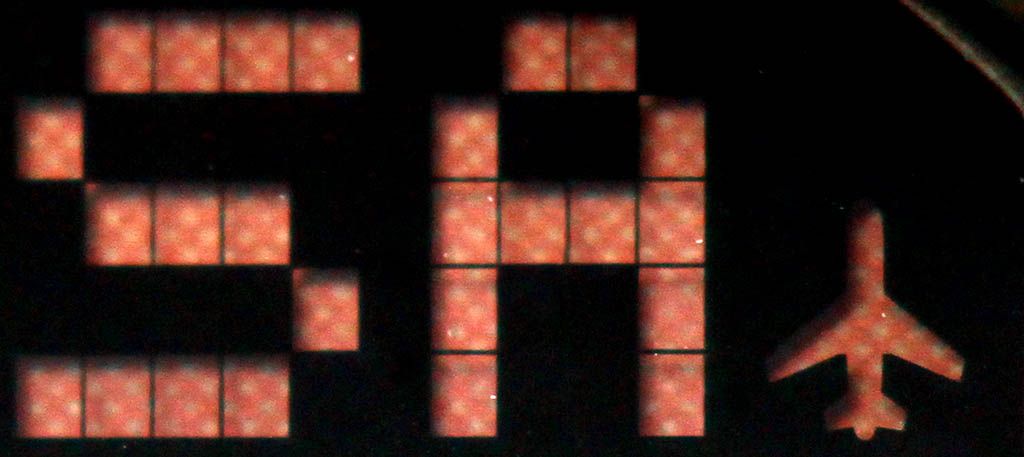
When Bluetooth is not activated, it is possible to kill all radio transmissions by the watch by entering the "Air Plane Mode". This is achieved by press and holding the MODE button for 5 seconds. Toggle it off takes the same procedure.
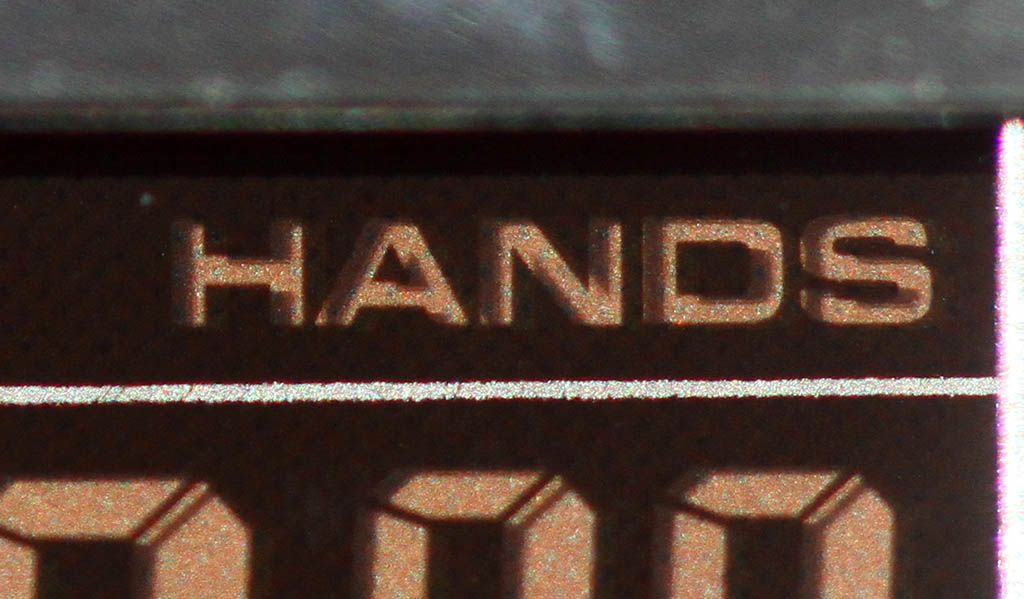
For a long time people have been complaining about the digital displays on Ana-Digi watches (watches with both a digital display as hand to show time and other functions). At certain moments the display or displays were blocked, so it can’t be read. Casio has (finally) introduces the Shift Hands function. When activated, the hands will move into a position that doesn’t block the displays. If you forget to move the hands back, the hands will return to the normal position after an hour.
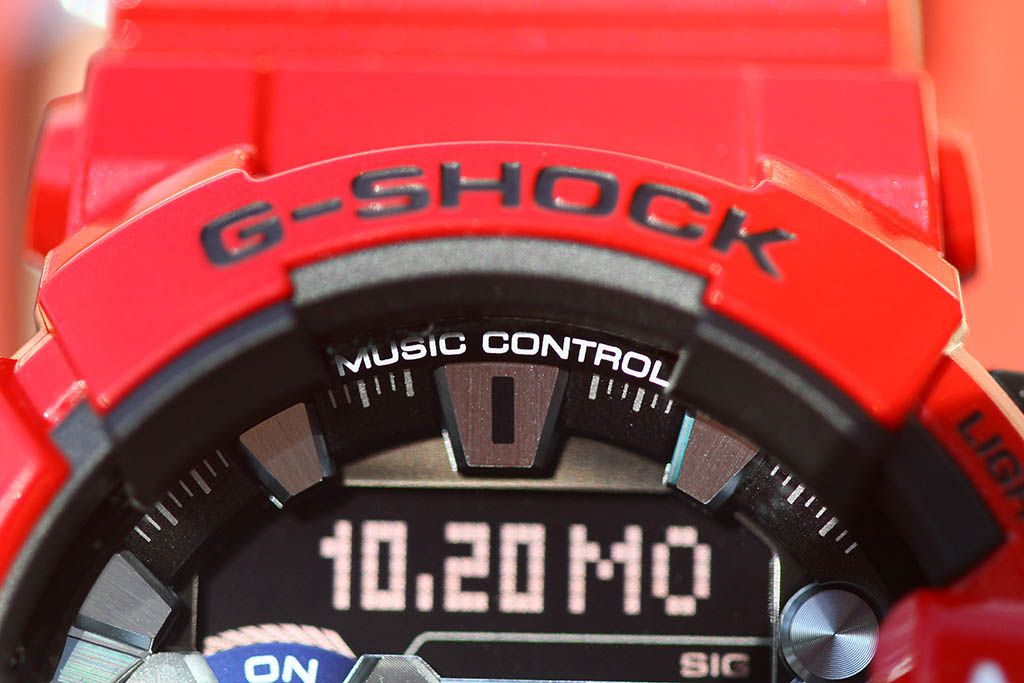
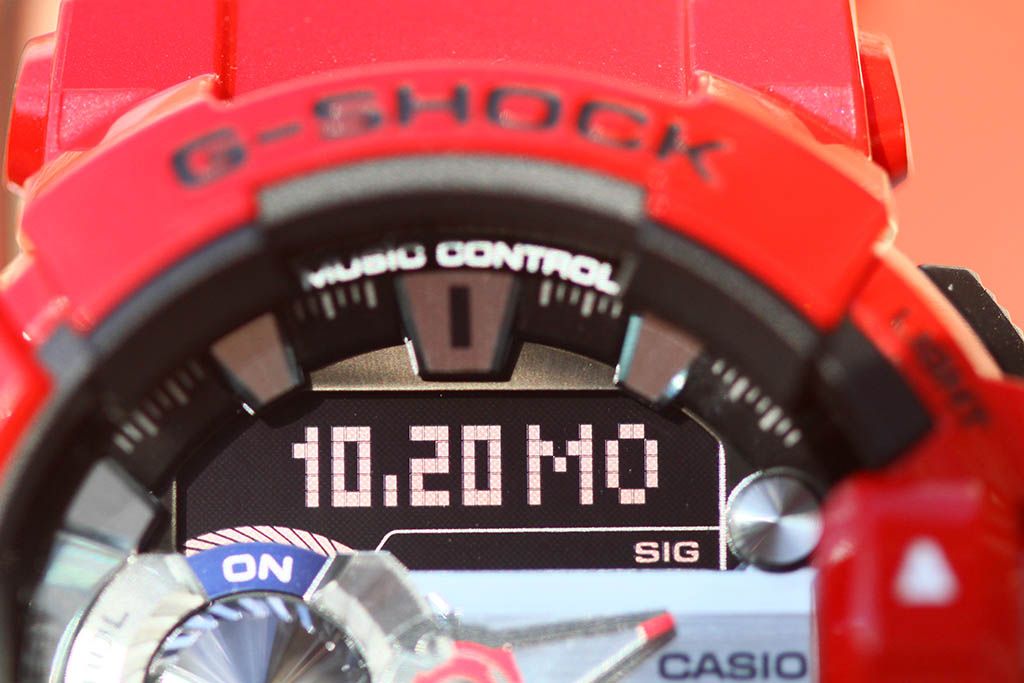
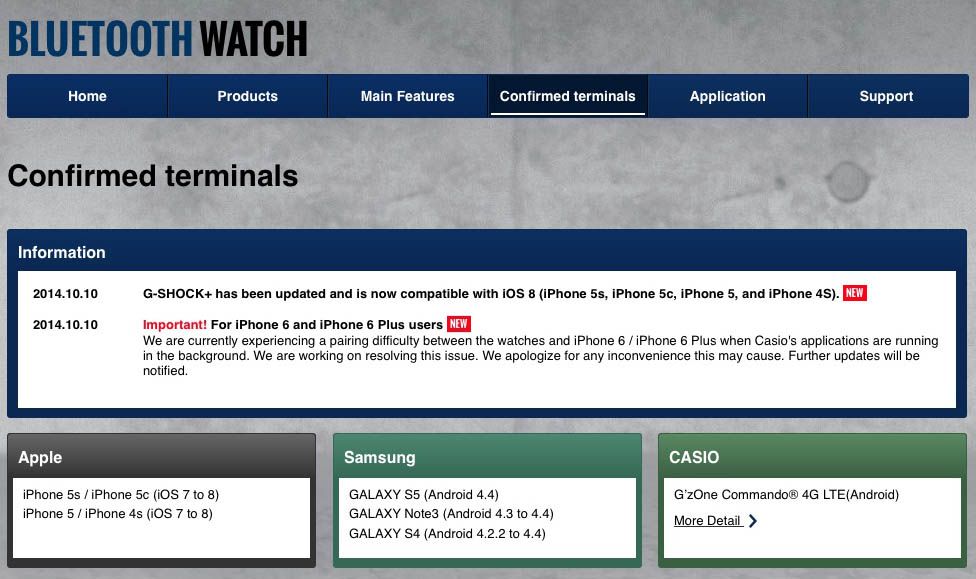
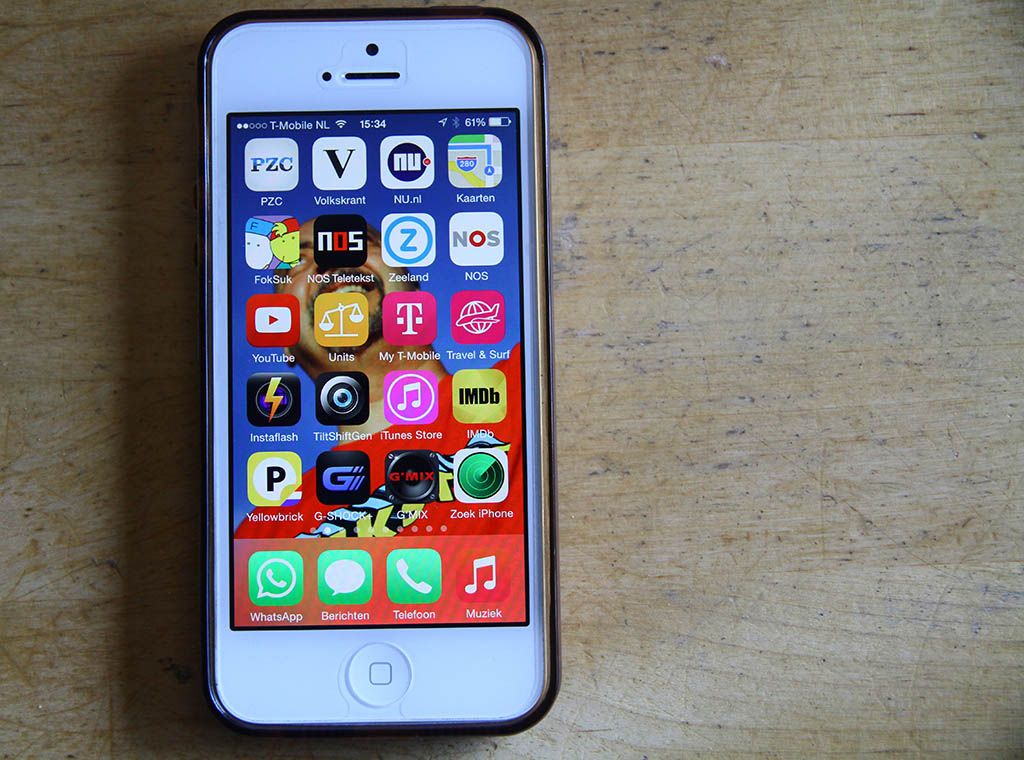
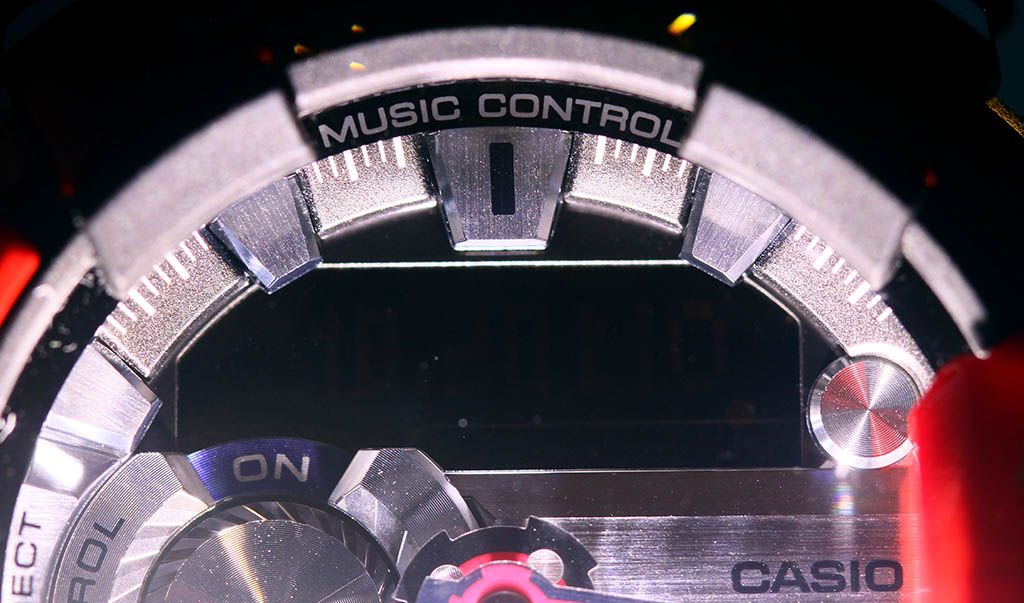
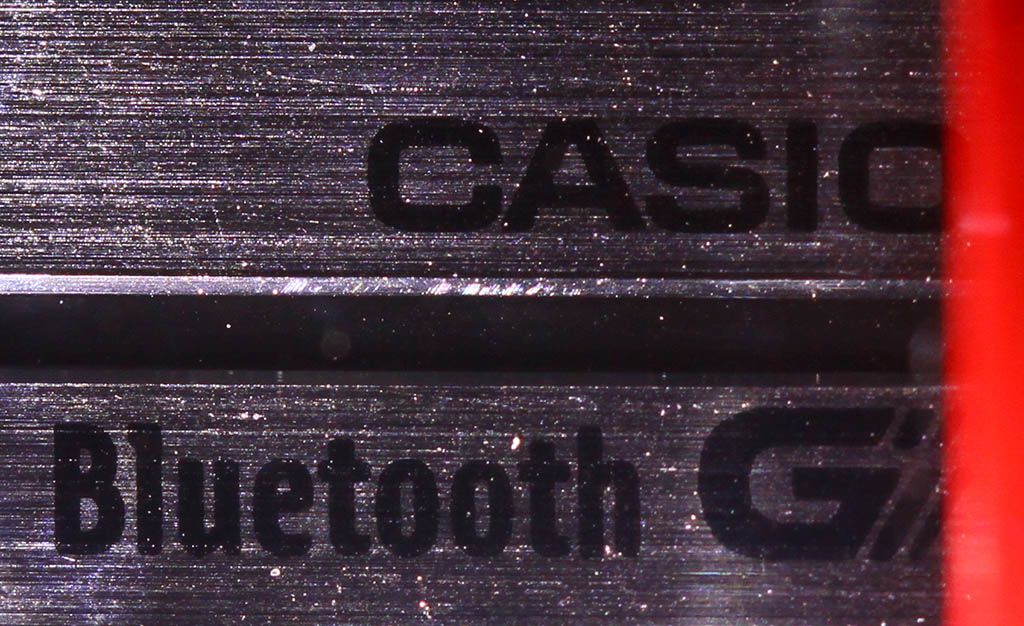
Most interesting on this watch are of course the Bluetooth functions. On the G’Mix it is all about the music. To use this feature, you need to instal G-SHOCK+ and G’MIX on your smartphone. Supported watches are the Apple iPhone 5, 5C, 6 and 6 Plus, the Samsung Galaxy Note 3, S4 and S5 (Running Android 4.4) and the Casio G’zone Commando®. The last one has the G-SHOCK+ app already installed.
A side note: there seem to be problems with the iPhone 6 and 6 Plus at the time I write this (October 2014) , but I think these problems are solved or about to be solved when this article is published.
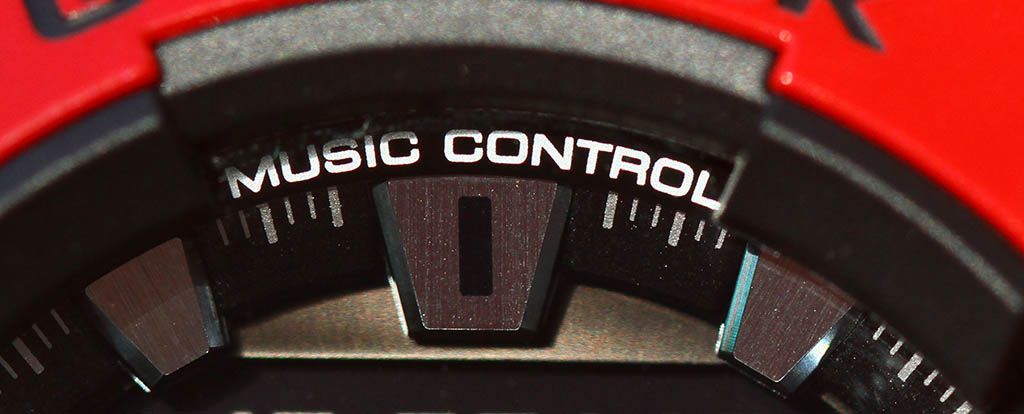
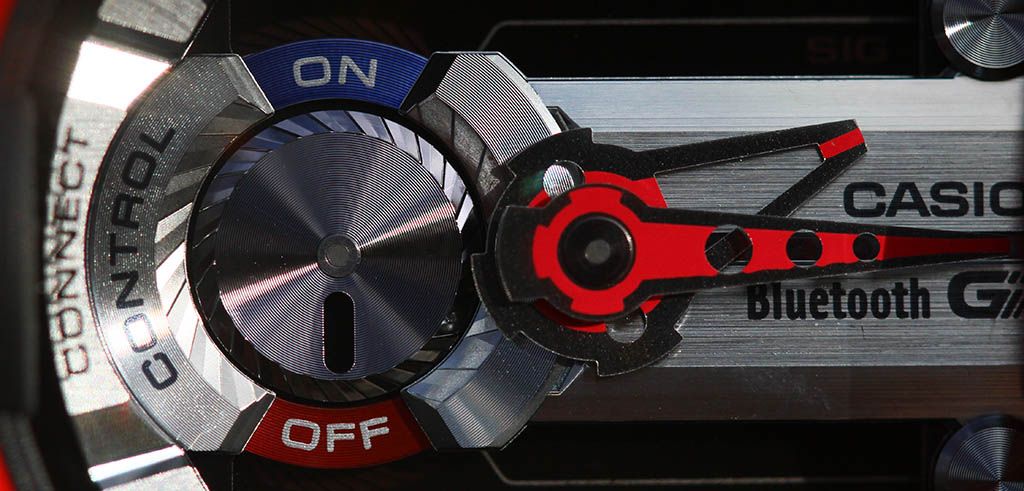
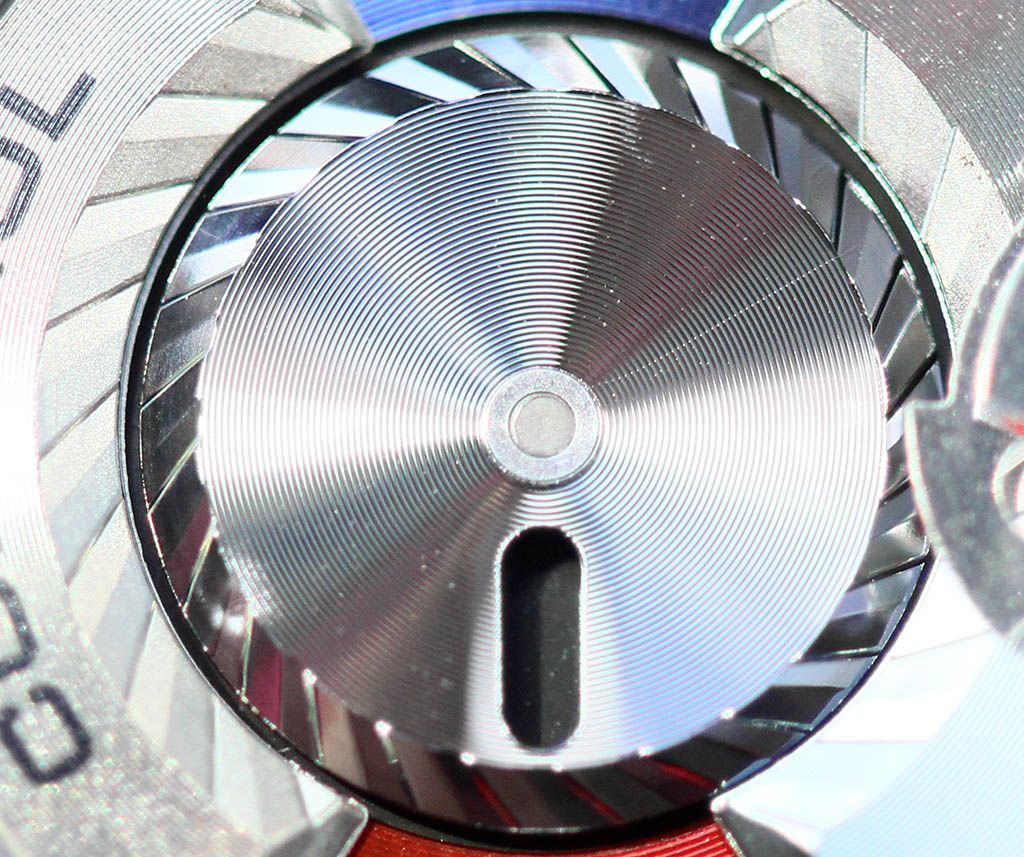
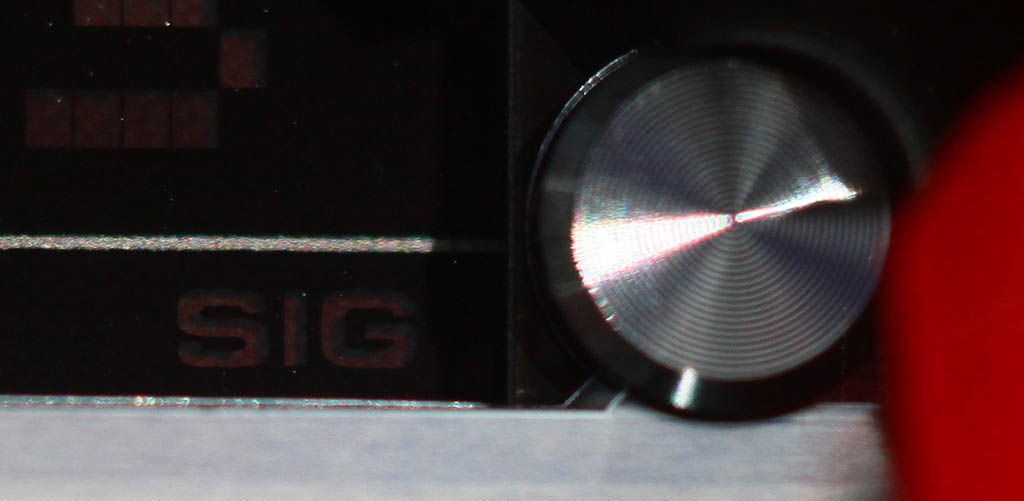
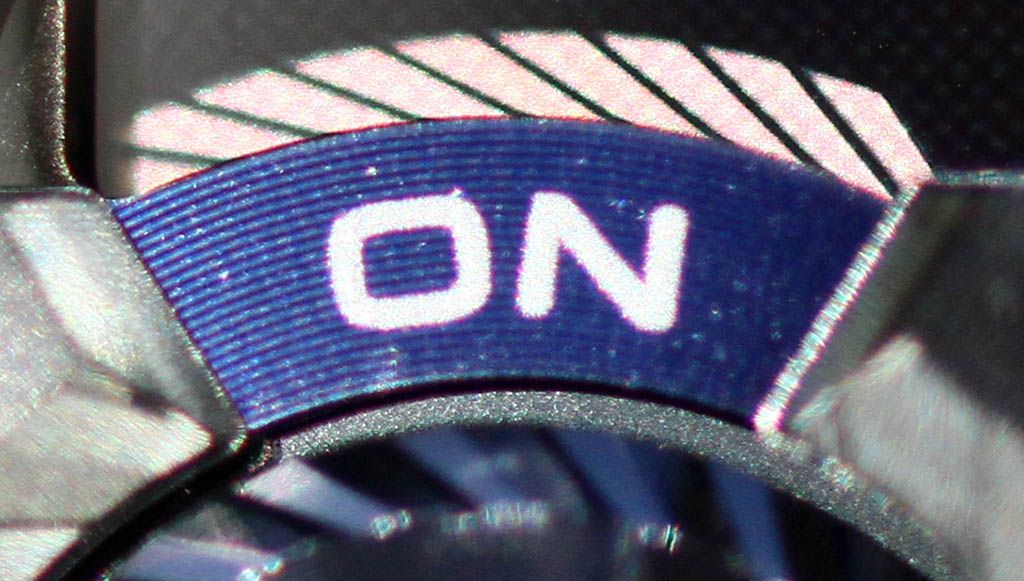
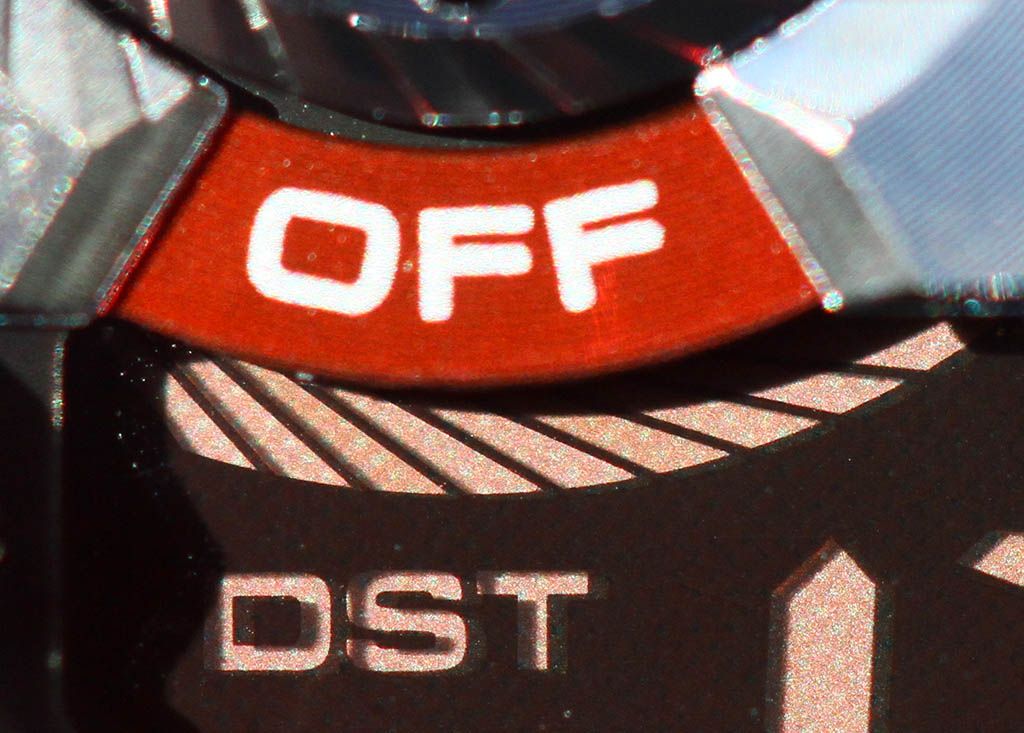
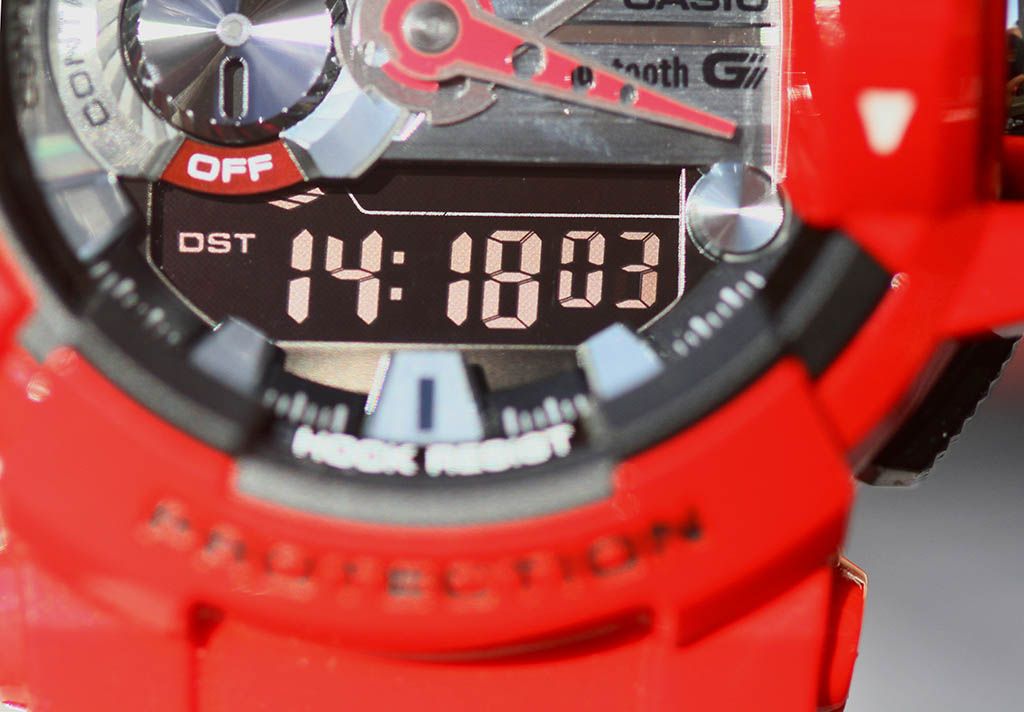
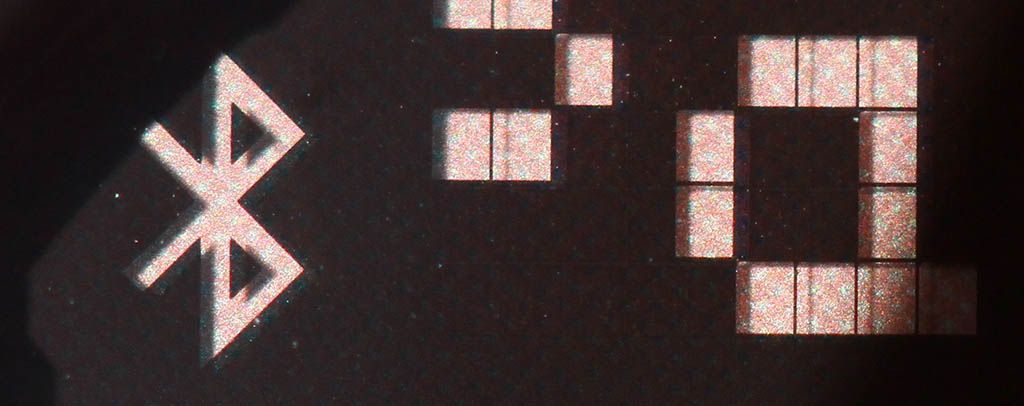
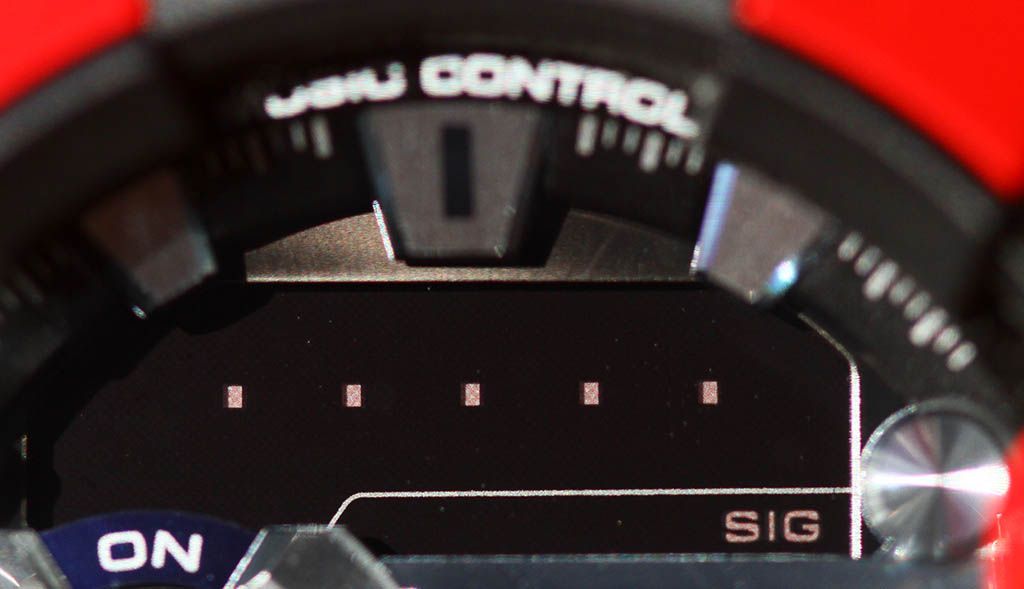
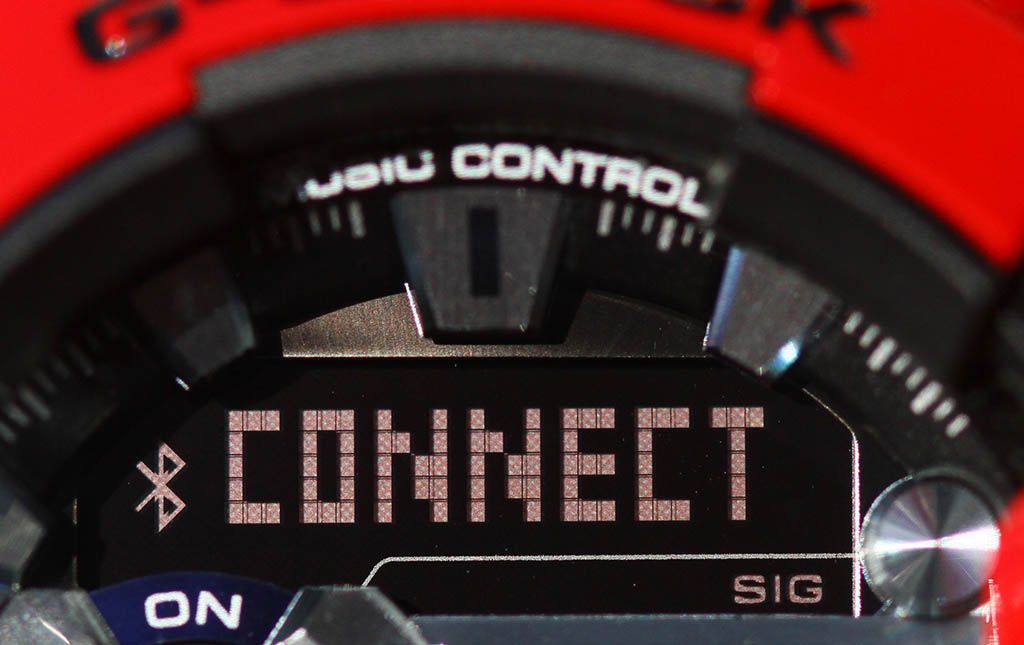
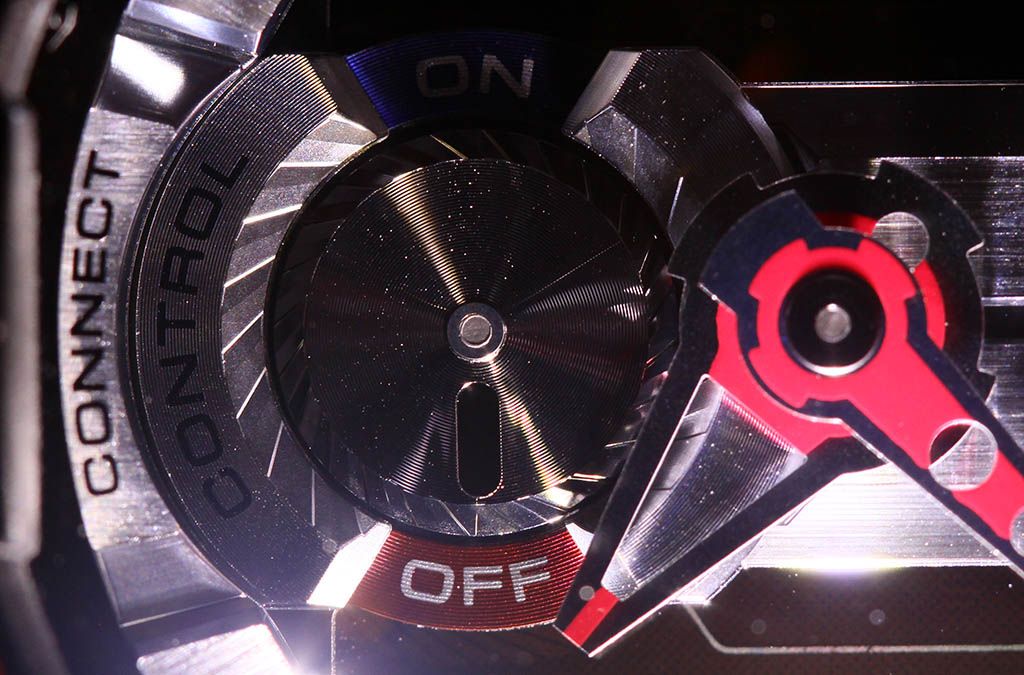
To connect your GBA-400 with your phone, you must be sure Bluetooth is enabled and G-SHOCK+ is running (this can be also in the background). When you press and hold the CONNECT button (middle left), the turntable shaped disc (it represents actually a turntable, probably the most iconic Technics SL-1200) rotates from OFF to ON. G-SHOCK+ recognize the GBA-400 pretty fast and the phone and watch are linked. Unlike the GB-6900, GB-5600 and GB-X6900, you do not need to pair with a password. This introduces me to one of the down sides of this model. It does NOT show any notifications, like e-mail, text messages, Facebook and Weibo notifications. This was for me quite a bummer, as I expected that the music functions were an extra addition upon the above mentioned features. However, if I look back to all Casio advertisement of this model, I realize it was never mentioned these functions were present.
The GBA-400 works best with Casio’s G’MIX music app. It is possible to connect with only the iPhone’s music app (in my case), but I haven’ t tried this. Probably you will miss most features.
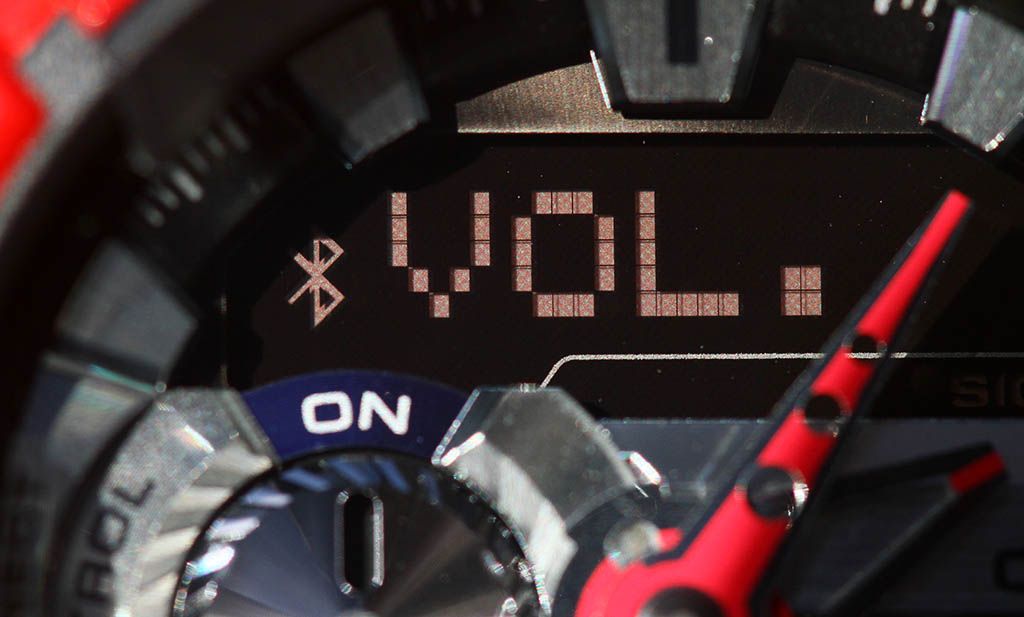
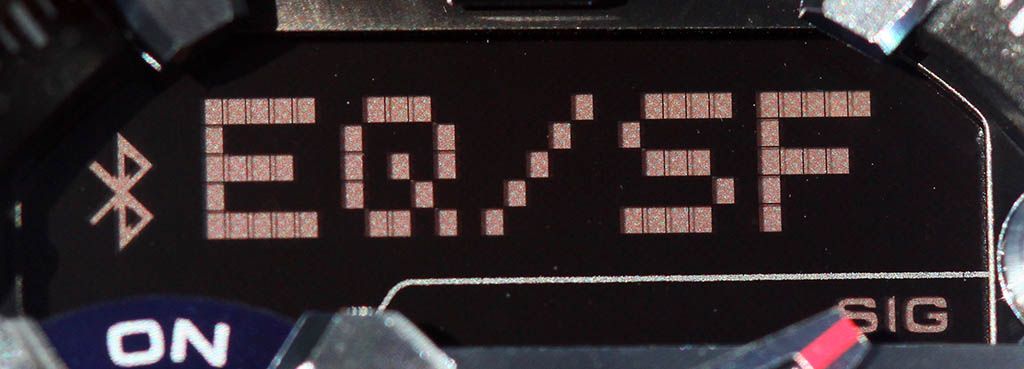
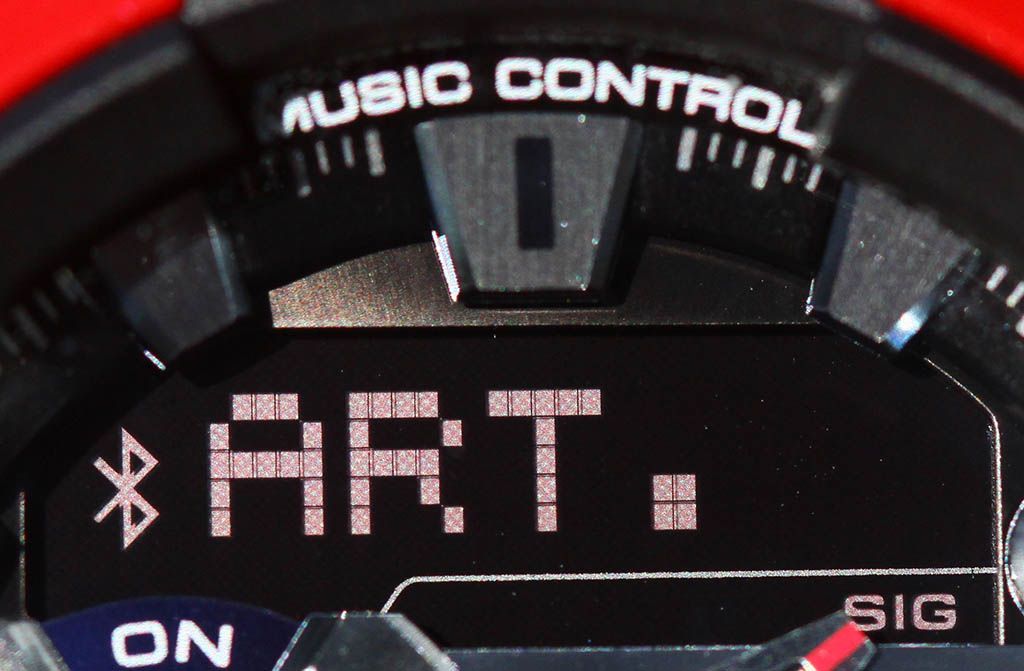
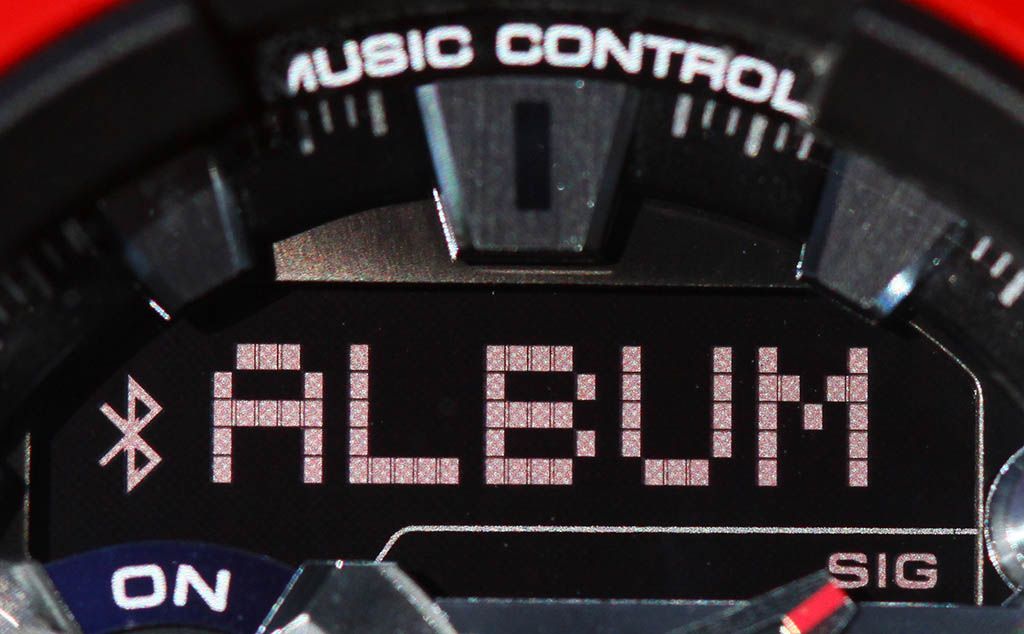
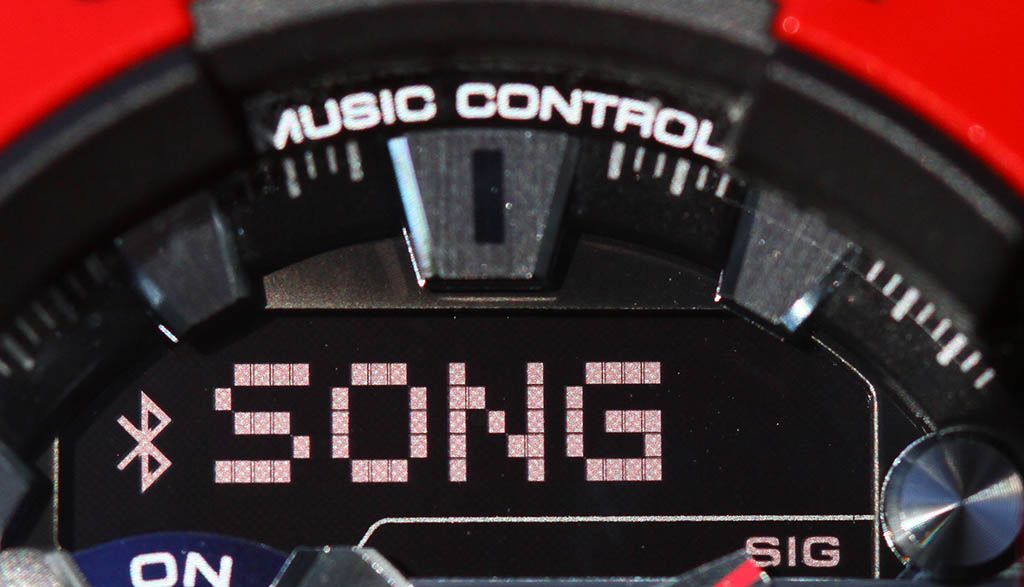
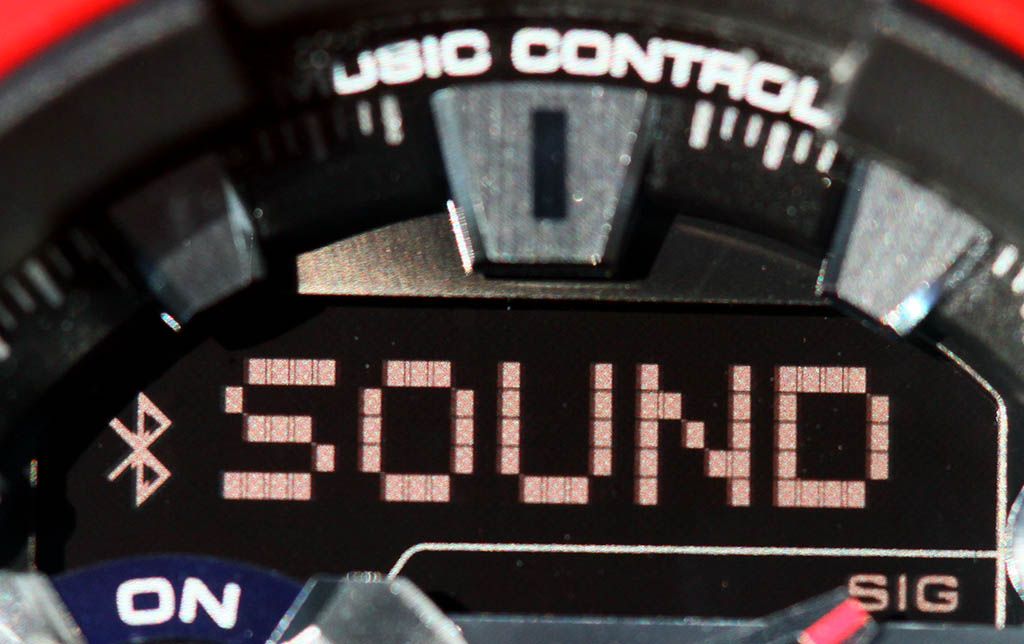
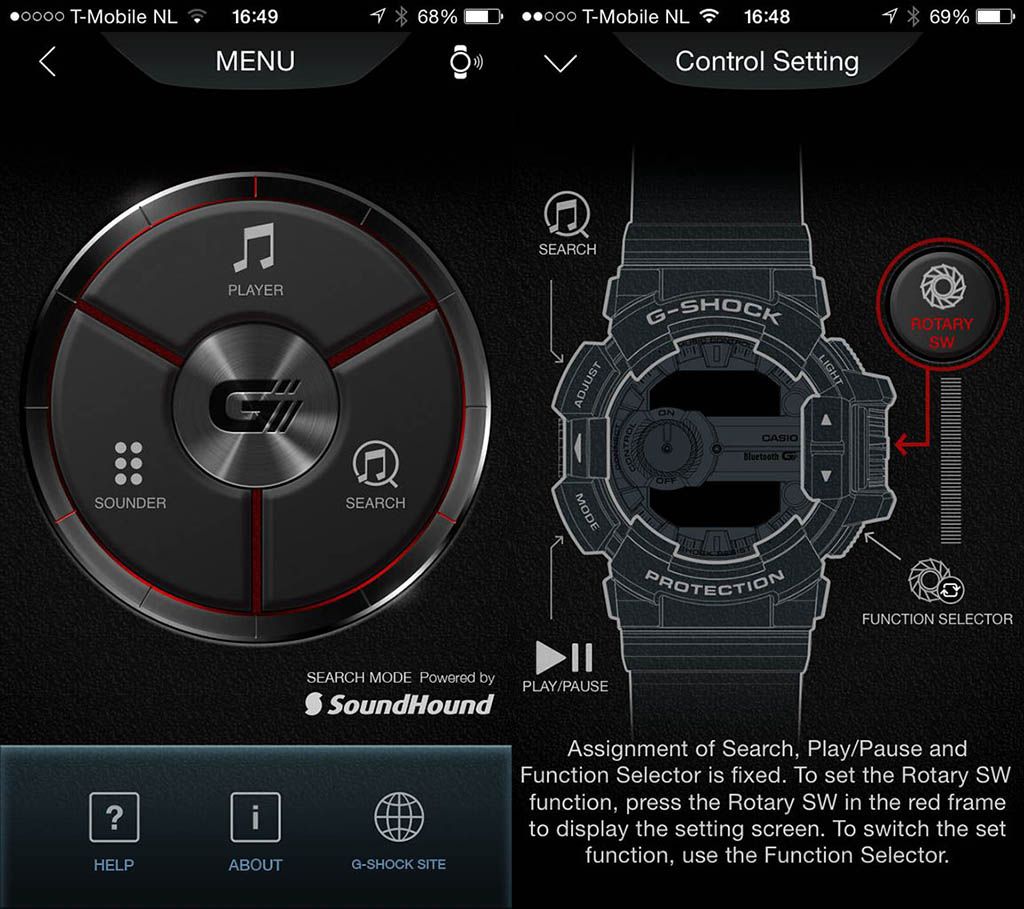
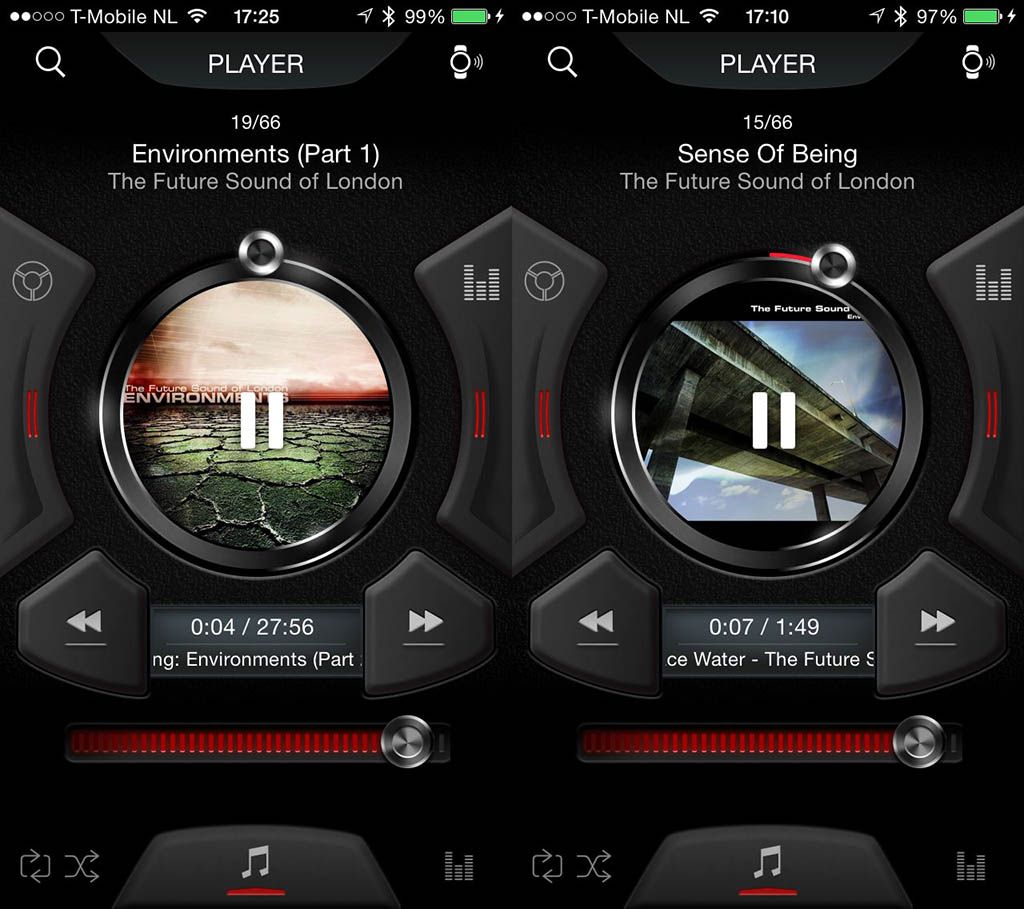
G’MIX has three main functions. The first feature is the music player. It can play music from your device, just like your music app does. You got to get yourself a bit familiar in how to look for certain songs or artist, but after some finger exercises you probably manage to play around. You can play music with tapping on your phone, but it’s more interesting to play with your watch. You can start and stop the current song with the bottom left (MODE) button. You can scroll through different functions with the „FUNCTION SELECTOR”, which is the bottom right button. You can choose which functions you want to control in the Rotary Switch Menu in G’MIX. If all are toggled on, you can by pushing this FUNCTION SELECTOR, scroll through Volume, EQ/Sound Field, Playlist, Artist, Album, Song and Sounder. When a function is selected, you can change or scroll through it with the Rotary Switch. Most handy is probably the Volume and Song function. Frankly, I find browsing through artists and albums pretty unhandy, but that’s because I have about half of my 64 GB iPhone’s memory stashed with music.
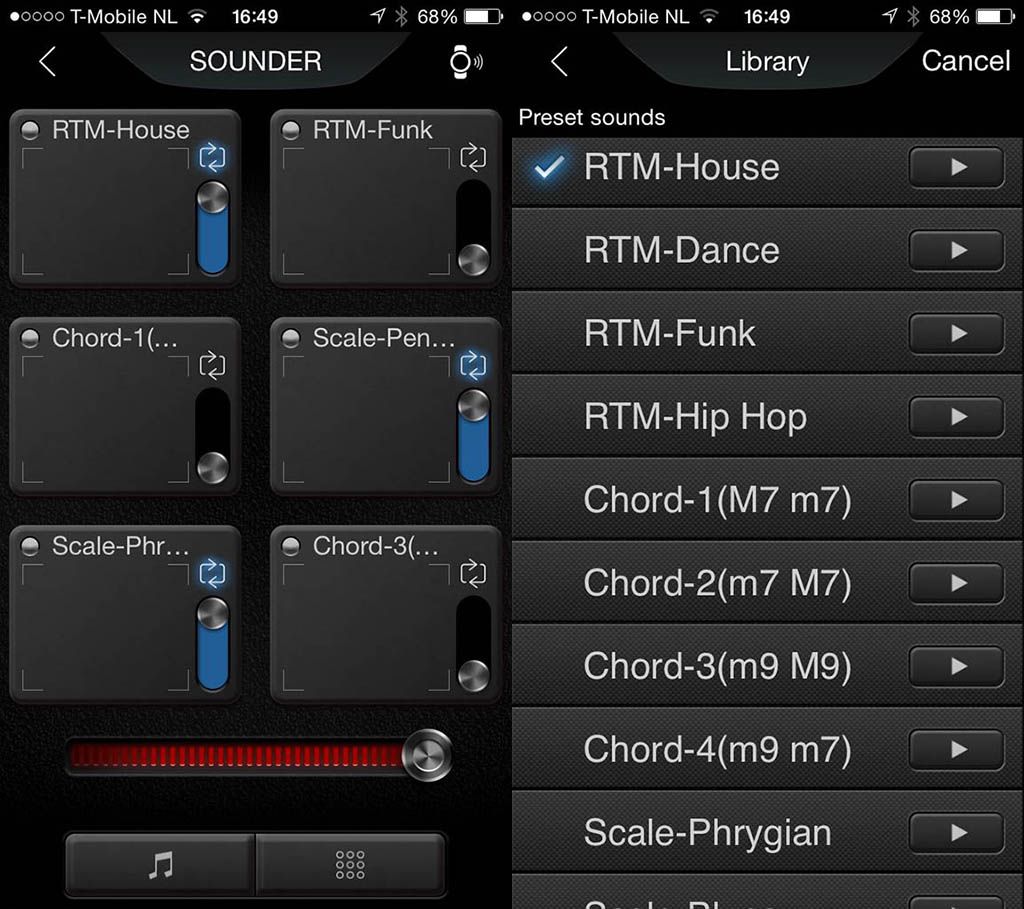
The Sounder function is the second function in the G’MIX app. It’s just a little fun function. It has 6 tap buttons with all representing a music sample. You can loop the sample or use them as play once. It does not work real smoothly. I think the samples are not all cut exactly at the first beat or there is just a little lag in the app/phone. You can change the samples under the buttons from a small library. Maybe for music practicing it might be a cool feature, but with the limited samples library this function probably bores quickly. It is however possible to load new sounds via iTunes. You can learn more about this in the manual or the Help section of the G'MIX app.
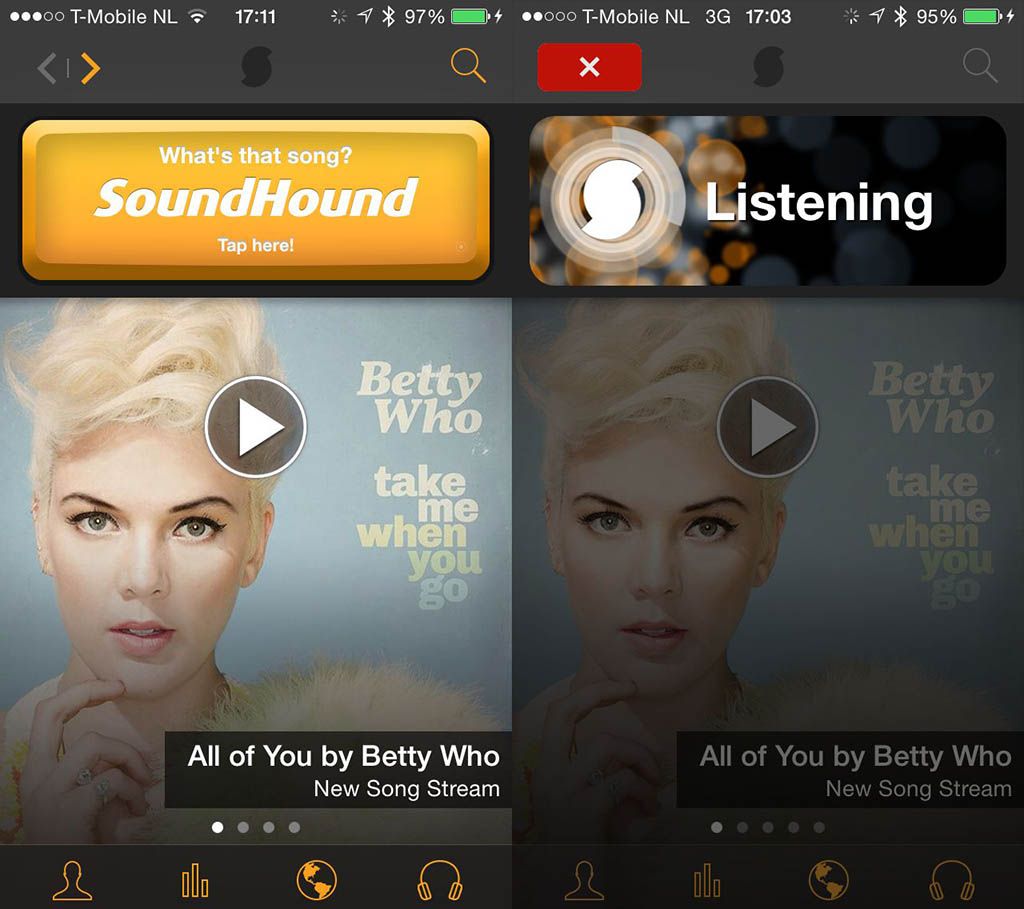
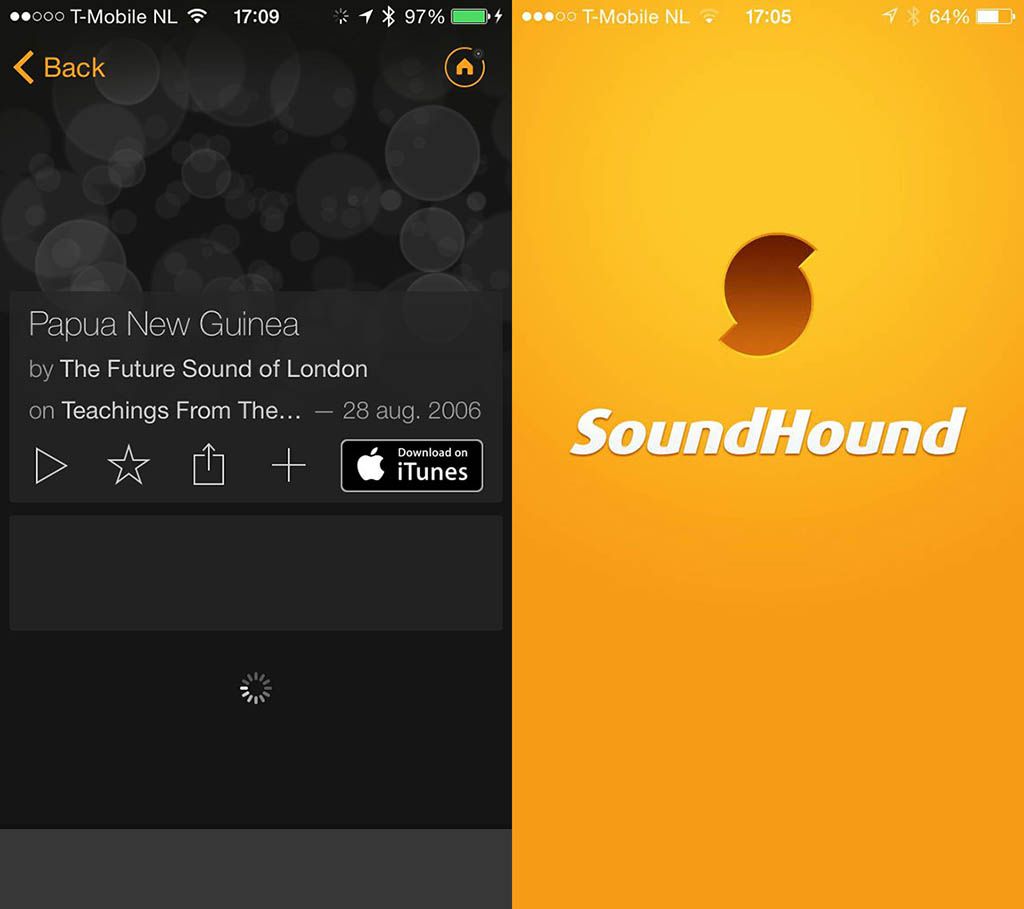
The third and last function on G’MIX is the Search function. Now, this is a handy and smart function. I didn’t see that coming in a smartphone app. It works with SoundHound. SoundHound is, like Shazam, an app that can recognize recorded music by taking an air check (a sound sample recorded by the microphone from the smartphone). The sample is compared extreme fast with a huge music library and when a match is found, it’s shown in the display. Of course Shazam and SoundHound do not work on very obscure work or live registrations, but the music databases they use (probably databases like iTunes) are enormous. I have used these apps in the past a lot and found quite some interesting obscure material this way. In the video I show a search while my laptop plays „Pocket Piano” by the late DJ Mehdi. As you can see G’Mix finds the track pretty fast after taking a sample and shows them both in the G’MIX app and in the splay on the GBA-400.
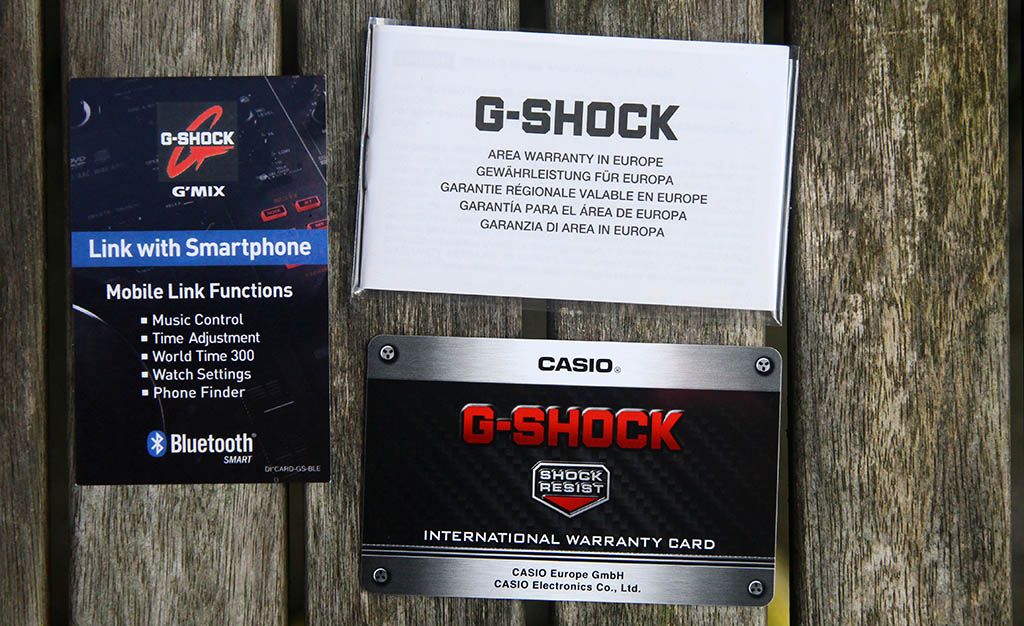
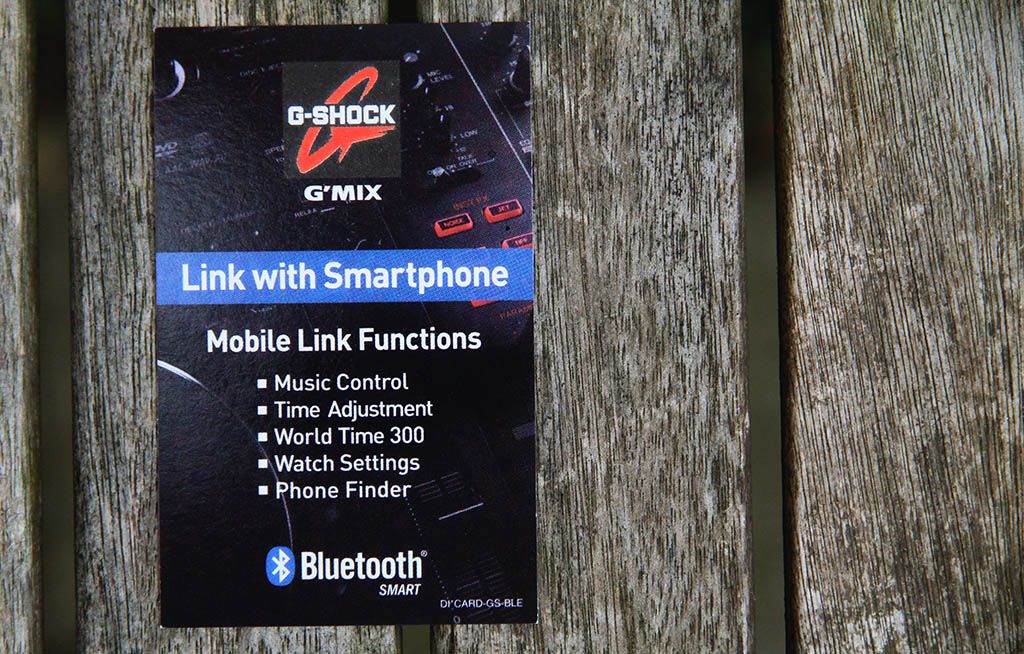
As I was photographing the papers that came with this watch, I noted the card with the Mobile Link Functions. It says the GBA-400 has a Phone Finder function. I must admit, I have tried to read the manual of the 5413 manual thoroughly, but I must have missed this function somewhere. I actually discovered this function by accident. I made my Bluetooth functions video’s at night after my other family members had already gone to bed. After I recorded the video’s and unloaded them to my laptop, it was time to go to bed. I tried to find if there was an Auto Illuminator function, but press and holding the light button did not work. So I tried the lower right button (FUNCTION SELECTOR). To my surprise music was coming from where I had laid my iPhone. Voila, I discovered the Phone Finder. If Bluetooth is turned on, you don’t need to be synced with G-SHOCK +. After the watch is recognized, the phone starts playing your selected song that you want to hear if you are looking for it. After re-reading the manual of course I found info about the Phone Finder.
The GBA-400 is the latest model in an interesting line of Bluetooth watches. Where the other models were more serious, the GBA-400 G’MIX is more about music and having fun and that is also how it is advertised. The looks are somewhat playful and the rotating disc to show wether Bluetooth is enabled or disabled is a nice touch. As a former DJ and vinyl lover, I like these design accents. I was somewhat disappointed that there are no notifications on this watch. I loved those functions on the GB-6900. I do not know much about the communication between the smartphone and the GBA-400, but for me, as being not quite an expert, it looks like notifications are more or less simple text messages exchanged from the phone to the watch, so why not integrate this in the App or watch software. Cool is the integration of SoundHound in the search function. I am always curious for new music, which you often not normally hear on radio or television. This is a cool and stealth way to check out what’s playing. The history of found records are stored in the G’MIX app, not in SoundHound by the way. Unusual, but understandable are the batteries. The GBA is equipped with two SR927W batteries. Casio gives them a lifetime of approximately 2 years. My experience is that with normal use this can be quite longer, though frequent use of the Bluetooth functions will reduce battery life of course.
The suggested retail price for this watch is in Europe €200, in Japan ¥23000 and the US $200. which is in my opinion a good price for what you get. I got mine from my friends at Ace Jewelers in Amsterdam, which is one of my favorite sources for finding G-Shocks in my country. Recently they won the well deserved Thuiswinkel Award (Home Shopping Award) for best on-line Jeweler of 2014. I pretty much like the color scheme of this red version, which is a real eye catcher. Besides this model there is also a black (Japan only), a black gold and a blue model available. (This article was written in October 2014. Meanwhile there are three new models released in Japan, a green, an orange and a white model)