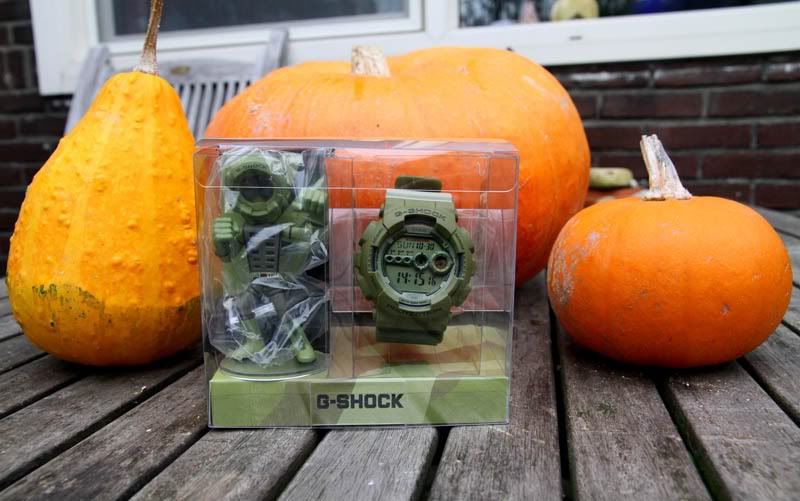
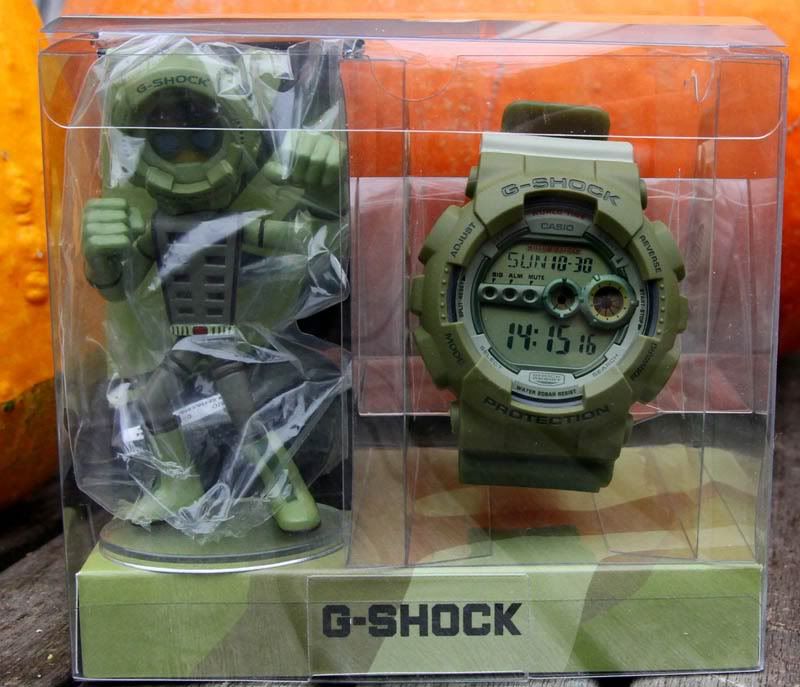
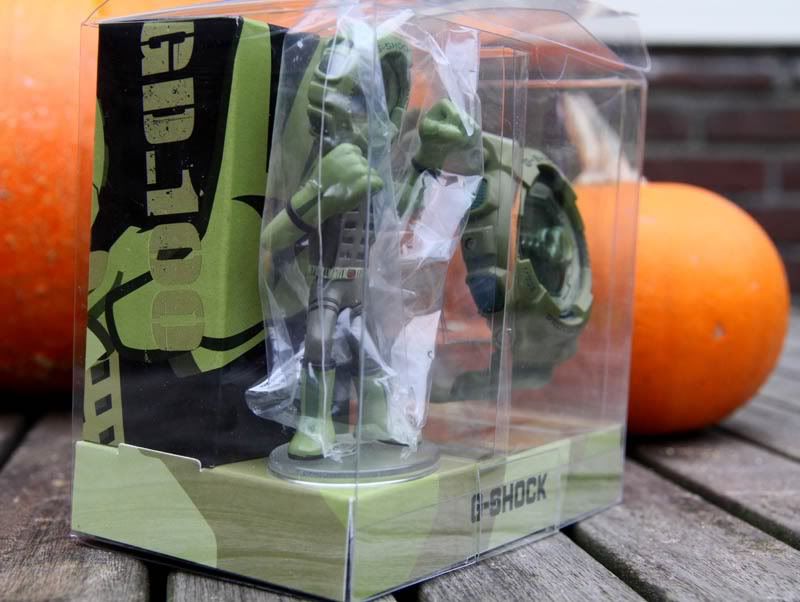
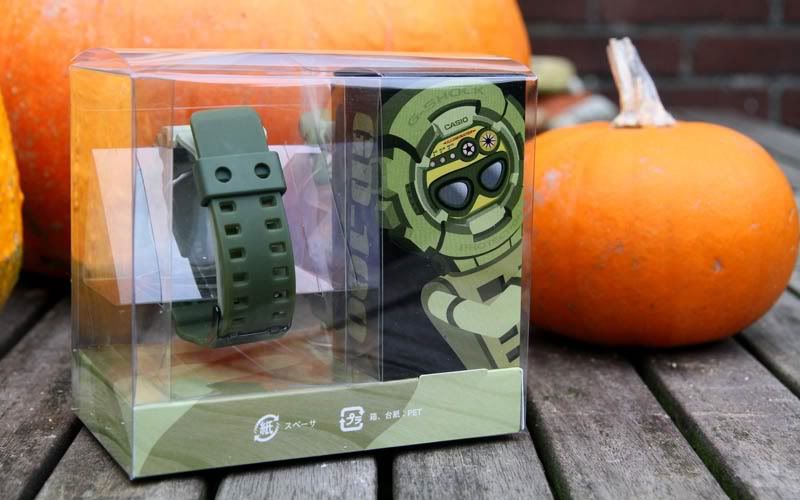
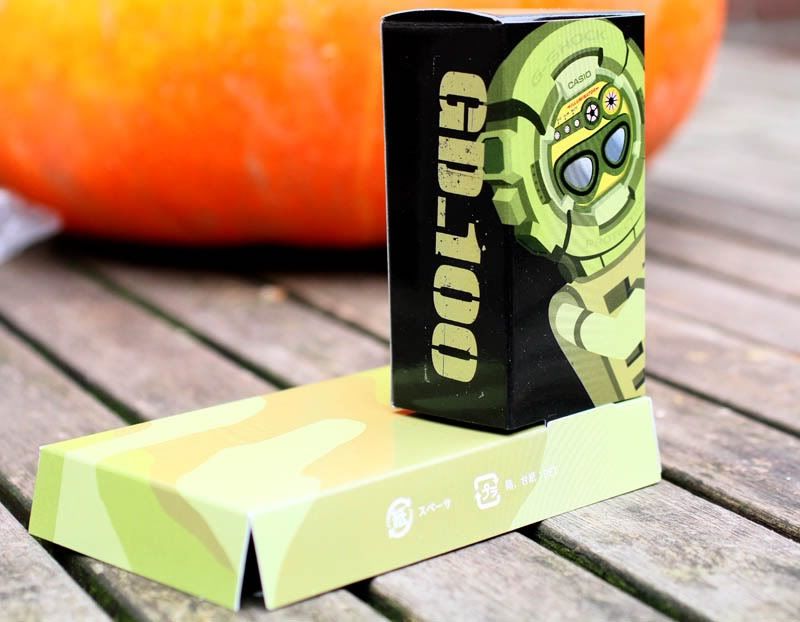
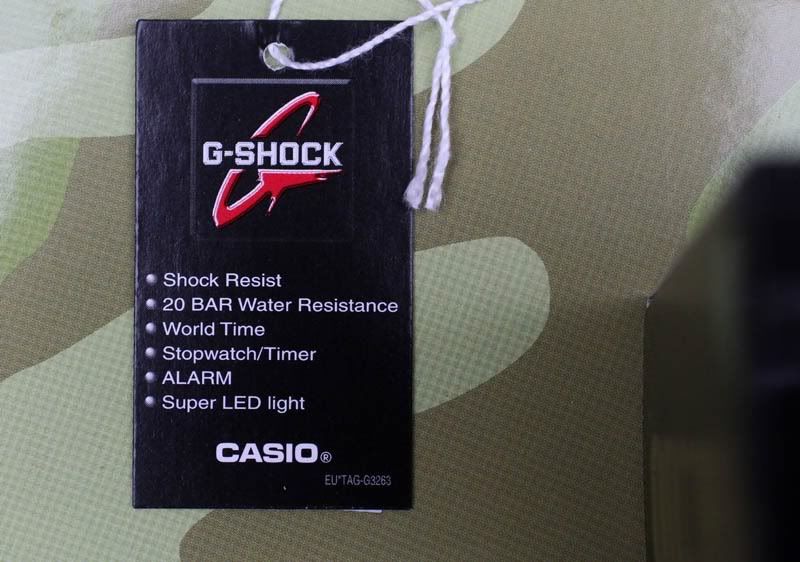
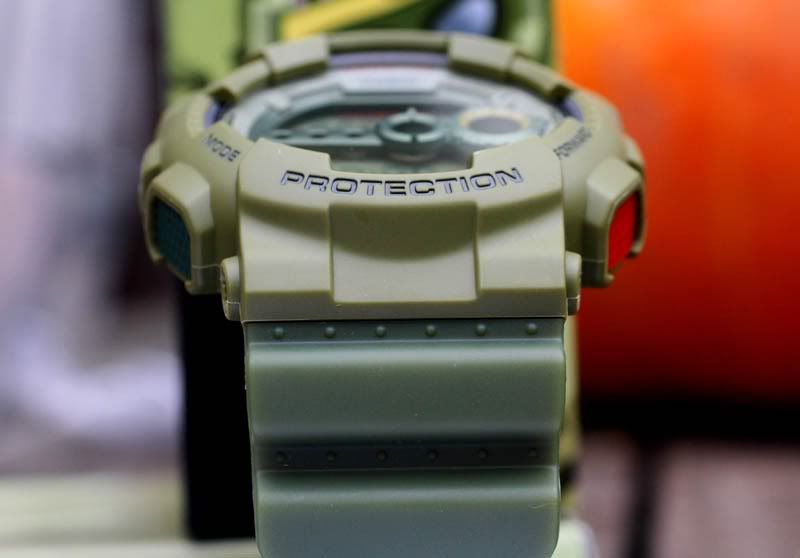
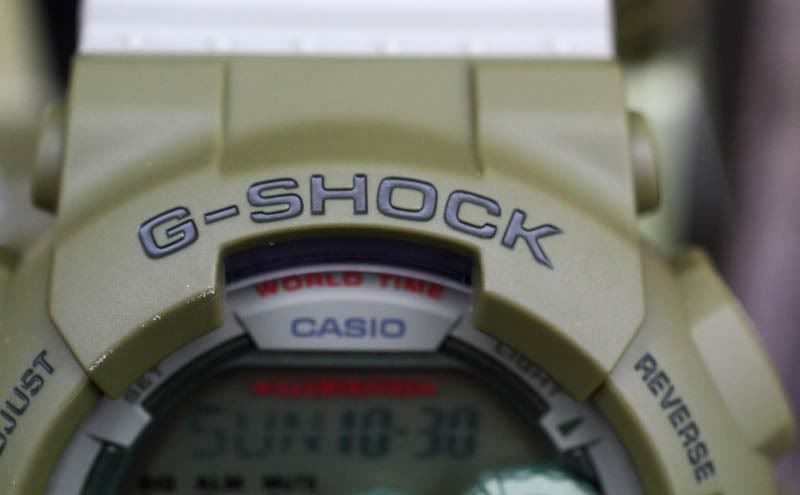
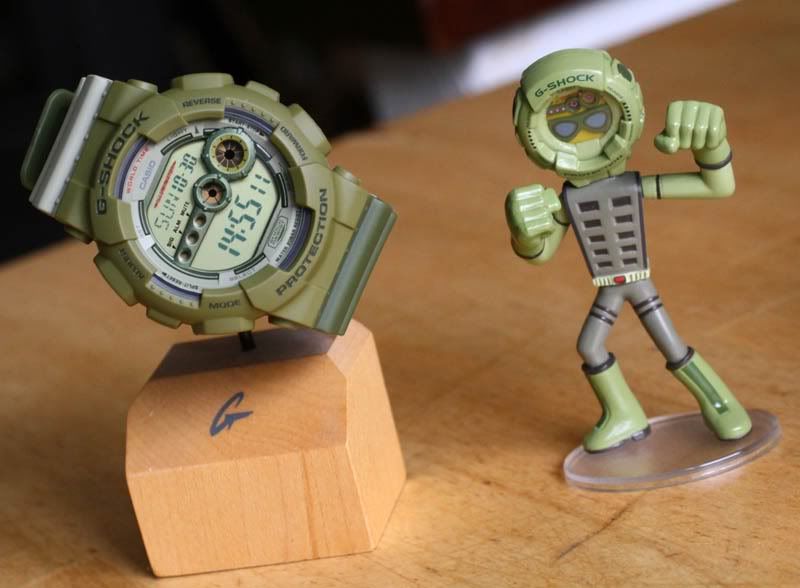
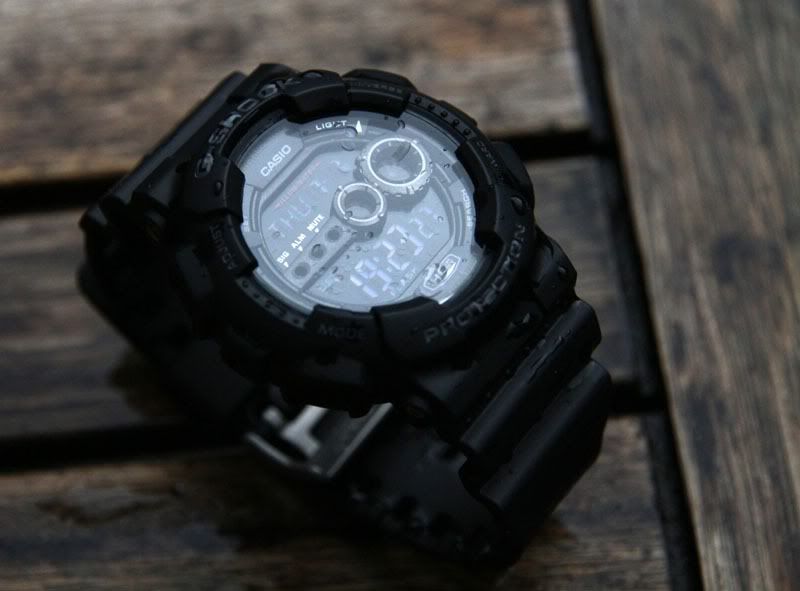
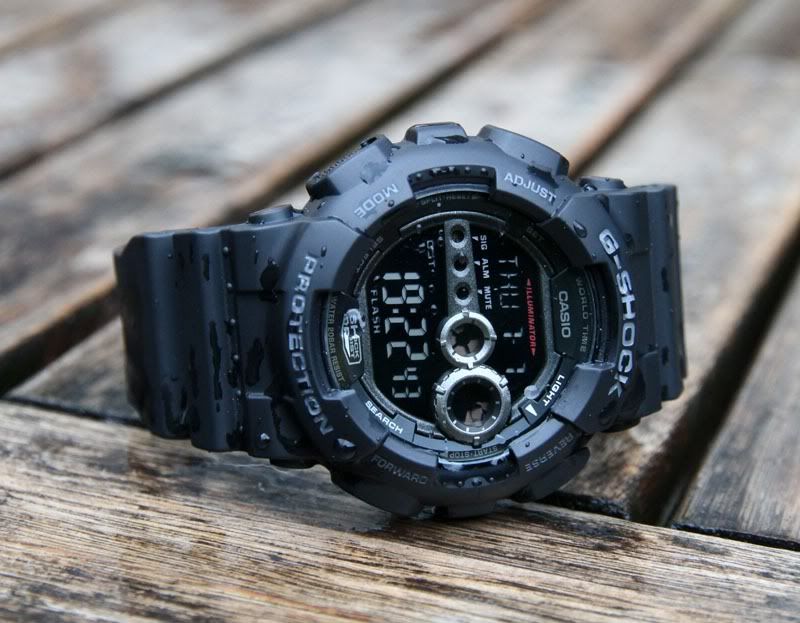
Image used with kind permission of Casio Benelux.
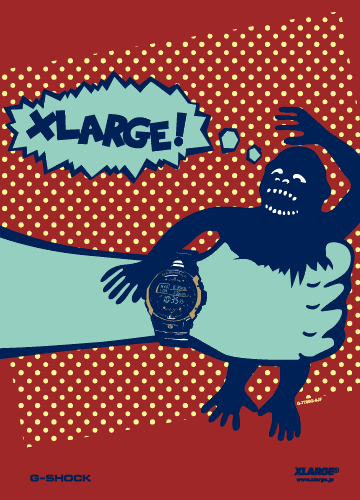
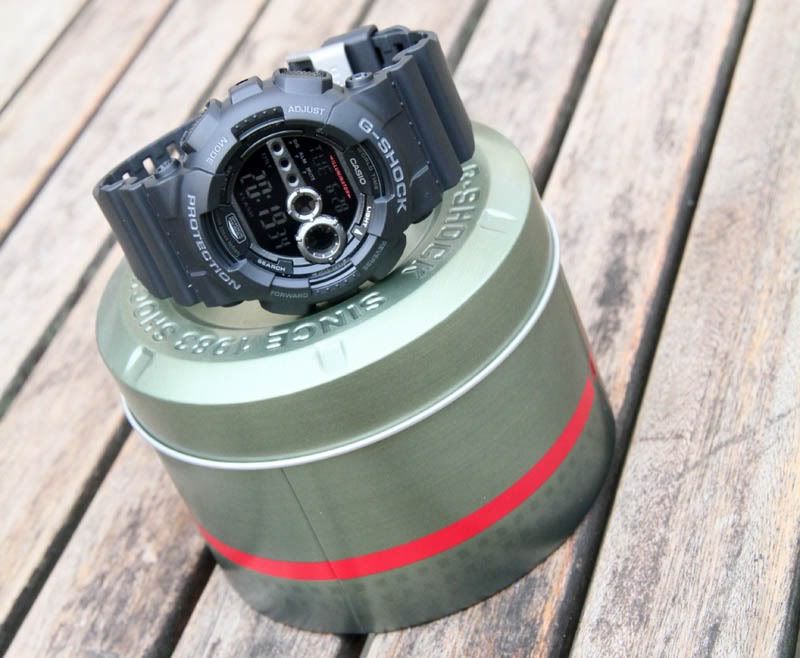
When I attended the Shock The World 2011 leg in Amsterdam June 16th there was a lot to see. One thing my eye fell on was a poster of X-Large clothing. The big Gorilla, that is featured in their logos, is holding a big G-Shock. It’s probably no coincidence he is holding a GD-100-1BER. This model is marketed by Casio as an X-Large model.
Above: First poster X-Large x G-Shock Collaboration, probably from 2007or 2008 . Middle:Second poster: "XLarge Recomended!" from 2011. Below: Graphics of the 25th Anniversary of G-Shock T-Shirt by X-Large.
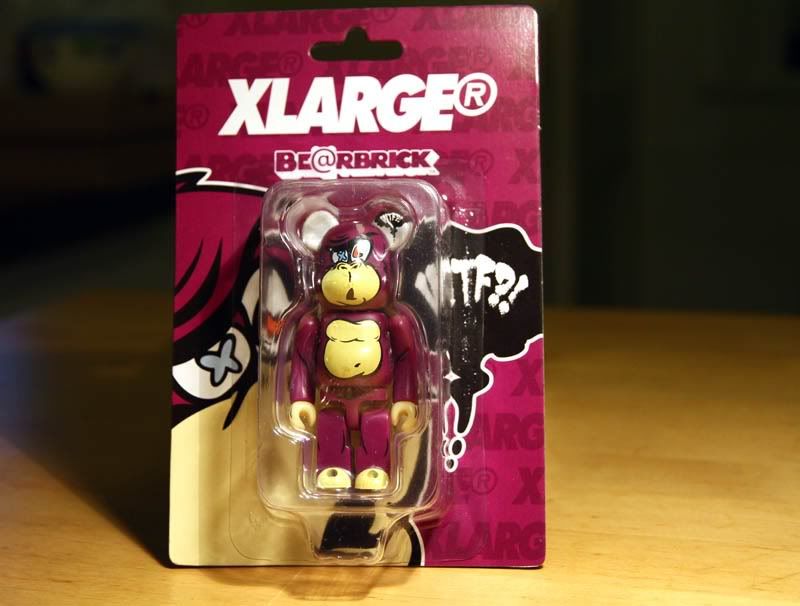
Funny thing is, I have visited two X-Large stores in Japan. The biggest sizes they sell there is L (and Size L is about European size M). A pity, because they make very cool shirts. I bought a Be@rbrick instead, kind out of frustration
(^o^).
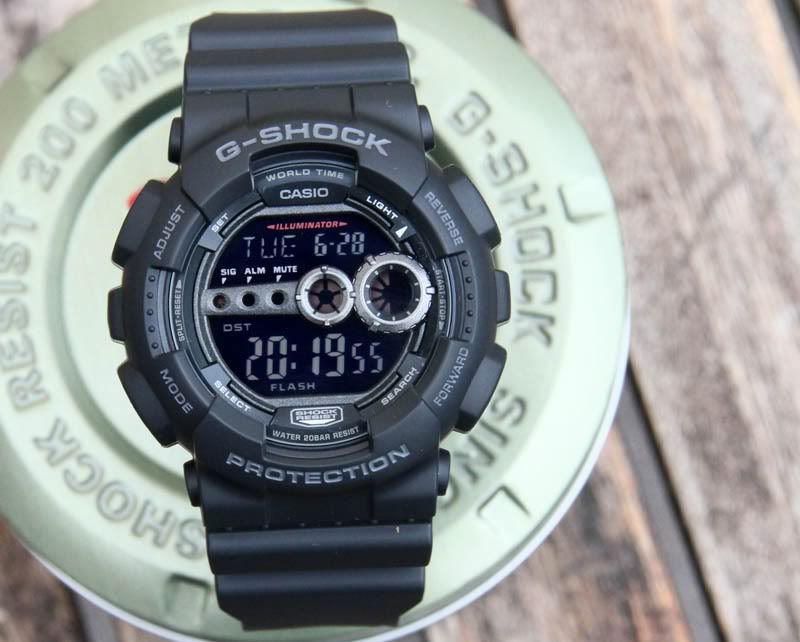
The GD-100 model was introduced in September 2010 in Japan. It houses in a similar case as the GA-100 and GA-110 models, but in contrary to these first mentioned models, this model is full digital.
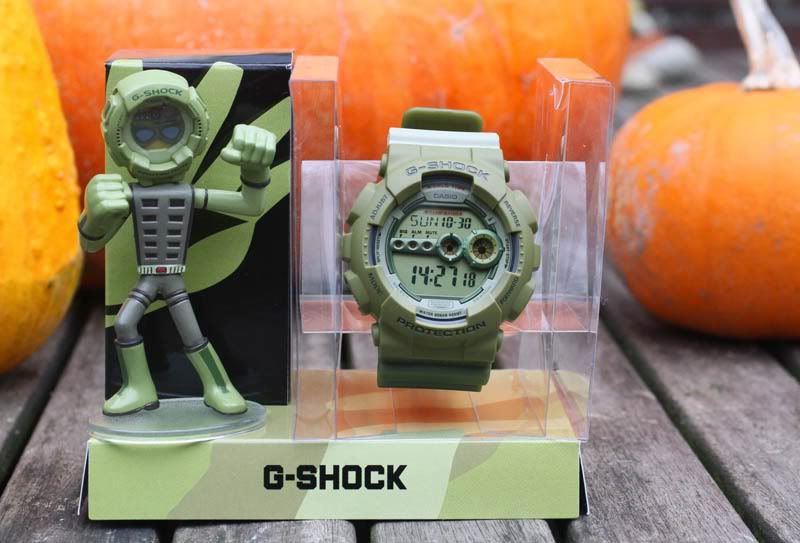
As a VIP or Press representative on Shock the World, you get a goodie bag. The goodie bag contained this GD-100 model, which was cool. I noticed a lot of invited guest were wearing this model (artists were actually wearing a colored version of this model), so I think Casio provided a gift that was well received to their guests. As I was wearing my GW-203K-4JR, I choose not to wear this model, as my red jelly Frogman was drawing a lot attention.
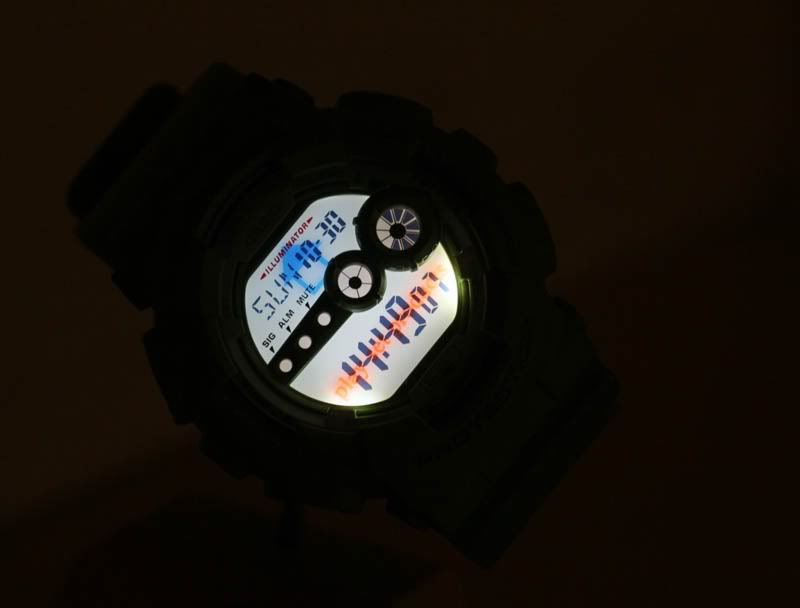
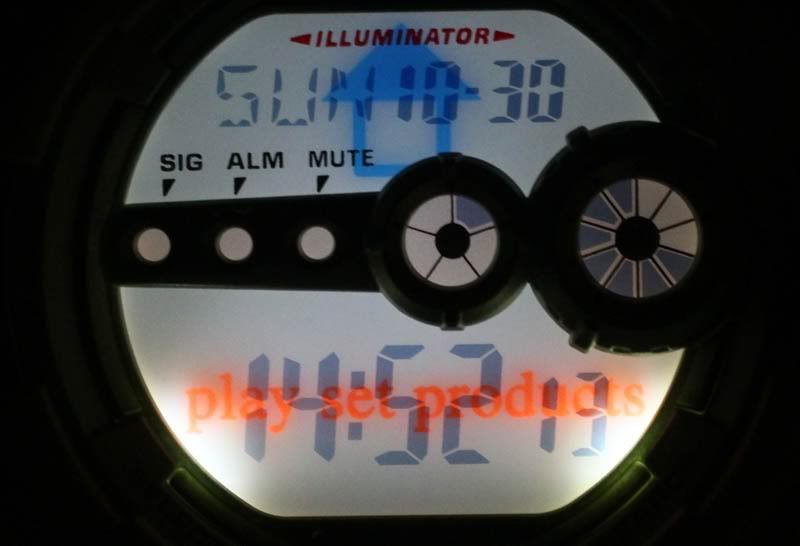
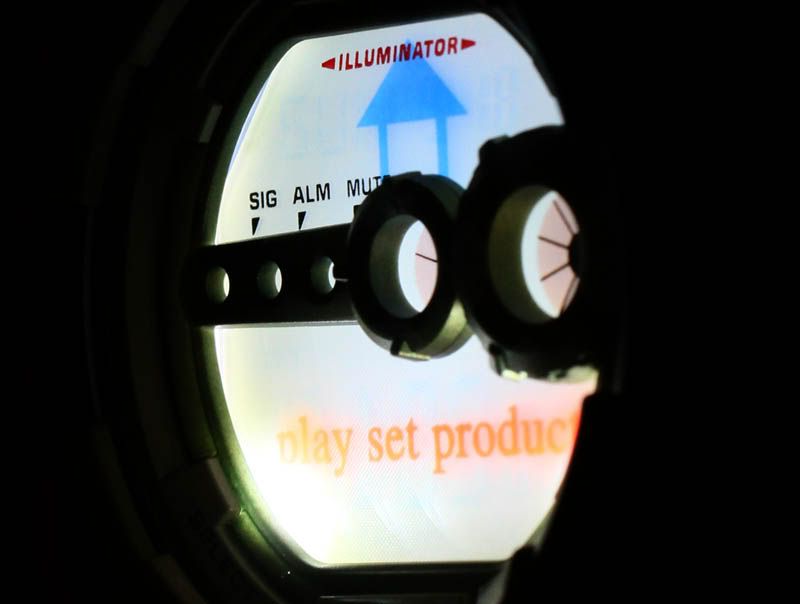
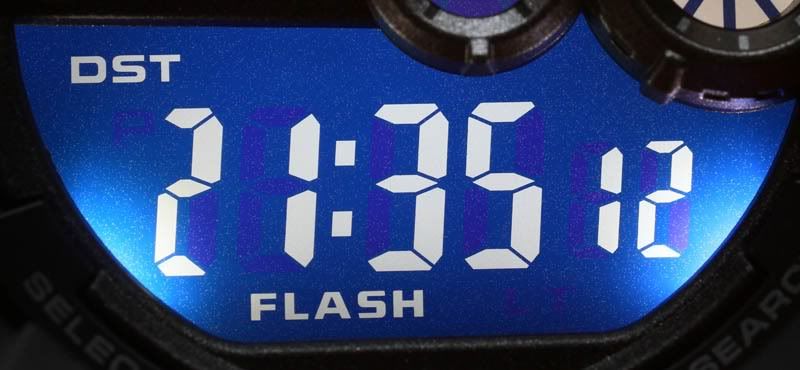
This does not mean I don’t like this watch. The GD-100-1BER has a nice negative display and I am fond of these kind of displays. As this is the first G-Shock of this model I have, I have finally the chance to see what is so special about the new 2 LED backlight. I must say it is pretty cool. I had expected a less readable display, but the display is good readable when the LED backlight is activated in the dark.

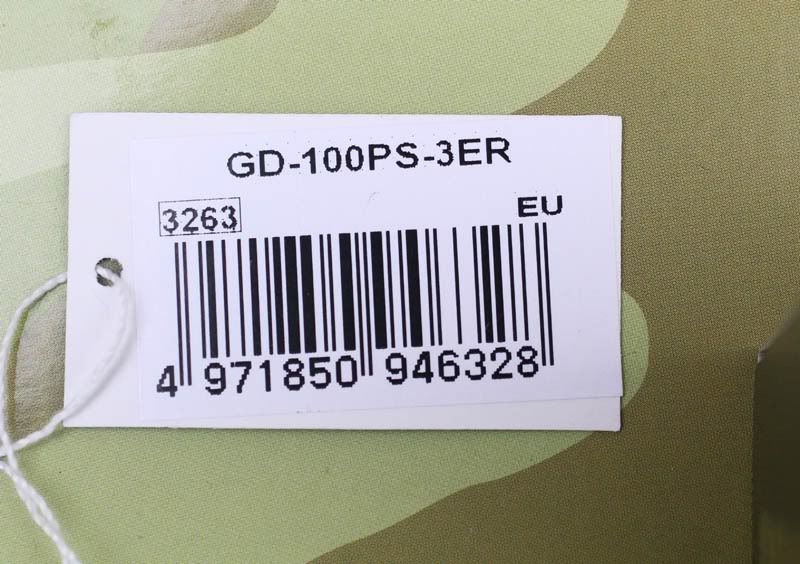
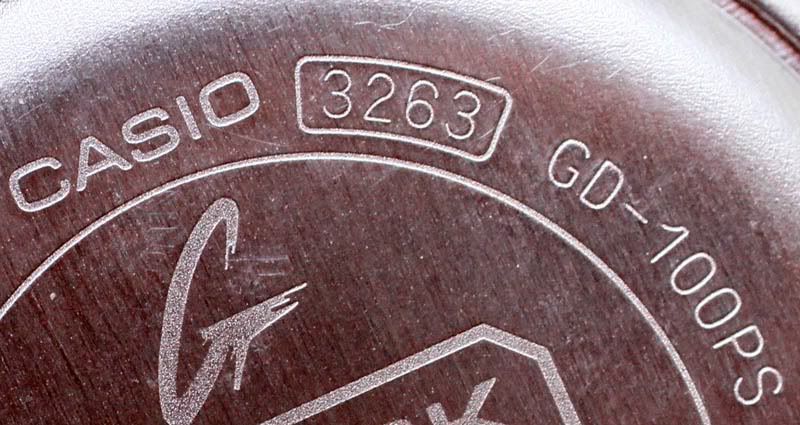
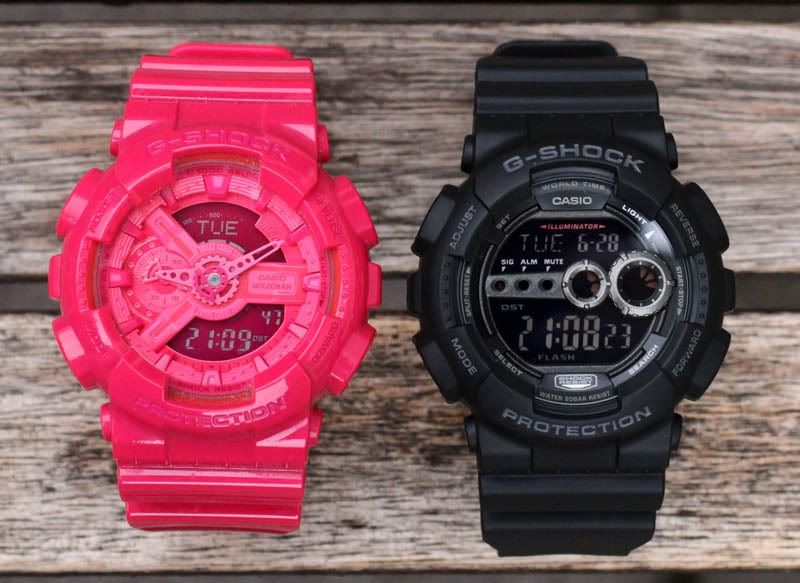
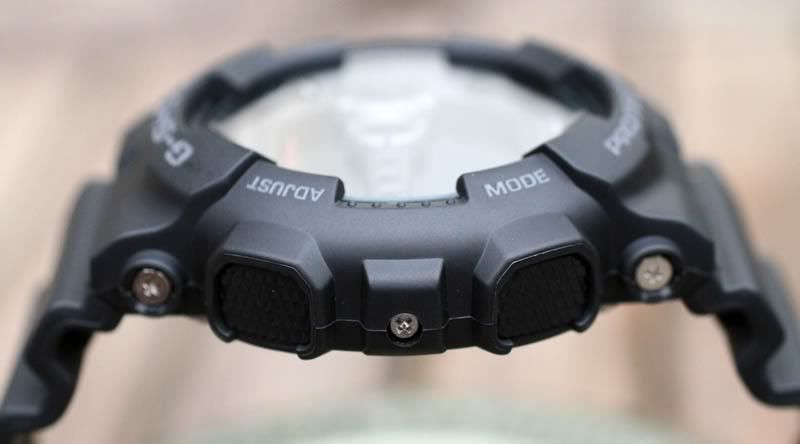
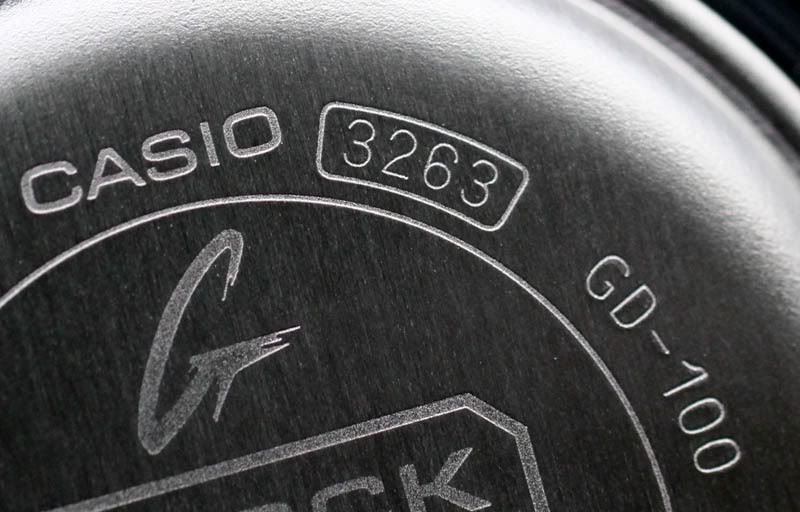
This watch uses the 3263 module. Sometimes people ask what is the module and the case are. The case is the “naked” housing of the watch. It is covered by the polyurethane bezel, that can have different color variations. The module is the engine of the watch. If it was a mechanical watch, it would have been its caliber. One type of housing can have different modules. The round basic model of G-Shock, the DW-6900, had several different modules in the past. Of course, it is well known for its 1289 module with the three eyes, but there were also models with three sub displays and G-Lide models with a total other look. I suspect that the GD-100 case is practically the same as the GA-100 and GA-110 case. The letters A and D stand obvious for Analog and Digital. This extra letter is added probably because the G-100 is a totally different much smaller model.
Left the GA-110B-4, right the GD-100-1B.
So what’s on board this X-Large watch. It is pretty much a basic G-Shock, but then bigger. For a basic G-Shock it has quite a lot of features on-board. It’s actually recognizable as a basic model on the G-Shock Perfect Search website, as basic models do not have a date of release mentioned (I wish they did actually).
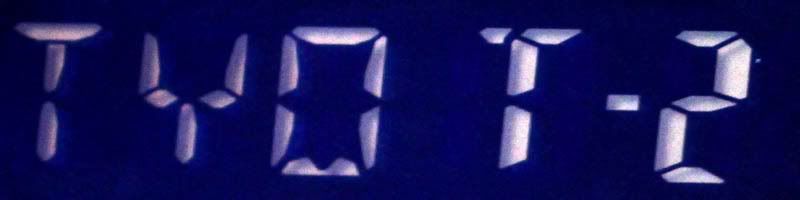
The Timekeeping function looks regular (it is linked to the World Time function, so first set the your time zone and DST, before editing time. A cool thing is that you can program 4 time zones in regular Time Keeping. When you press “Forward” (lower right) you can scroll through the programmed cities. Note that you must apply DST for your programmed time zone if needed. Once programmed, this can be a powerful function for people who travel a lot to different time zones. Let’s see what modes (functions) there are on this watch.
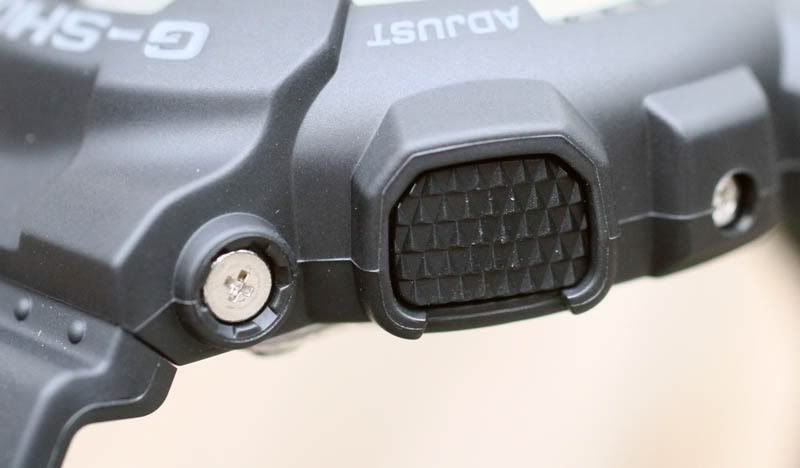
The first mode you’ll find is the World Time mode. The GD-100 has 48 cities programmed in 31 time zones. The only thing I do not like in the World Time mode, is that you can only scroll Eastwards. When you try to scroll West (upper right button), you activate the LED backlight.
The second mode is the Alarm Mode. There is room for 5 daily alarms on this watch and it has of course also a hourly chime. T the watch also has a Flash function. When turned on, not only a sound will be heard, but the display LEDs also flashes. You can turn on and off the Flash function while adjusting in Timekeeping Mode.
The third mode you’ll find on the GD-100 is the 24 hour Countdown Timer Mode. I think 24 hour is pretty sufficient. Remarkable here is that you can set the timer to the second. Normally you can program a 24 hour Countdown Timer only in minutes. If you have to program small timer intervals this can be handy. I am used to time longer intervals, but I guess this will make a lot of people happy.
Last you’ll find the Stopwatch Mode. It is a 24 hour stopwatch. I think 24 hour is sufficient for most timing uses .
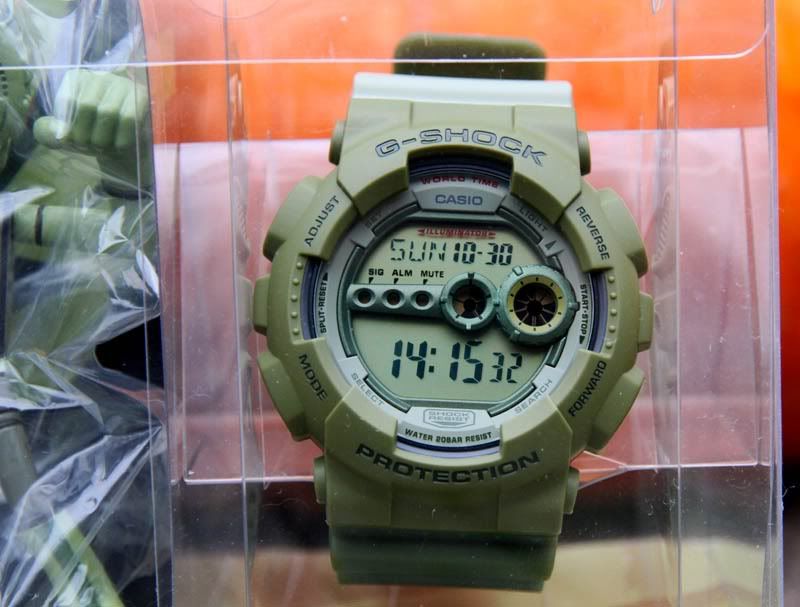
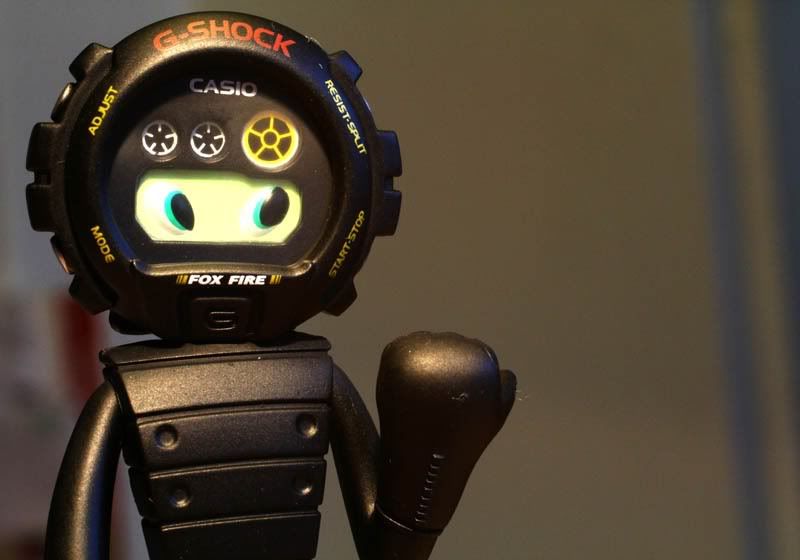
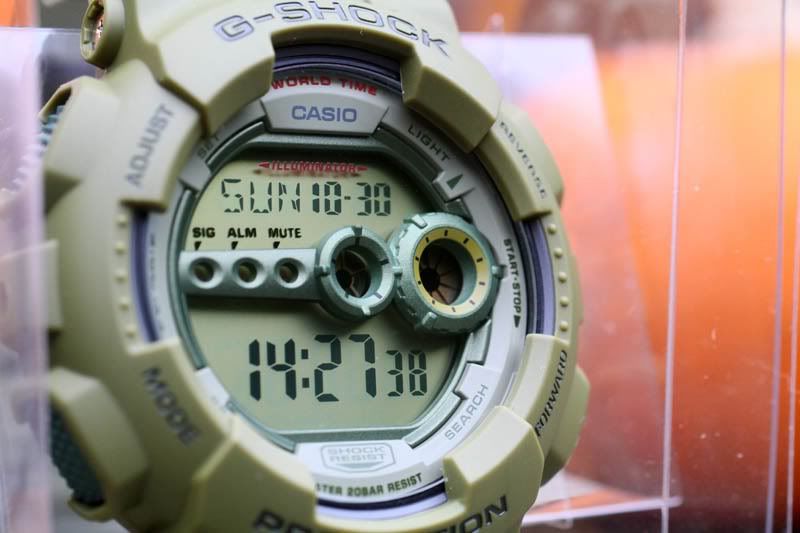
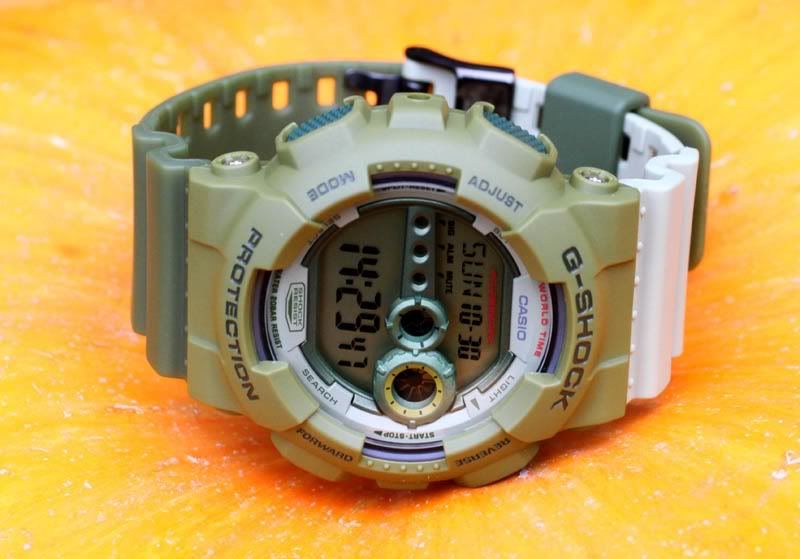
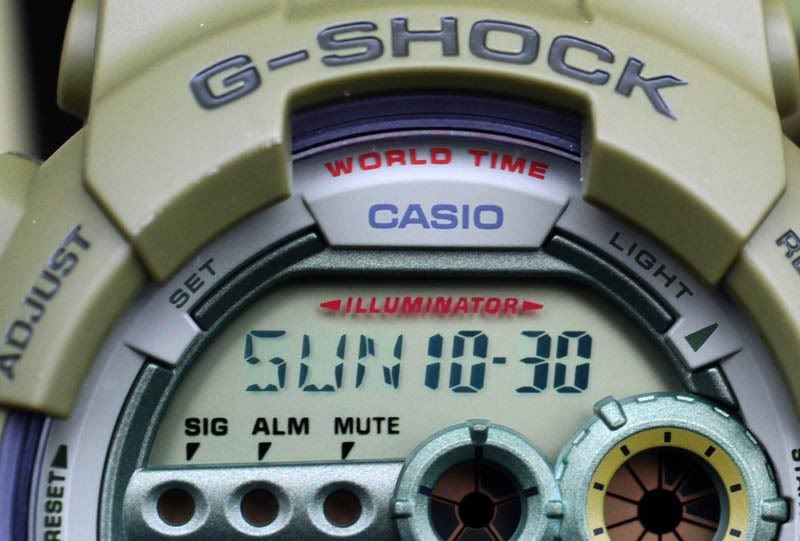
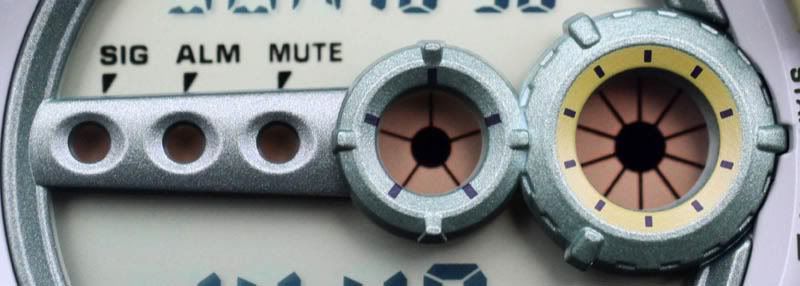
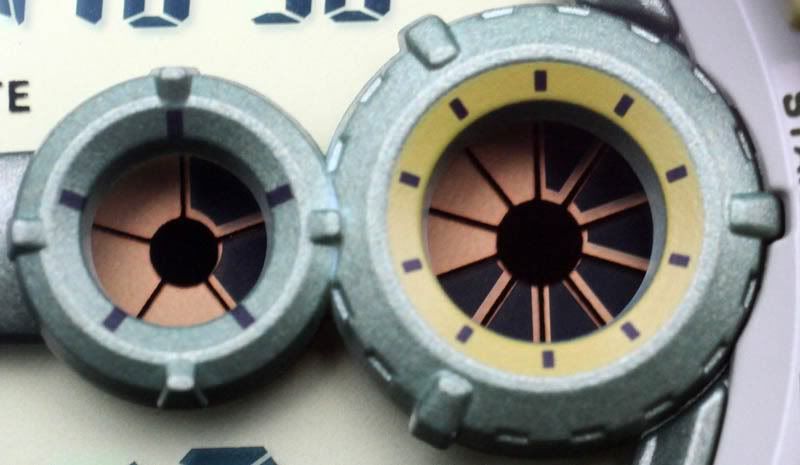
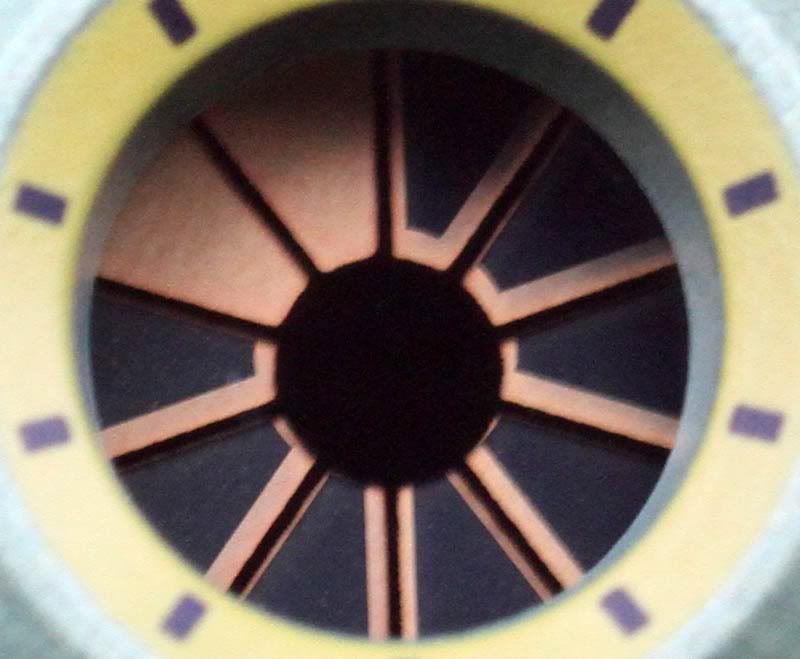
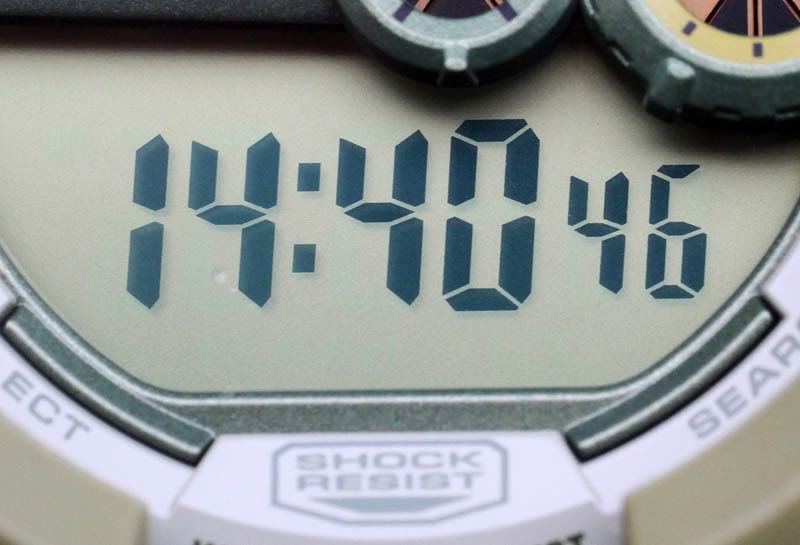
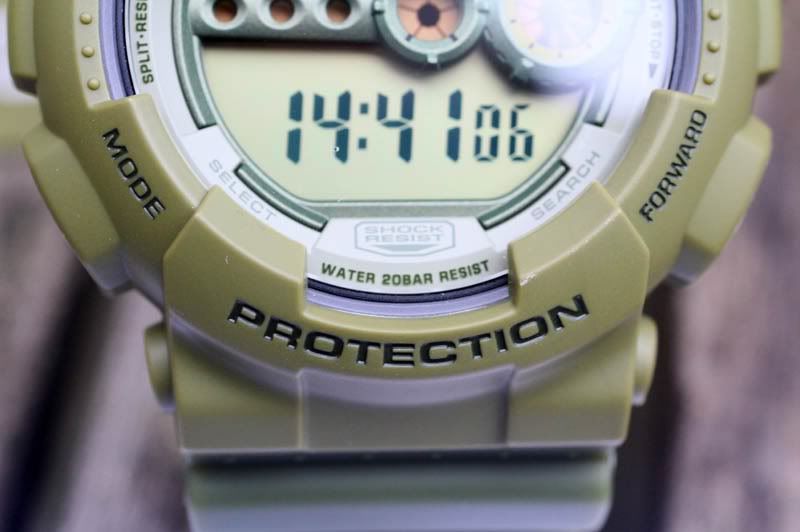
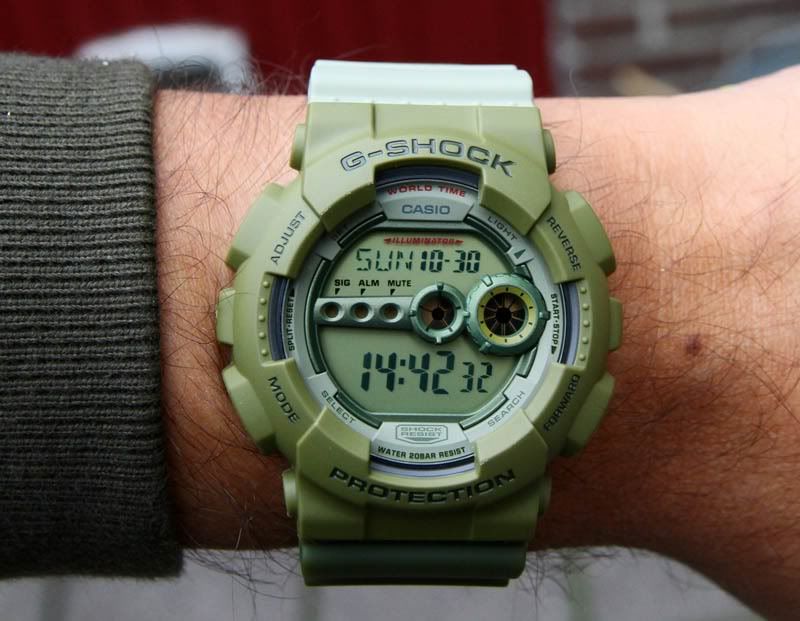
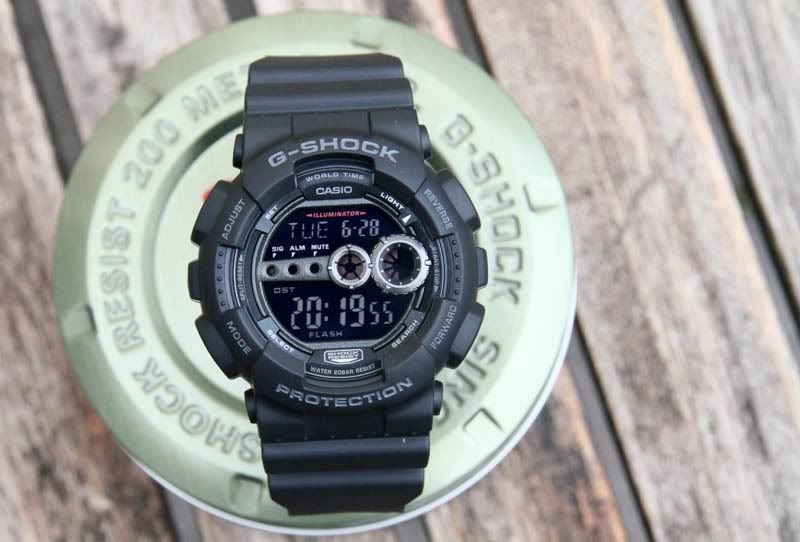
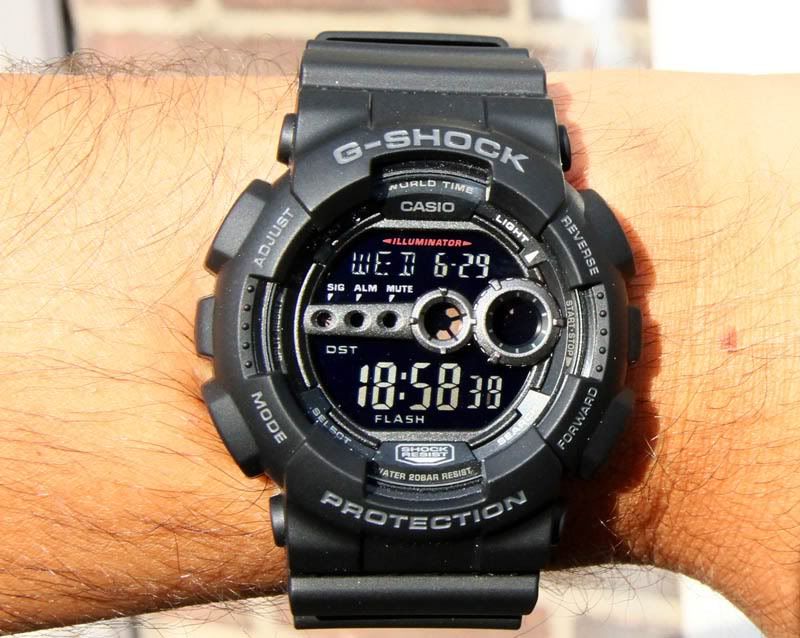
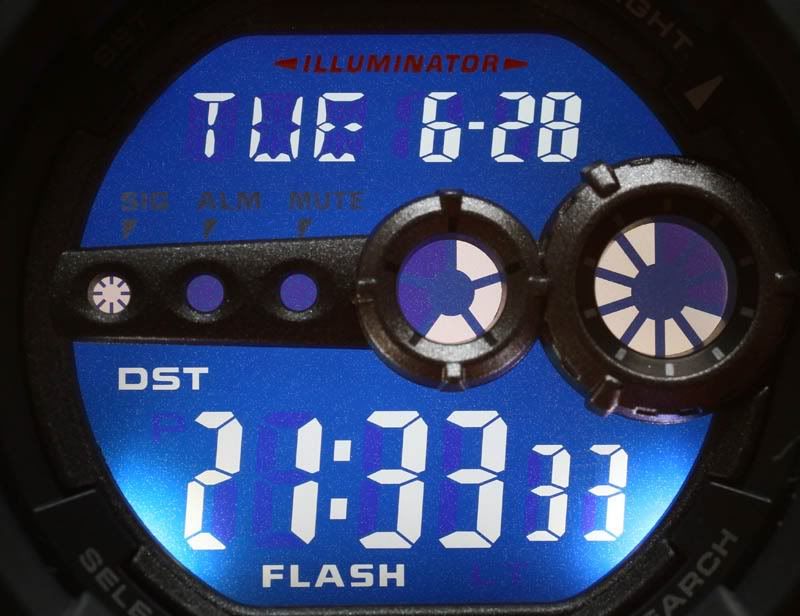
The display of the GD-100 is divided in an upper display and a lower display. The displays are divided by a set of three small eyes and two big eyes. Casio calls the two large eyes “Graphic Area’s. The upper display shows mainly information, as the day and date, the Timezone City Code or the mode you are in, while the lower display shows primarily time in the different modes.


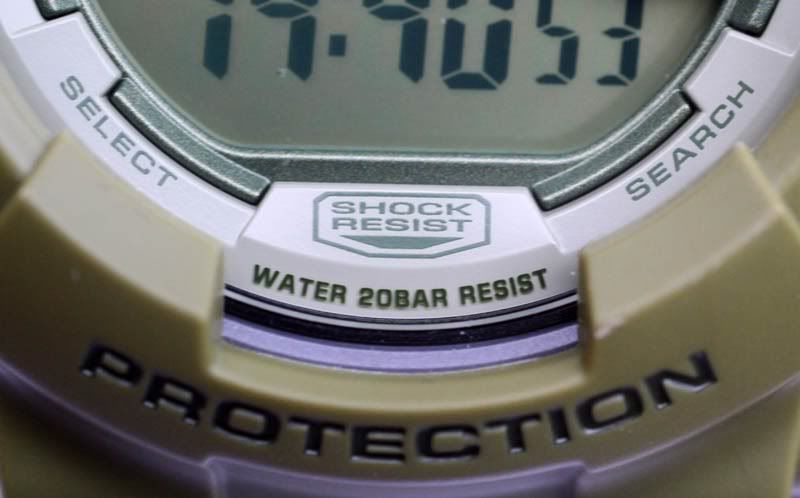
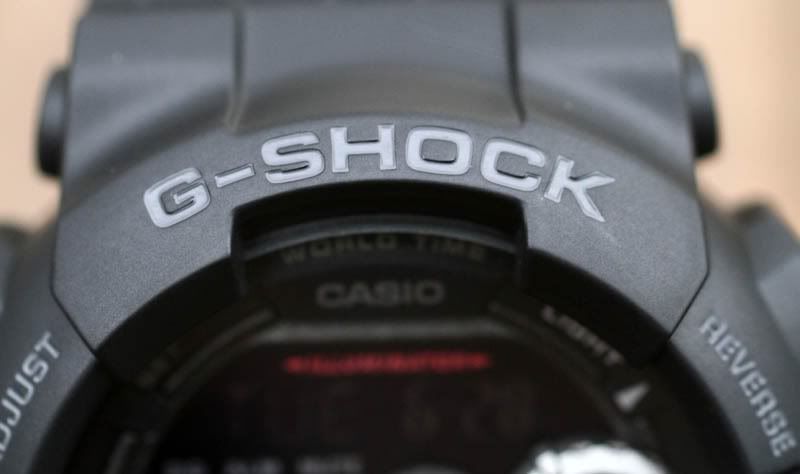
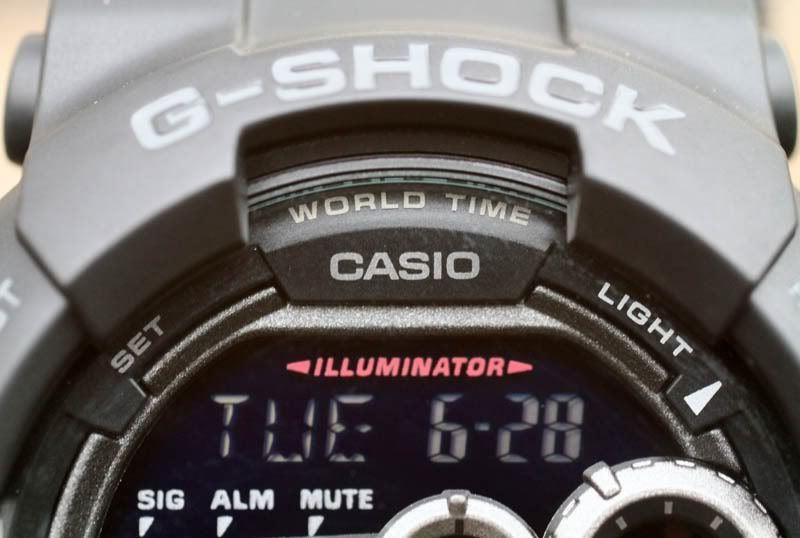
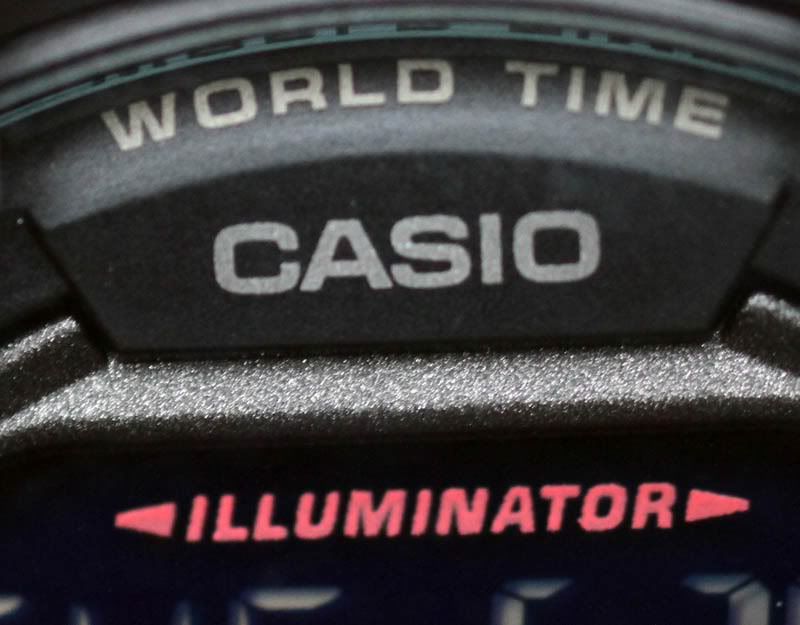
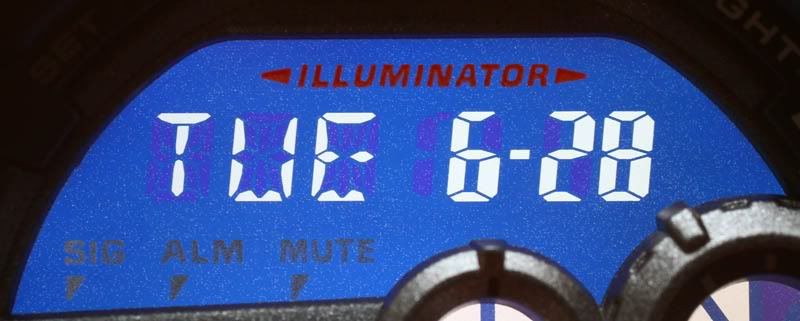
The digits look big in these displays. As this is a version with a negative display, it is a little bit less readable than a general (positive) display, but, hey, you wanted a cool looking watch. What I miss on this display is the amber background. Casio choose for this model the standard gray/green background. Personally I like the amber digits on a negative display more. Amber digits give a negative display more or less a military look. As this model is pretty stealth (the lettering is gray and only the word ILLUMINATOR is in red), amber digits would have looked very good. Actually there are two Military Style models (GD-100MS), one with an amber positive display and one with a negative display with amber digits.


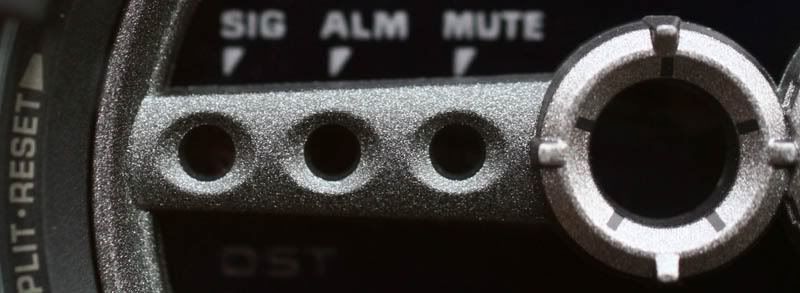
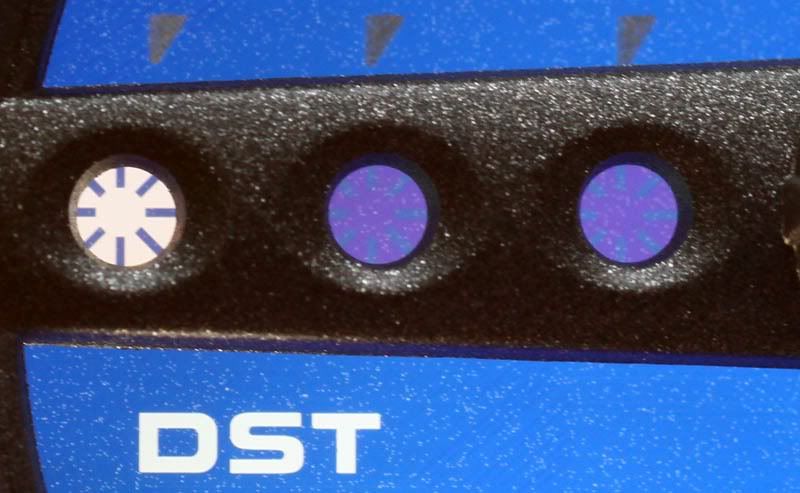
The three holes in the left part that divides the upper and lower display show if a certain function is activated or not. The these functions are the Hourly Chime, the Alarm and the Mute function. Indeed, you can toggle the Mute Mode on and off on this watch by press and hold the MODE (lower left) button for about 3 seconds.
The so called “Graphic Area’s” show elapsing time. In normal timekeeping mode, the small eye shows the 10 seconds, while the big one counts the seconds. In Countdown Timer mode and Stopwatch Mode the small eye shows the 1/10th seconds, while the big eye shows the seconds.
The LED backlight function is very sufficient. When activated in the dark, the negative display is very clear readable. Maybe it is the clearest negative display I have ever seen. I even think, when seeing this, I become more interested in other versions with other colored (amber) LED backlight.
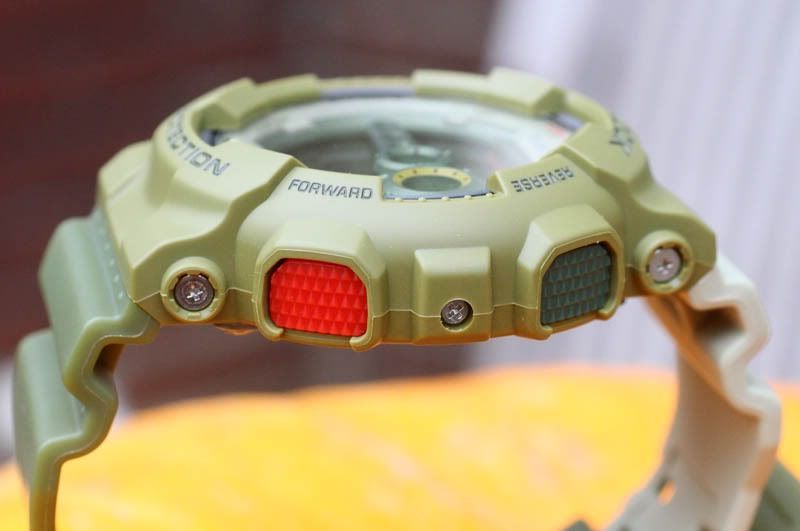
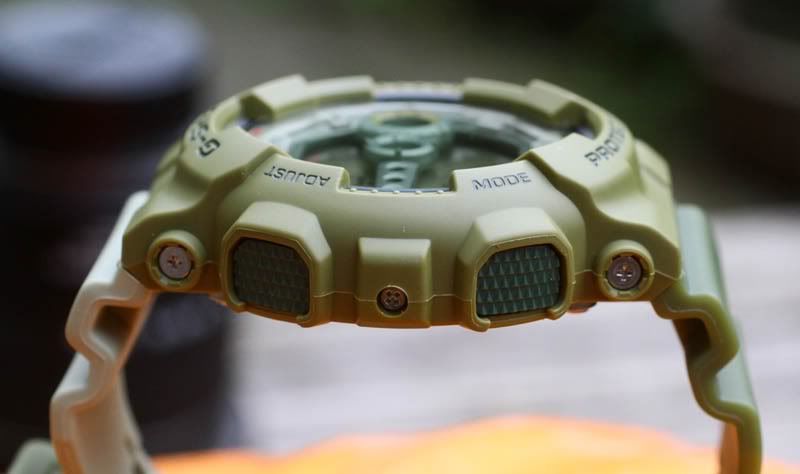
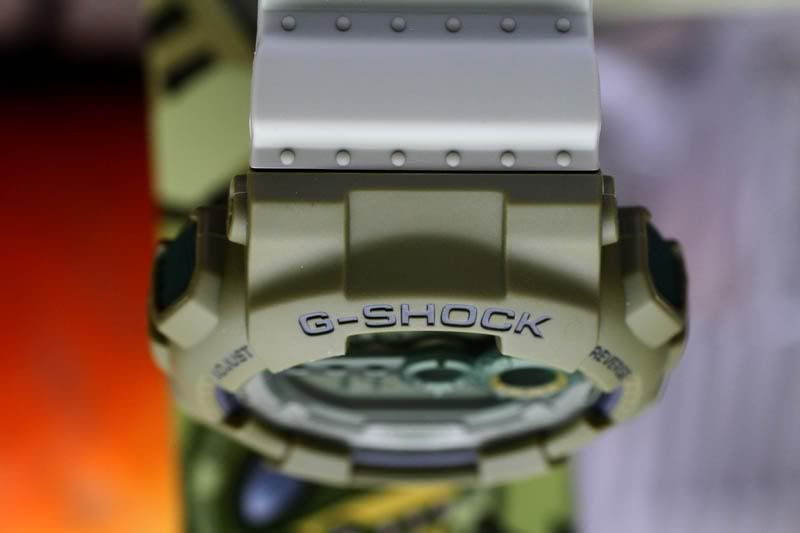
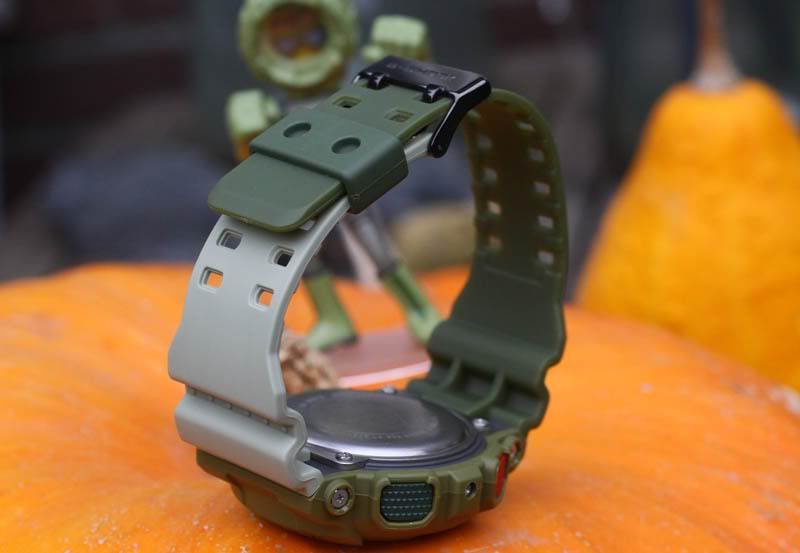
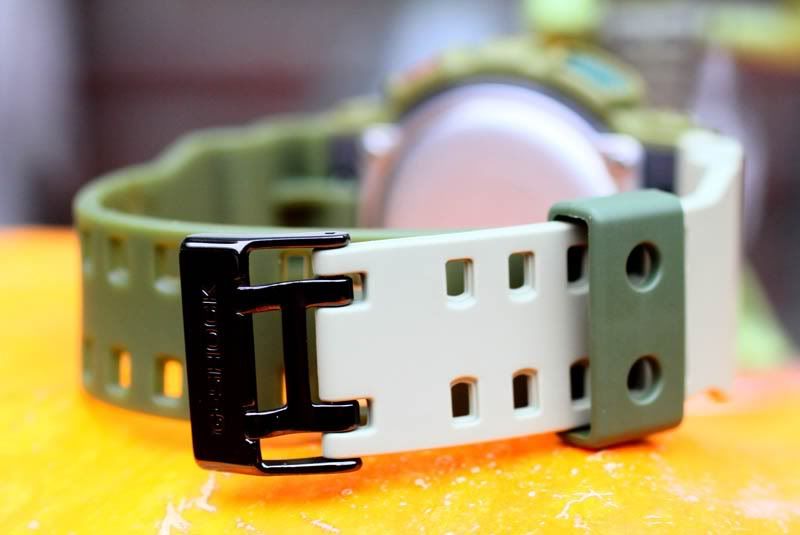
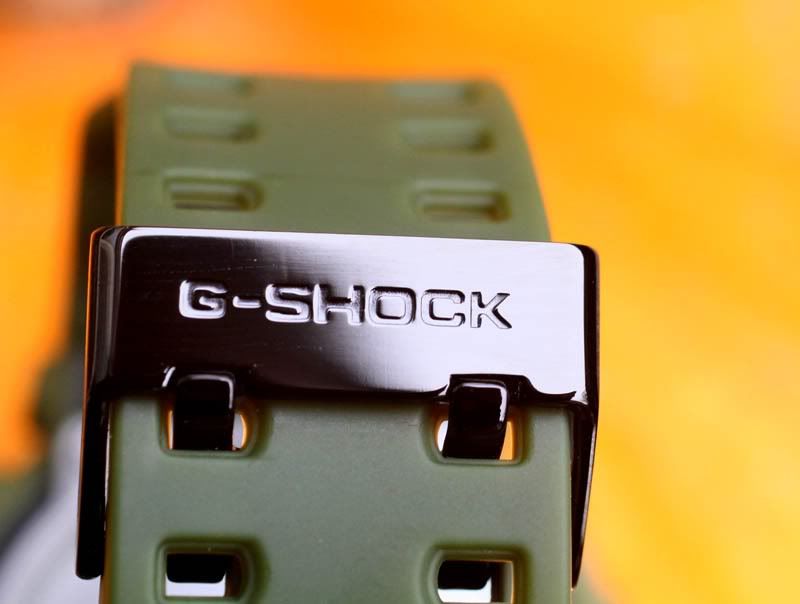
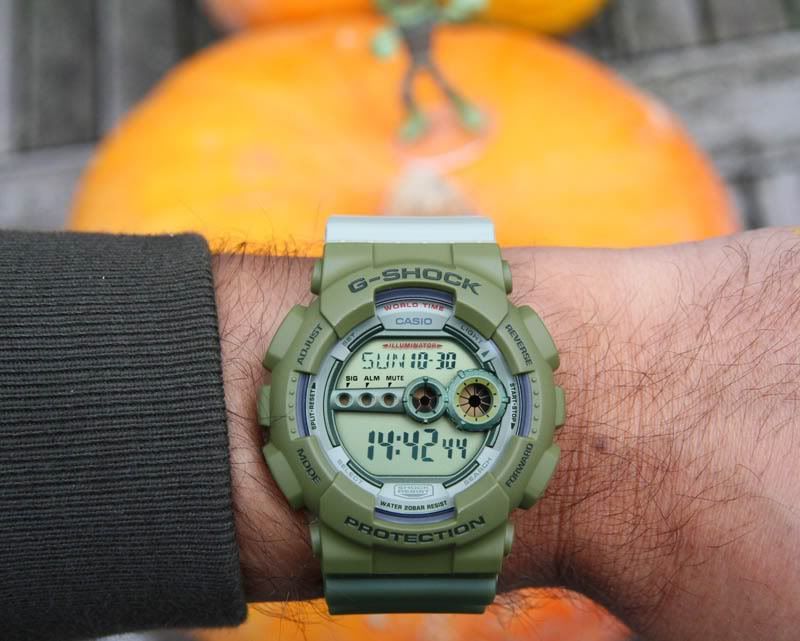
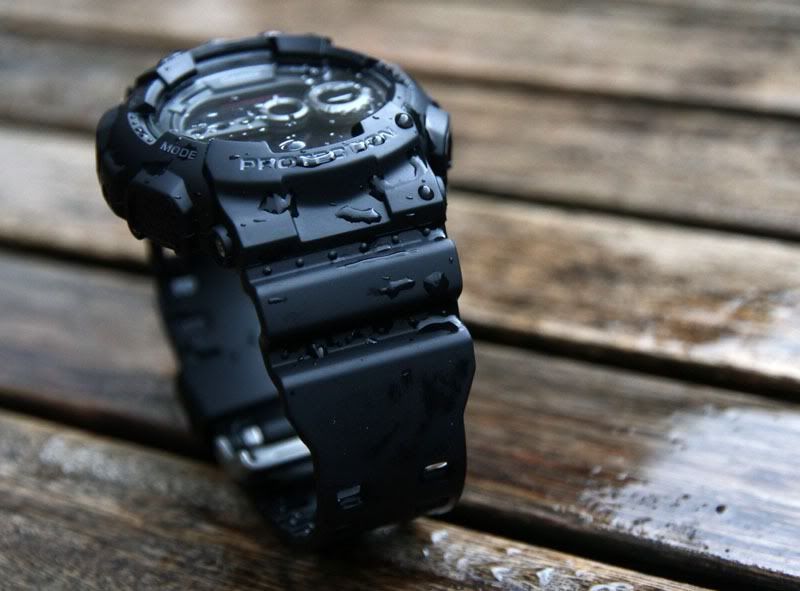
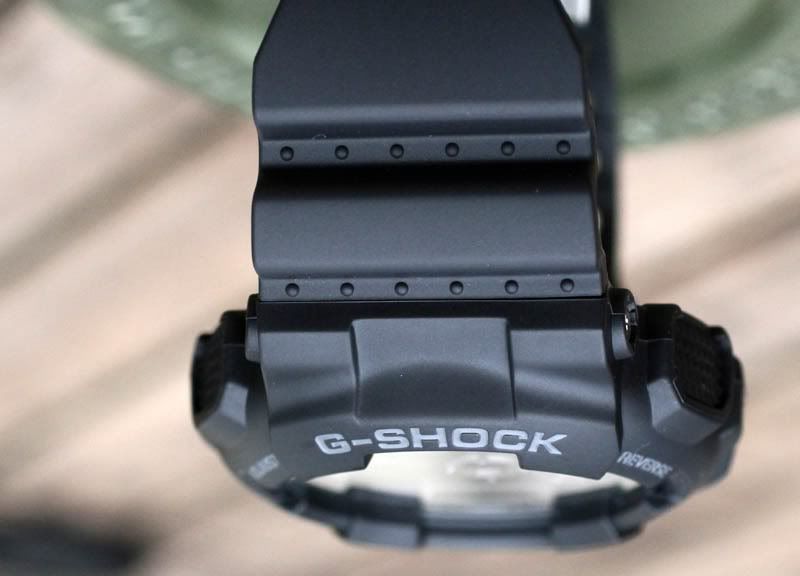
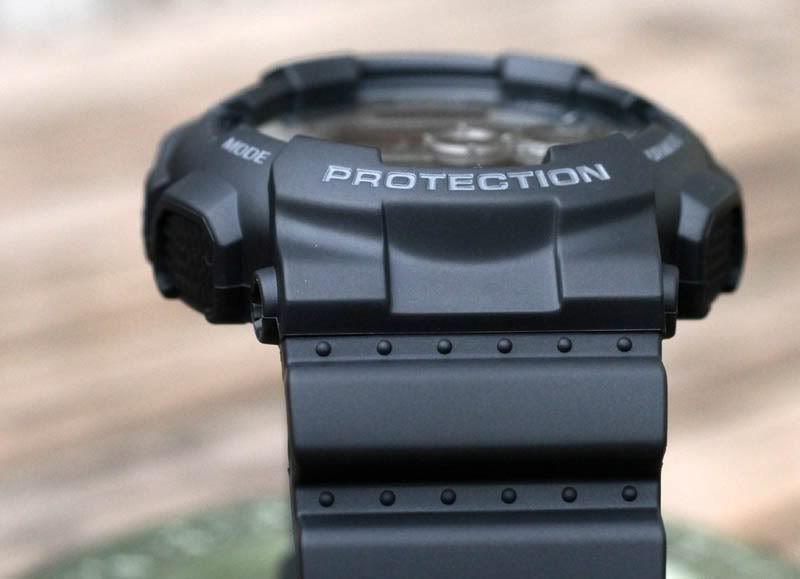
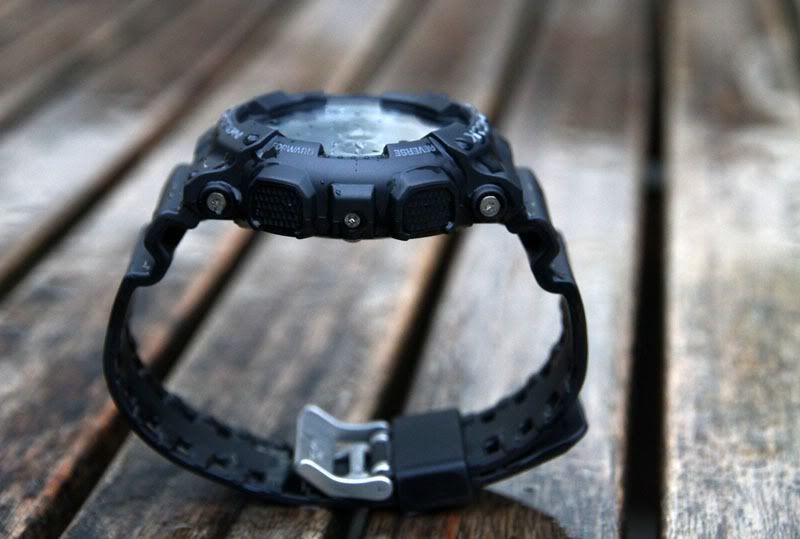
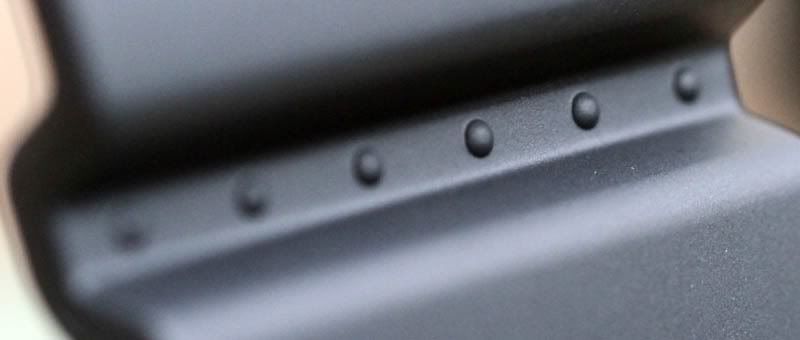
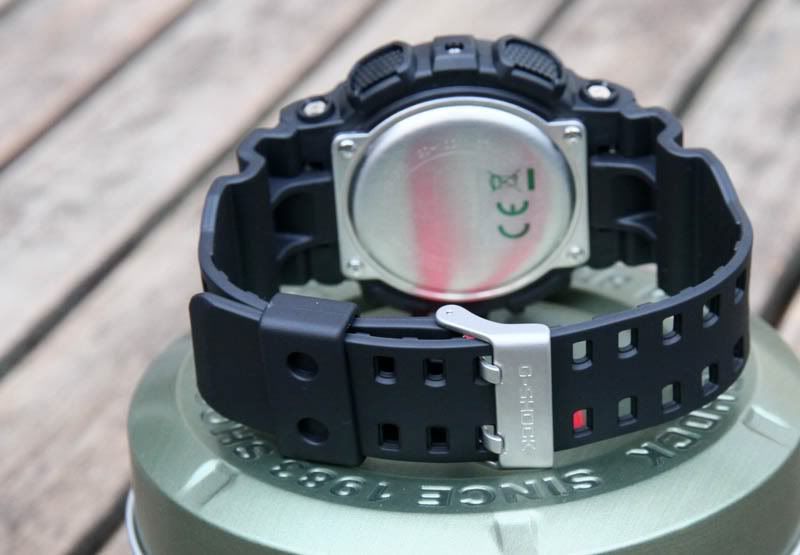
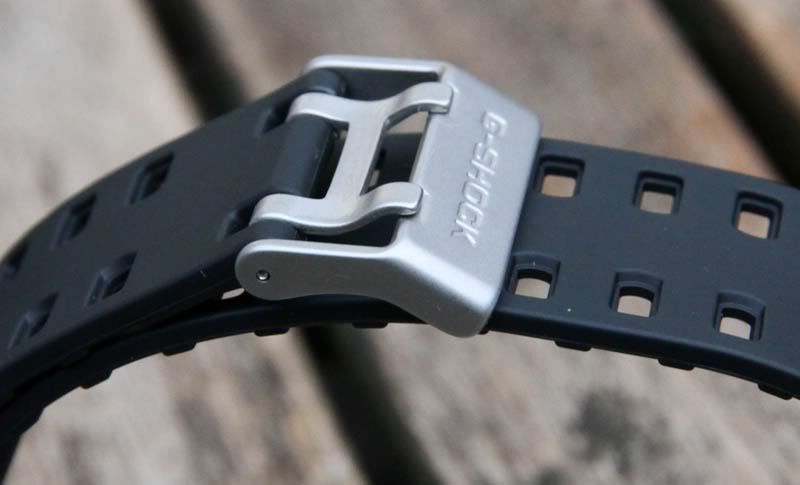
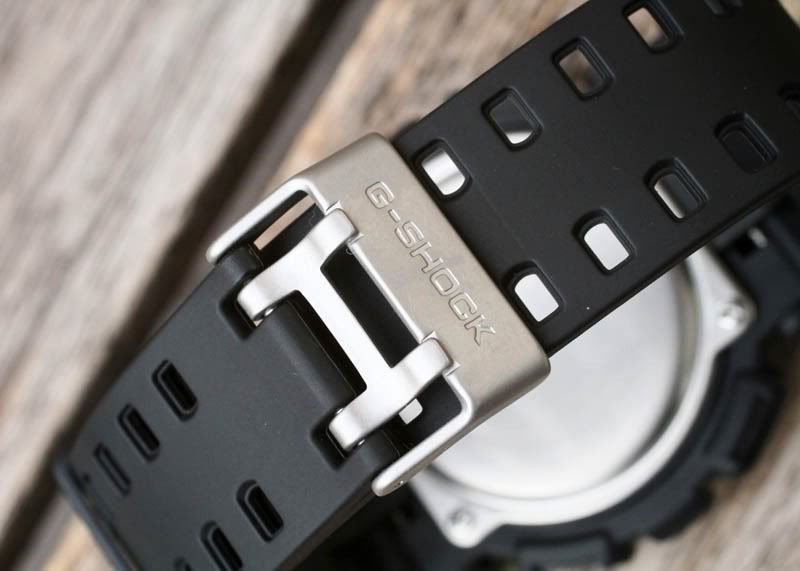
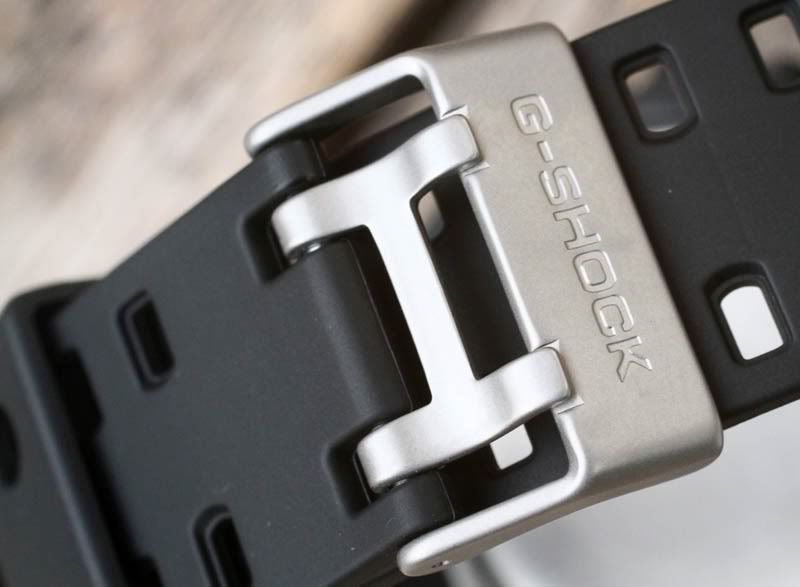
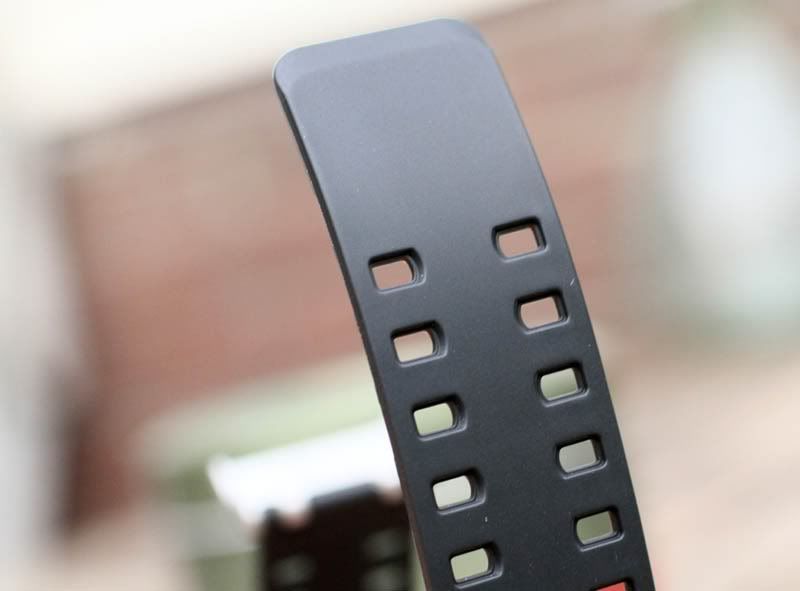
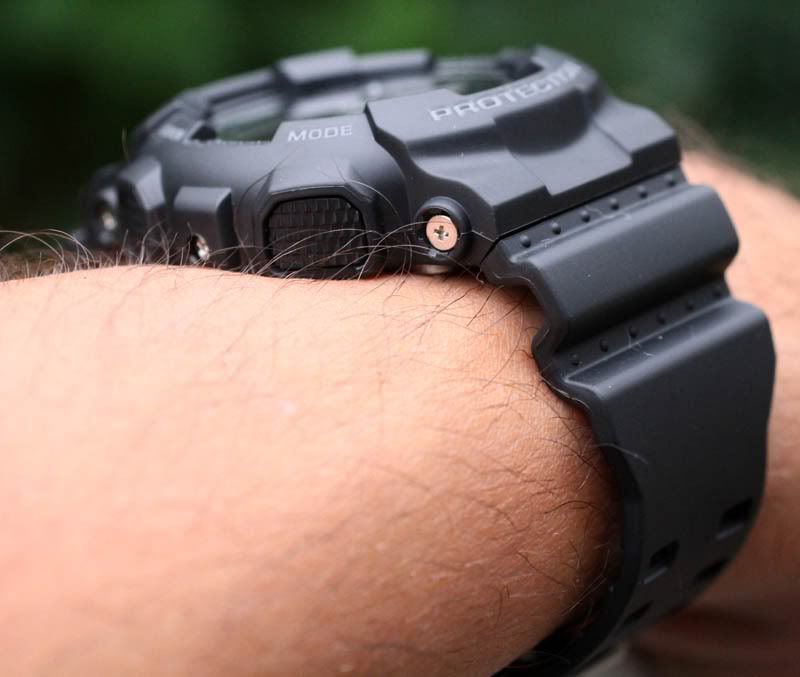
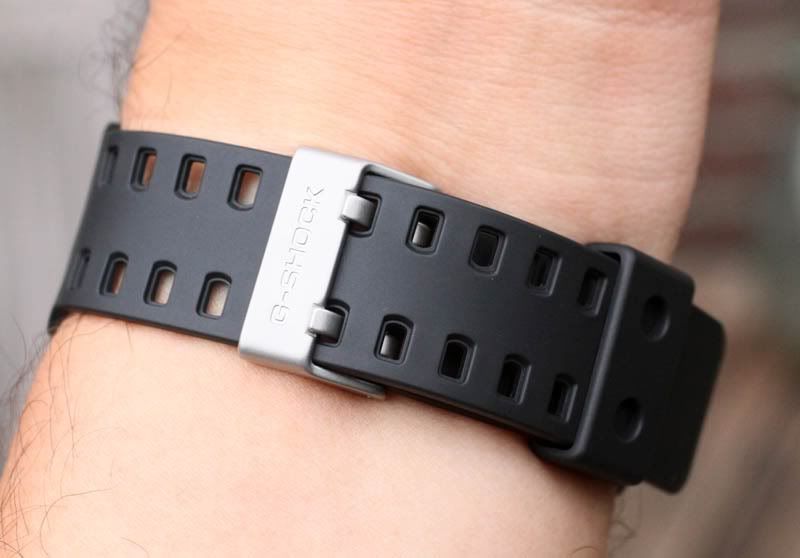
With a X-Large G-Shock, you’ll need a tough strap. The strap of this model looks like the regular hard when out of the box, but actually feels pretty comfortable on the wrist. The strap easily adjusts to the forms of my wrist. The double closure buckle makes this strap look very tough.
The GD-100 does not have the high price as the GA-110 and GA-110. It can be found even in the Netherlands for just under €90.- at Kish, which is about the regular price of a basic G-Shock here in the shops.
I think for this price you’ll get a basic G-Shock that has about all the features you can wish on such a model. Changing between 4 time zones in the Timekeeping Mode is one of the best functions I have seen in a while. The GW-3000 Sky Cockpit has a function in which you can swap fast between regular Time Keeping and World Time (also a very good function, I used it on the plane to Japan this winter), but that are still only two time zones. I had to get used to the look of this watch, with his strange eyes, but the longer I am studying and wearing it, I must say, the better I think this watch looks. I think Casio Benelux choose a good watch to give it their VIP guests on Shock The World Amsterdam. Thank you very much Casio!
Special thanks goes out by Bas Boersma and Bastiaan de Leeuw for helping me with this article.