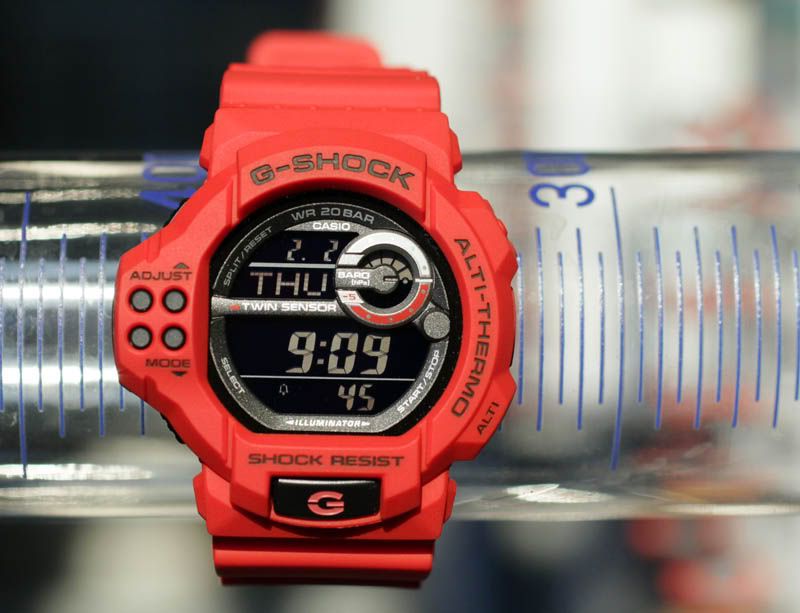
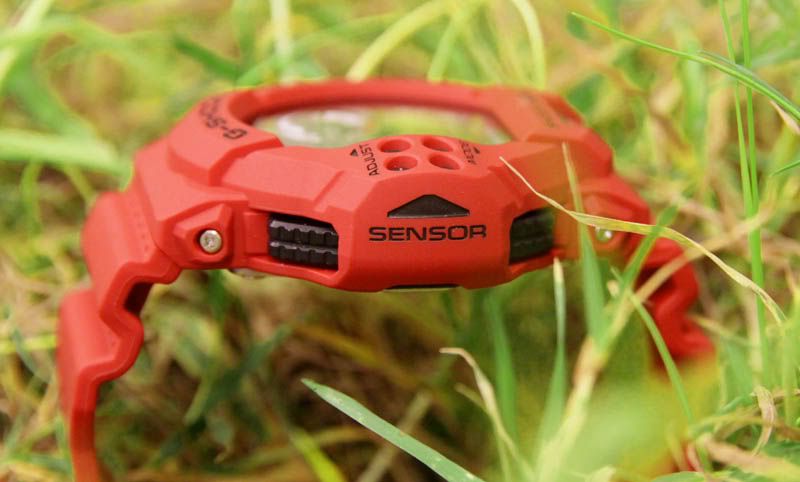
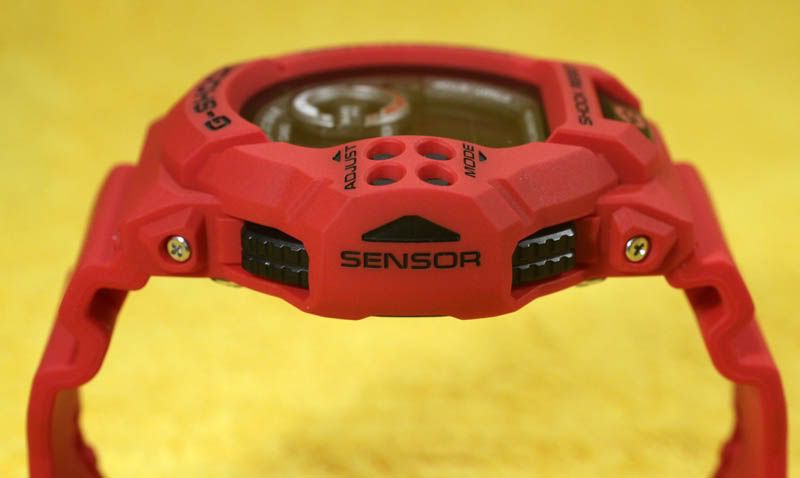
In October 1997 Casio started the Men In Color series with the legendary Men In Black series, named after the movie. These series all contained Master of G models and had, of course, all the color scheme of the series. Only the Men In Navy Khaki series had two color schemes, the Frogman, Gulfman and Wademan were navy, the Gaussman, Mudman and Wademan were Khaki.
Until May 2000 Casio continued this series with the Men In Yellow, Men In Smoke, Men In Black II, Men In Navy Khaki and the Men In White Gray series. After this last series it looked like the Men In Colors series were discontinued. Actually, after the release of the Antman, it also looked like the Master of G line was discontinued. Even worse. When I did a search on Master of G, somewhere in 2005 or 2006, the only reference you could find was on my website G-Peopleland. You don’t feel very confident if the only reference material is from your own hand.
Things changed in 2006. As a complete surprise Casio revived the Mudman, as well as the name Master of G. In 2007 also the Gulfman was revived, followed by the Riseman in 2008 and the GWF-1000 Frogman in 2010. Recently a totally new designed GW-9300 Mudman was released. As it has a Compass function, it would maybe have been a good idea to launch it as Wademan, like the old Wademan.
As all Master of G models, except the Codename and Codename Cipher, have their names ending on –man, it is easy to explain why special series of Master of G models in a particular color scheme were called the Men In Color series, where, in a particular series "color" is replaced by the color scheme.
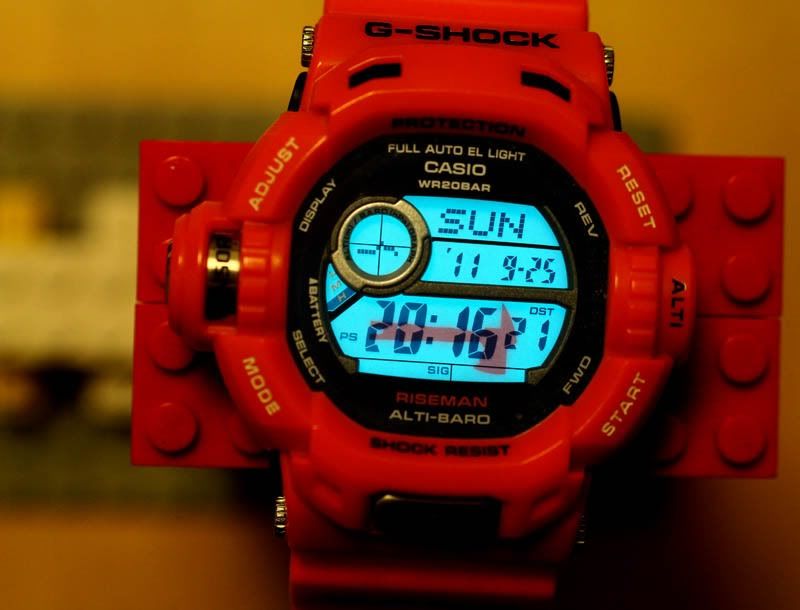
In September 2008 Casio released the Men In Rescue Orange series. The revival of the Man In Colors series. I think it was an immediate success. The series contained the then revived atomic Master of G models, the GW-9010R-4JF Mudman (then a new updated Mudman version), the GW-9100R-4JF Gulfman and the GW-9200R-4JF Riseman.
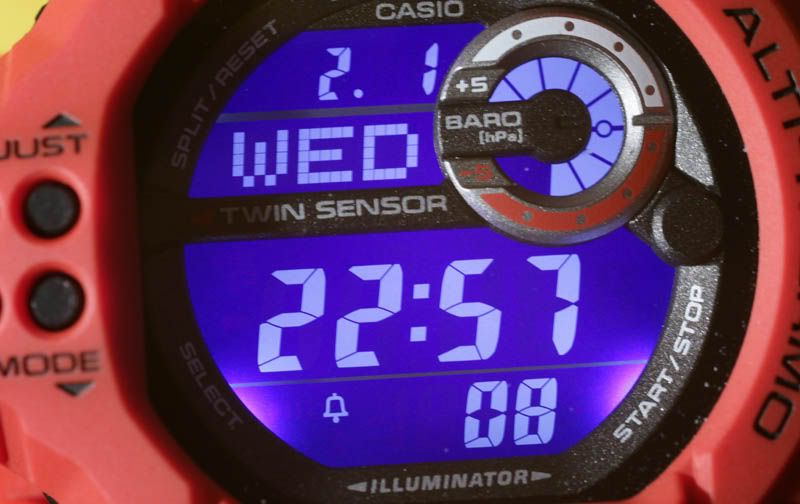
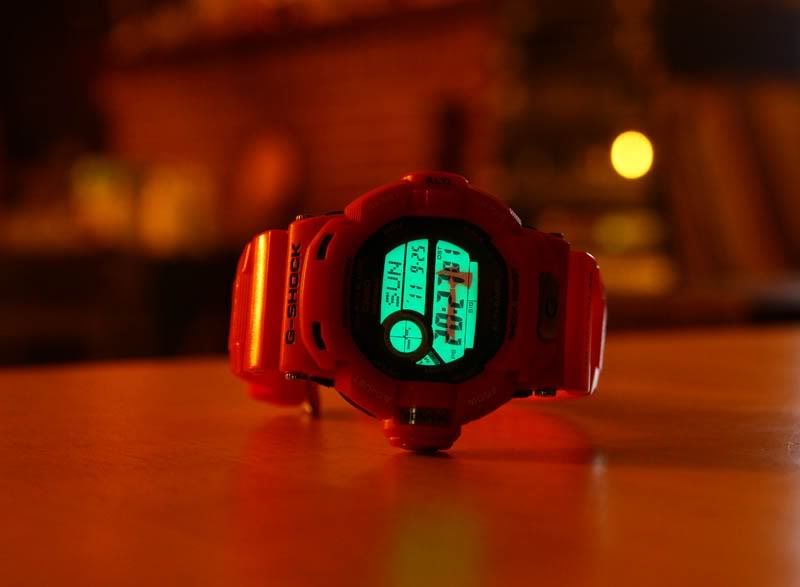
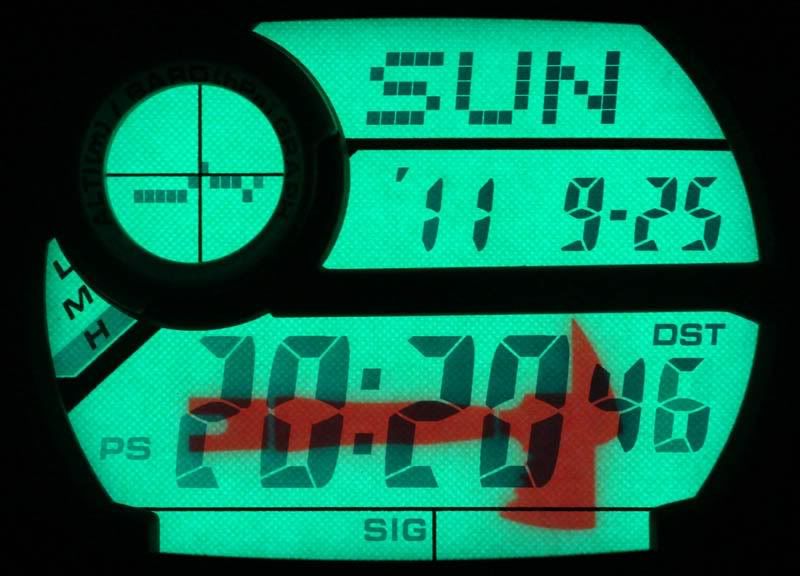
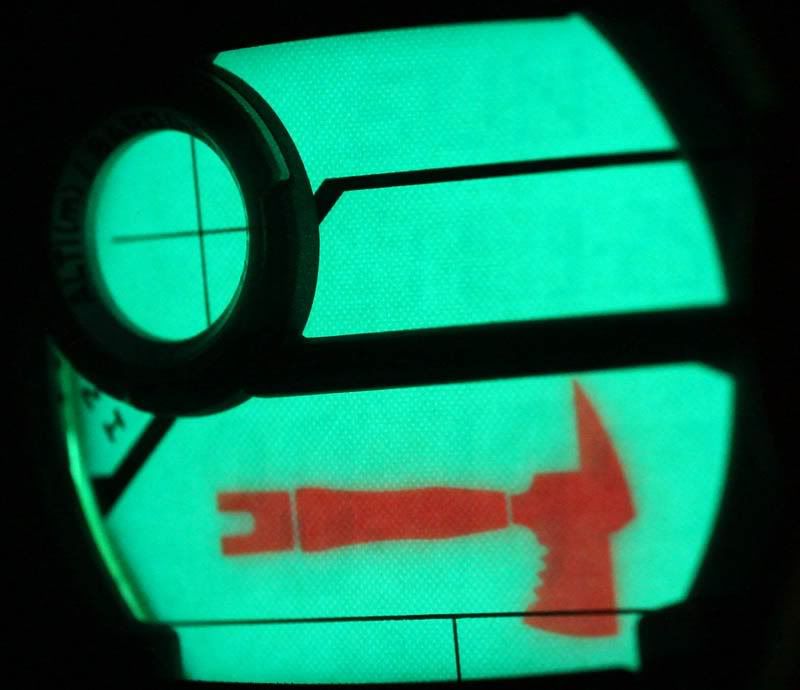
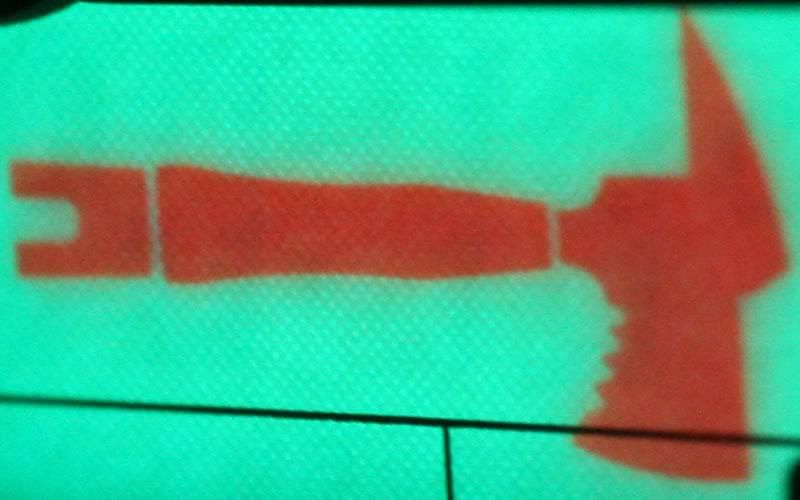
Like the name of the series suggests, the orange colors tribute rescue workers and lifeguards. It is also shown in the EL Backlight, which shows a rescue axe as used by firemen.


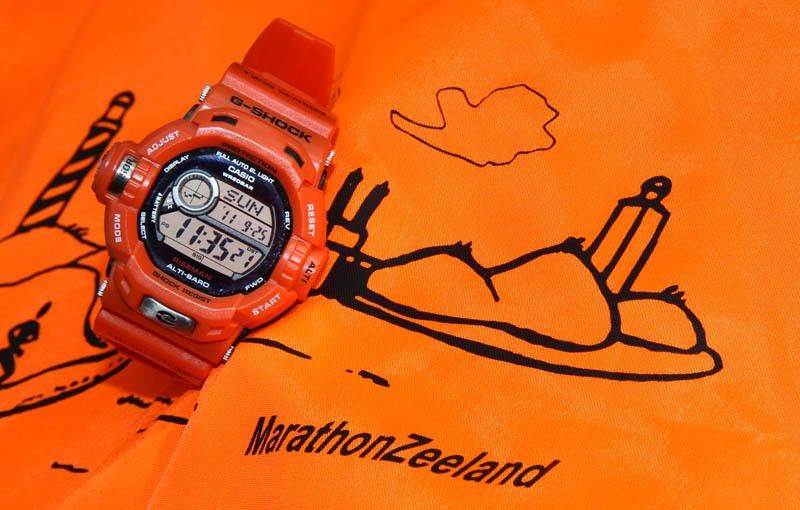
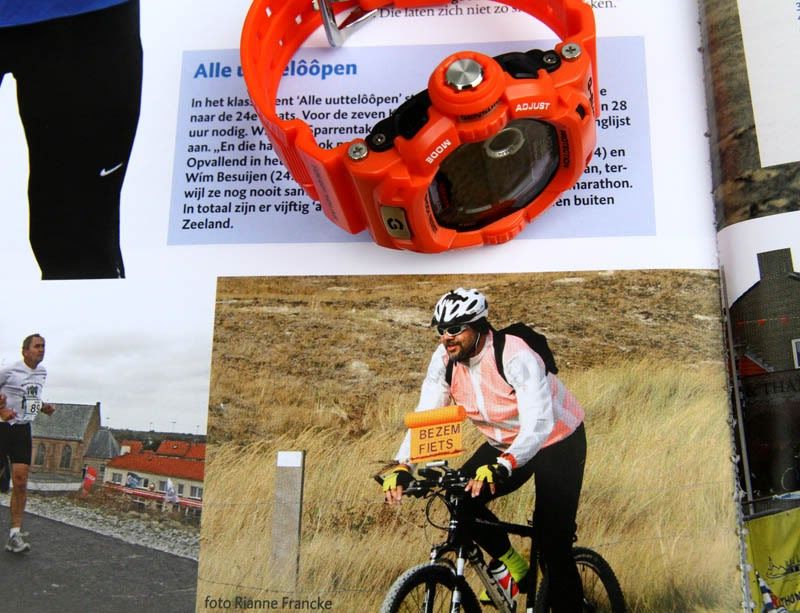
I have a good friend who was, together with his wife, a lifeguard for a long time. Sometimes we went to parties in clubs in Rotterdam or Belgium with other lifeguards in the early nineties. Still, once a year, my friend is the coordinator for the communications and safety of the Coastal Marathon (Kustmarathon), held on the first Saturday in October. For several years (I think it’s the 6th time already, this year) I am the bike rider that marks the “last runner”. I carry a sign “Bezemfiets”, which means something like “Broom Bike”, maybe better known the “Red Lantern”. During the marathon I also have contact with my friend and the lifeguards on route. In case of emergency I can have medical assistance or an AED within a minute (often within seconds). Since large parts of the route is over narrow paths in forests and the dunes, only a mountain bike can follow the runners along the route.


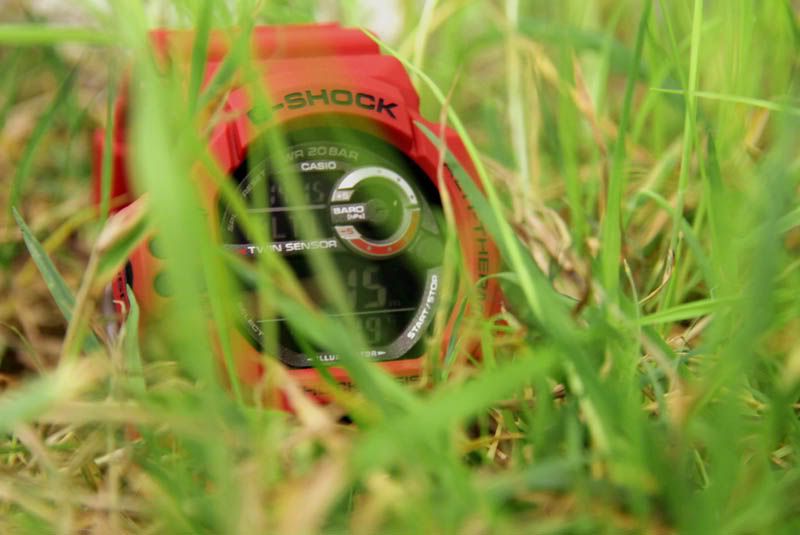
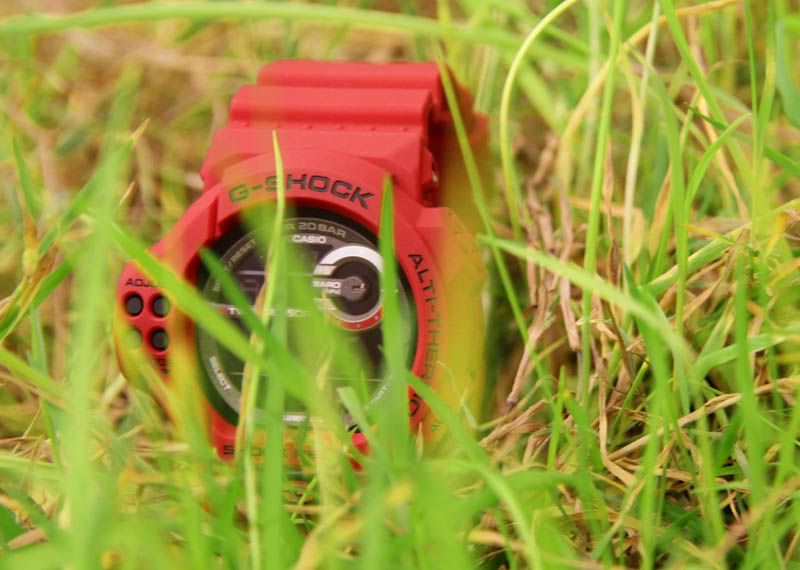
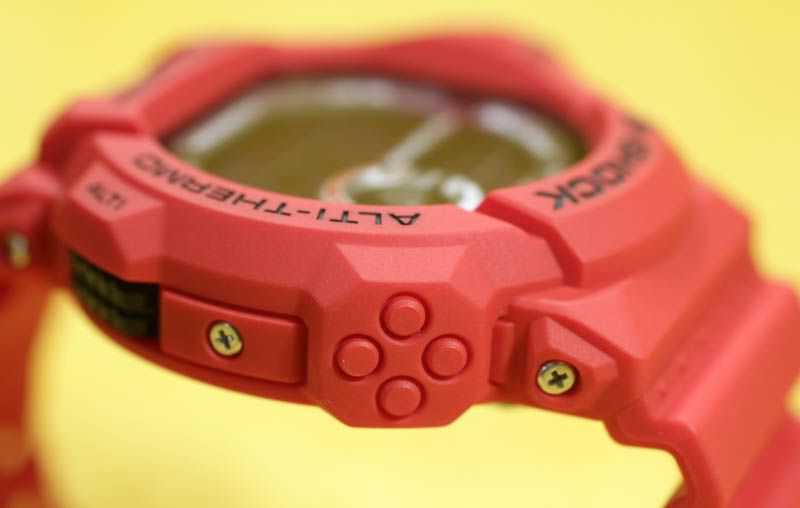
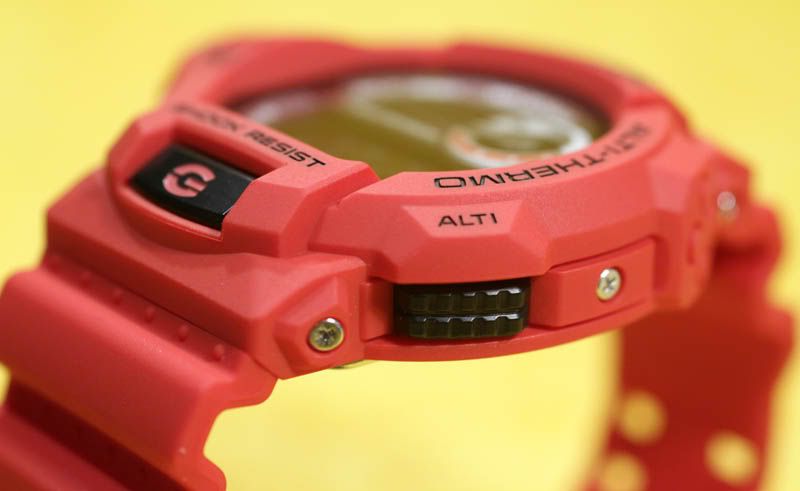
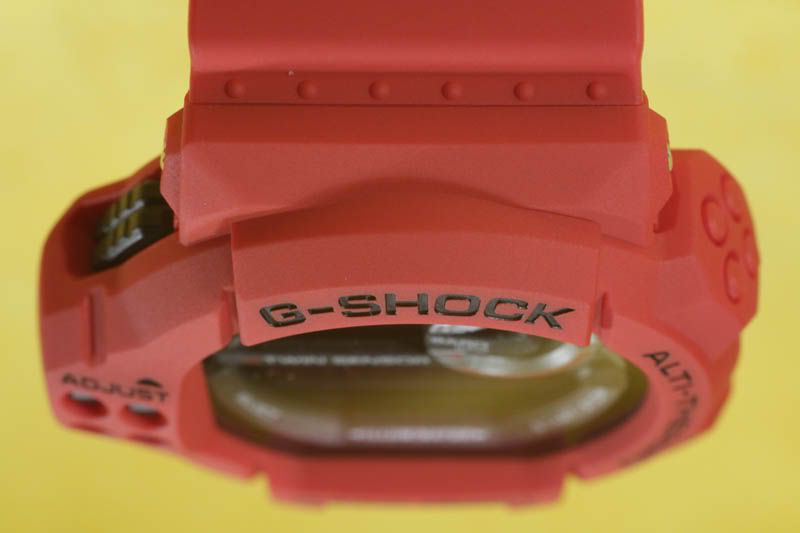
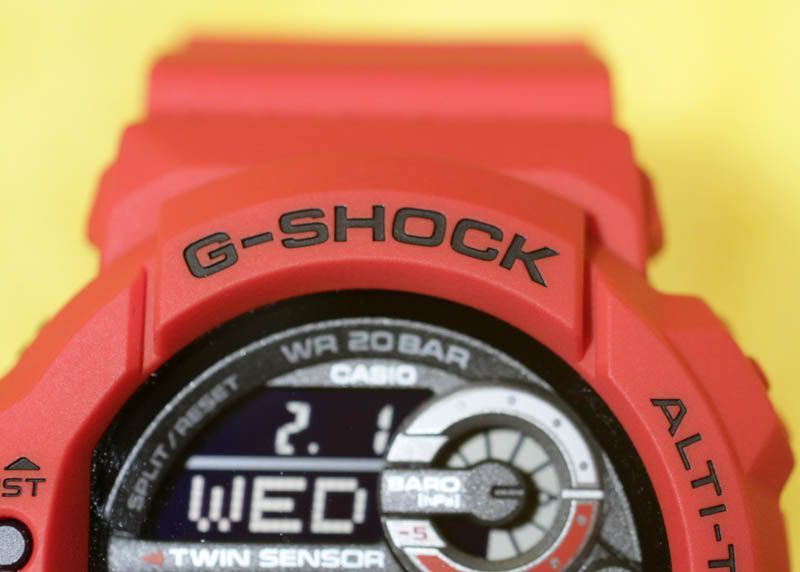
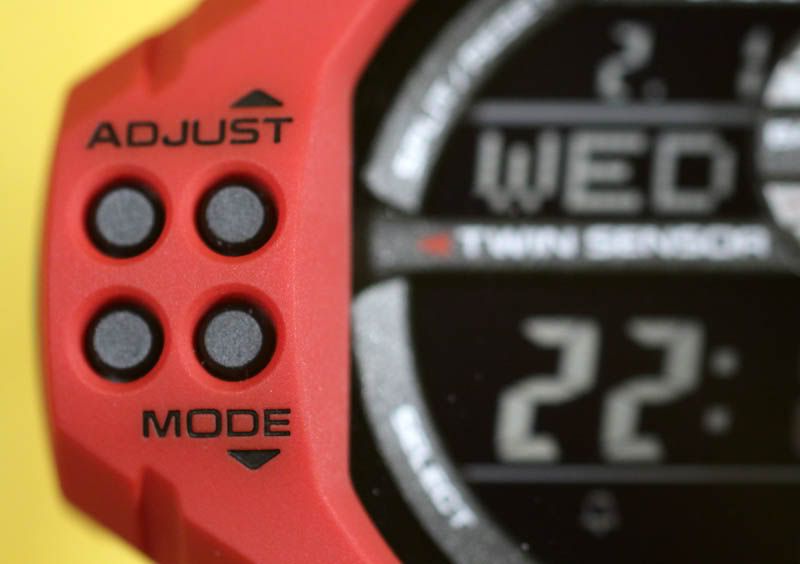
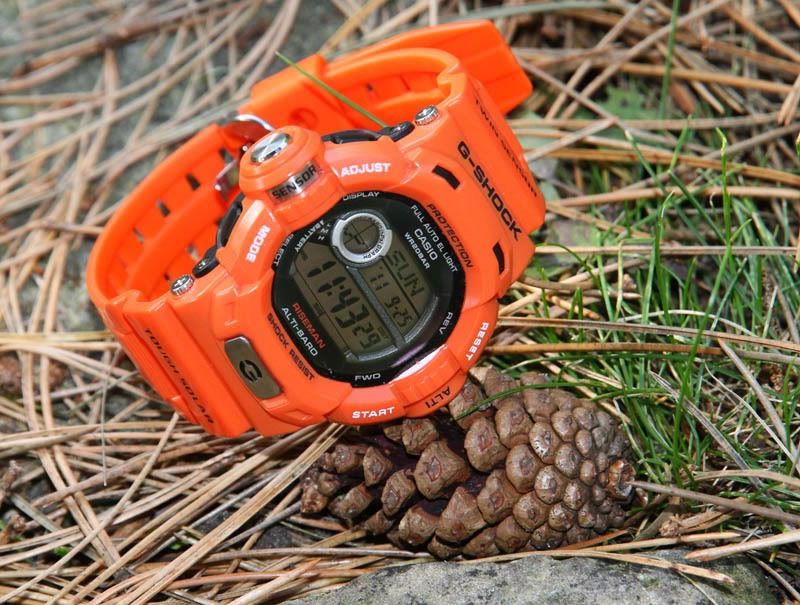
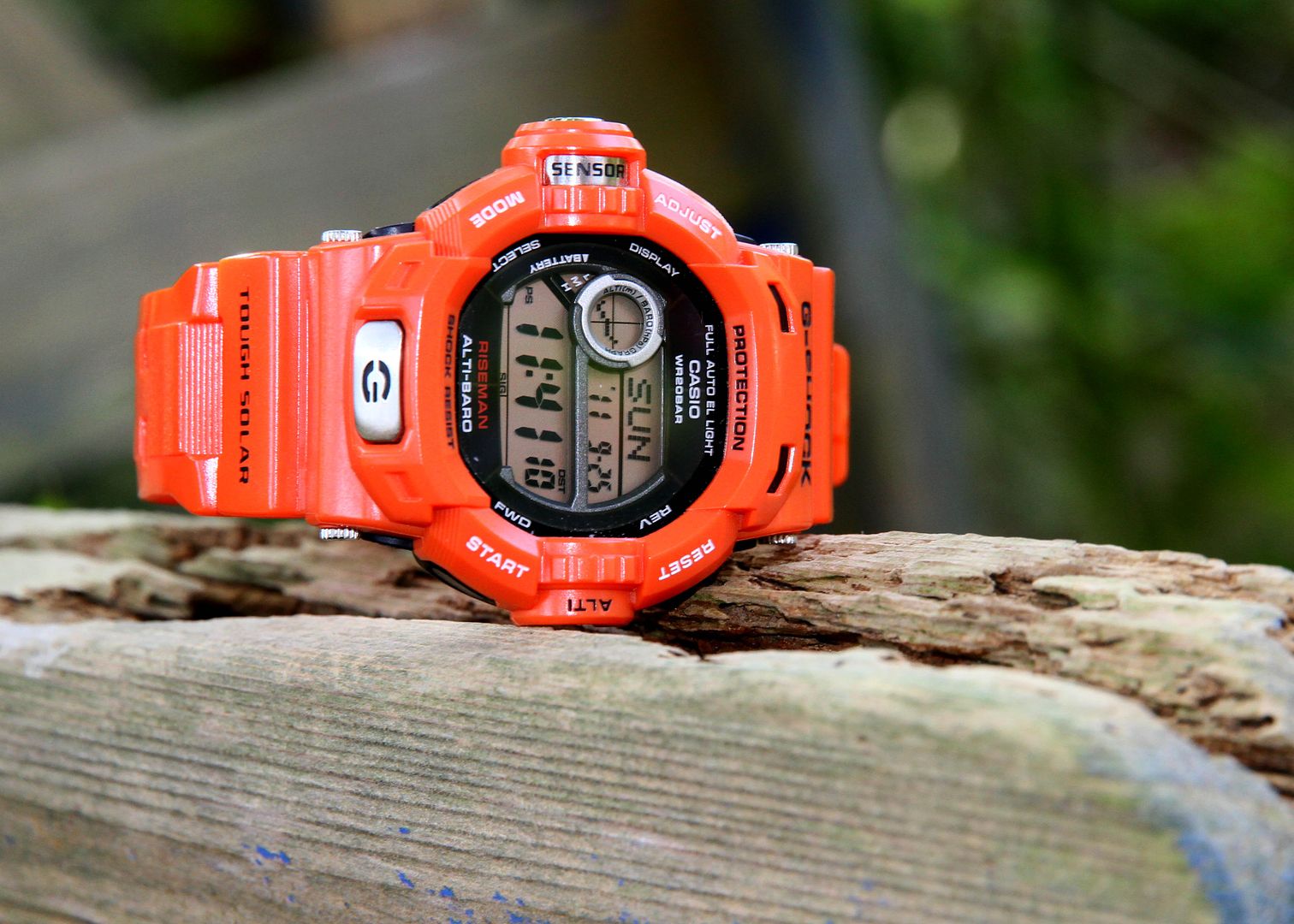
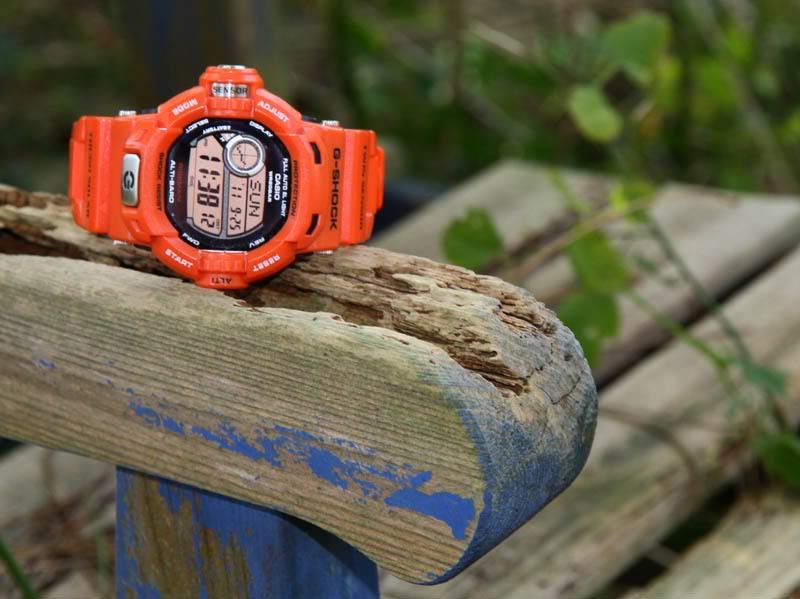
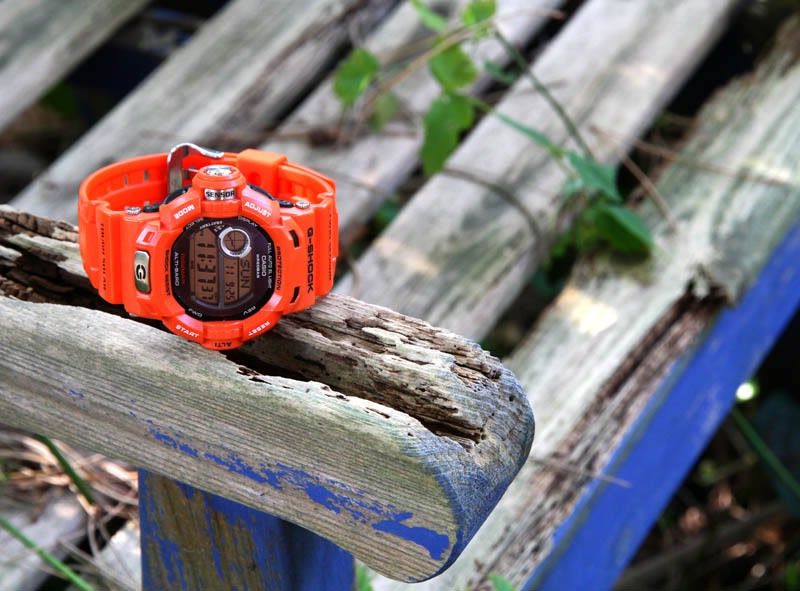
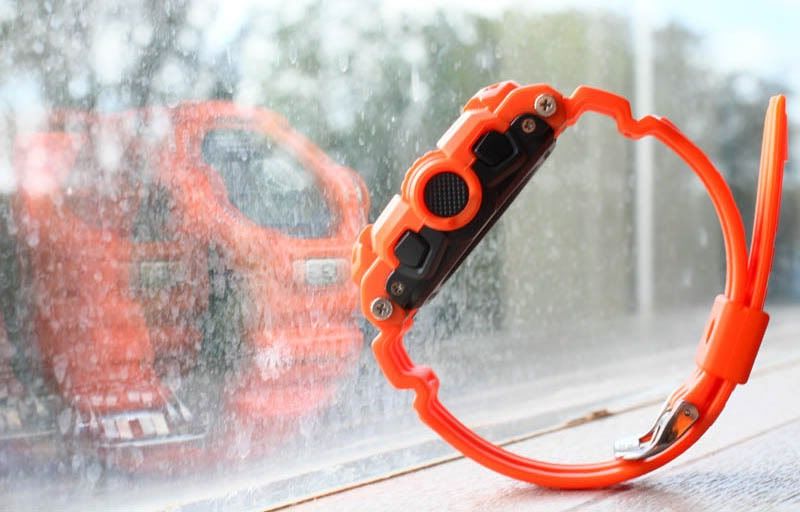
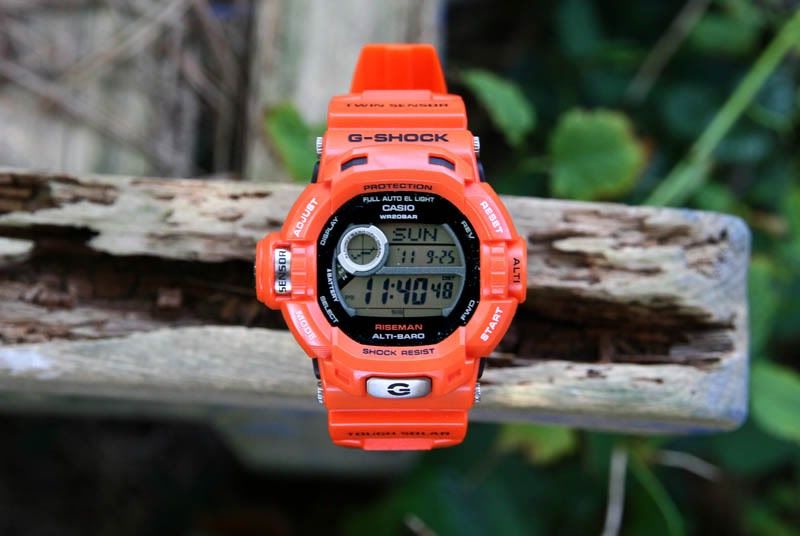
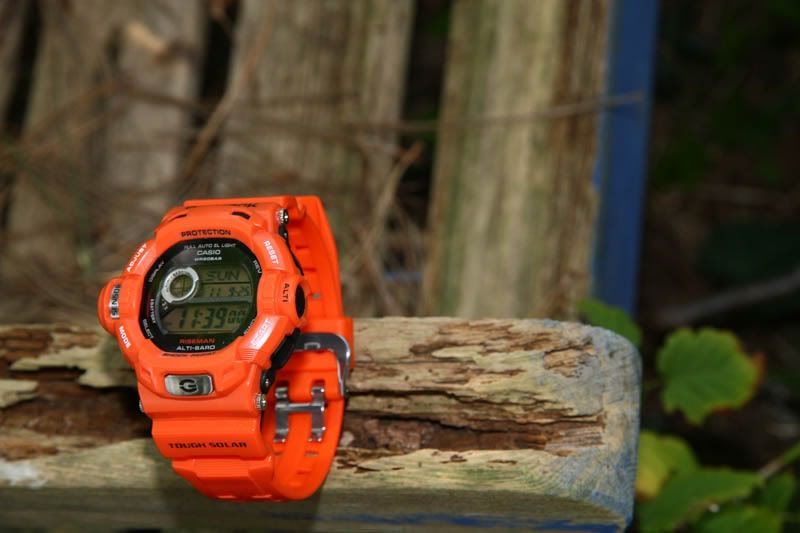
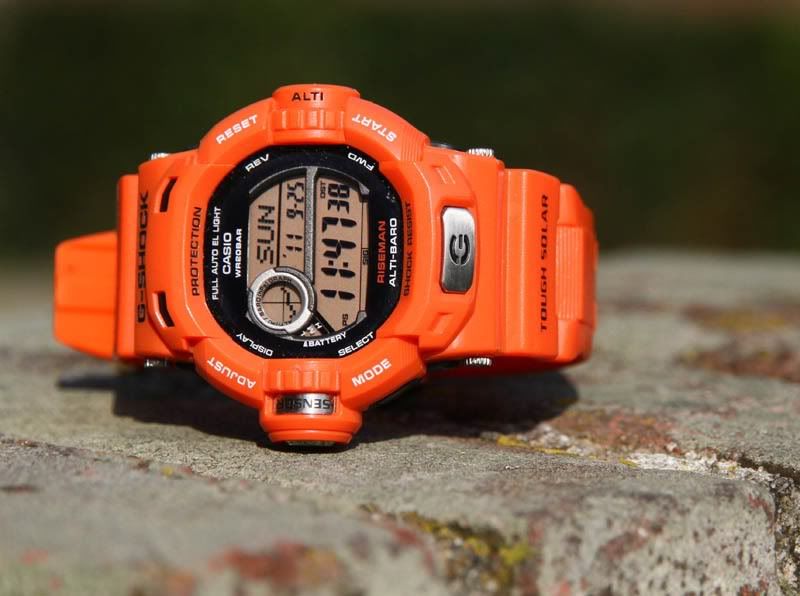
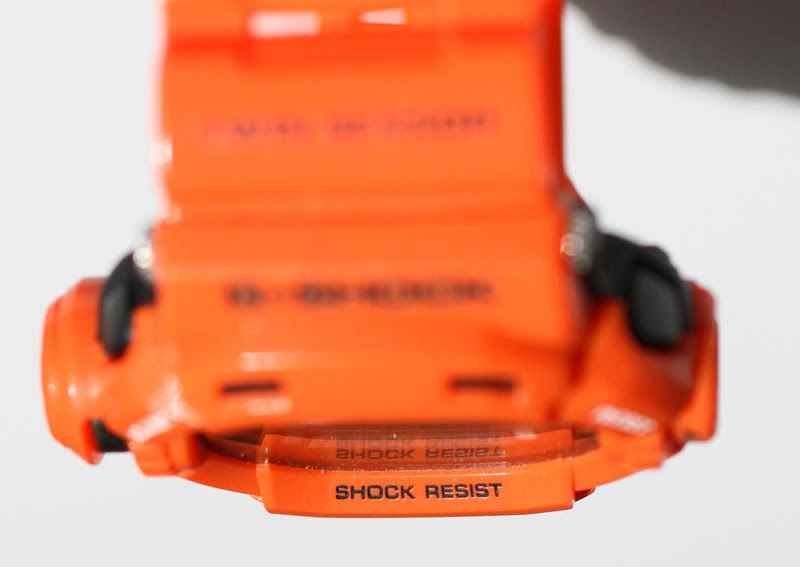
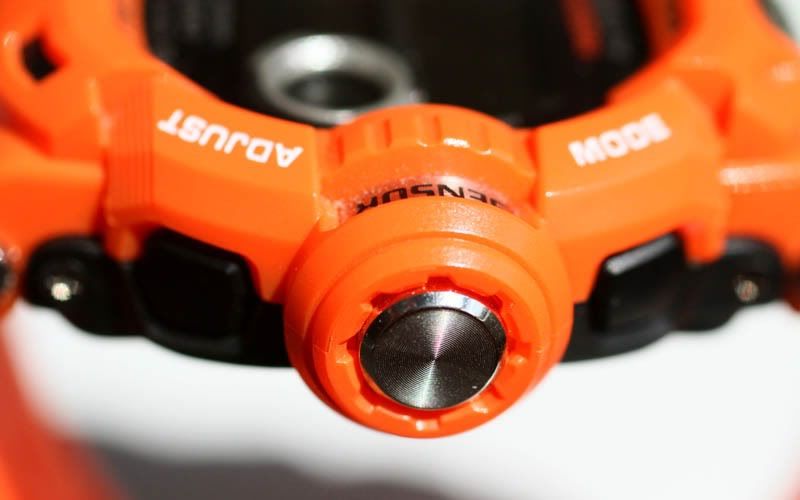
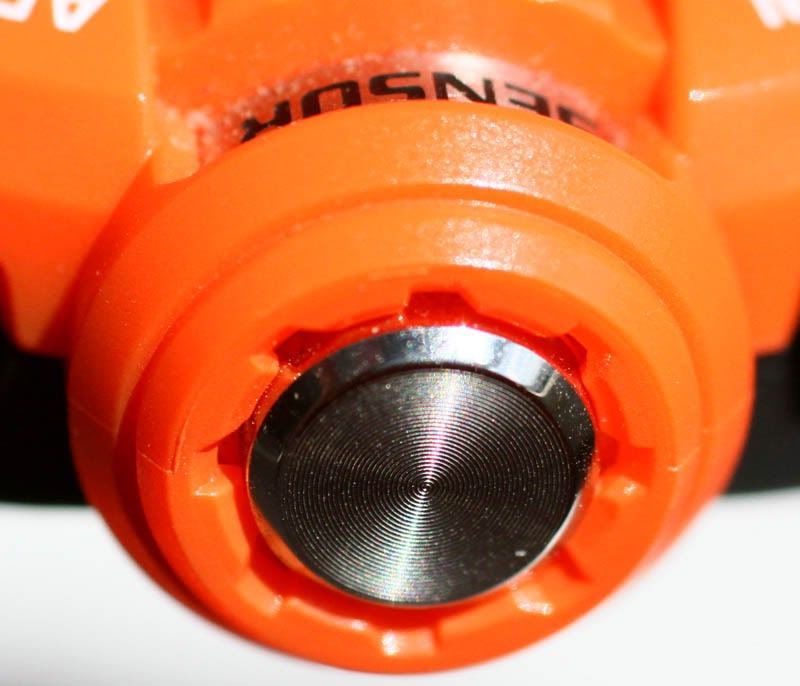
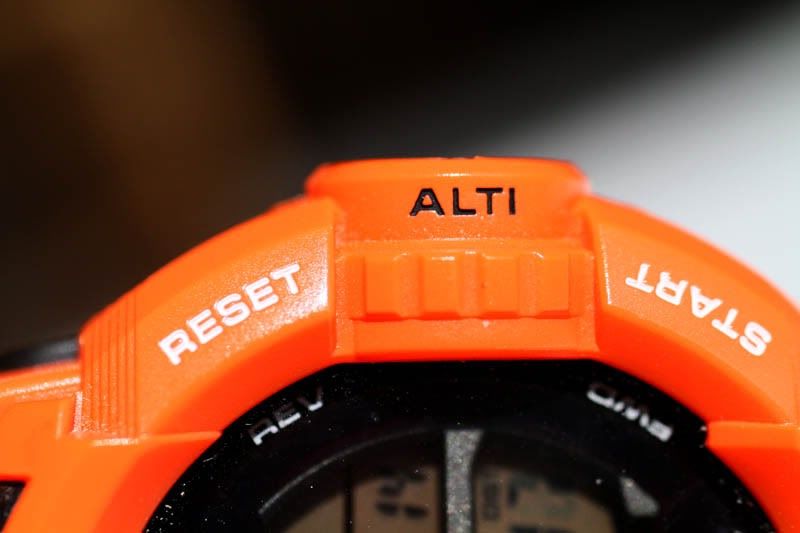
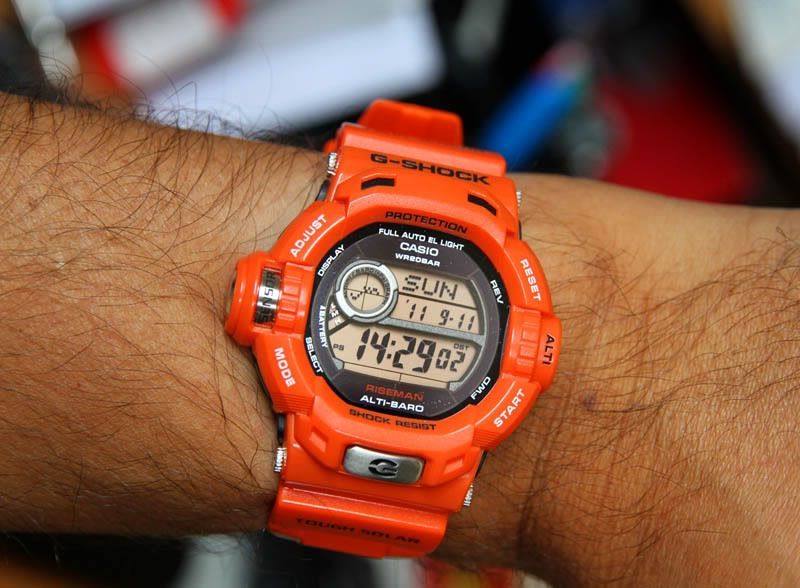
Casio released soon after the Men In Rescue Orange series (M.I.R.O.) an overseas series with the same models, but then the non-atomic versions. Although these are still Master of G models (a Mudman, Gulfman and this Riseman), Casio choose the name Rescue-G for this series. Also released Casio a basic GW-M5600R-1JF around the same time. As all the M.I.R.O. and Rescue-G models got an R behind the base model number, this model was frequently referred to as a M.I.R.O. model, although it was actually a “basic” model in black with an orange display and orange accents. A neat looking watch though.


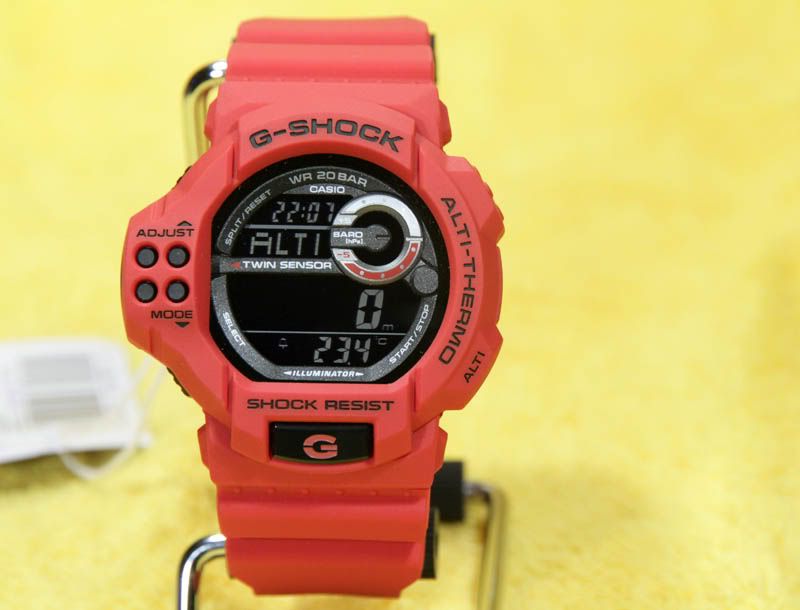
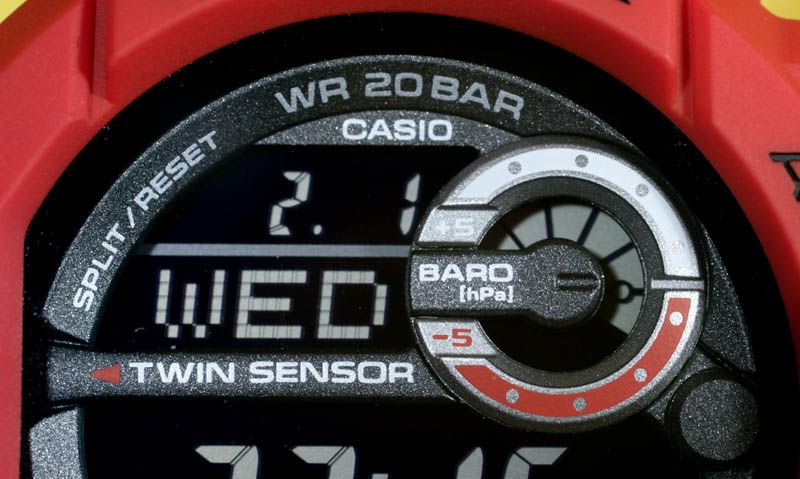
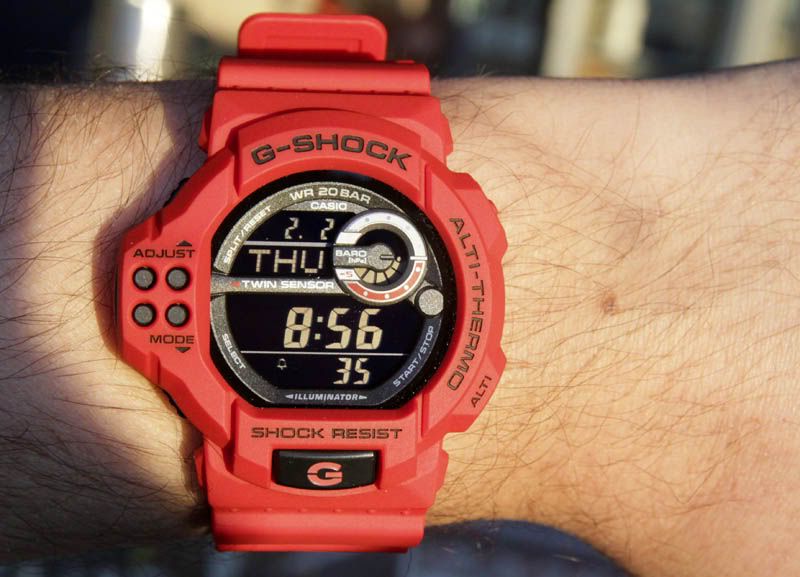
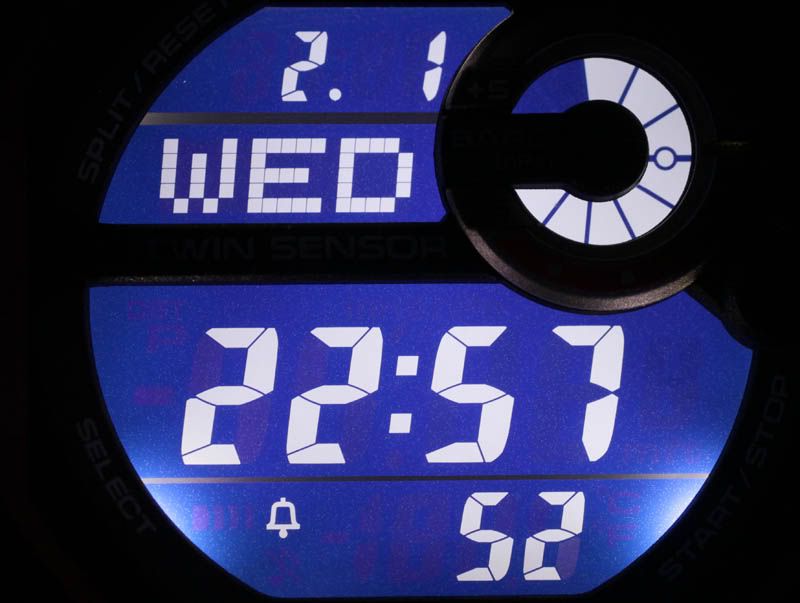
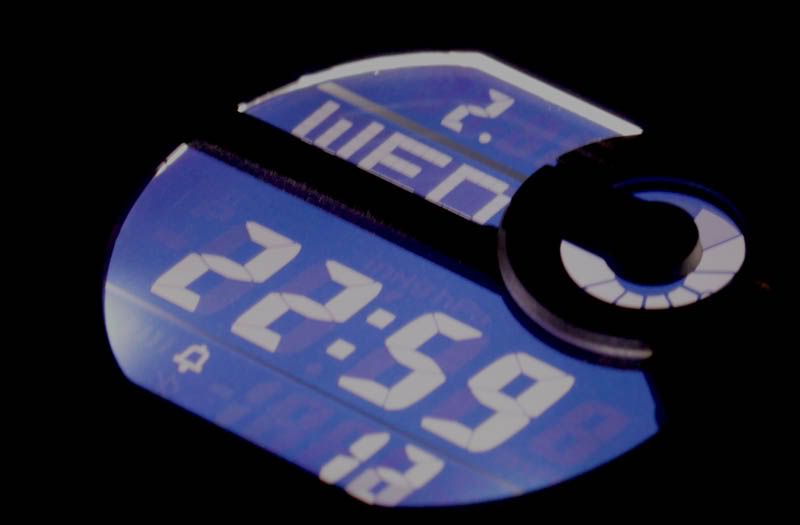
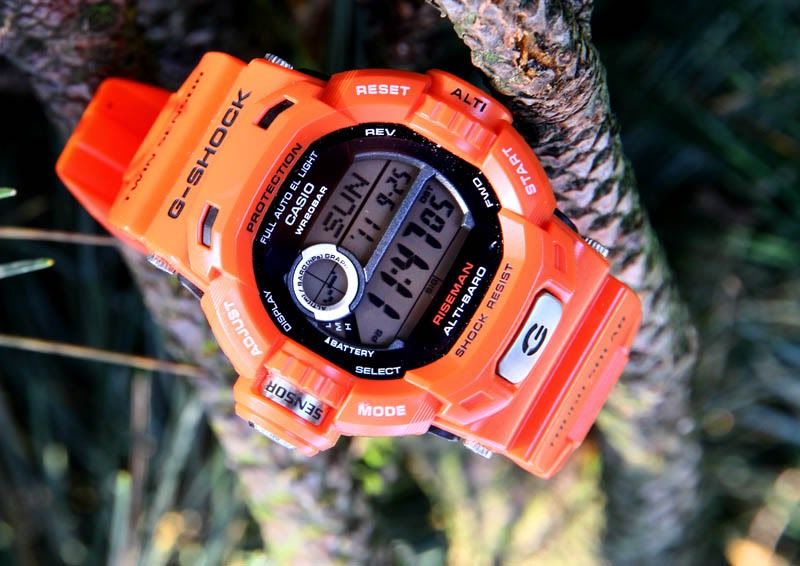
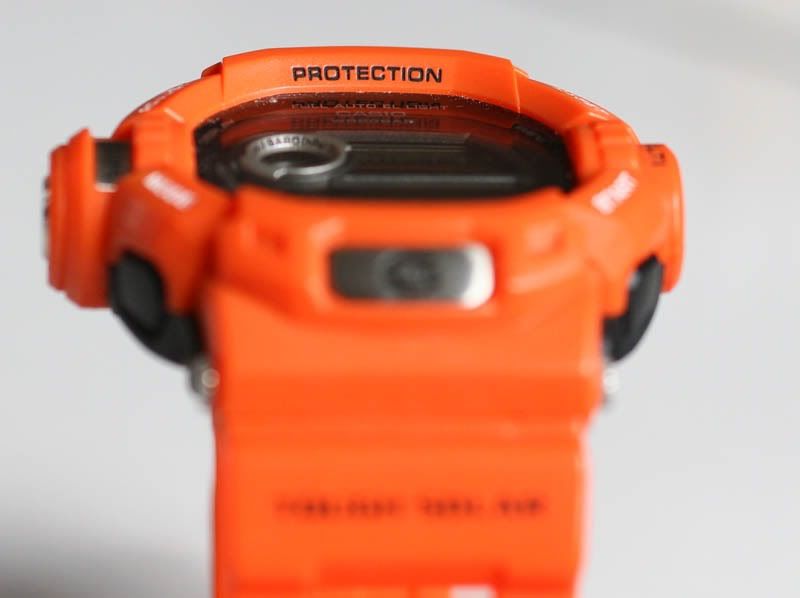
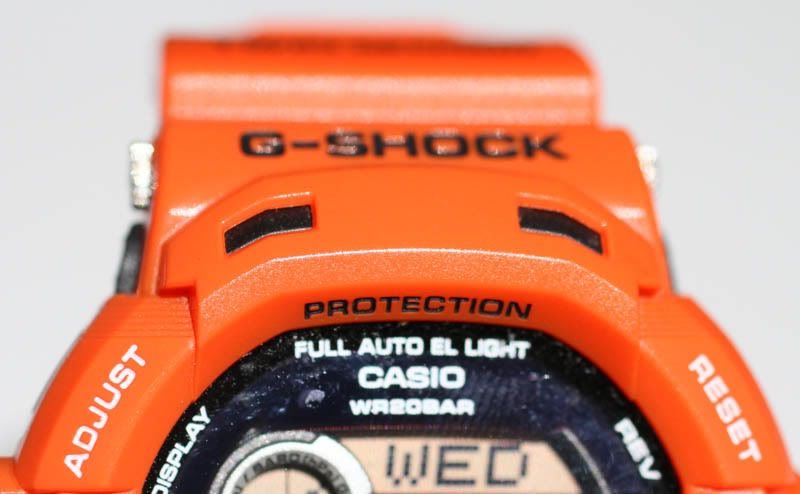
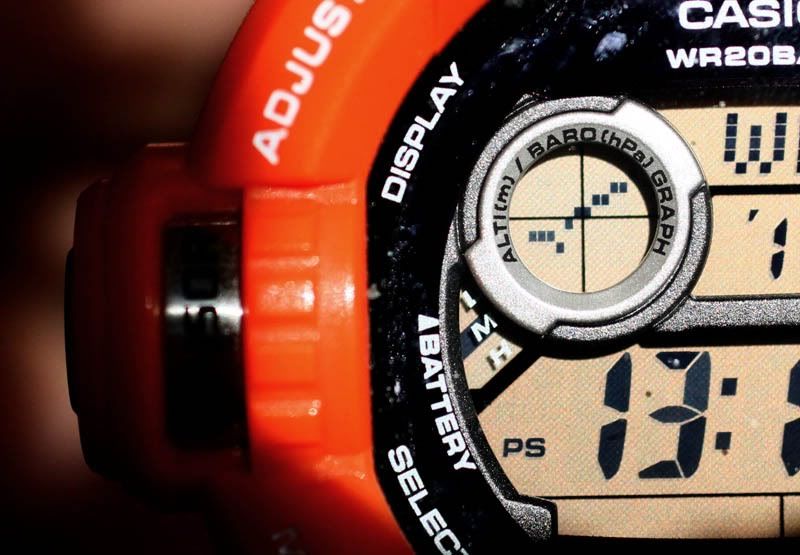
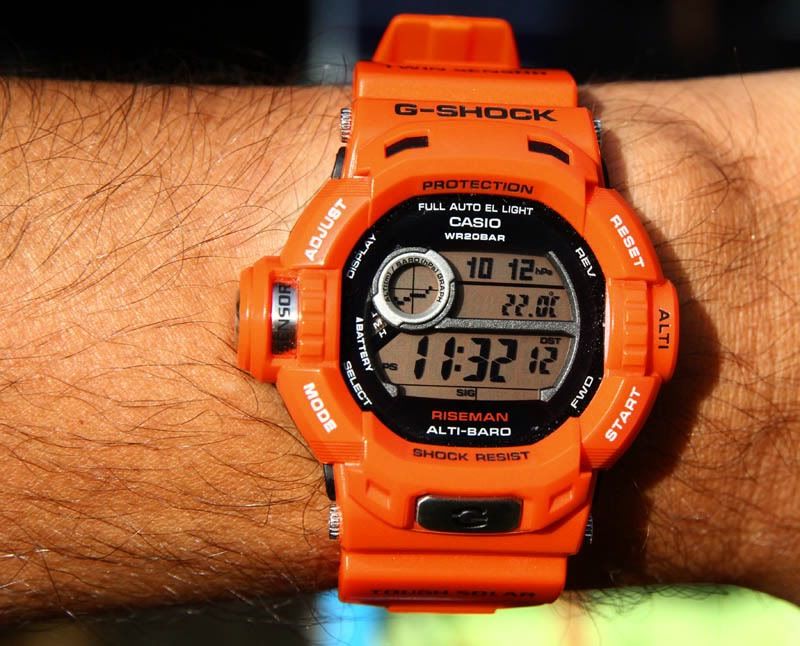
From the three Rescue-G models, the Riseman looks closest to the M.I.R.O. models as the non-atomic Riseman looks pretty close like the atomic Riseman. Only the red text “MULTIBAND 6” on top of the display is replaced by the white text “FULL AUTO EL LIGHT”. The Receive Indicator on the atomic version is relative small and located left from the date line. The Rescue-G Riseman actually uses the same display as the M.I.R.O. version. If you recall the test display on the G-9200R, it shows the Receive Indicator too.


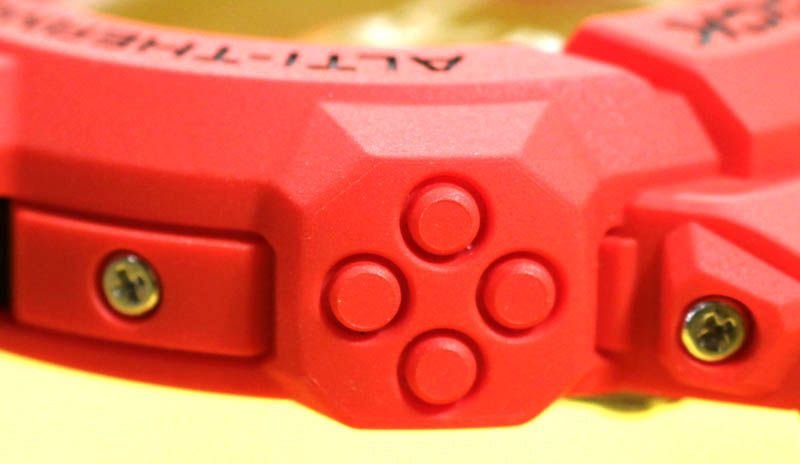
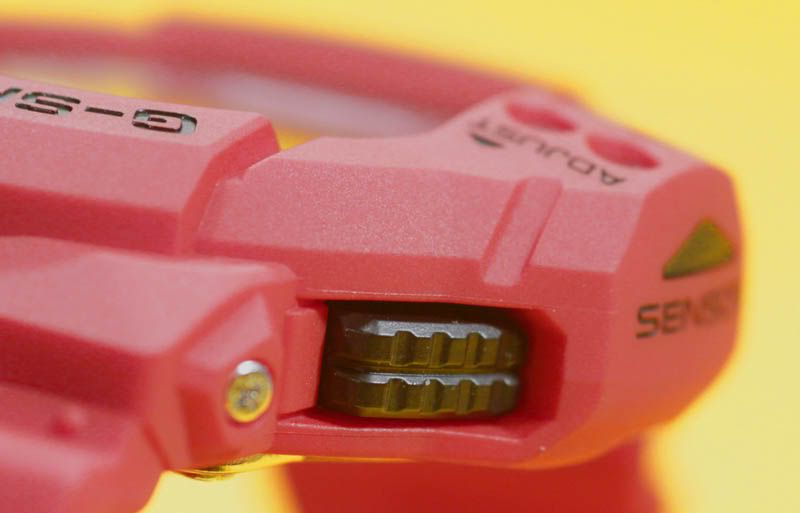
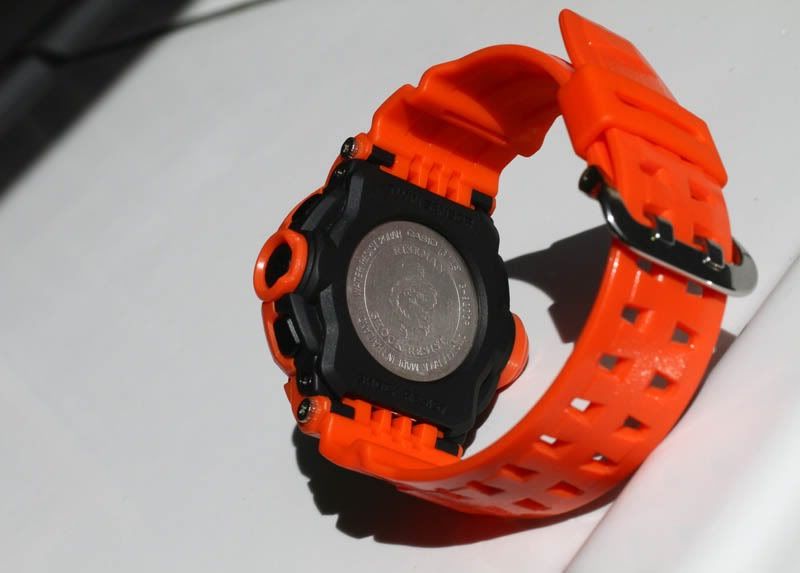
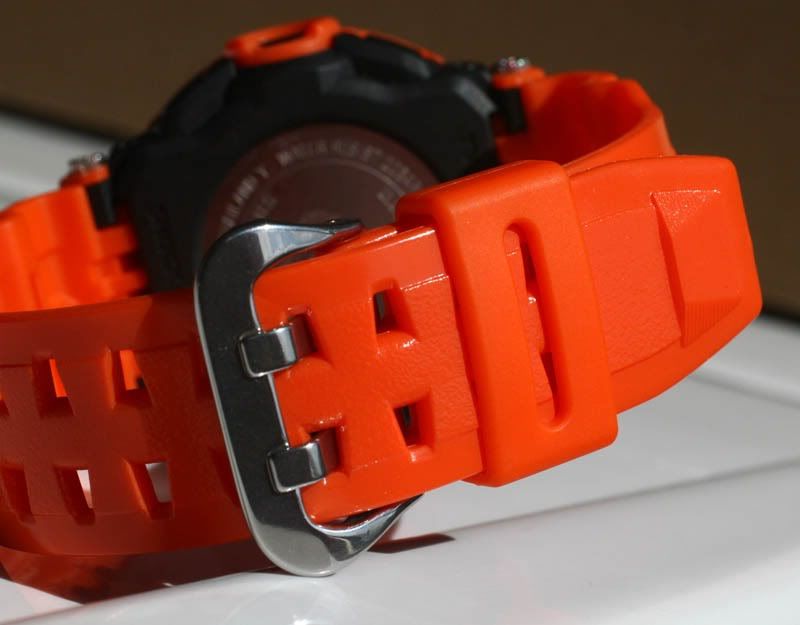
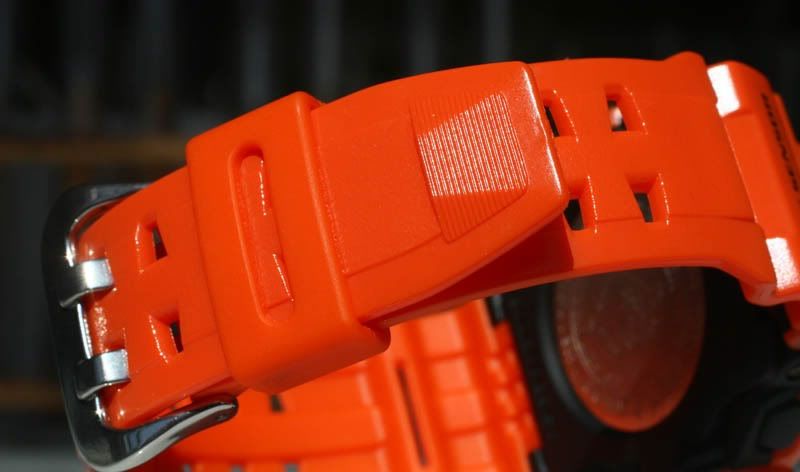
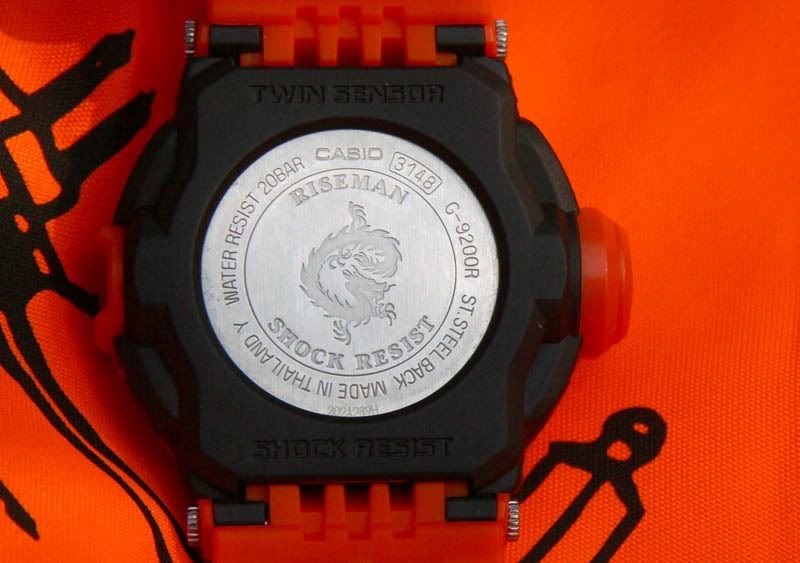
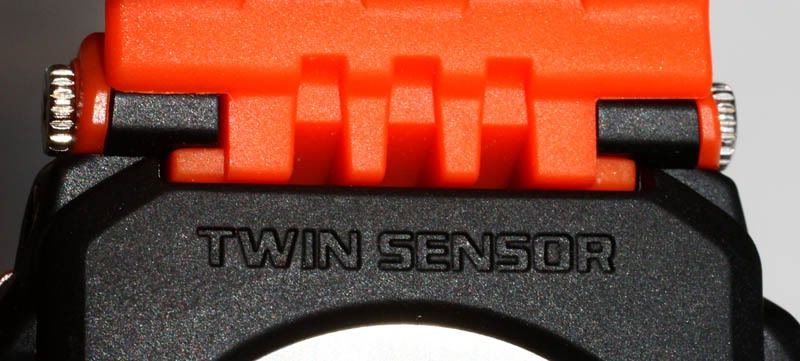
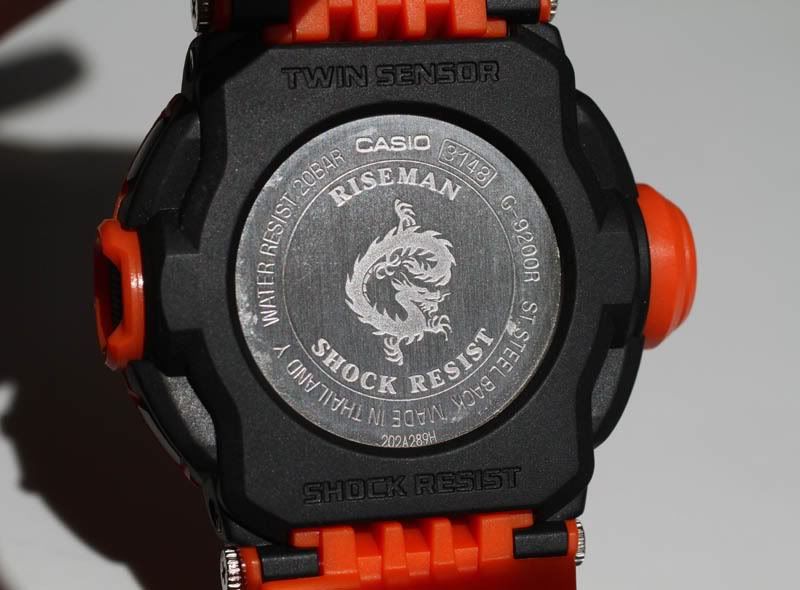
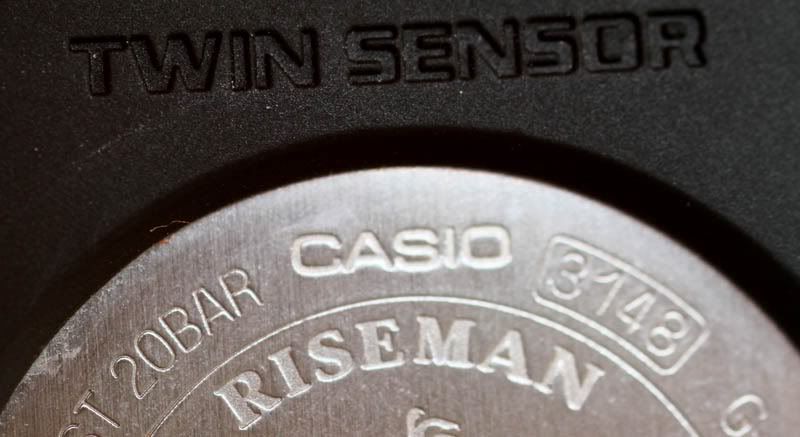
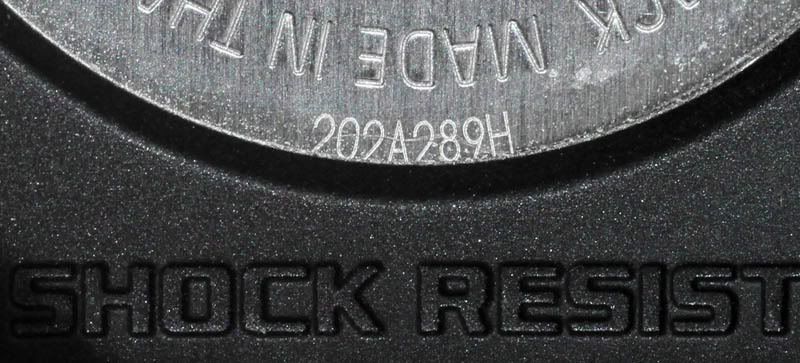
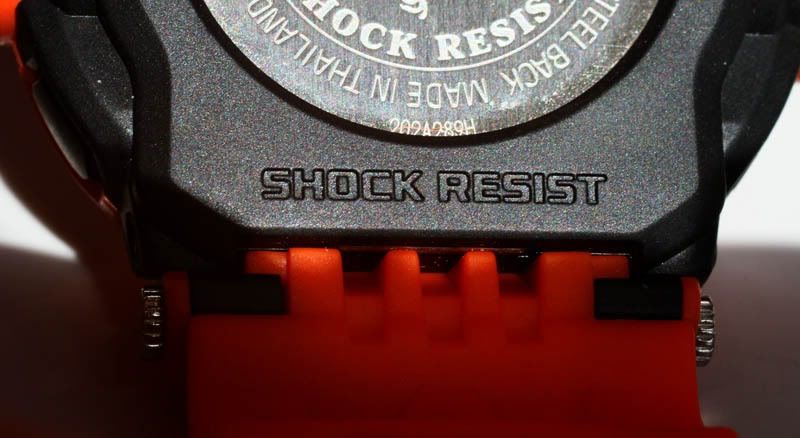
As the bezel and straps are exactly the same, a difference is found on the back. Of course not only the lack of the “W” in the model number, but the G-9200R shows a dragon etched in the case back. This indicates this Riseman is an “Overseas Model” (where overseas must be interpreted as seen from the Japane market). The M.I.R.O. version, which was a Japan Domestic model, shows a flying squirrel. Frankly I think one symbol for the Riseman would have been more clear, but I think both symbols look good. Of course the flying squirrel matches best to the Riseman’s nature.


The Rescue-G Riseman has exact the same functions as the M.I.R.O. function, except for the Atomic Time receiving function. I don’t think this has to be a big problem. While I’m writing this, it’s about two weeks ago that I received this watch and it is only 3 seconds fast. With about 6 seconds a month, I think this watch has a pretty good timekeeping performance, without the Atomic Time feature. As I work on a school, it’s pretty well needed to have the correct time for class switches. In fact, since a few weeks I check the school’s clock that gives the signals, as I was getting tired to use two different time keepings, as the school clock sometimes was two or three minutes offset.


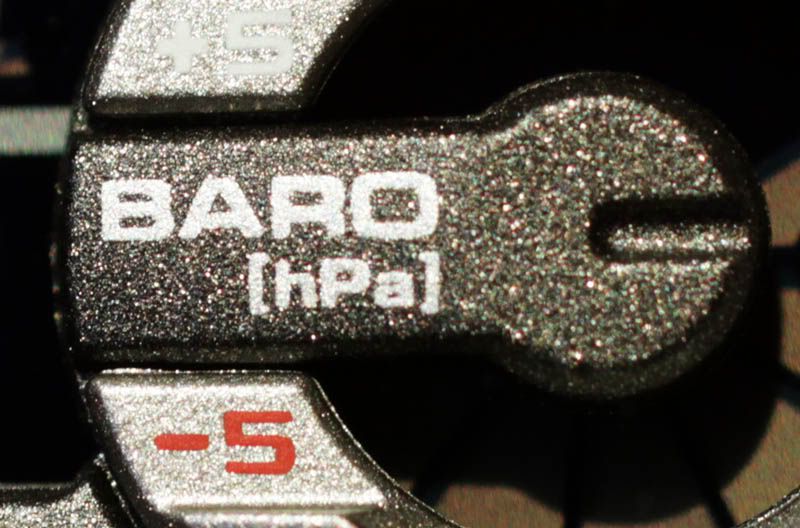
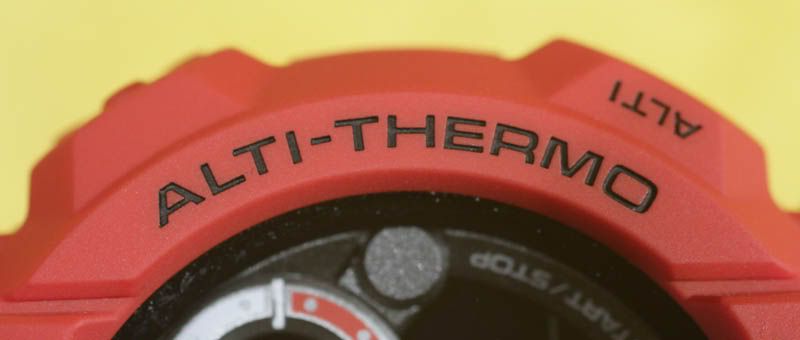
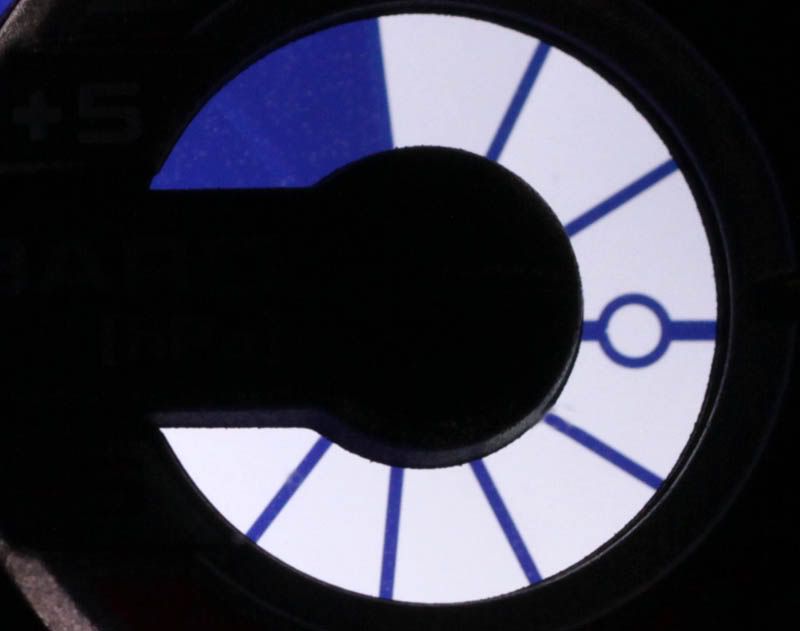
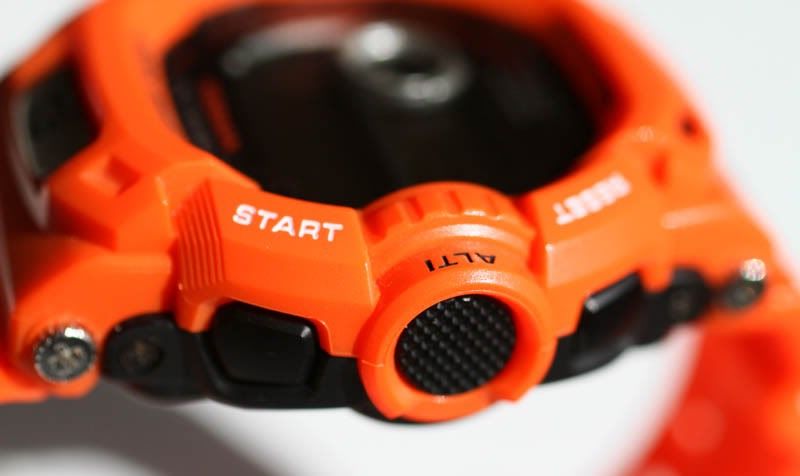
The strongest feature on the Riseman is the barometric sensor. This sensor is very sensitive and therefore it can be also used as an Altimeter. Barometric altimeters are considered the most accurate altimeters available. There is one small disadvantage, as the barometric pressure varies in time, you have to set your altimeter, before using it. On a normal day, the barometric pressure does not fluctuate much. While climbing or ascending, barometric pressure changes are only height dependant, so barometric fluctuations can be used to calculate your ascent and descent. The accuracy of the altimeter depends on the weather conditions. If there is a rough weather change, like storm, rain and thunder, this will affect the barometric pressure and also the altimeter accuracy. I have used Riseman altimeters several times on vacation and they seem very reliable, when you correct daily for the barometric variation.

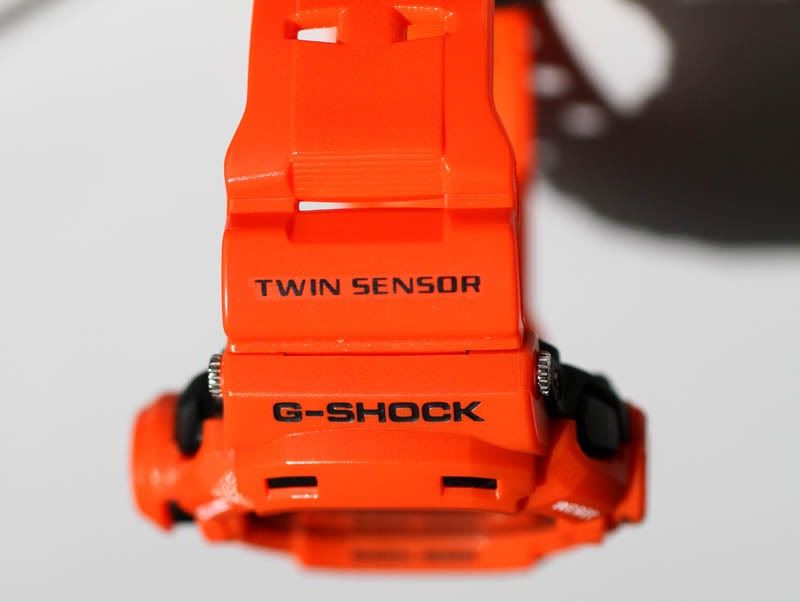
The Riseman also has a thermo sensor. This sensor registers the temperature of the watch. Also this sensor is very accurate, though, the temperature of the environment can only be measured when the watch is taken off and left for about 20 minutes. This seems like a unhandy function of this watch, but in fact the thermo sensor has an important purpose. I already wrote above the barometric sensor is very sensitive. Unfortunately, good barometric sensors are not only sensitive for air pressure, but also for temperature. If one knows the characteristics of the barometric sensor, the effect of the temperature on this sensor can be eliminated when the temperature is known. This is the reason why there is always a thermometer function on every good quality ABC watch (ABC watches have an Altimeter, Barometer, Compass function, like the in the Casio ProTrek series and on Suunto watches).


The Altimeter has also a recorder function. When the recorder is started (it’s a sort of independent stopwatch function) the recorder calculated the maximum and minimum height and the total ascent and descent. You can also store 20 readings manually into the recorder memory. It does not store automatic readings though, like on the old classic DW-9100 Riseman, which had 50 memory slots. Also the temperature is not stored.
Other functions on board this Riseman are a 33 city & 29 Time Zone World Time, a 24 hour Countdown Timer, a 24 hour Stopwatch function and 5 alarms (one is a snooze alarm) with a hourly chime.
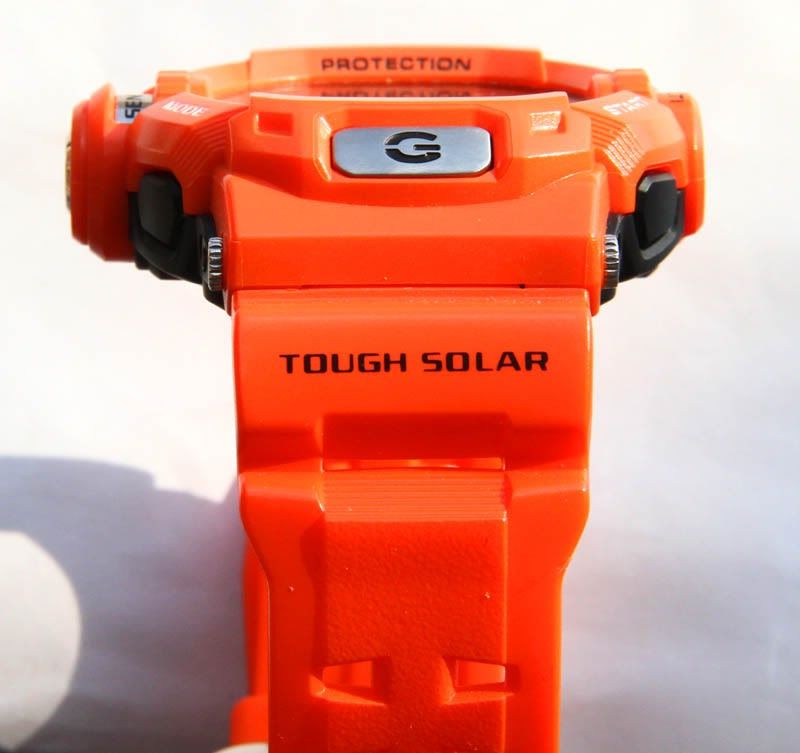
I think this Riseman is a pretty complete watch. I think an owner of this watch has probably checked already if it is worth to pay about $100.- extra for the Atomic Time Function. Frankly I love the Atomic Time function as your watch always gives the right time (if you live close enough to one of the 6 public transmitters), but $100 for this function is quite an extra price. A good thing that Tough Solar power, World Time and a Countdown Timer is added to the function of the new Riseman. On the downside, I regret the only 20 slots on the recorder, which records altitude only and the data has to be input manually. I think for most users of this watch this is only a minor point.


I have two of these Risemans. I paid a very good price for my first one in 2008 (or early 2009). I think it cost me around $130. The one featured in this article (bought from the same seller actually) had a much heavier price. If I recall right I paid $200 for this watch. I bought it in East Asia and it might look like a big price difference, but in the past months both the Euro as the US Dollar has lost some value, compared to Asian currencies. I had wished for buying this Riseman already when it was released. Maybe I should have bought it earlier, as the price was much lower. Still, I do not regret buying this Riseman.