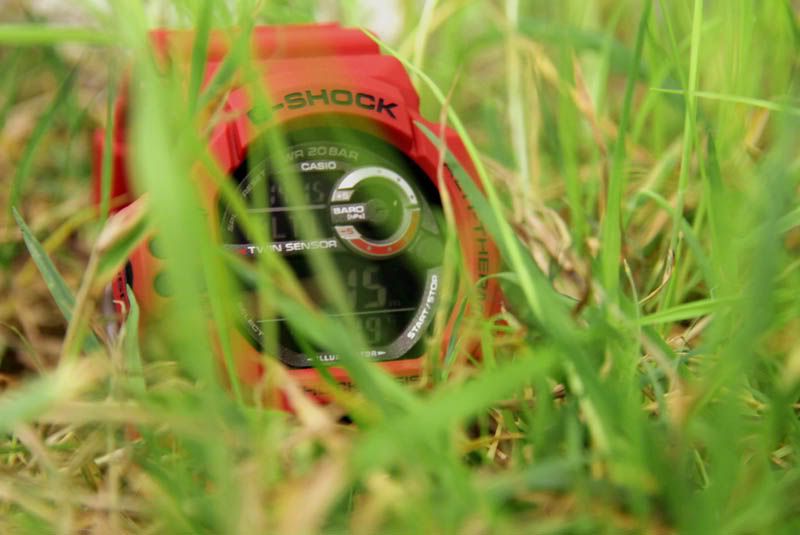
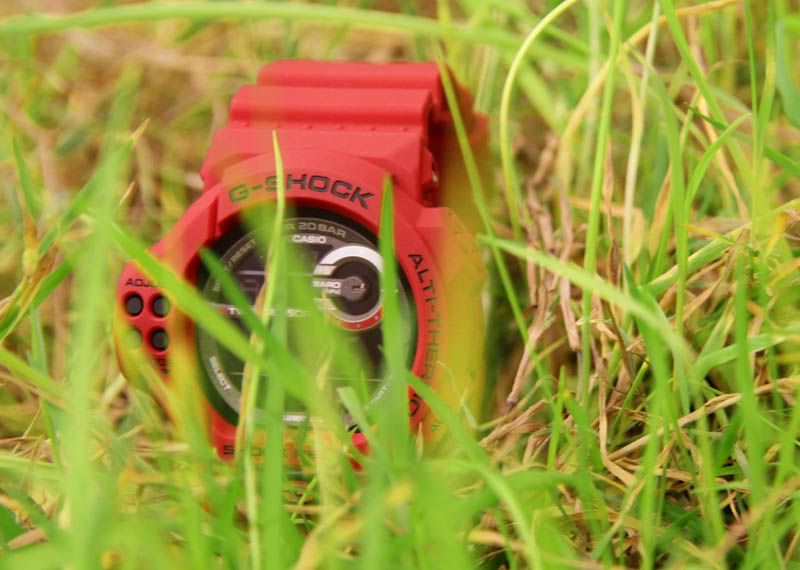
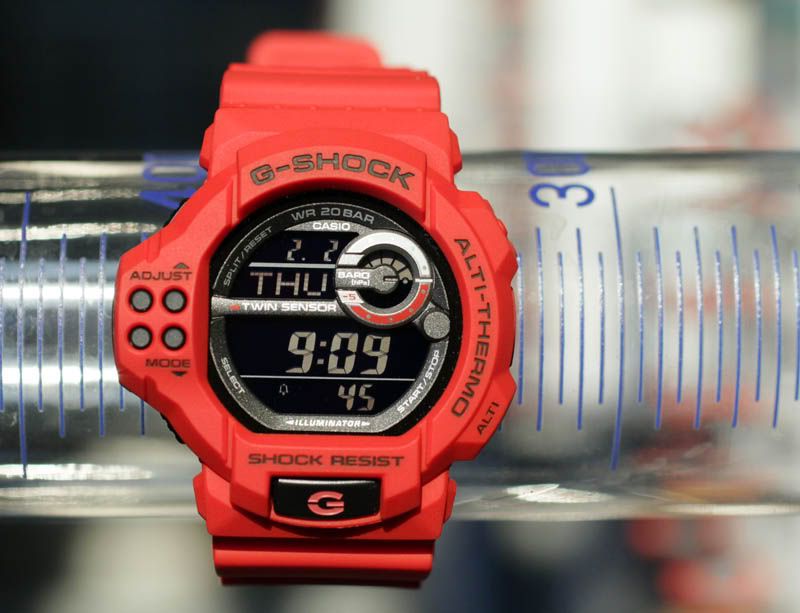
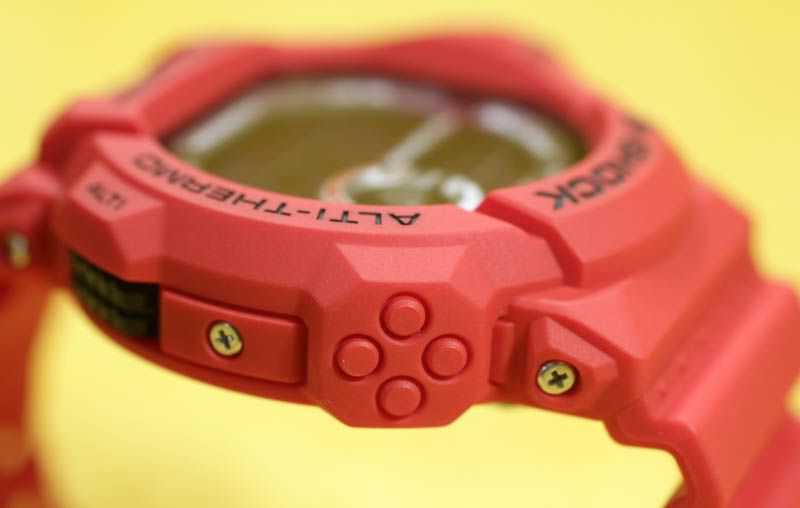
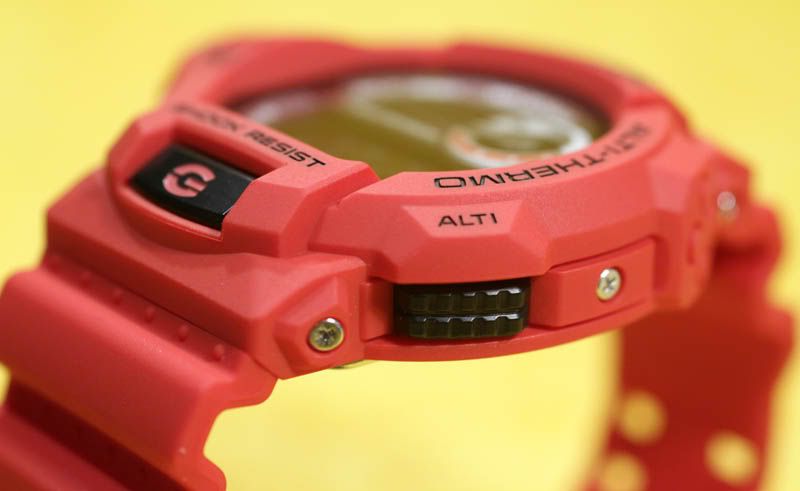
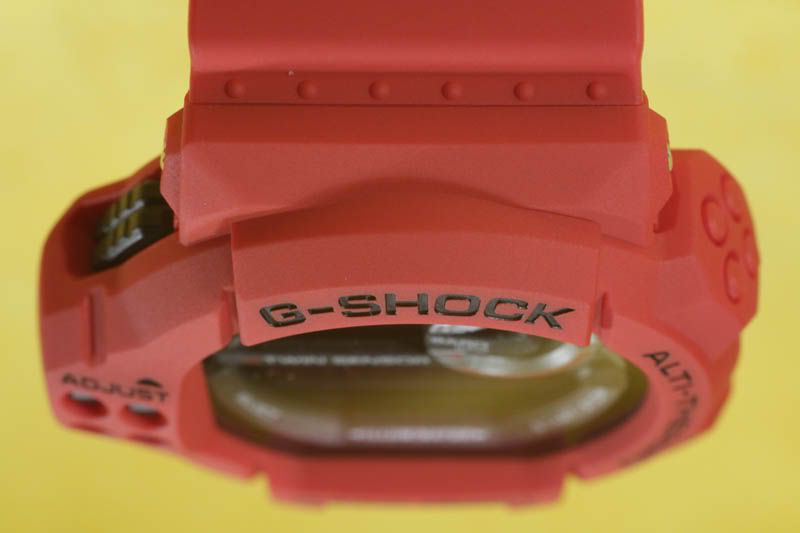
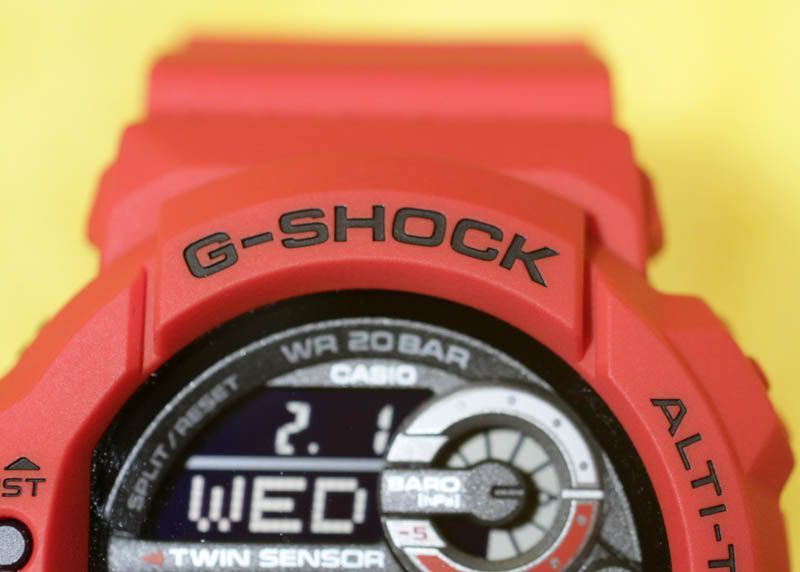
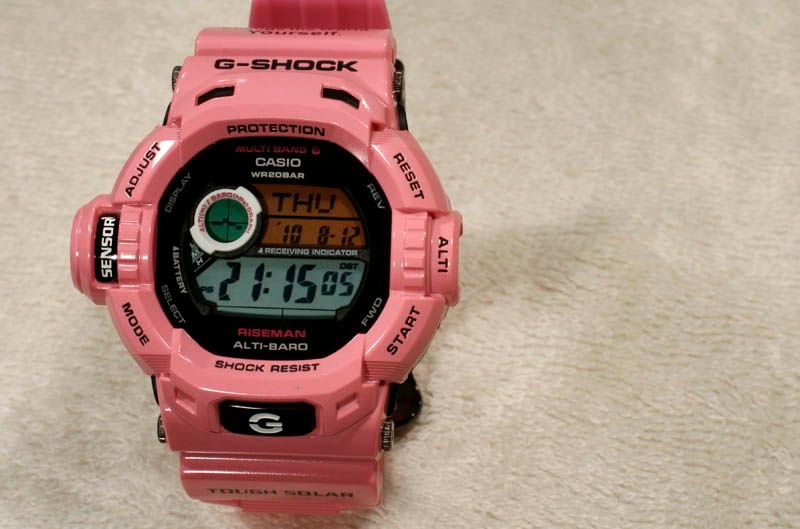
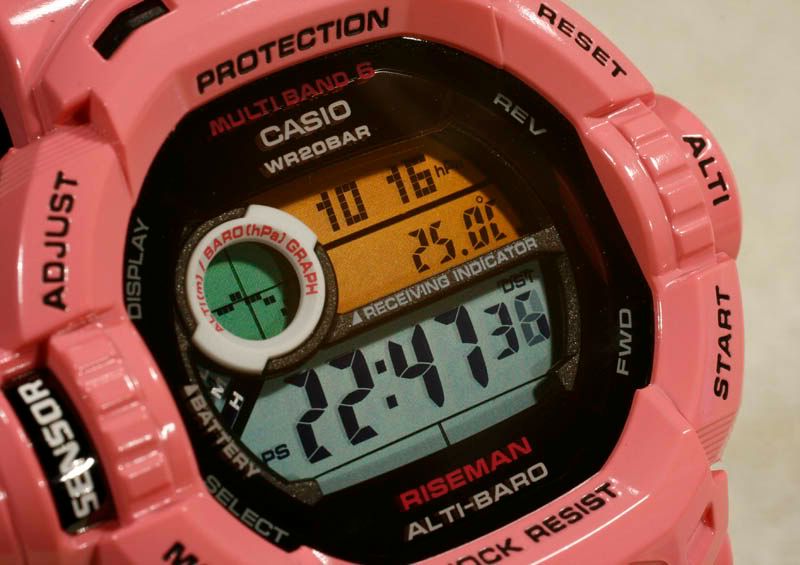
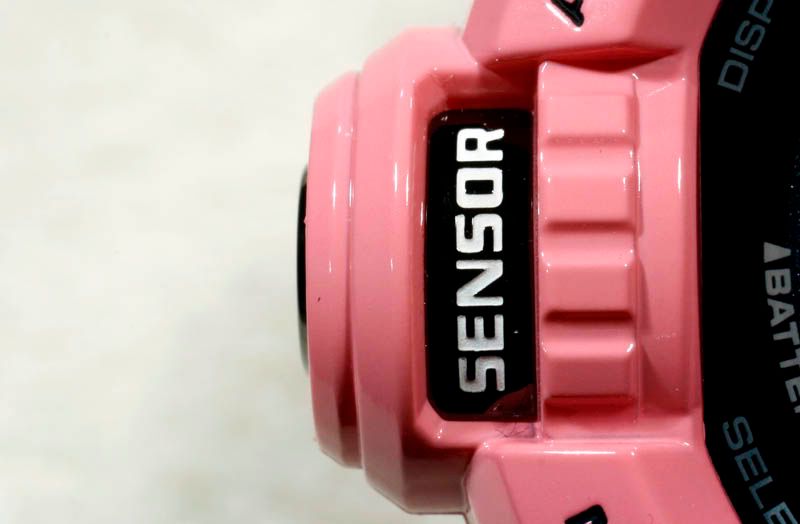
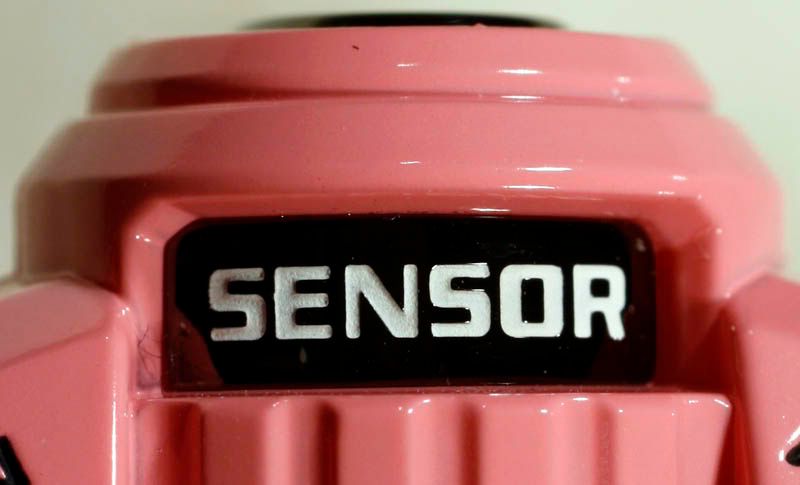
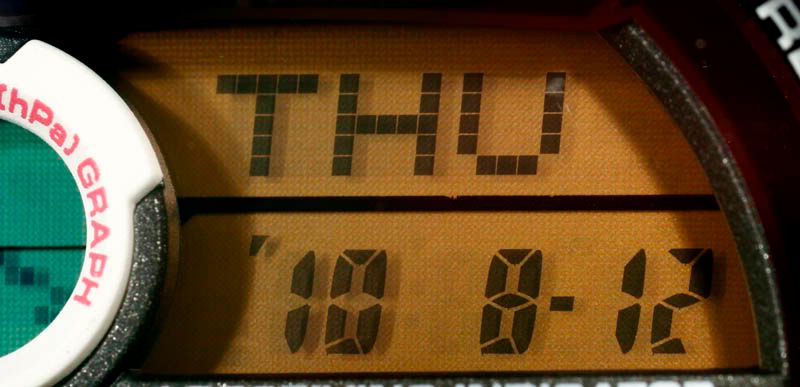
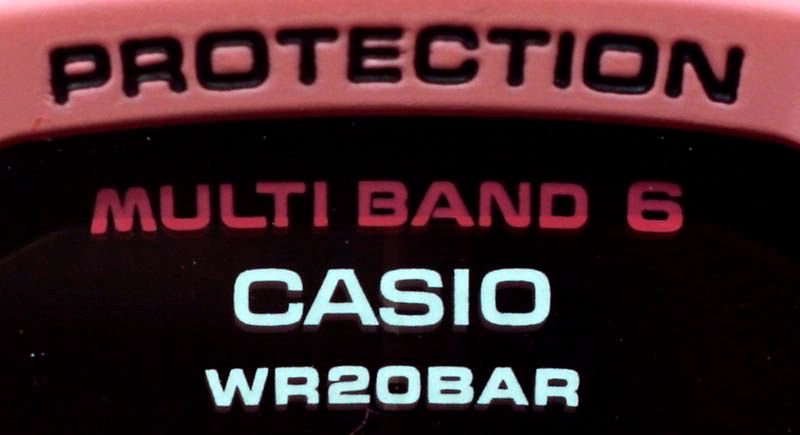
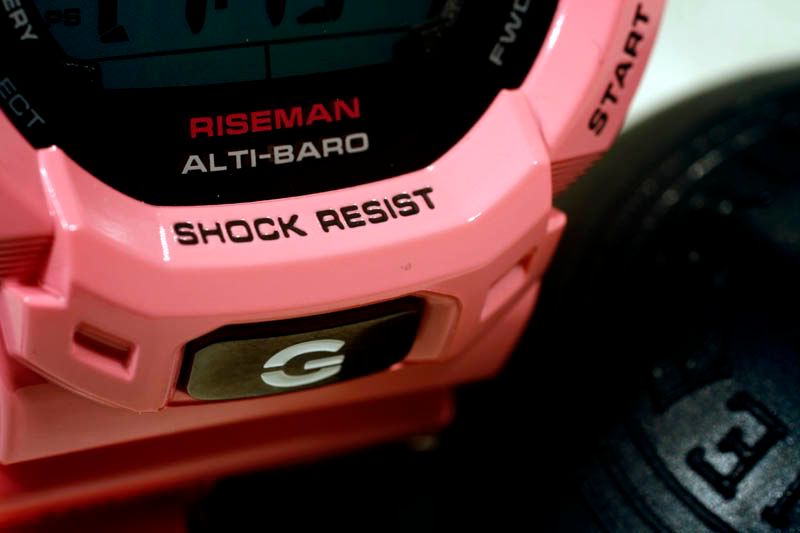
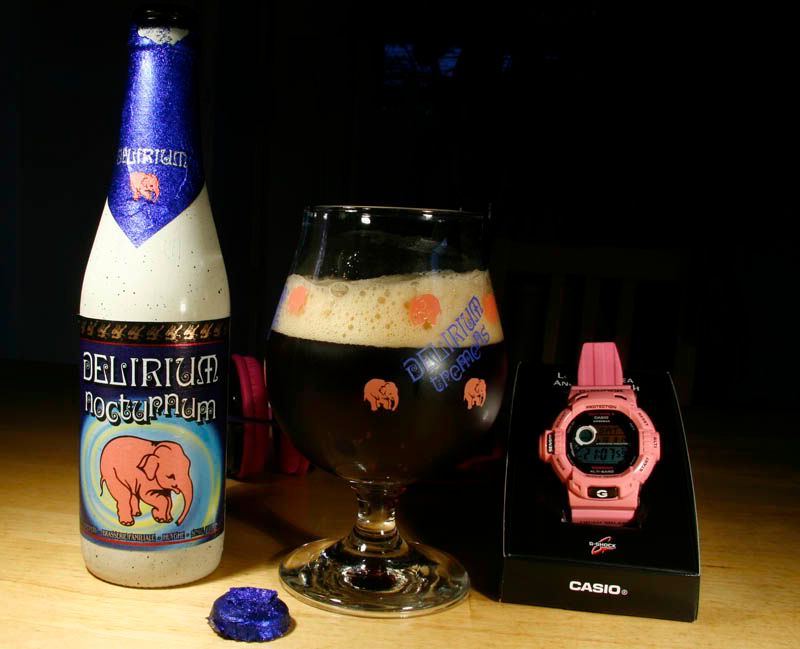
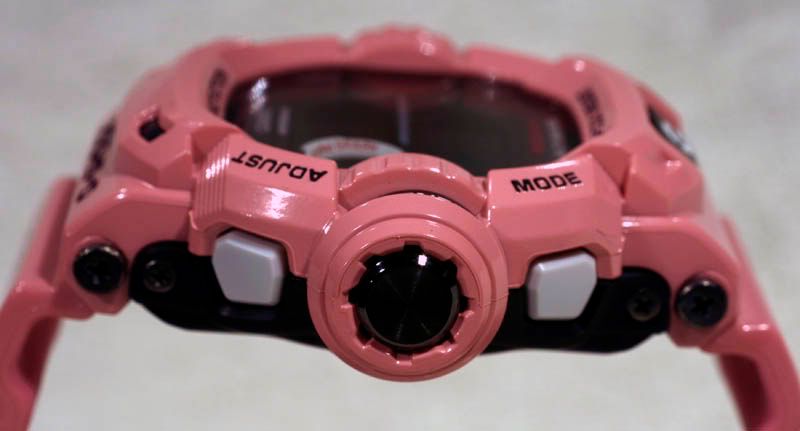
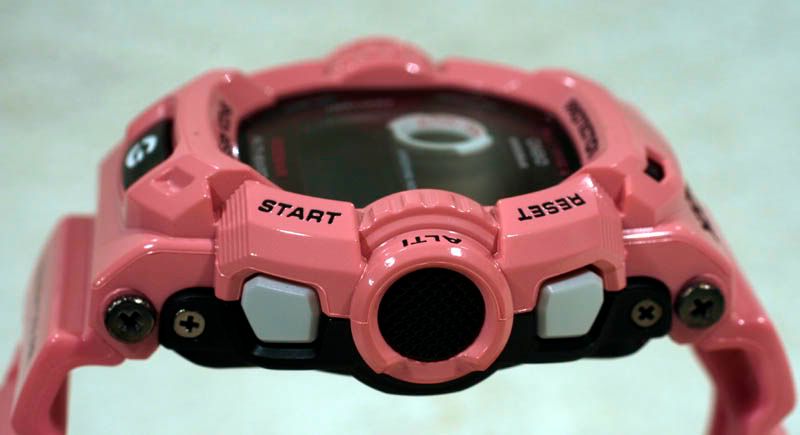
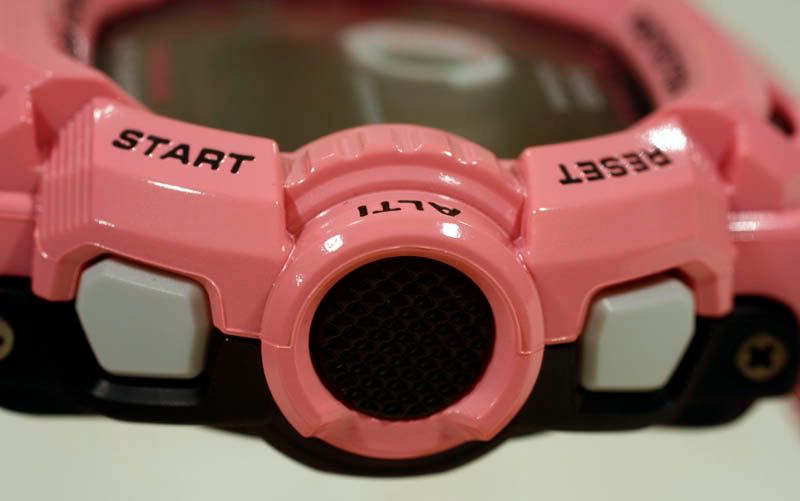
In June 2010 Casio released the second G-Shock model in the Love The Sea And The Earth series. This time it comes in a very unique color, pink. At first sight the color pink does not refer to the sea or the earth, but on second thought, if you look for color variations tables for pink, you’ll notice that there are several shades named after flowers, like carnation pink and cherry blossom pink. In a lot of countries the name of the color pink is directly derived from the rose.
When thinking about an environmental organization, you probably think first about the color green. The First Love The Sea And The Earth model was the green “Kermit” Frogman. In January 2010 Casio released the Green Color models, but these are not related to the Love The Sea And The Earth theme.
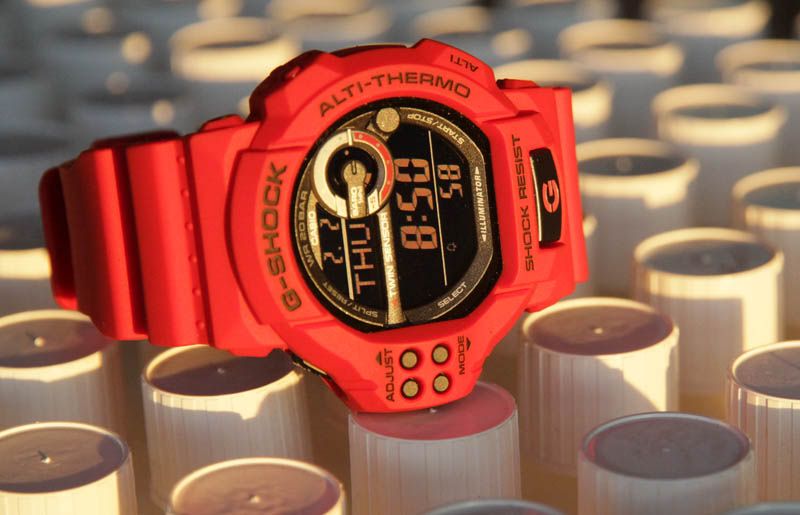
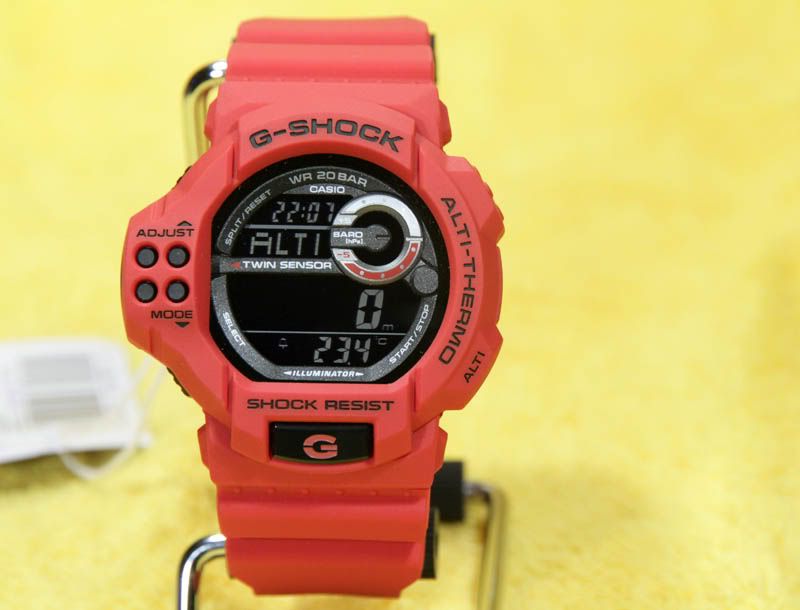
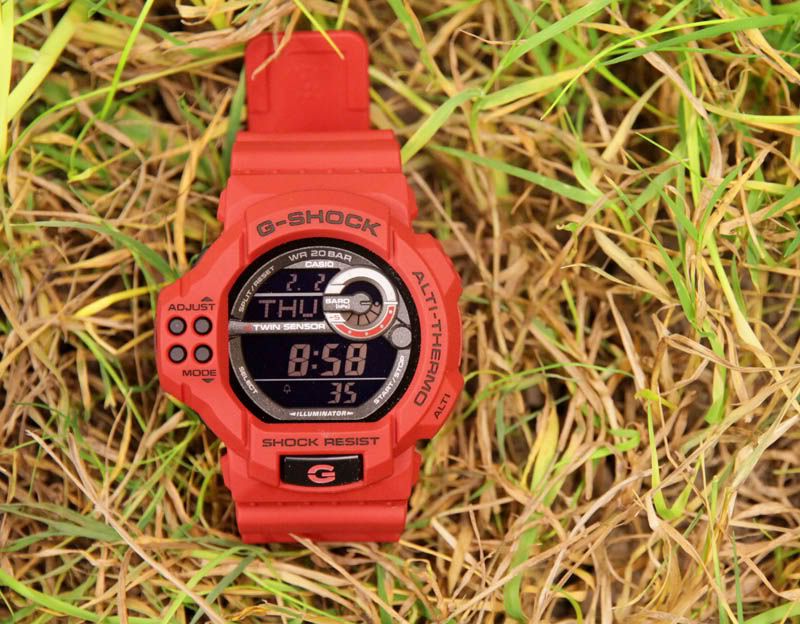
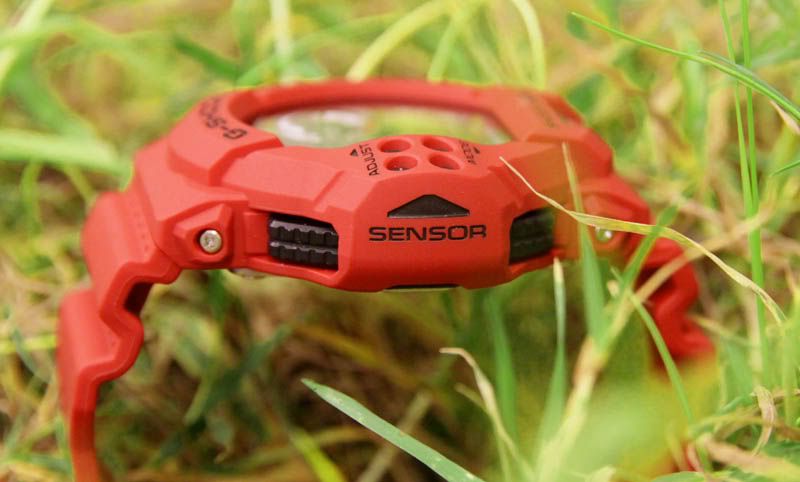
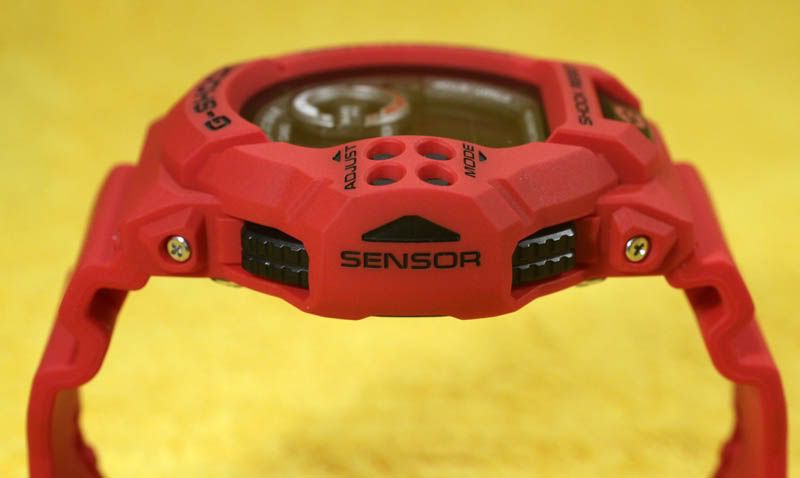
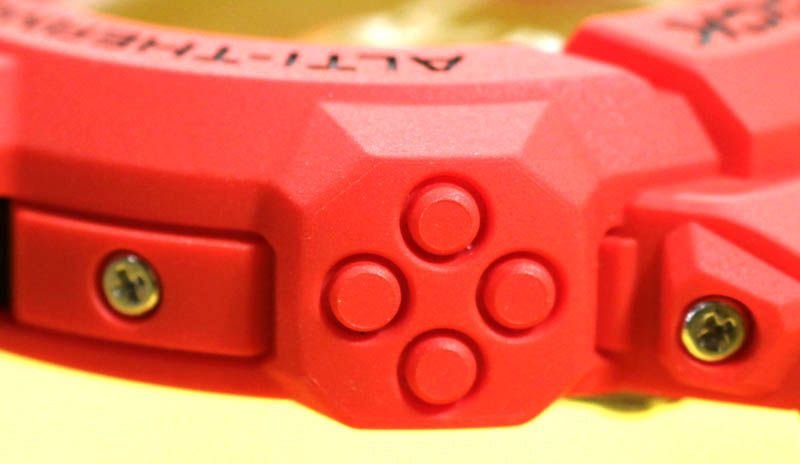
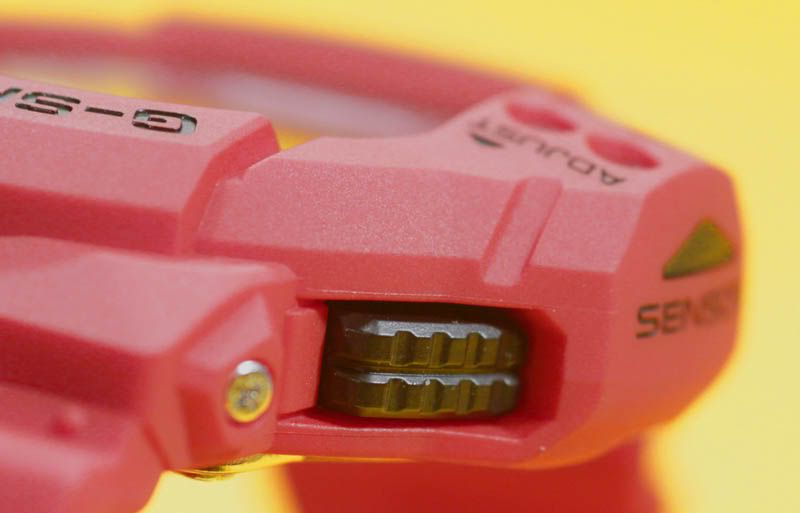
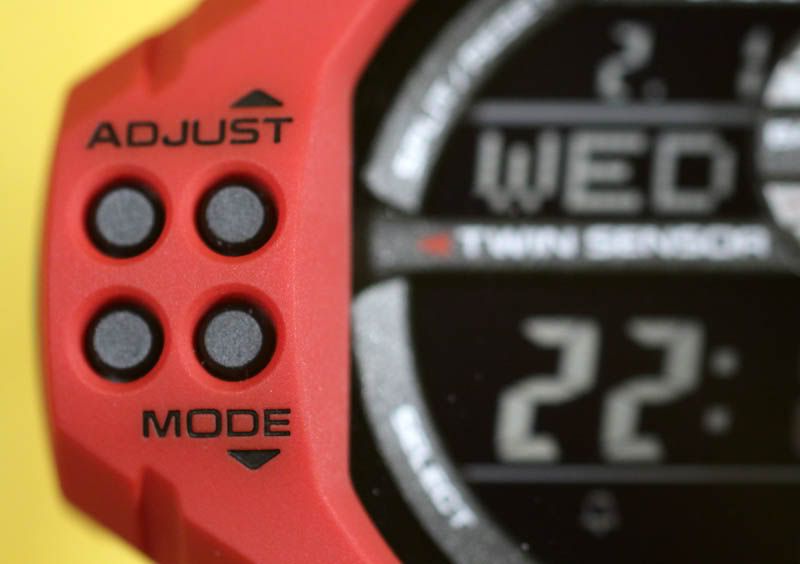
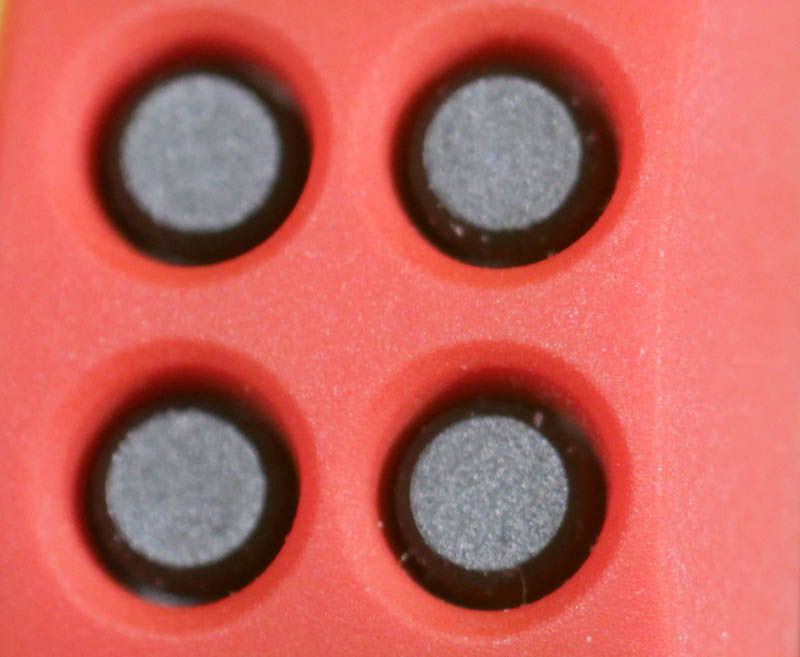
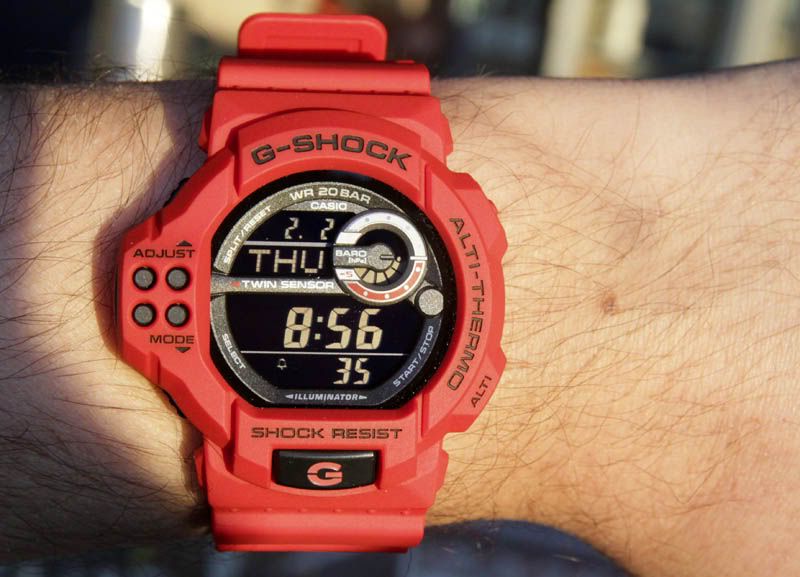
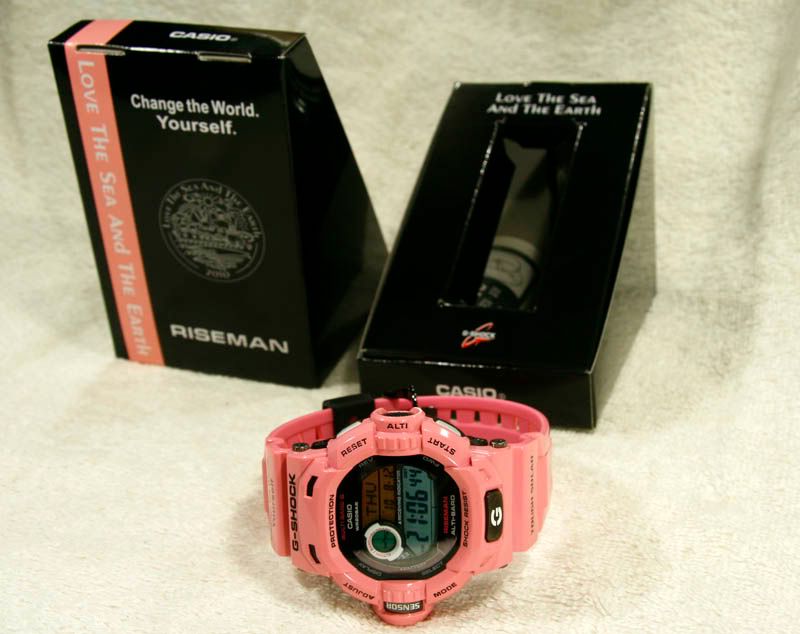
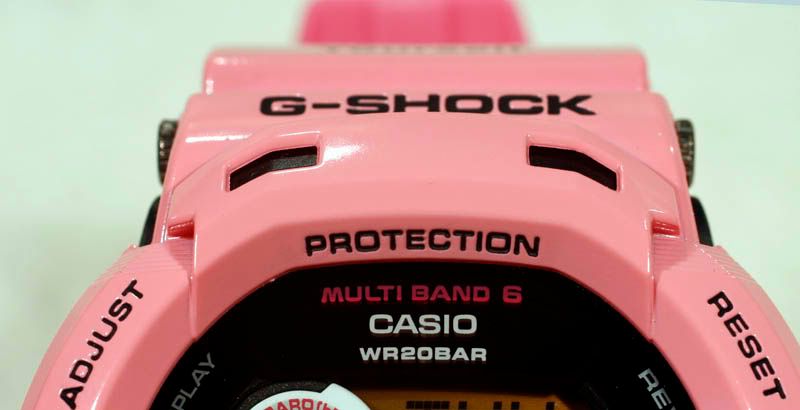
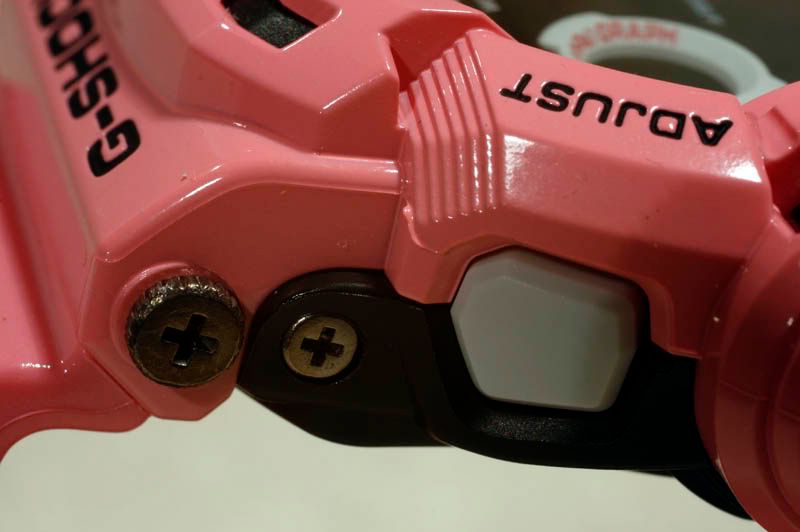
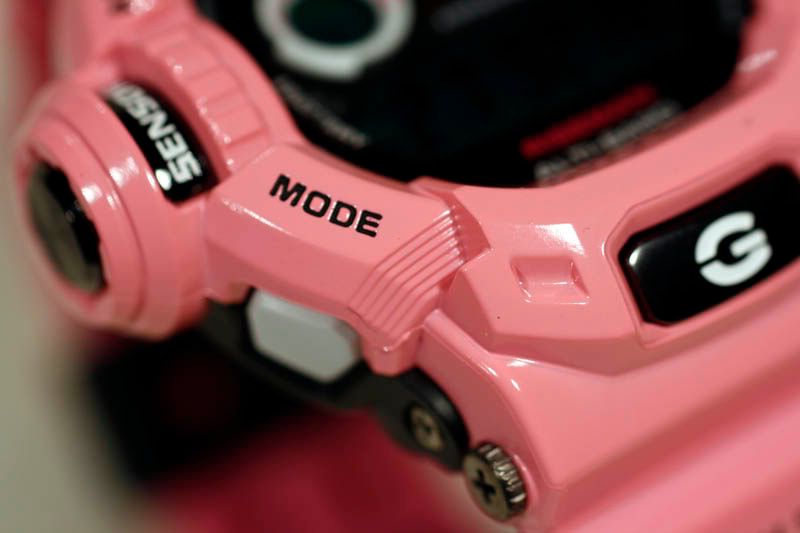
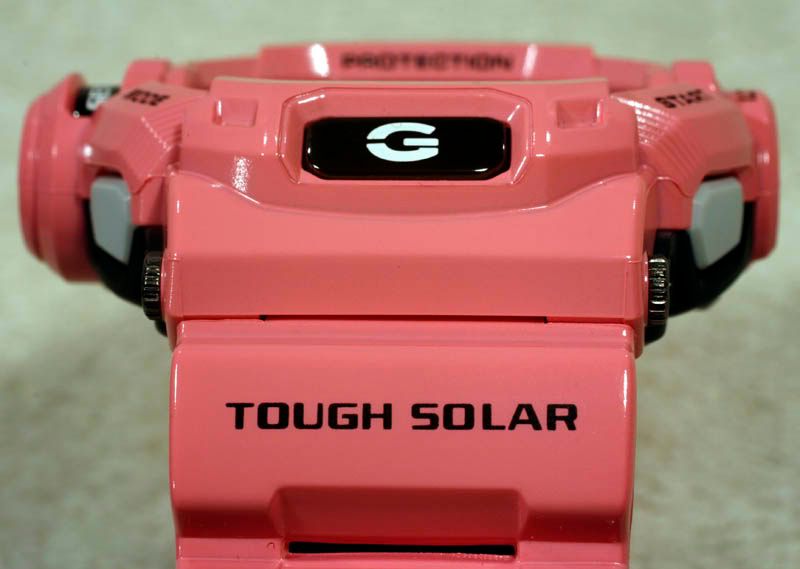
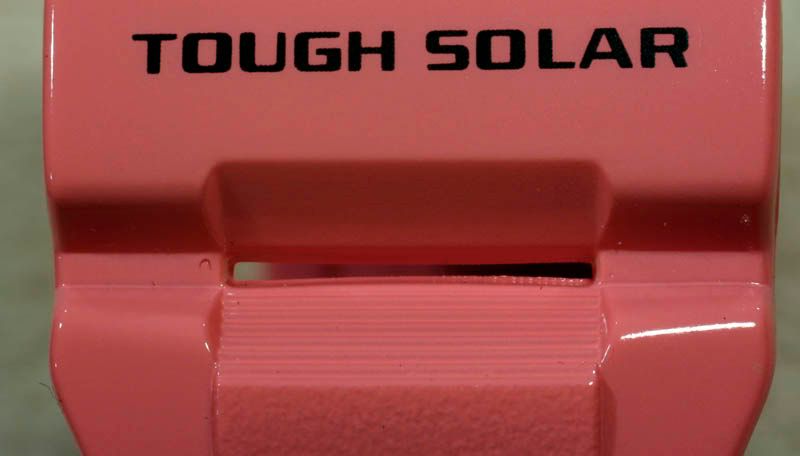
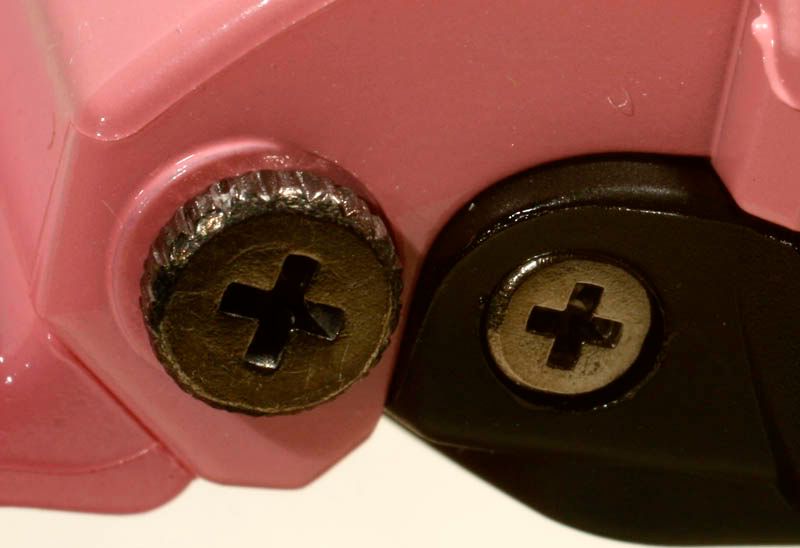
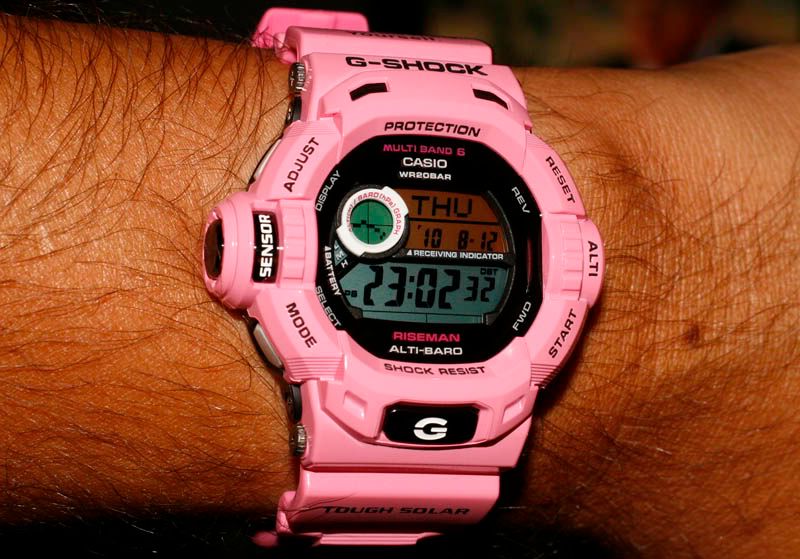
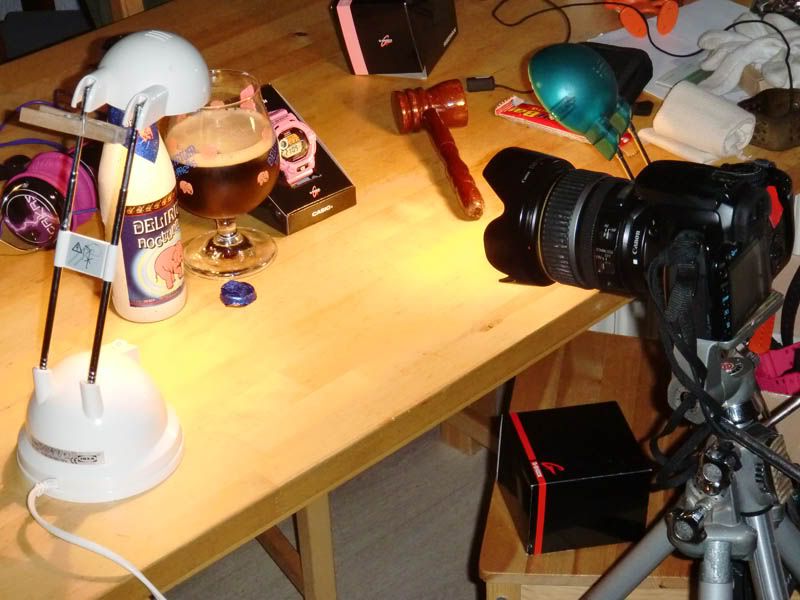
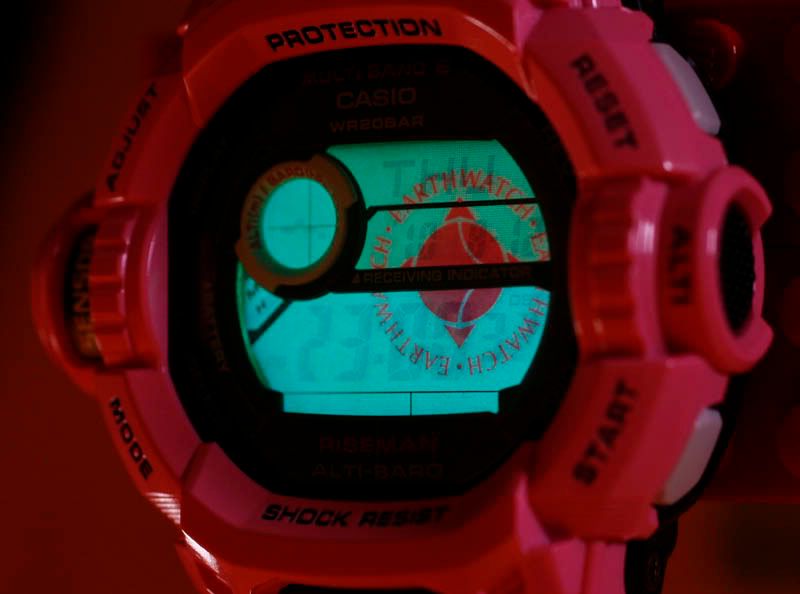
The shade of pink of this GW-9200KJ-4JR Riseman is a bit hard to describe. It’s even harder to catch the right shade in the photos. I use halogen lights, that emit pretty yellow light. Although I have “white” the white balance of my camera, there is a noticeable difference in the un-edited photos. I have tried to adjust the colors in the right shade. I have compared the color with the “Variations in Pink” table of Wikipedia. The color seems to be between Cherry Blossom Pink and Brick Pink (HEX = #FB607F, ), though the color seems to vary a bit in direct and indirect daylight.
The shade of pink is totally different from the other recent pink G-Shock models. I think you can best describe this color more pastel, though pink is actually a pastel color (a color mixed with white).
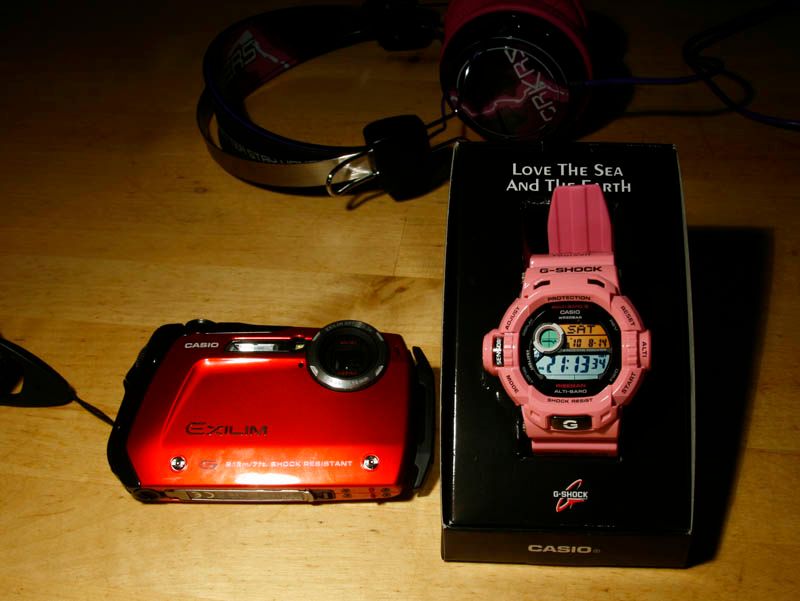
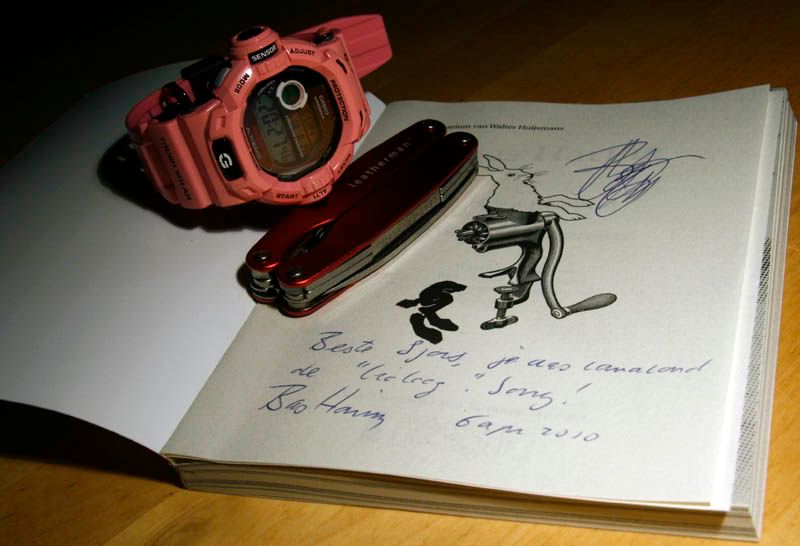
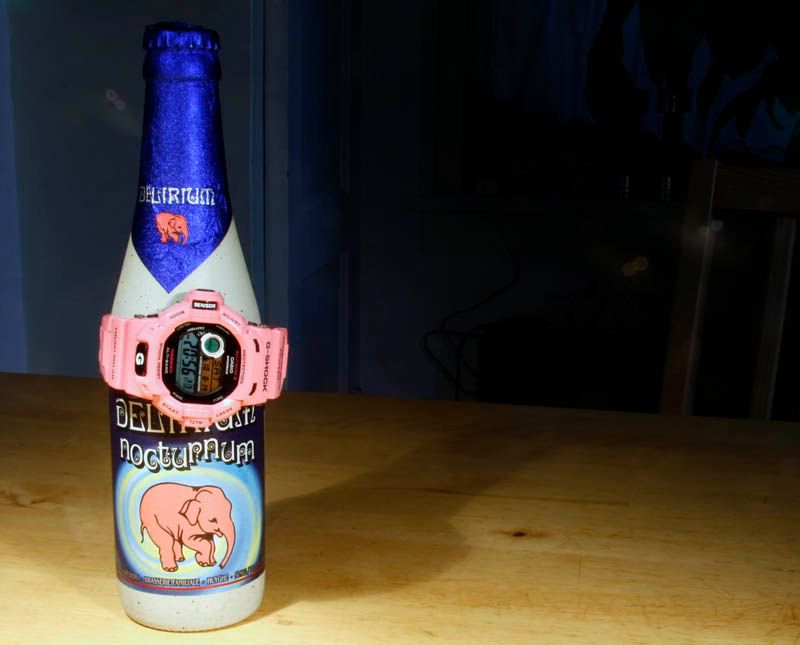
My Riseman with my new G-Shock Camera (Casio Exilim EX-G1)
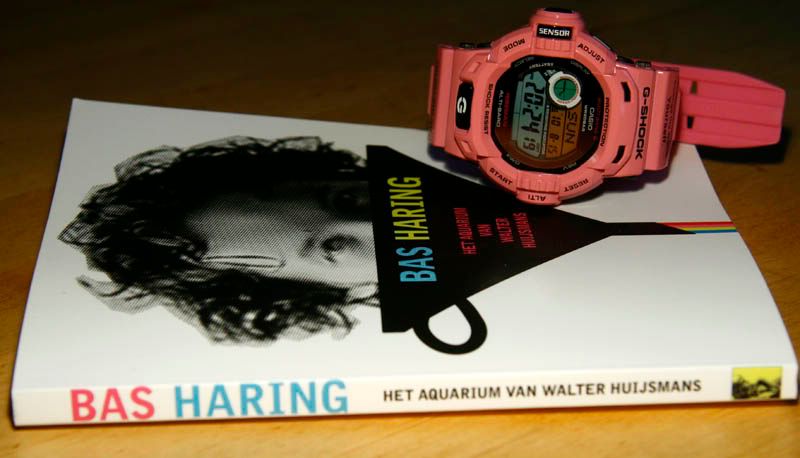
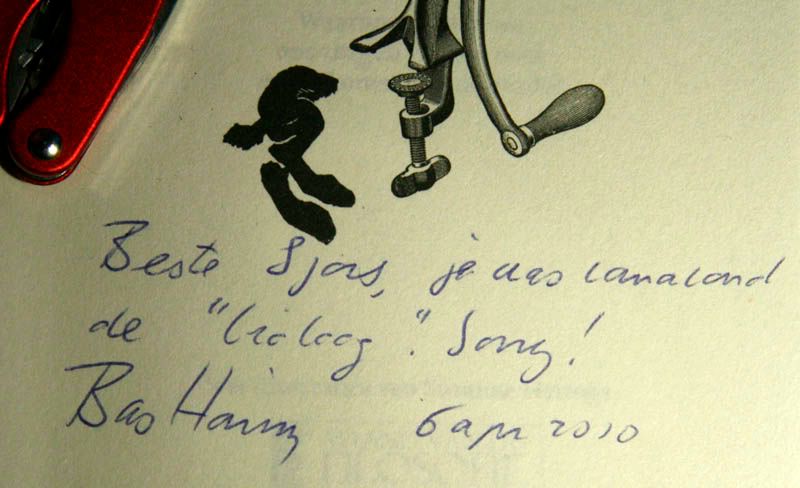
I visited a lecture by the Bas Haring, a well known Dutch scientist and philosopher, who told the audience in a bridge to another subject, that pink is an odd color. You have green and light green. You have yellow and light yellow, you have blue and light blue, but there is not red and light red. We call light red pink. Actually that is not 100% right, because pink is a covering name in all shades of light red and magenta.
Before 1920 pink was a masculine color. Pink is quite a strong color. Light blue was for girls. In history pink was even the color of the French Royalty.
While it was “not done” to wear pink clothes for a man after the 2nd world war, a few years ago there seems to be a change. When I was in a small French village in the South of France 2 years ago, I noticed a long man (around 1.90) in a pink polo shirt. Eva, my girlfriend was poking on my side and said: I’ll bet you, those must be Dutch people. Since then I saw more men wear pink shirts.
Somehow, I think that man wearing pink are pretty strong characters. Pretty much like before 1920. I wouldn’t mind that, because I think pink is a cool color.
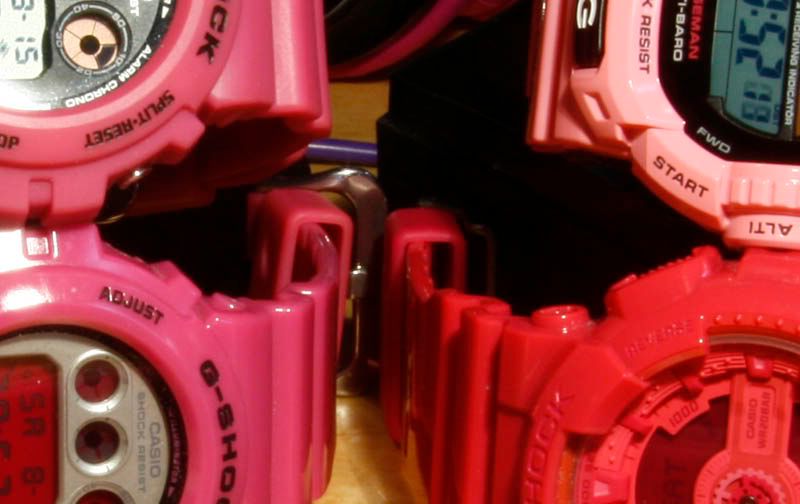
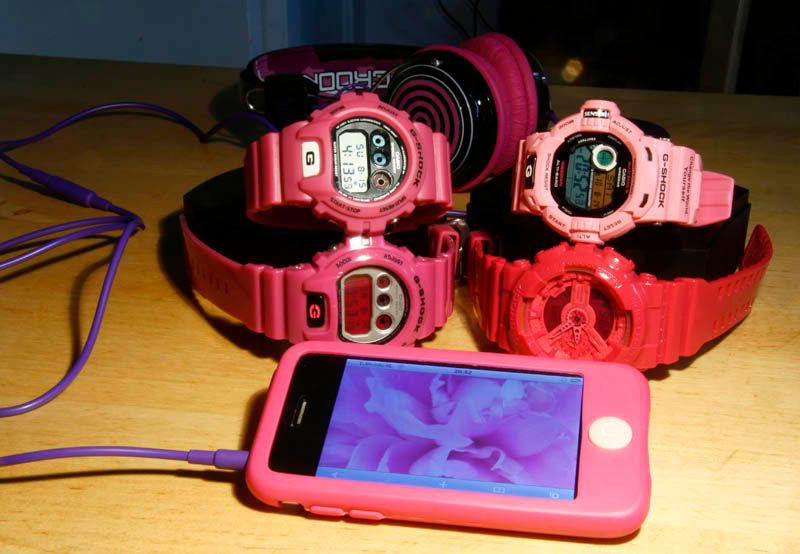
Still, this Riseman has a different shade as the DW-6900FS-4, DW06900CS-4 and the GA-110B-4. These models have a pretty strong pink color, while this Riseman has a more softer tone. I pretty much think it’s not a color that I want to wear, though the watch itself looks great.
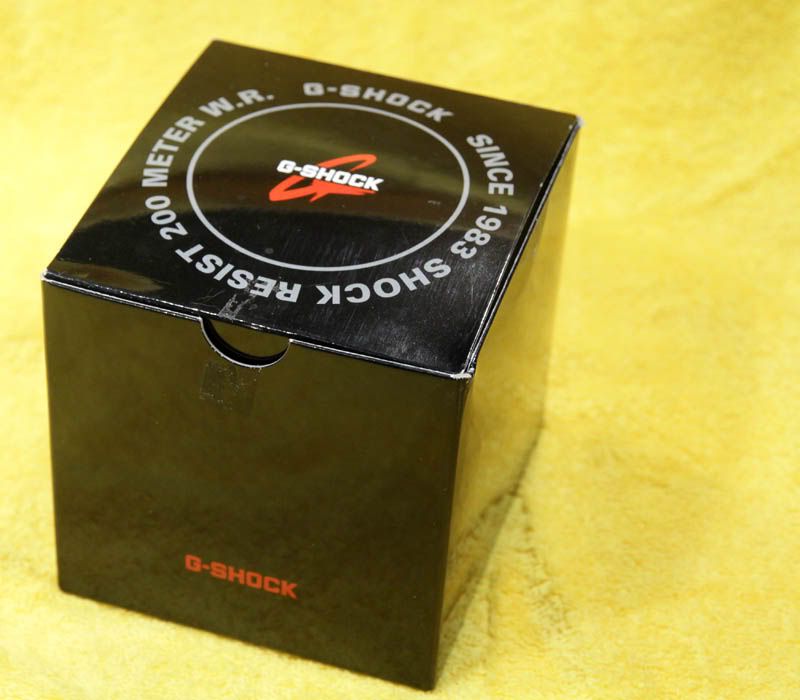
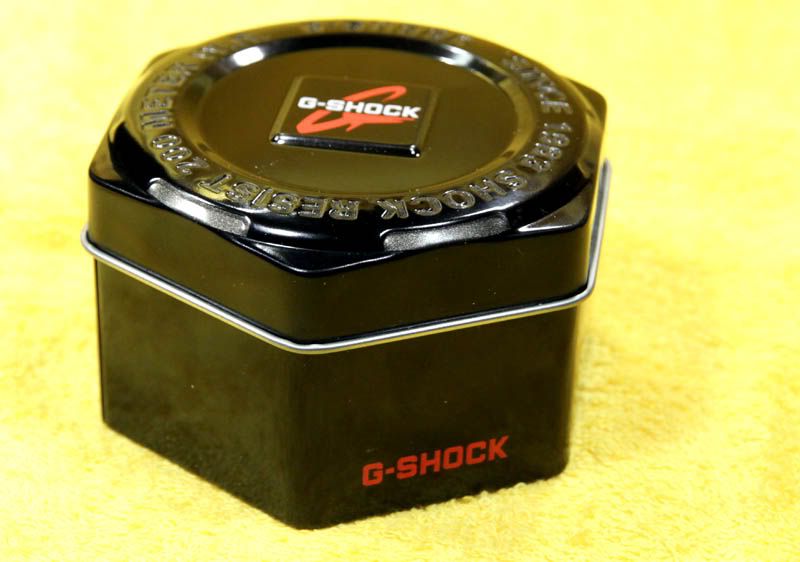
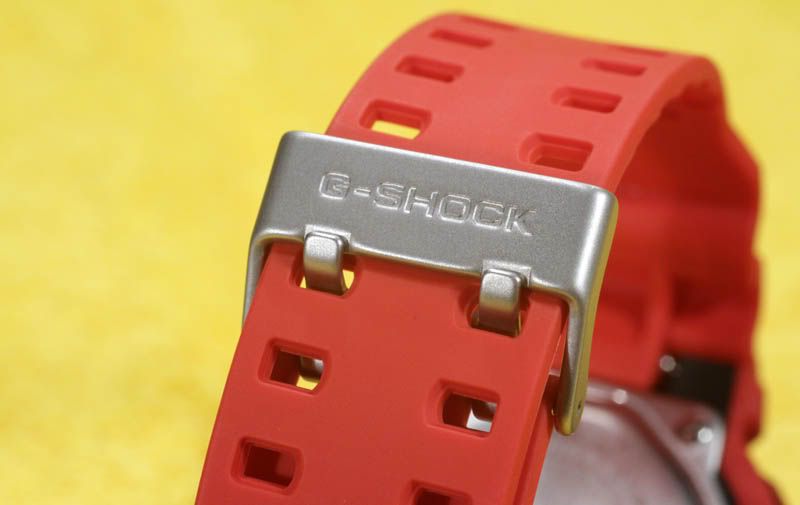
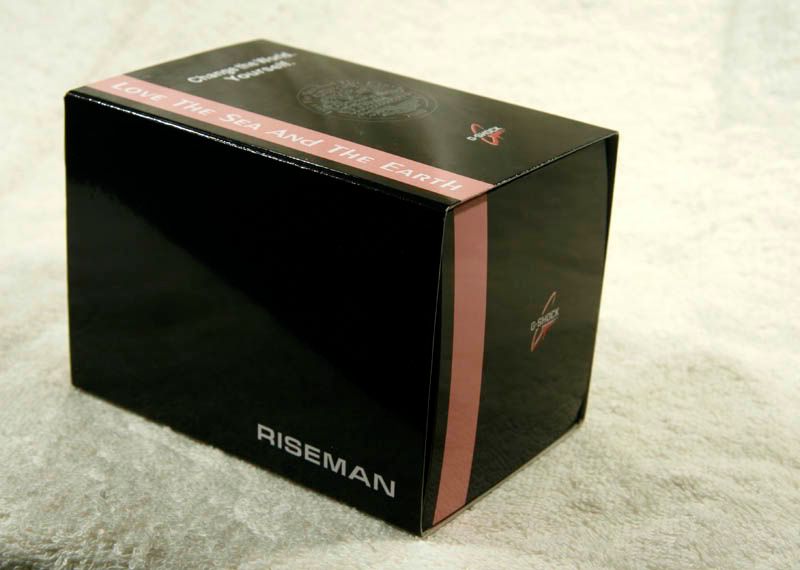
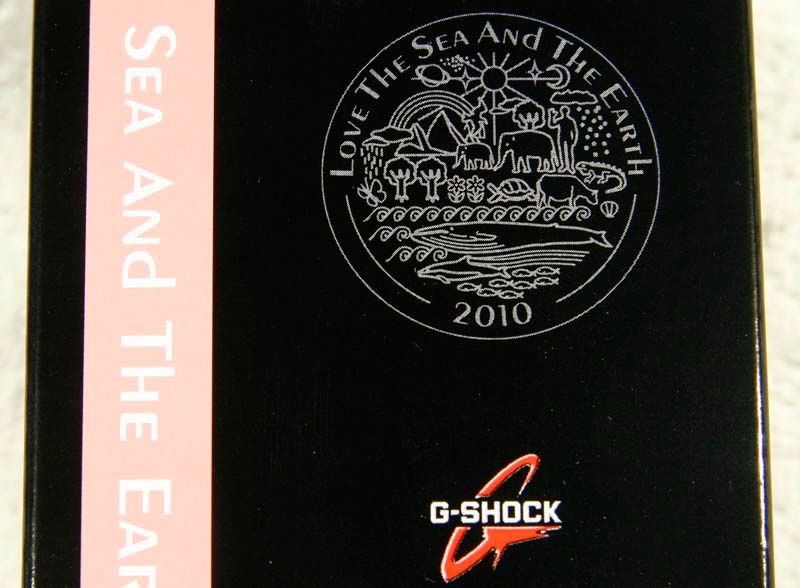
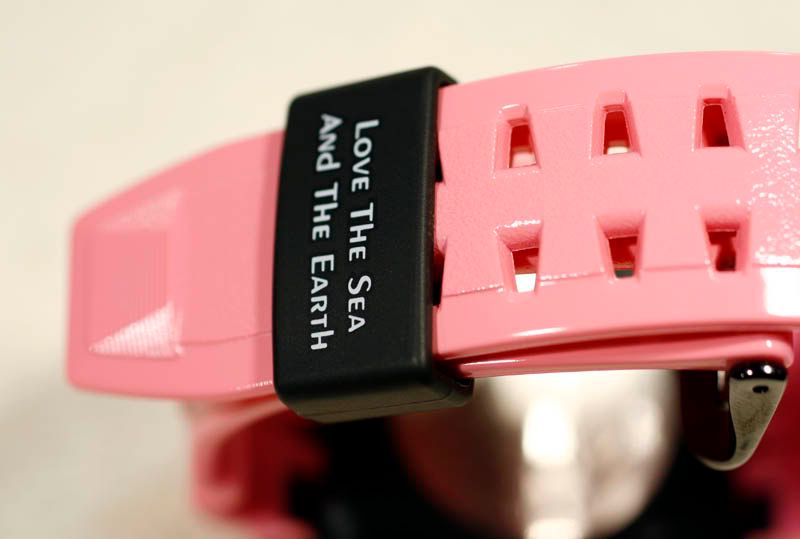
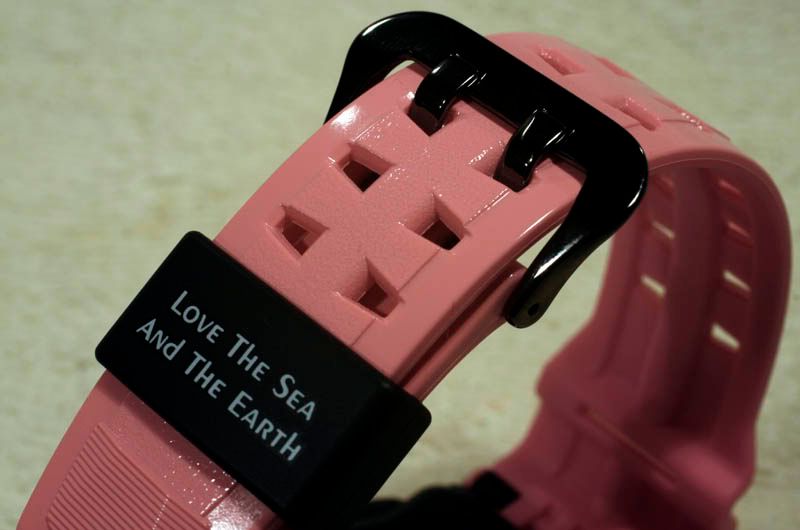
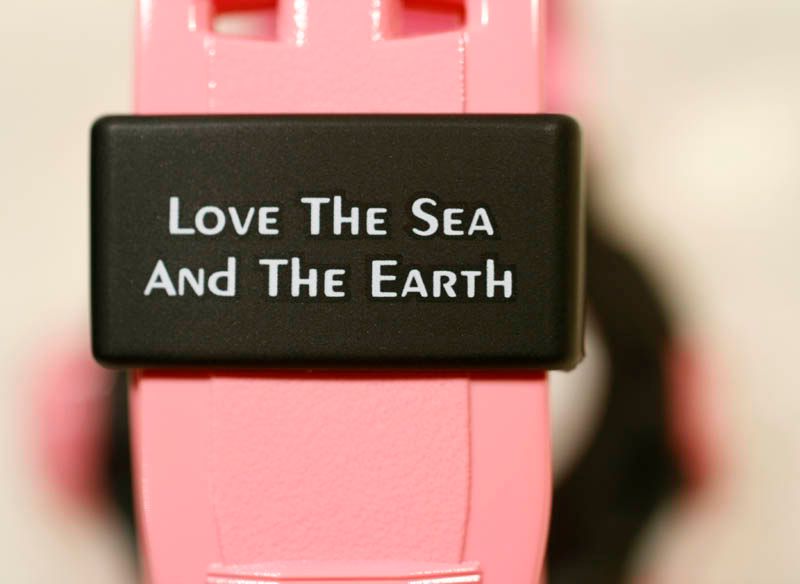
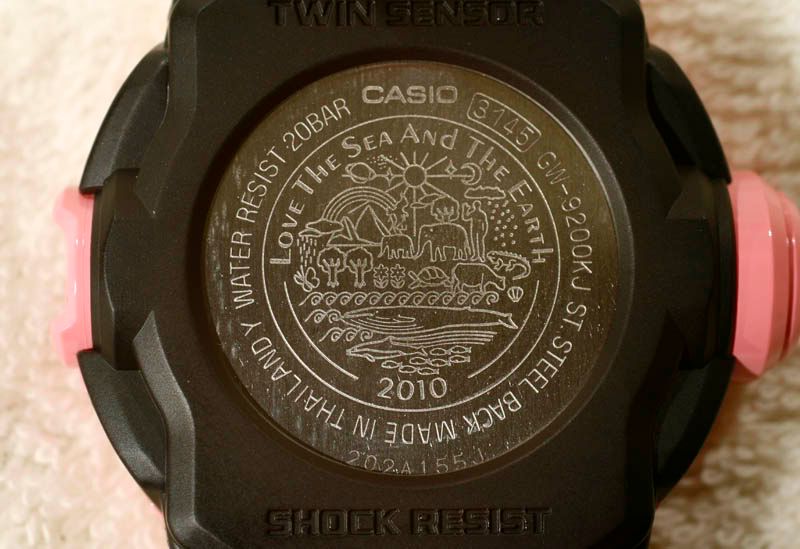
The GW-9200KJ-4JR comes in a special cardboard box of recycled cardboard, all in the line of Earth Watch. On the box there is the logo for Love The Sea And The Earth 2010 and the motto: “Change the World Yourself”. The motto returns also on the strap of the Riseman, the logo is also printed on the back of the watch.
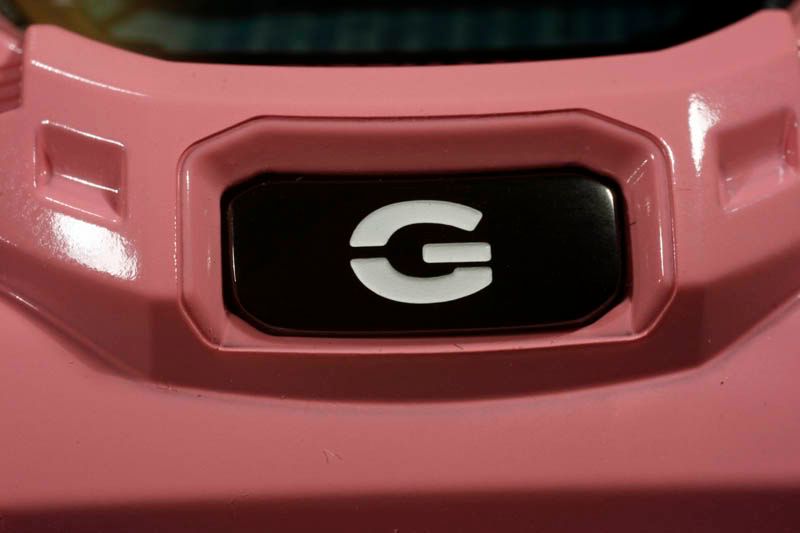
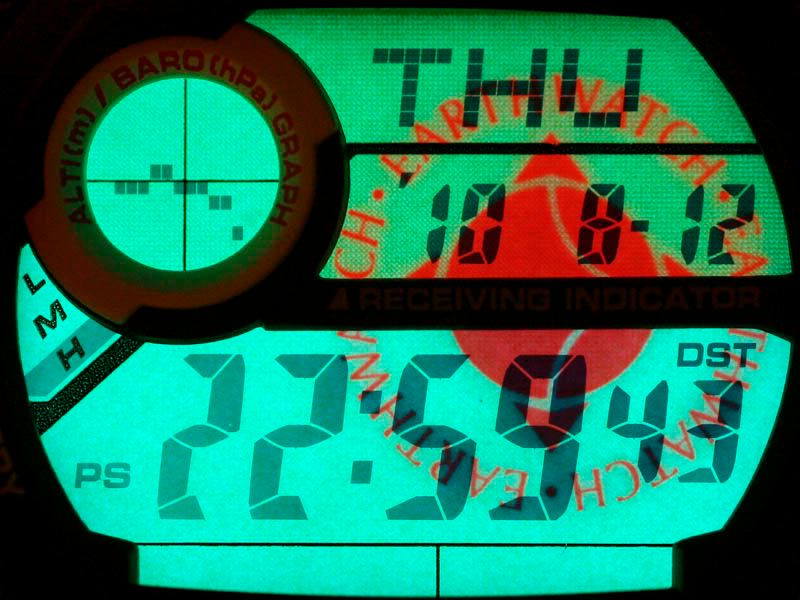
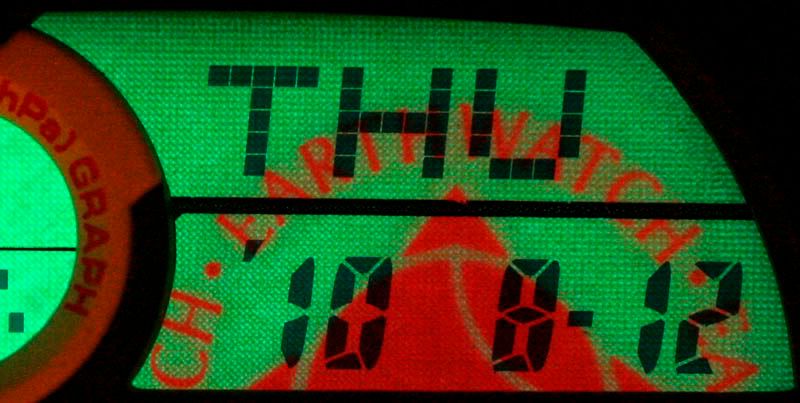
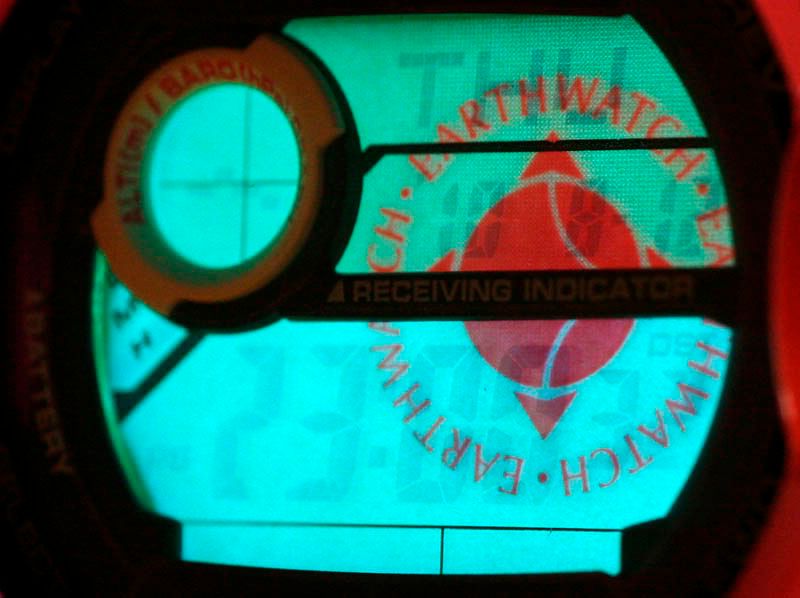
In the Backlight of the watch the logo of Earthwatch, the organization that is sponsored by Casio. A percentage of the sales go to this organization. Eartwatch is a charity international environmental organization that do research, promotion, and education about life on Earth and how to act to maintain a sustainable environment. Earthwatch has been founded in 1971 and has offices in Oxford (UK), Boston (USA), Melbourne (Australia) and Tokyo (Japan).


Still I do not link pink to an environmental organization. I have other associations to the color pink. First thought when this watch arrived was the old television series “Operation Petticoat”. The submarine staring in this series has the same shade of pink. Fun detail about that sub. The pink color was a result of not having enough lead paint in white or in red for the whole ship, so they mixed all the paint, so there was enough for the ship. Because a sudden attack, there was no time to give the submarine the final gray layer. This story was actually based on real event.
Another association I thought of, when I saw this watch, was the Pink Panther. One look at it and you can hear Henri Mancini’s Pink Panther theme. That reminds me that I have to look for some old Pink Panther movies for Bram, though he might not understand the funny French accent of Peter Sellers as Inspector Clouseau (“Thire’s a car in yur pewl”).
Alright, a last association. One of my favorite beers is from the brewery Huyge in Melle, near Ghent. It is the Delirium Nocturnal. A heavy dark beer with a little fruity flavor. Unfortunately the beers of the Delirium range are banned from the US and Canada, because the name should encourage excessive alcohol abuse. The logo for the Brewery and the Delirium range of beers is a pink elephant. I love the glass, as it shows a lot of small pink elephants. It is said that one sees pink elephants when you have drunken too much beers.
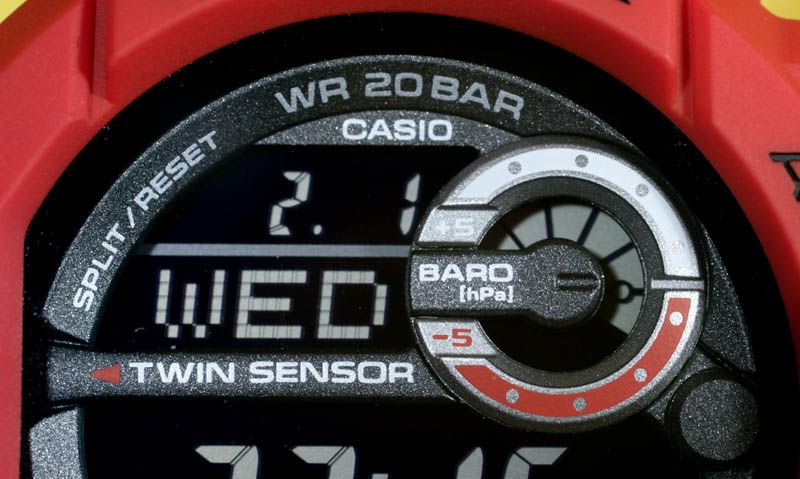
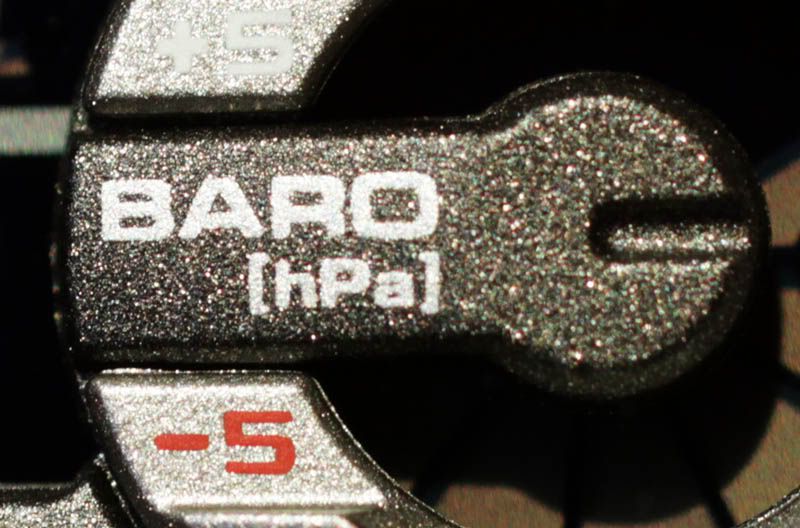
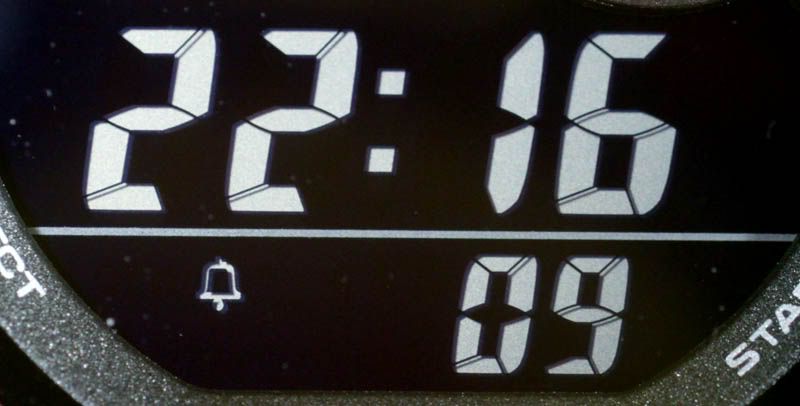
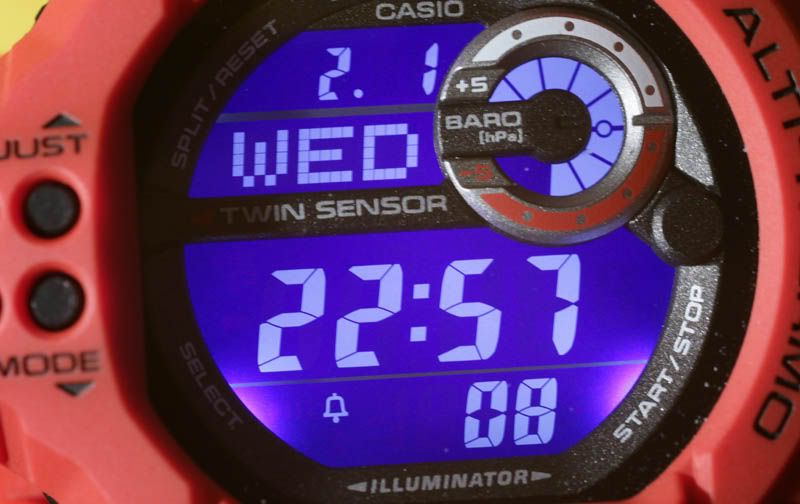
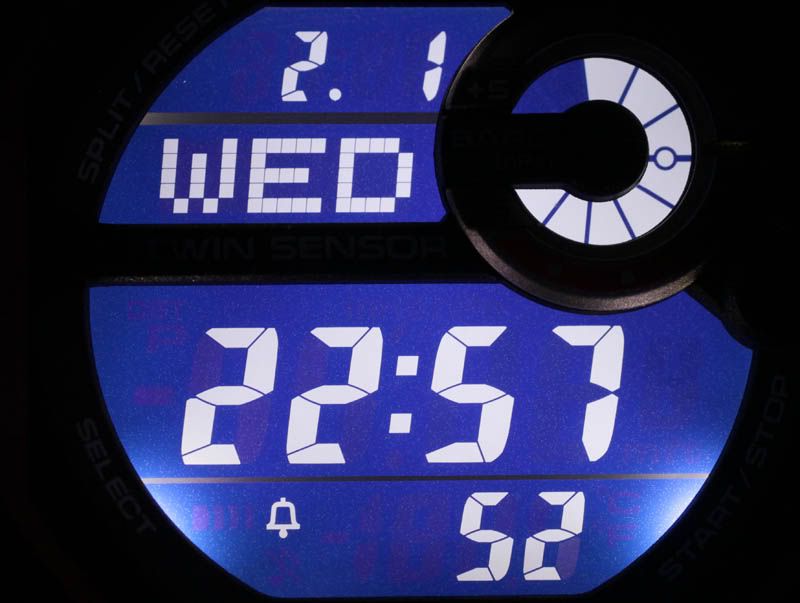
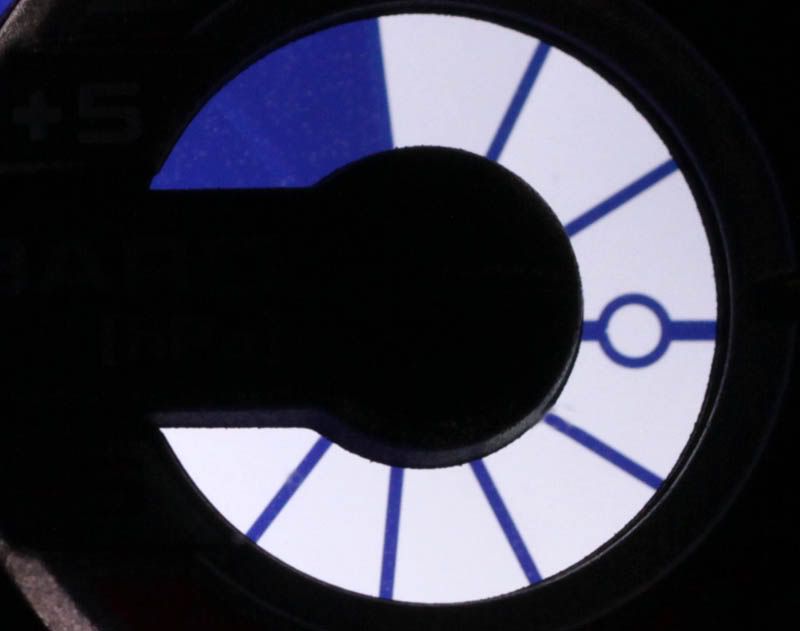
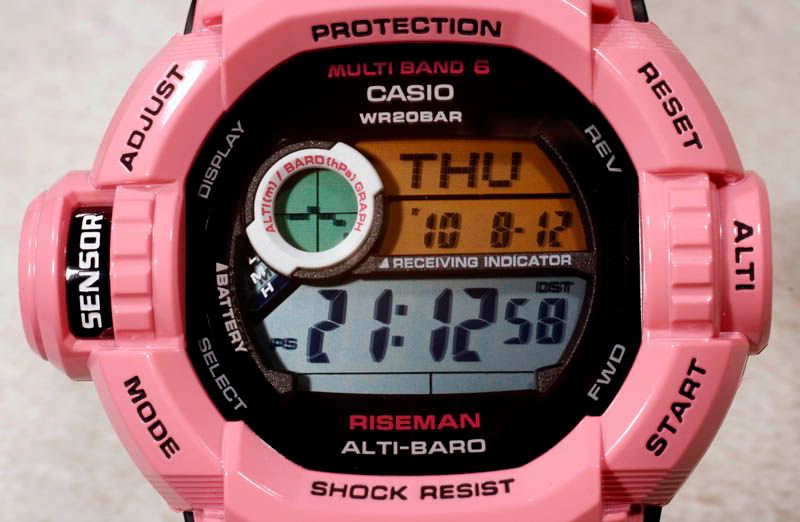
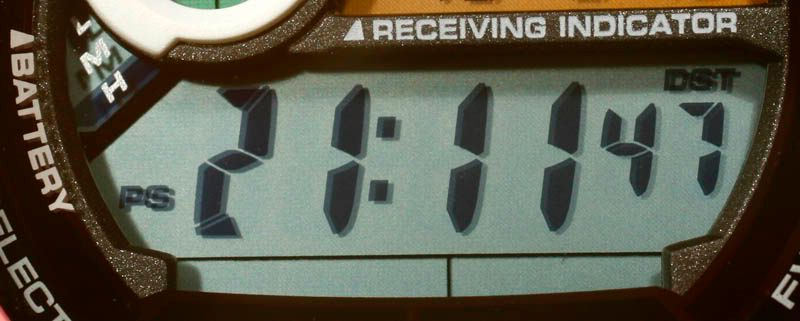
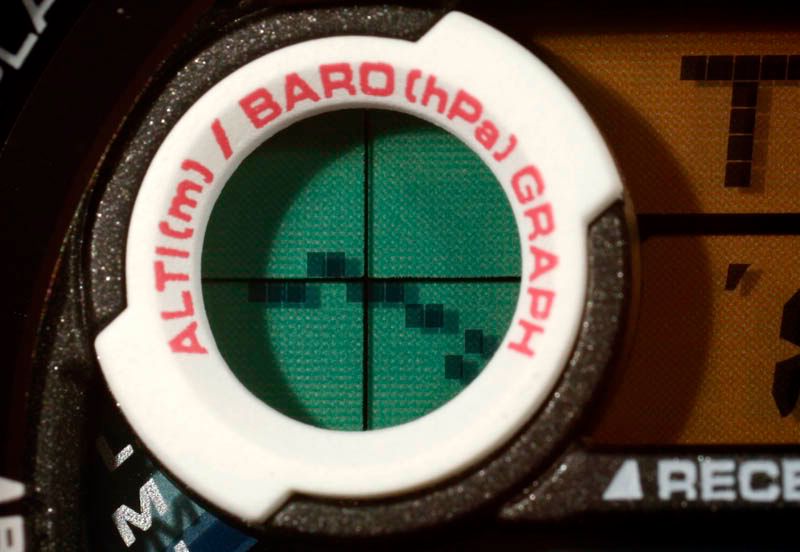
When you first see the color of this Riseman, you’ll soon notice the colors on the display too. Casio uses two toned displays before, but this watch has three tones. While the main time display is pretty usual bluish gray, the upper (day and date) display is amber. The small barometer eye is green. Pretty remarkable, but I like how it’s done.
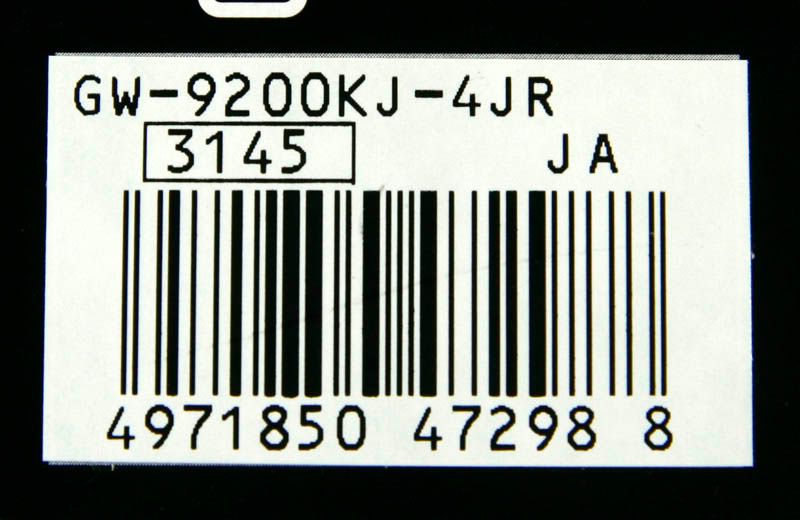
This Riseman is a Japan Domestic model. This means it has the 3145 module, instead of the 3147 module. This means the watch can only display height, barometric pressure and temperature in SI units. It has something to do with the history between the US and Japan.
Personally, as I have studied Clinical Chemistry, with a lot of physics in it, I think the use of imperial should have replaced by the much more logical metric system. Therefore I am right behind the USMA. Why use a ammonium chloride (salmiac, sal ammoniac) mixture to reach 0ºF and the mouth of your wife to determine 96ºF (later corrected to 98.6ºF).
Celcius just used more easy ways to calibrate a thermometer. He just defined melting ice in water 0ºC and boiling water 100ºC. I remember that when I visited New York in 1997, I was amazed by the weather forecast. It was going to be 100 degrees! I had no idea how warm that was, but I’m afraid if that was in my country, it would have been very lethal. Luckily we had air conditioning in our hotel.
Also calculating in powers of 10 is much easier. In ancient times we learned we have 10 fingers, which is the base of the decimal system. If humans were creatures with four fingers on each hand, we probably were very good in calculating in an octal system. Those who know me for my signature on the G-Shock forum, “There are only 10 kinds of people. Those who understand binary and those who don’t”, probably know I have a fascinations for numeral systems.

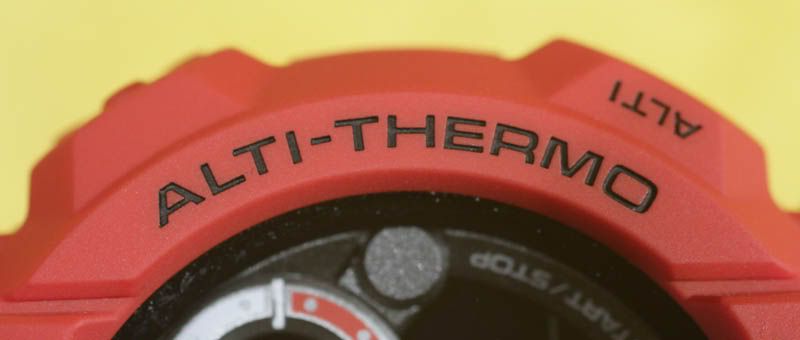
Let’s go back to the Riseman. The basic functions on the watch, a 24 hour Countdown Timer, a 24 Hour Stopwatch, World Time (comes automatically with the 6 band Atomic Time keeping) are of course good, but not the key features of this model. The GW-9200 is the successor of the DW-9100 Riseman and comes also with a barometric and thermo senor. Well, this does not explain the name of this Master of G, but you can calculate relative altitudes with changes of barometric pressure. Of course this only works in barometric stable weather conditions. If you can calibrate your Riseman to a known altitude, the Altimeter function is quite reliable.

There is one thing I miss on this new Riseman. The old version had a very good recorder function. If you started a recording with the DW-9100, it records every 30 minutes the altitude and the temperature. Since I live in a flat country, the Altimeter only is interesting for me on vacation. The thermometer recording function can be interesting to use for tracking changes. I used it often at my camp sites, to see how cold it was at night. The GW-9200 does not record the temperature with the altitude. Also does it not record altitudes automatically during a recording. You have to input them yourself. It only calculates the minimum and maximum altitude and the cumulative ascent and Descent values.

You might think why on Earth put a thermometer on a wristwatch. It seems illogic, since the temperature of the watch is heavily affected by body heat when worn. You can’t compensate for body heat, because the effect of the body heat is effected by the outdoor temperature, your activities, long sleeves or short sleeves, etc. There are simply too much factors to compensate. The Thermometer function is actually pretty accurate. When taken off, the watch will show the correct temperature in about 20 minutes.
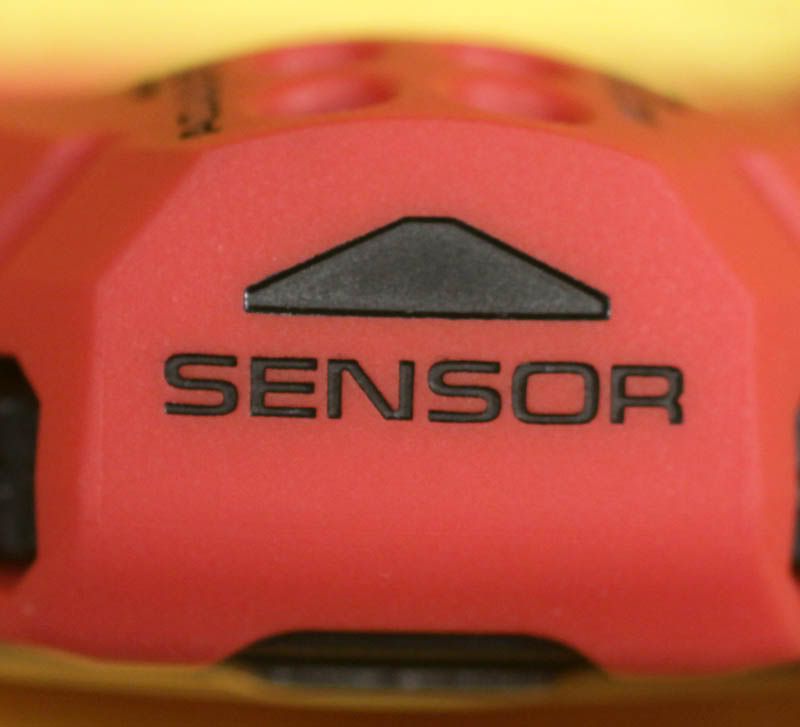
A very important reason why a thermometer can be found on a good watch with a barometric function is that it measures the temperature of the barometric sensor. The output of the barometric sensor is not only dependant for barometric pressure, but, unfortunately, also dependent on the temperature of the sensor. You can eliminate this temperature drift, if the temperature of the sensor is known.
This Riseman model was available at the end of June. I received mine on July 4th. I bought it at Higuchi-inc. Due to the bad Euro/Yen rate, it was quite an expensive purchase. I paid around €215 for it, but compared with the ¥30000 suggested retail price(€278 without VAT) , it was still a very good price.
You might ask me if I intend to wear this watch. I love to wear pink G-Shock’s, like I like to wear other colored G-Shocks too (except blue for some reason). Still I think I let this Riseman in his box, just for the collection. The shade of pink does not appeal to me as I like the more stronger pink colors of the Crazy Colors and Hyper colors model. Maybe I even think that this pink tone might be more feminine. I like it when women are wearing big watches (I think I like it generally when people are wearing big watches), so no doubt that this Riseman would be looking great when it is worn by a sportive woman.