Prologue :
Today's article is written by Christofono Brown, a fellow G-Shock Collector and a nice friend of me from Hawaii. I asked him if he could join me in writing some articles for 50 Gs. After some nice conversations via all kinds of media and reviewing a first raw article, he sent me this article of a first series of three. I simply had to say I was completely amazed. I really enjoyed reading this article, so I hope you will enjoy it as much as I did. A sincere big "THANK YOU" to you Christofono. Have a great read!
Sjors
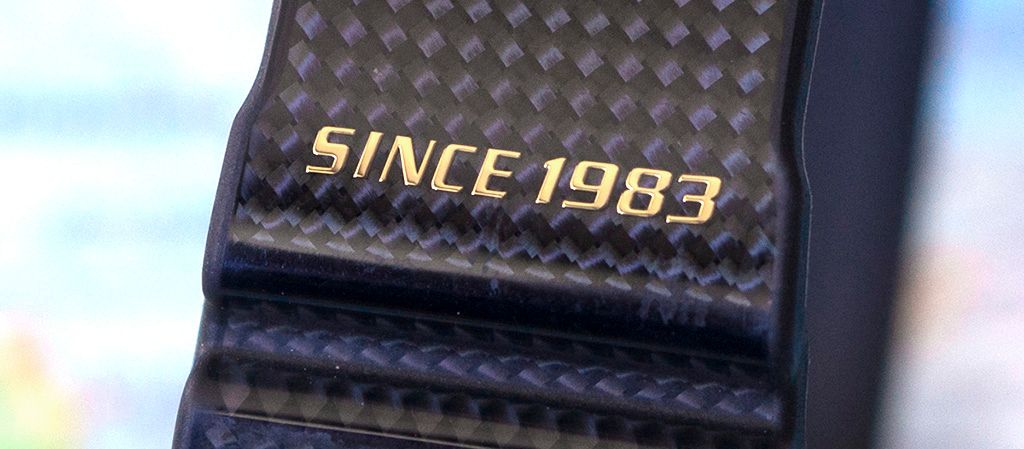
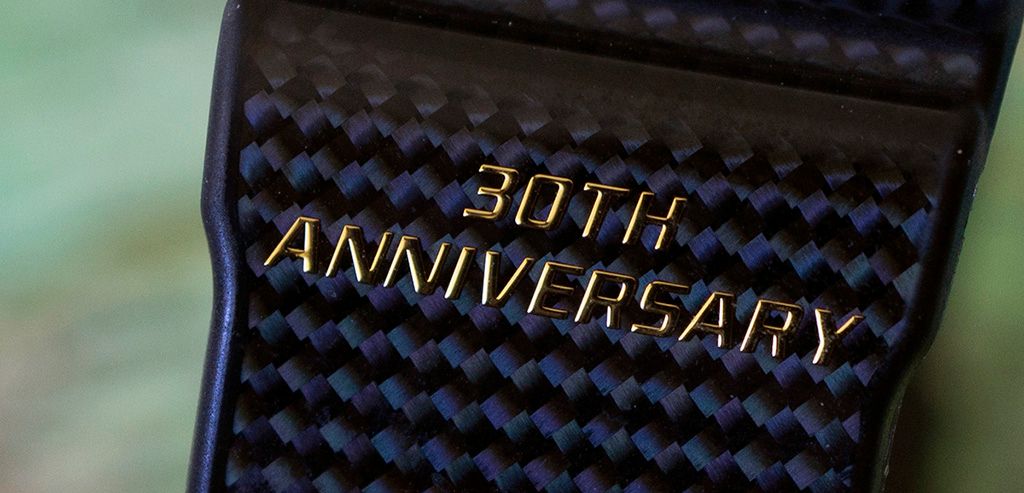
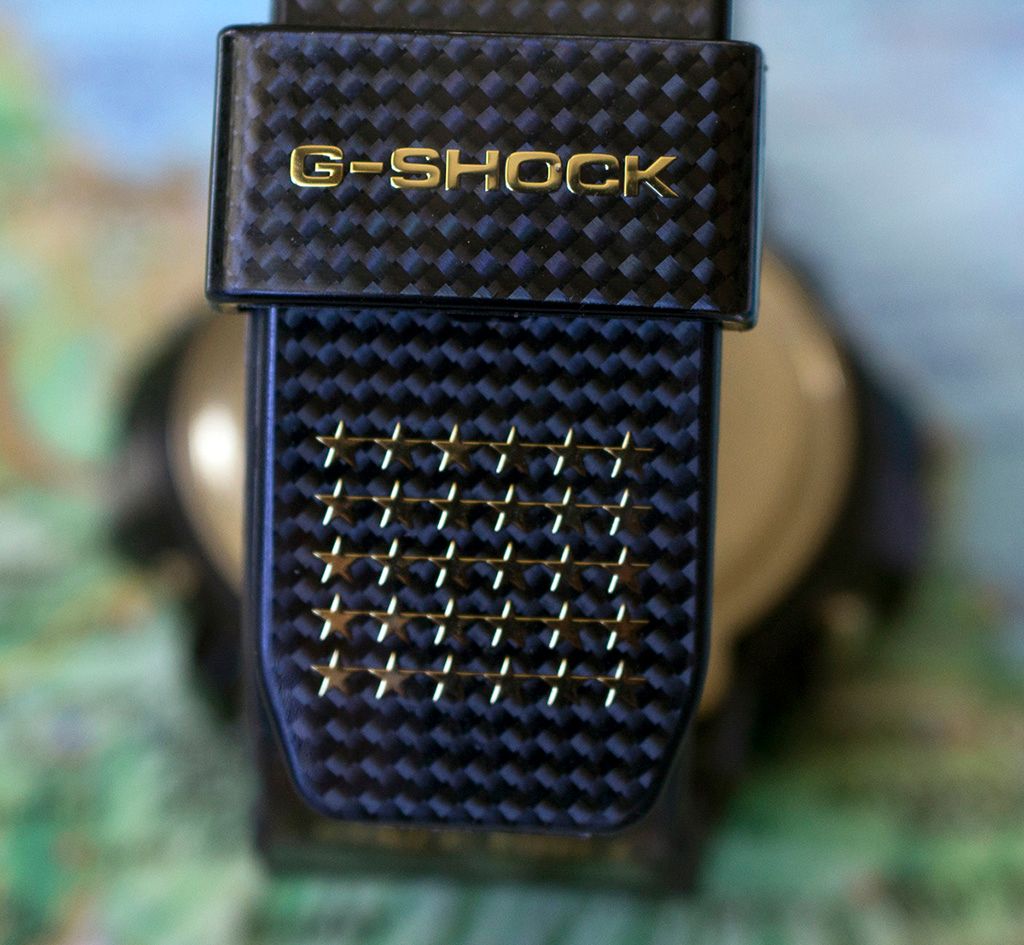
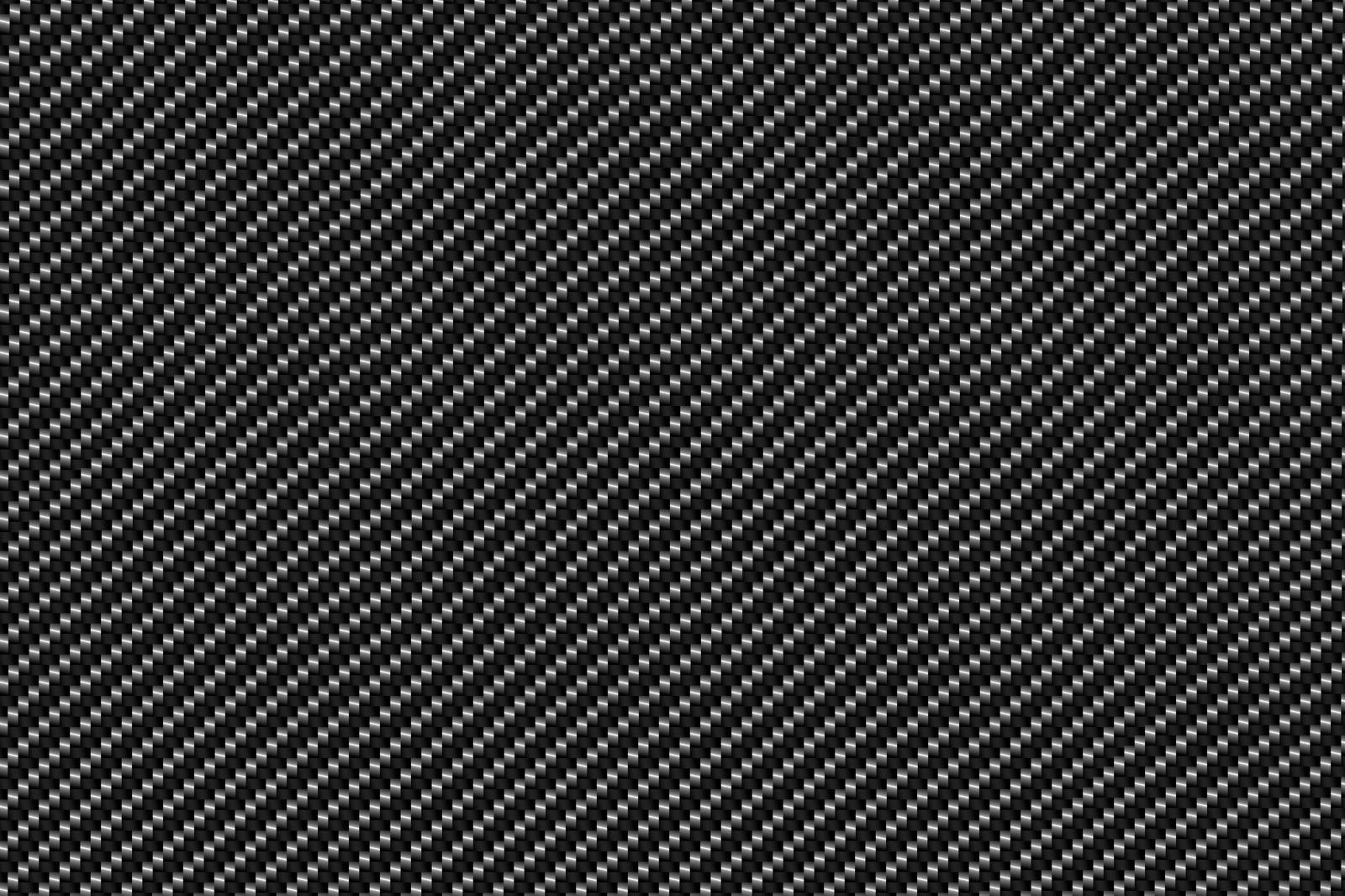
Carbon Fiber and G-Shocks. Those two items really goes together and you see it on the premium G-Shocks. It elicits an immediate “oh cool” factor on the models that combine the two in the bands of the GPS G-Shocks (the GPW-1000), the Gulfmasters (GWN1000), the Japanese versions of the 9300 series Mudman and the Rangeman (GW9400), and on the high level ProTreks. But where did it start? How? How long ago? Why?
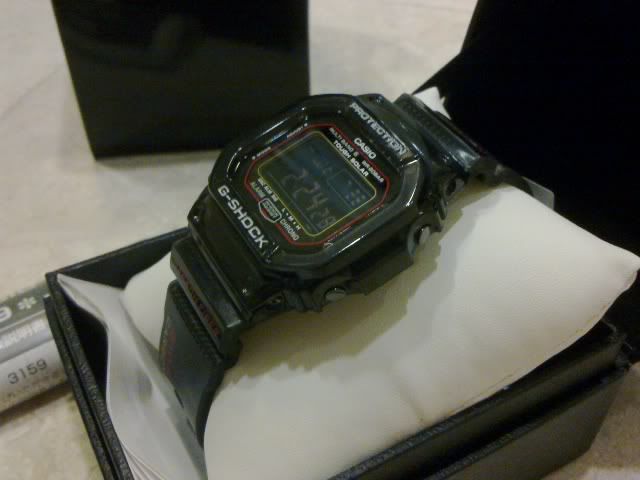
GW-S5600B in box, photo taken from internet
Well, the “why” is a little more obvious. given a few years the resin can break from a few factors. Collectors are familiar with “resin rot” where it gets greasy then brittle even without wear. But collectors are a small part of G-Shock purchasers. Casio was worried about hard working people with the specific idea of construction workers. Turns out daily wear of the watch (normal for most people) outdoor hard work with salt and water contained in sweat the resin would degrade over time. Casio was worried the G-Shock would get a reputation of the straps coming apart before the watch was done. For a lot of the population when a strap break the watch becomes unwearable and is tossed to the side.


This urethane resin degrades over long term use, and is normal in most of its applications. Casio trying to bring out a G-Shock that was up for these rigors of construction work or sports enthusiasts became the goal. Because carbon fiber starts off as a cloth type of material the thought was even if the urethane resin cracked, the carbon fiber would still hold together. On top of that, carbon fiber at that time (and still is at this time in some circles) evoked an image of sportiness, luxury and function.


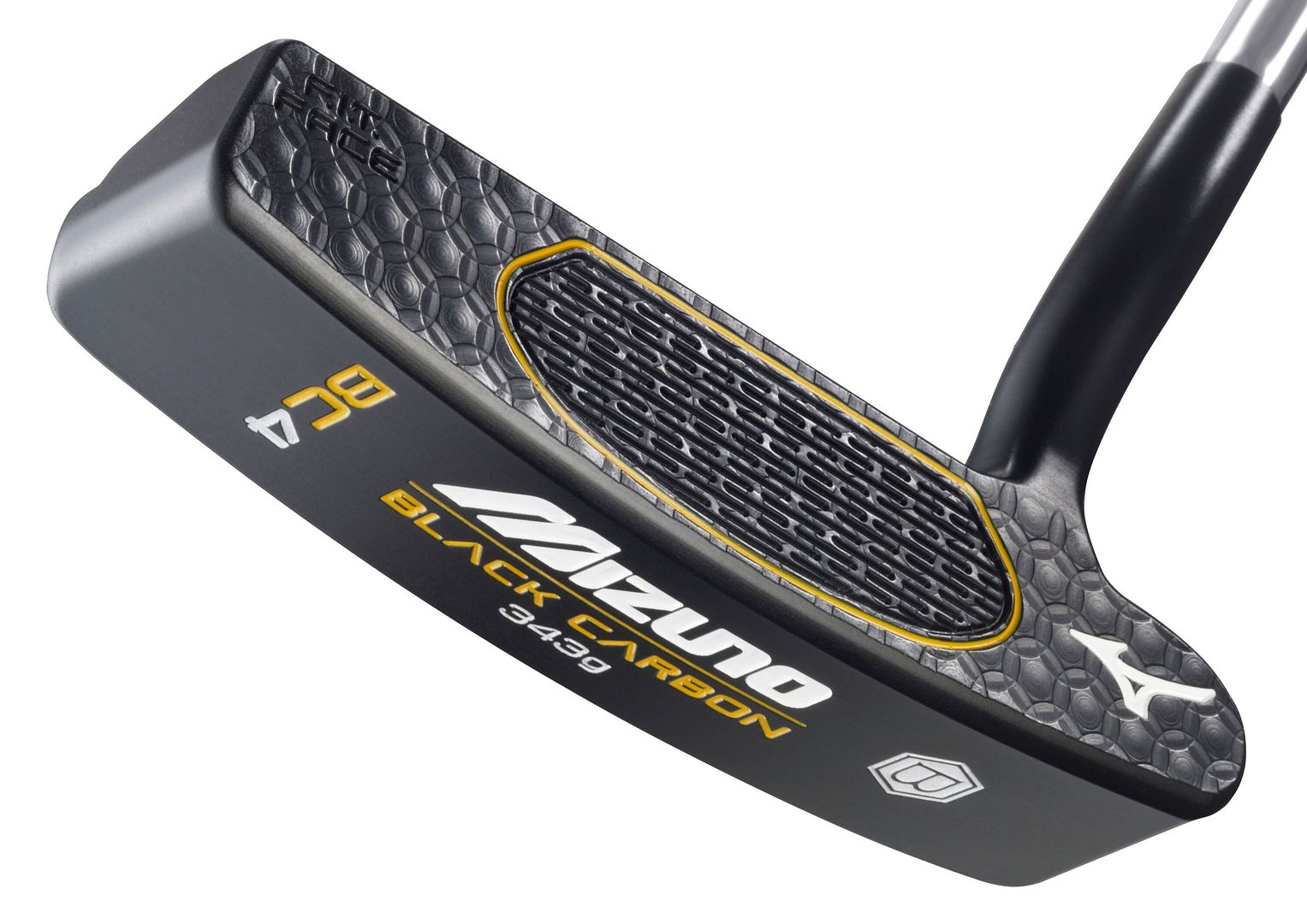
That was the idea, but not nearly as simple as it sounds. After Casio figured out it didn’t know they partnered with Mizuno to help with this. As a matter of fact, Mizuno still makes all the carbon fiber bands!! Why Mizuno? They already had racquets, golf clubs, etc. Sports items that needed a controlled amount of flex. And why did Mizuno take on the project? In the belief that if it is possible to take advantage of a completely different field, so spread the depth of the company’s knowledge. Or, nobody had done this yet, and if they figured it out it could be useful knowledge in other products.

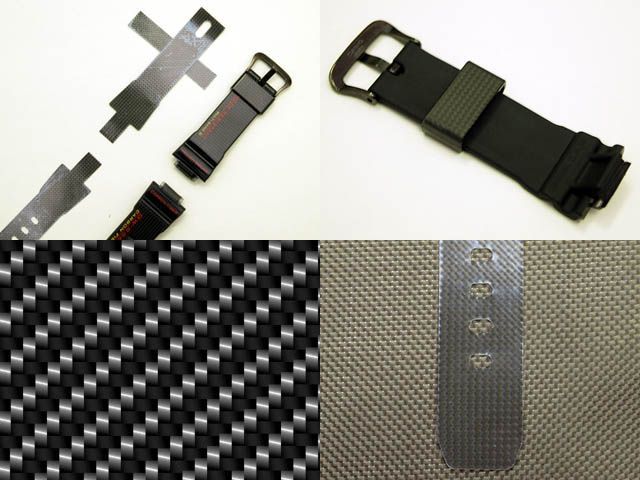
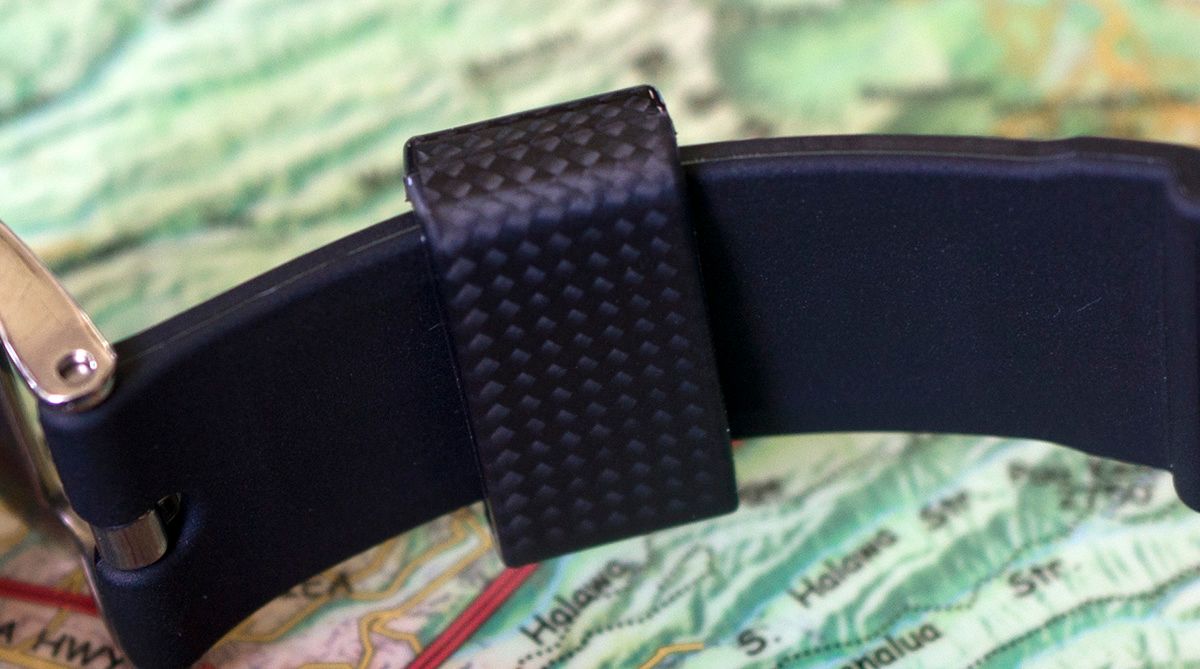
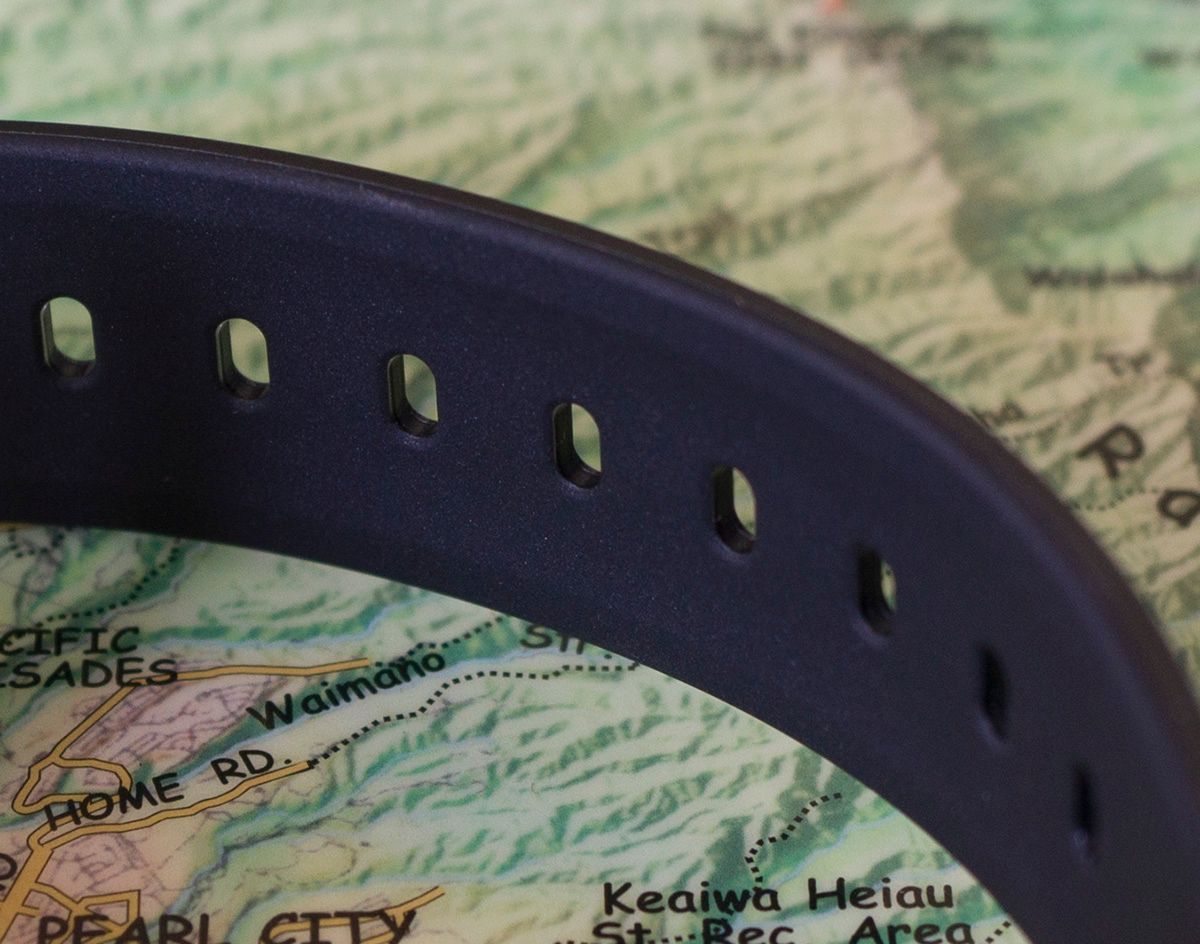
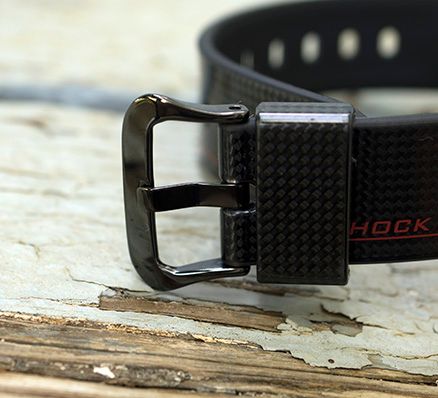
Turns out there were a few challenges. Just start with the desire for the carbon fiber weave to be visible. As you can/will see, they decided on clear urethane resin around the carbon fiber. The immediate problem was the urethane of course has stretch or give while the carbon fiber does not, creating shearing issues between the two layers. The biggest issue they claim was getting the band to take on a flexible/comfortable characteristic which is completely opposite the characteristics of the carbon fiber itself. Just think of various carbon fiber pieces you may have seen/touched/felt in the automotive world, cycling, tennis, golf, etc. None of those piece you would think of wearing in that form. Another you may have never thought of: when injecting the resin the carbon fiber fabric can wrinkle some, which is immediately visible and obvious under the urethane. The odd request from Casio (as if the others weren’t) was to loop the carbon fiber around the hole for the spring bar. Because there is such a small amount of resin there, it is a common breakage point. This one surprised the team at Mizuno and took a lot of thought. Fortunately Mizuno overcame all of these and others.

If you have noticed, while carbon fiber is in the straps, you have not seen it in the bezel. While it was considered originally for image purposes, it didn’t prove beneficial. Casio felt that it couldn’t just use a material just for the sake of it. G-Shocks are about function, and a material change in the bezel didn’t add up. Mizuno did consider it and prototyped a few to learn. They asked Casio to run them through their normal G-Shock tests, and cracks on the surface were apparent. After a few run versions, Mizuno finally came up with bezels that survived the torture tests. While Mizuno says they learned a lot about fine carbon processing through this experiment, at this time Casio does not use carbon there.
Source: http://news.mynavi.jp/articles/2010/04/27/g-shock-future2/
Ok, so that’s all well and good. When did the carbon fiber G-Shock show up? 2010. June and July of 2010 actually. “But how can that be??” OK, OK, let me continue. In June of 2010 Casio released the RM series. RM for
Resist
Material as in the carbon fiber in the straps. The RM Series consists of two G-Shocks. The GW-S5600 and the GW-S5600b. The “S” I believe is for
Special strap. While the little “
b” at the end is for the negative display or
black display. That little b is more common in the older G’s for signifying this feature though not consistent. The positive display came out June 2010 followed by the negative display in July. Originally these were limited to 1500 pieces each. Although I don’t think they held to that, it seems like the positive display reached GW-5000 style of regular production meaning that Casio makes them as needed while the negative display is definitely not as common.

GW-5000. We gotta talk out on a tangent real quick. Have you ever heard about the GW-5000 sharing the module with the GW-M5610? Close enough for government work, let’s mark that “yes”. The GW-M5610 was an evolution from the GW-M5600. What was the evolution? The 5600 had Multiband 5 while the 5610 (and thus GW-5000) have Multiband 6. While the GW-5000 brought this out a year earlier, this GW-S5600 was the first G-Shock under 40,000 yen to have it. With the positive display having a suggested retail of 30,000 yen and the negative version commanding 32,000 yen. Making it a little unique in the world of G-Shocks.

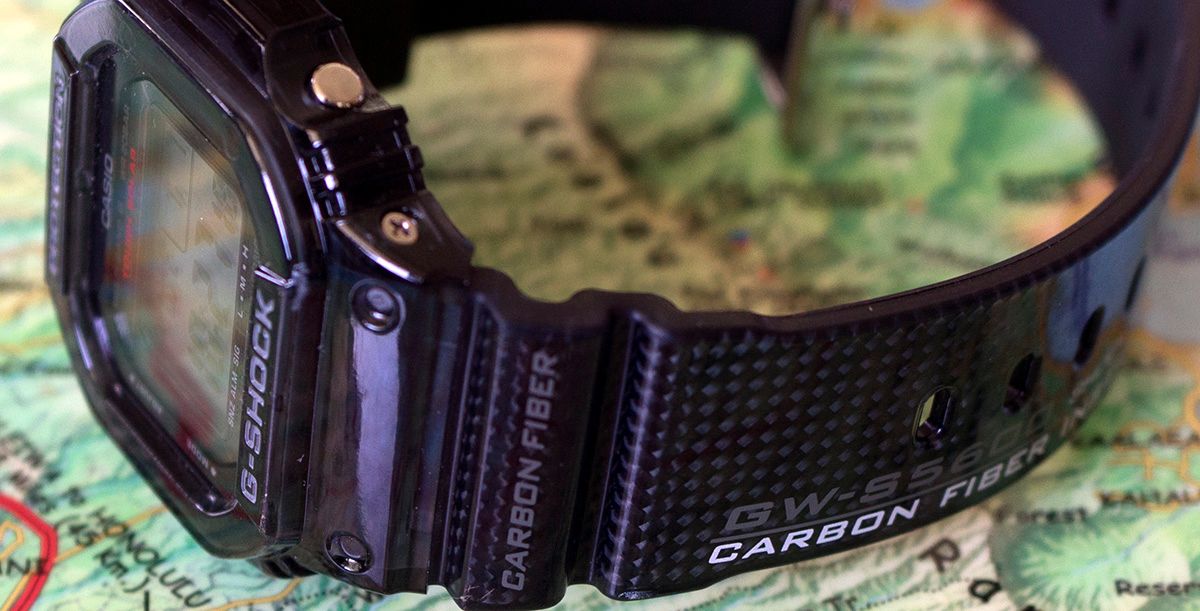
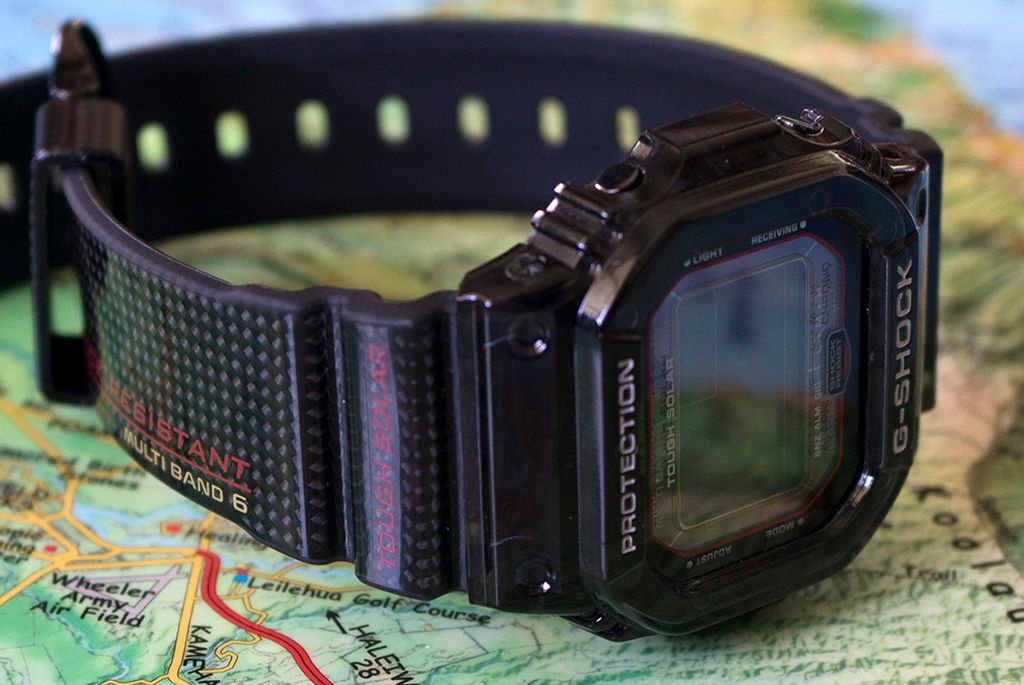
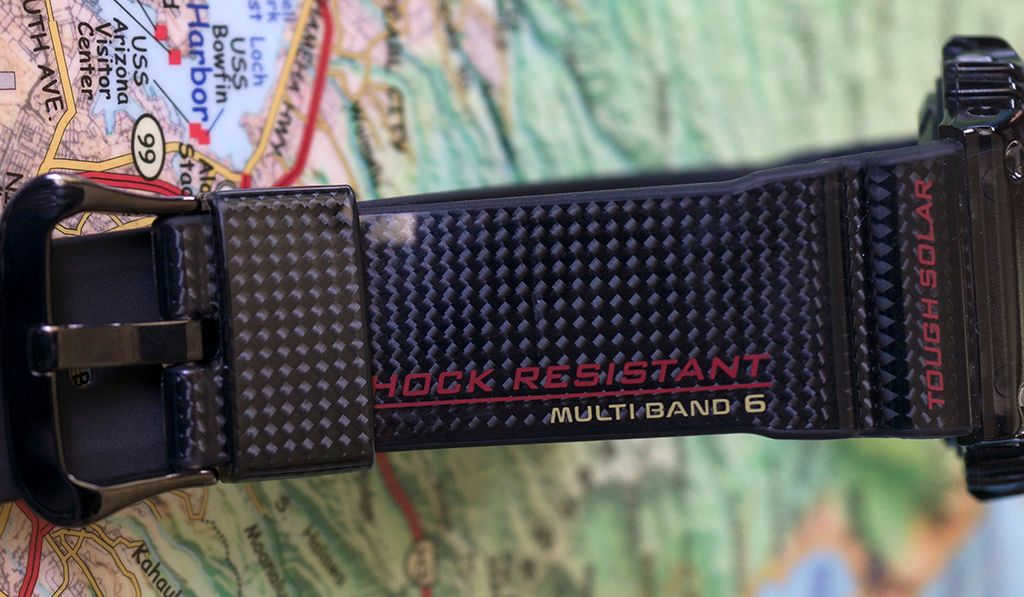
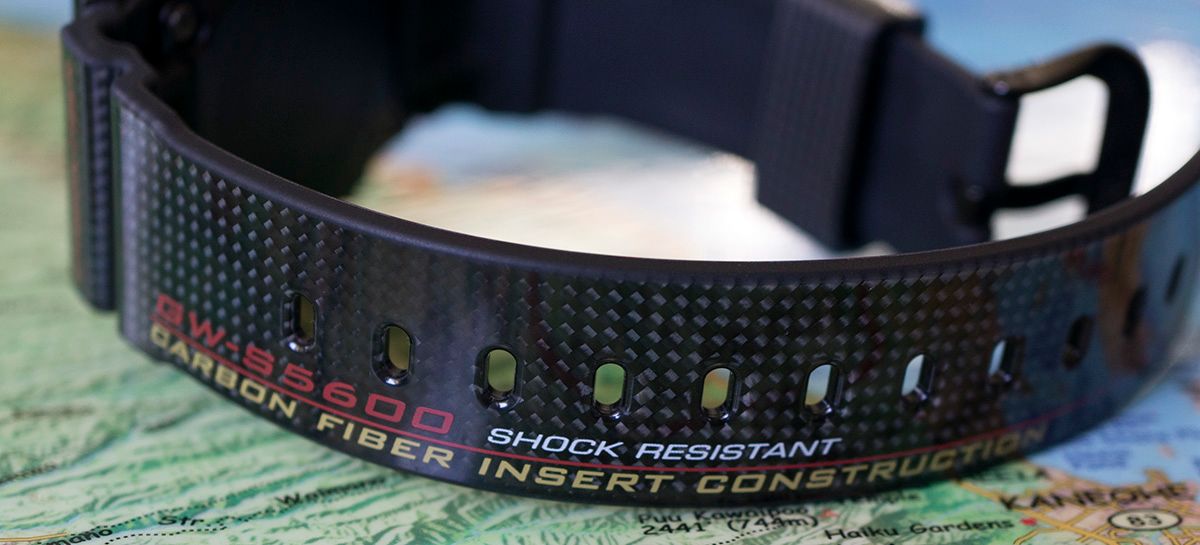
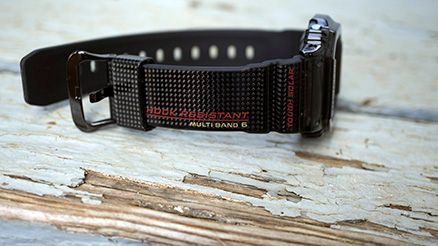
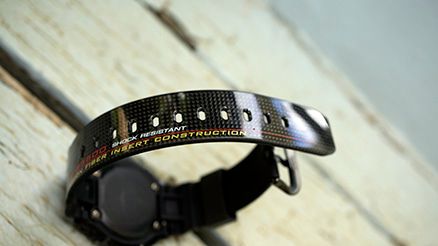
And believe me it is a large part of the graphics!!! Proudly displaying “Multiband 6” on the short strap while the long strap brags about the obvious carbon fiber. This G was meant to be a technological Tour de Force. Carbon Fiber straps, titanium buckle, backplate, buttons and screws. Those titanium bits are actually a prelude to the GW-T5030c which was in an earlier 50gs article. All combined making this still the lightest G-Shock produced at 47g. Why isn’t the GW-T lighter? Because the Titanium case is a little heavier than the resin one.


Back to the graphics and appearance. When this G first came out a lot of the collectors actually didn’t care for the graphics and tried various things to erase them. Turns out you can’t as they are under the urethane. I find the graphics very cool, the script used and the color coding to match the bezel and the lettering on the face. You can tell Casio meant this to be more of a flagship as far as getting pictures in all kinds of magazines around the world. And it did. There are a lot of blurbs in magazines of all sorts such as fitness, fashion, tech, etc. Casio definitely succeeded if that was a goal, and from that marketing perspective I find the graphics perfect.
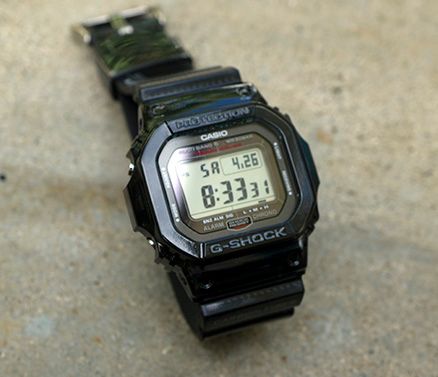
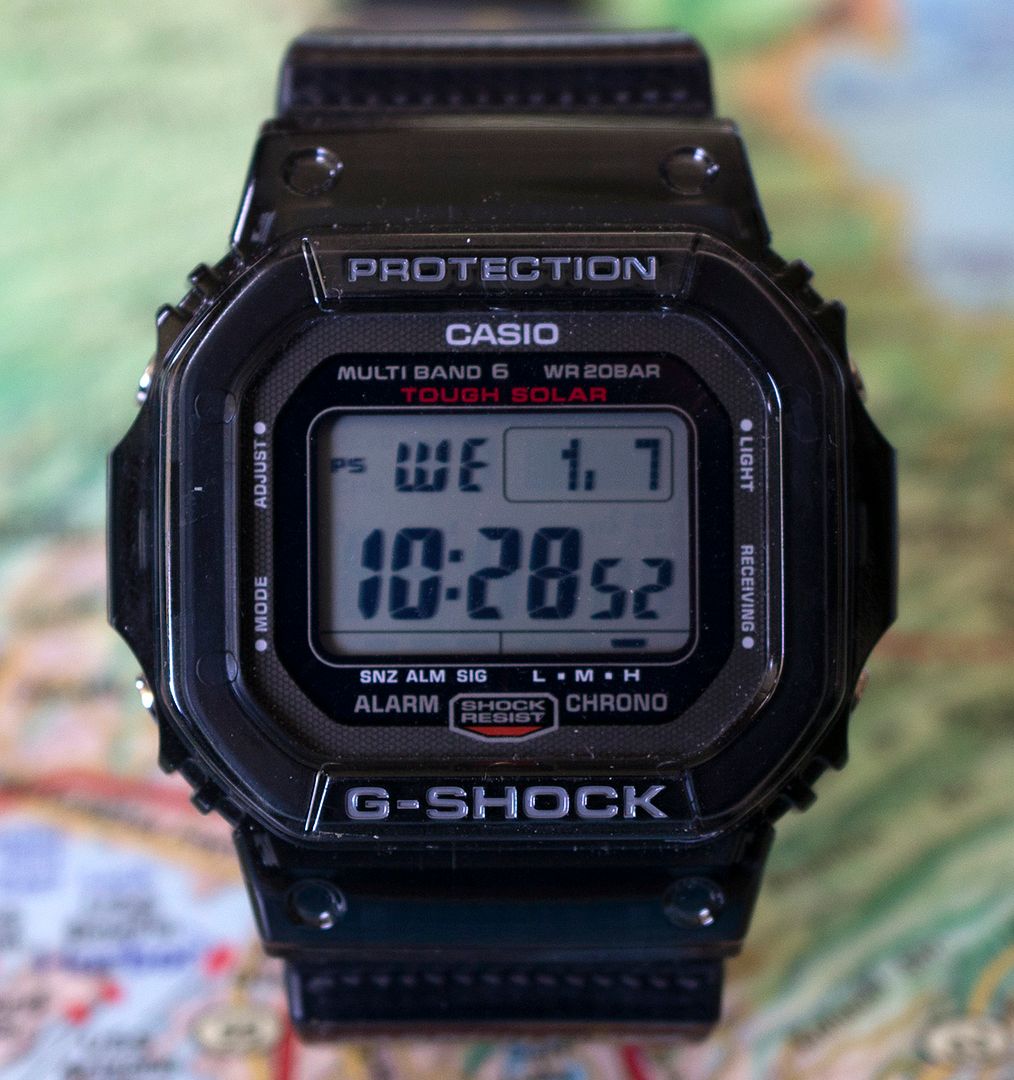
On the positive display the graphics are primarily gray scale with the only color being the Tough Solar on the face on top and a red chevron underneath the shock resist on the face as well. That is it. Everything else is white or grey. All the metal pieces are a suitable silver in color.
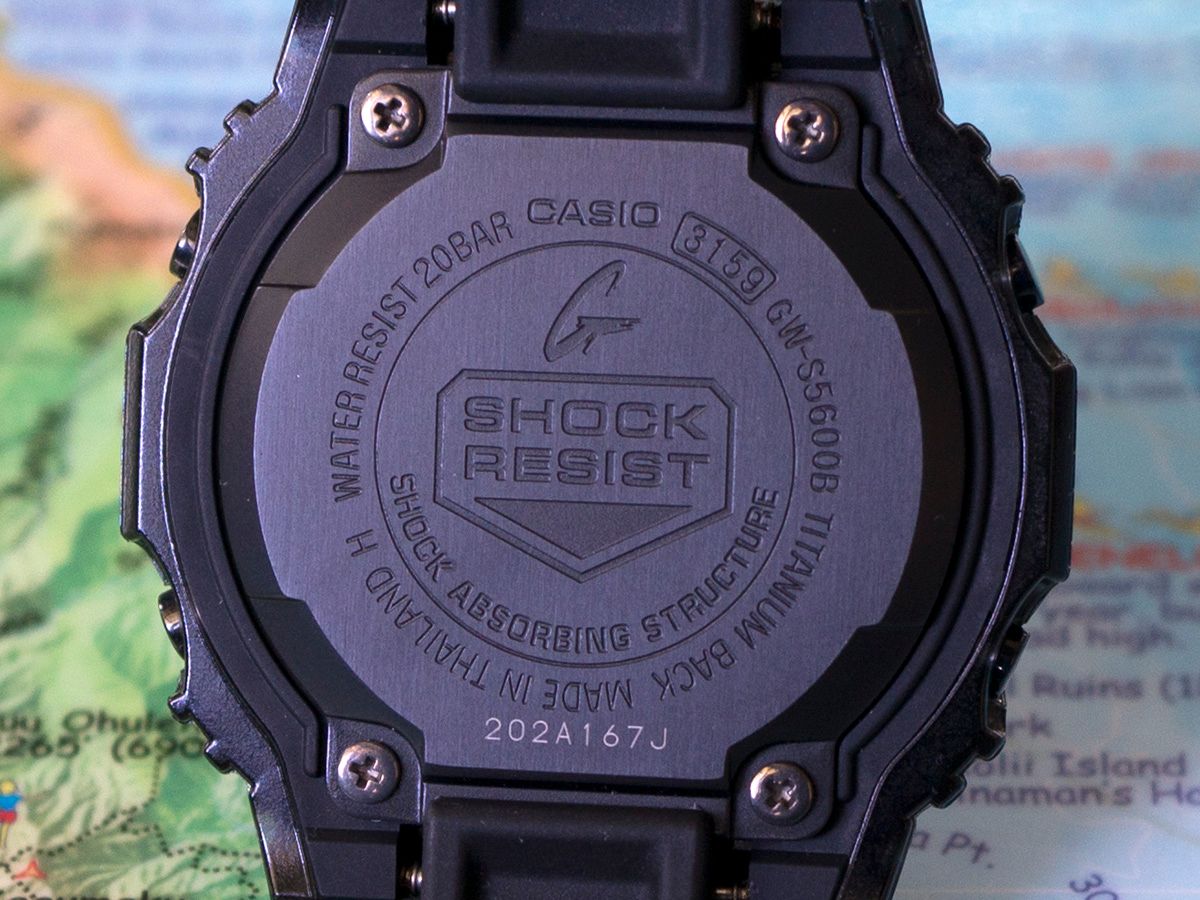
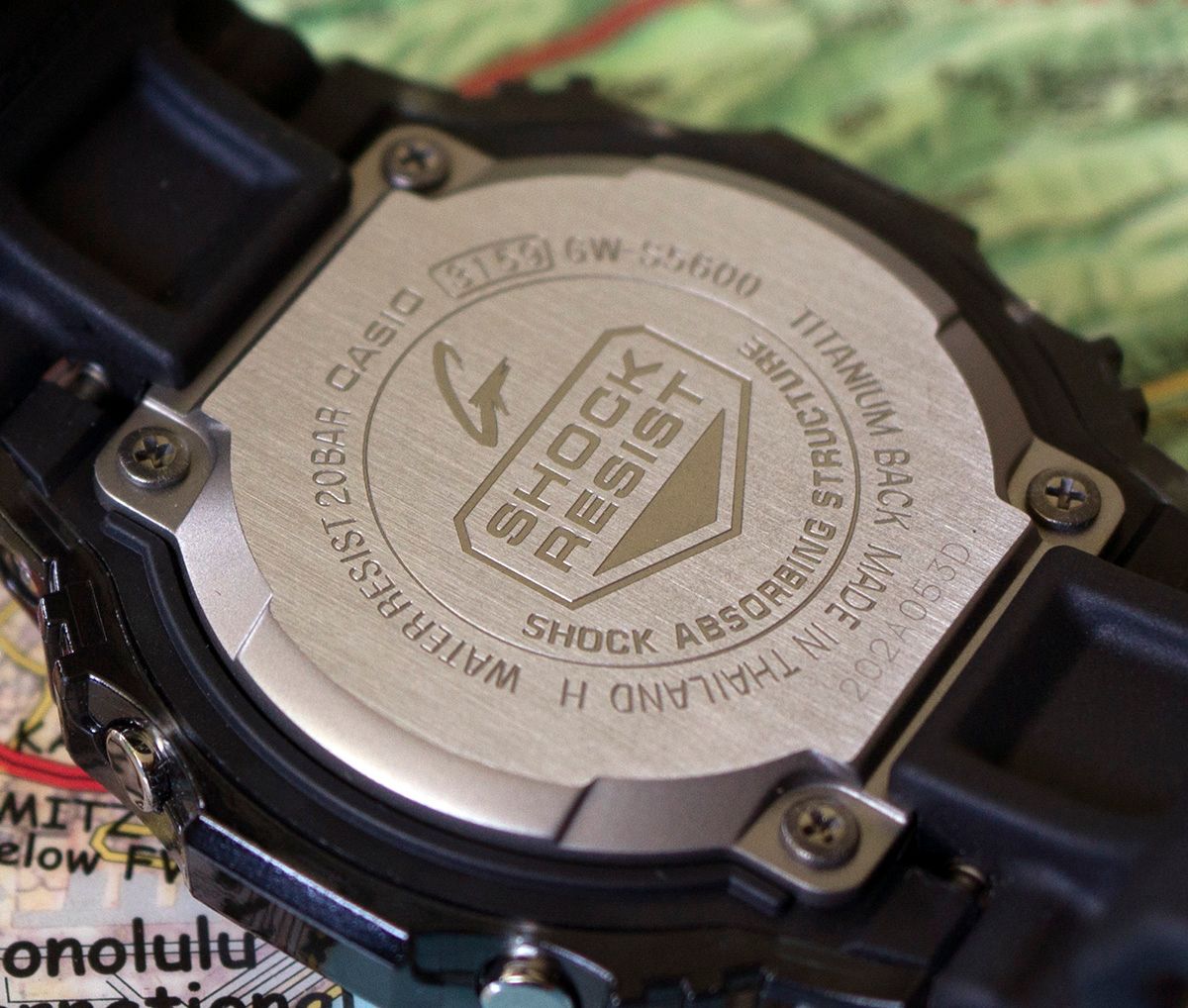
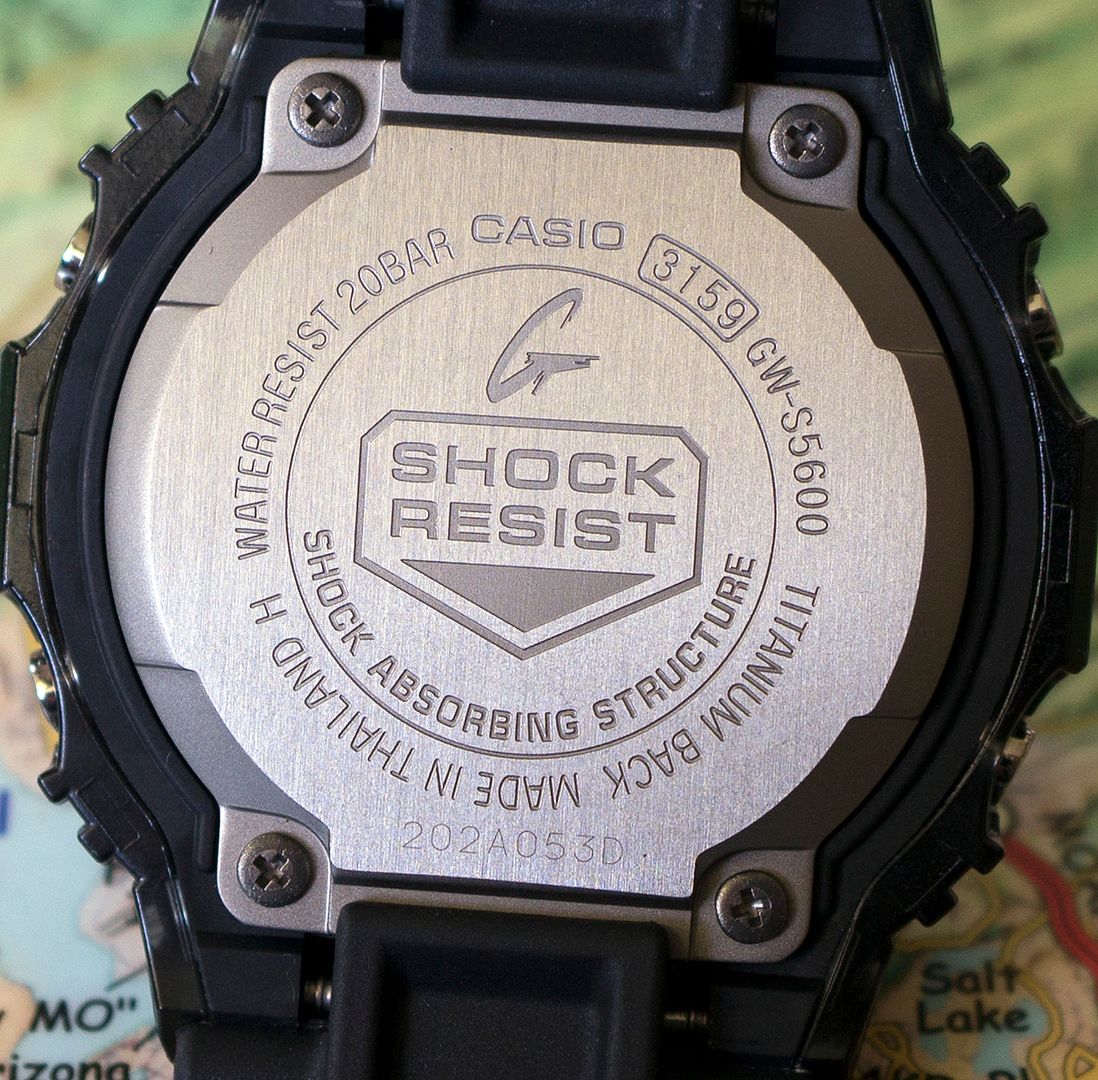
Another cool aspect of this G-Shock is that it has a serial number on the back. Very uncommon outside of Frogs and GW-5000’s on modern G’s. Not sure why on either case as many ProTreks are, but an unusual feature. Speaking of features let’s go over them. Using module 3159 it has the previously mentioned Tough Solar and Multiband 6 (can sync to atomic radio towers in the northern hemisphere). On top of that the world time uses 48 cities for the various time zones, a 1/100
th of a second stopwatch up to 24 hours and a countdown timer up to 24 hours as well. 5 independent daily alarms, Power Saving mode, Auto calendar and 12/24 hour time format. Also as previously mentioned it only weighs an astonishing 47g while passing all relevant G-Shock tests of durability.
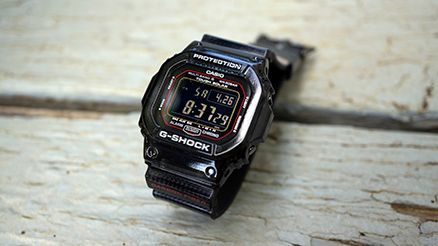
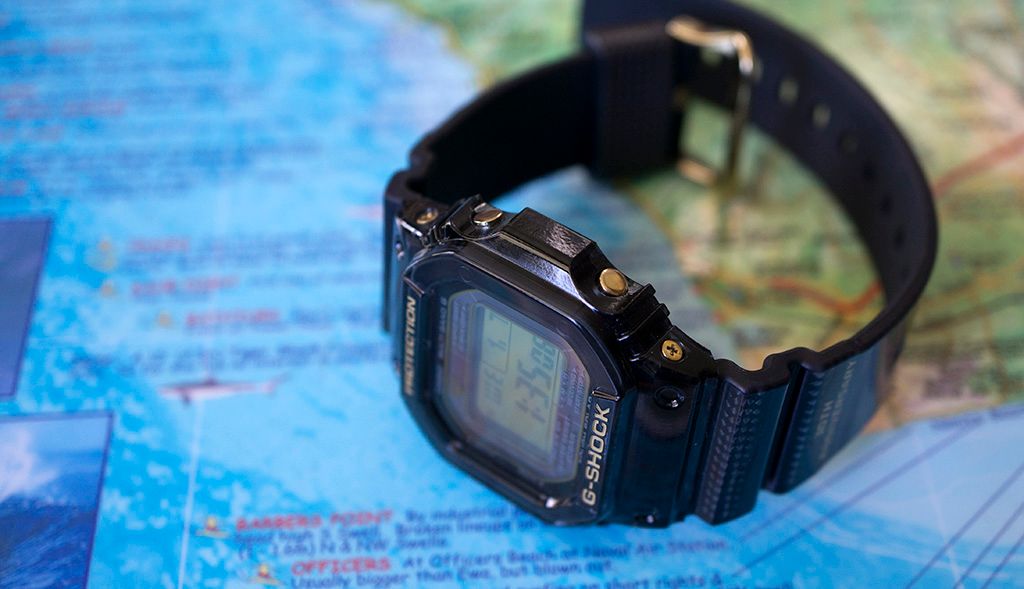
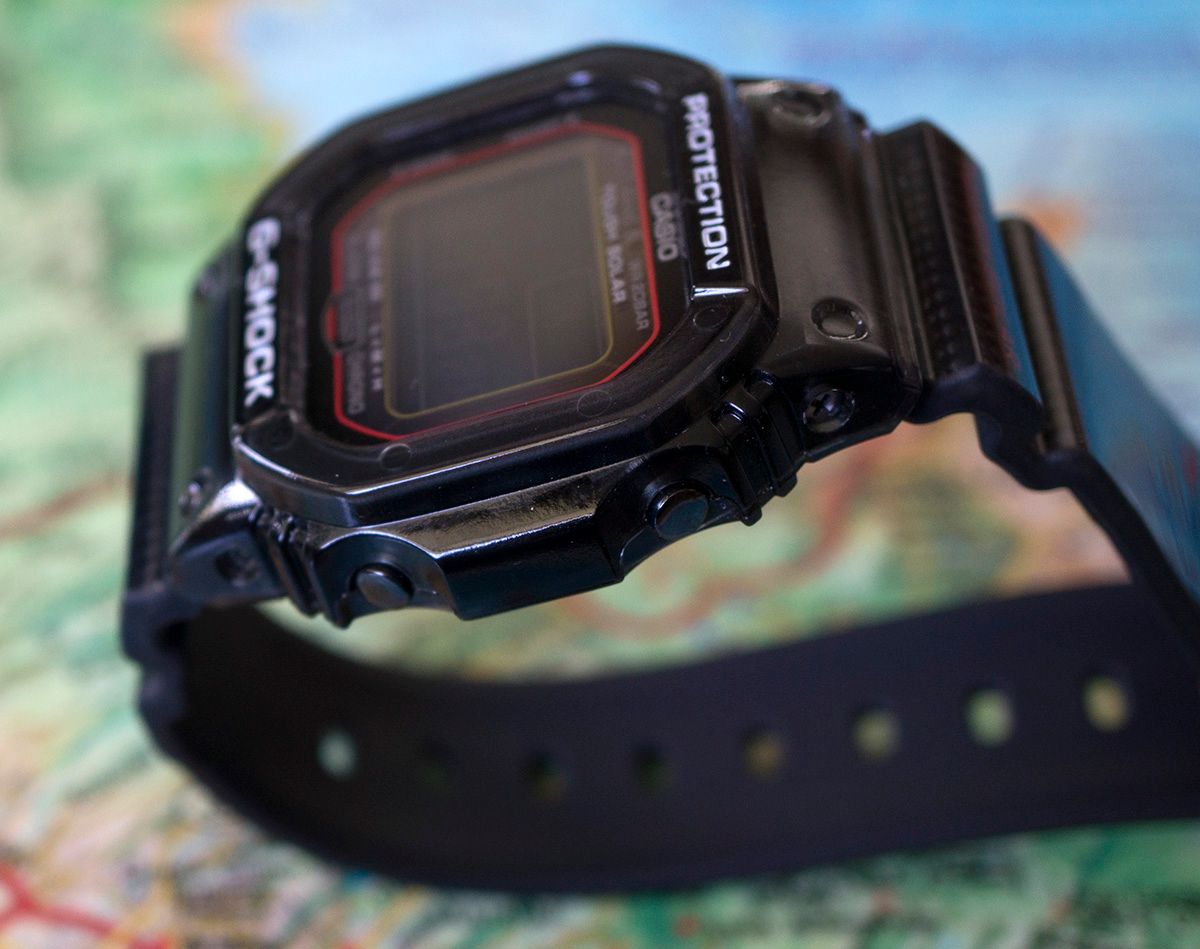
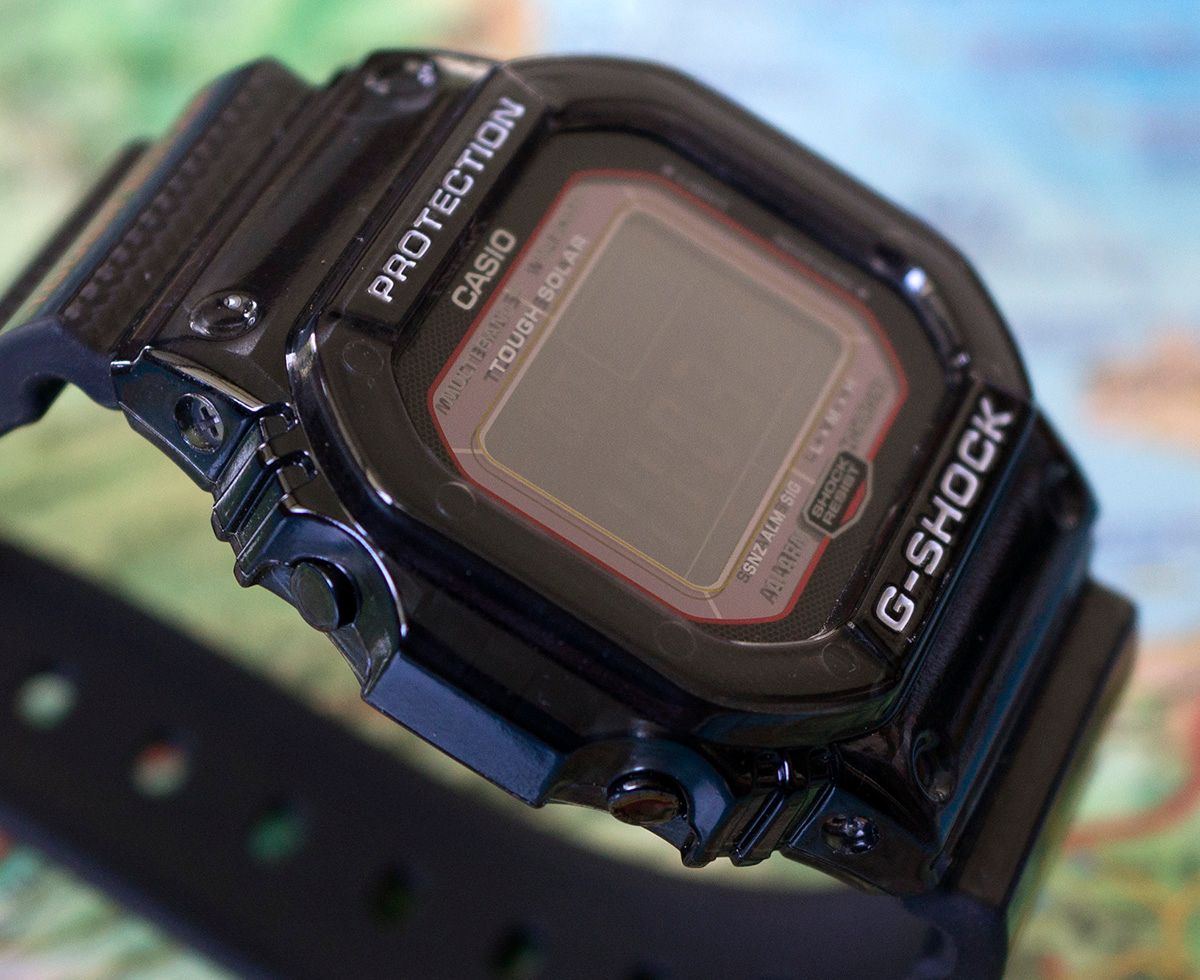
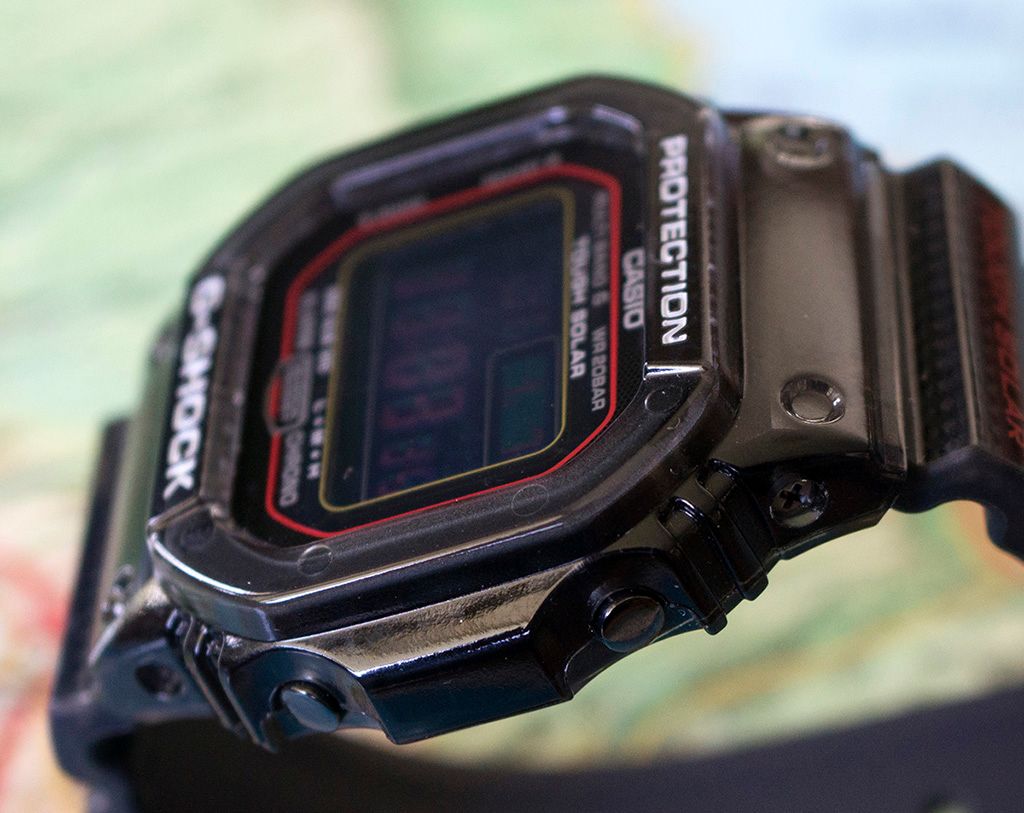
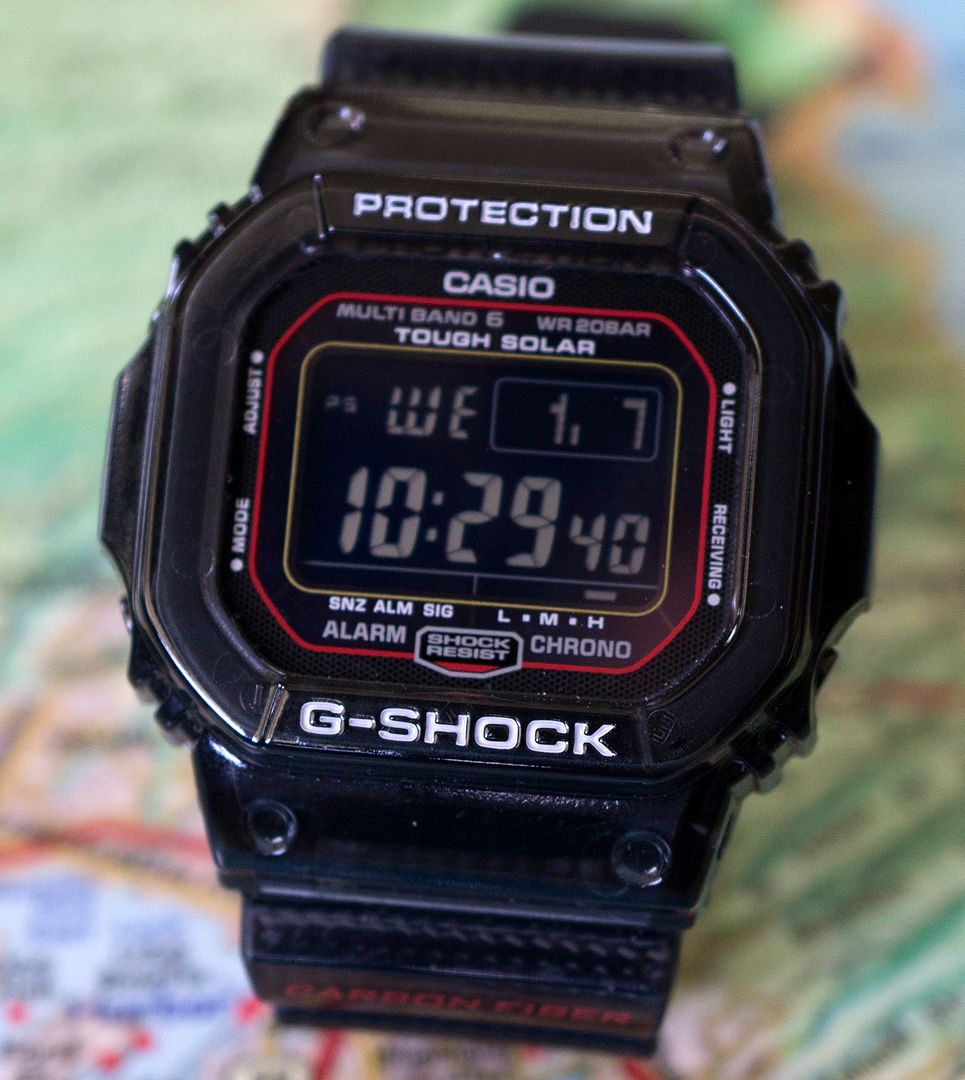
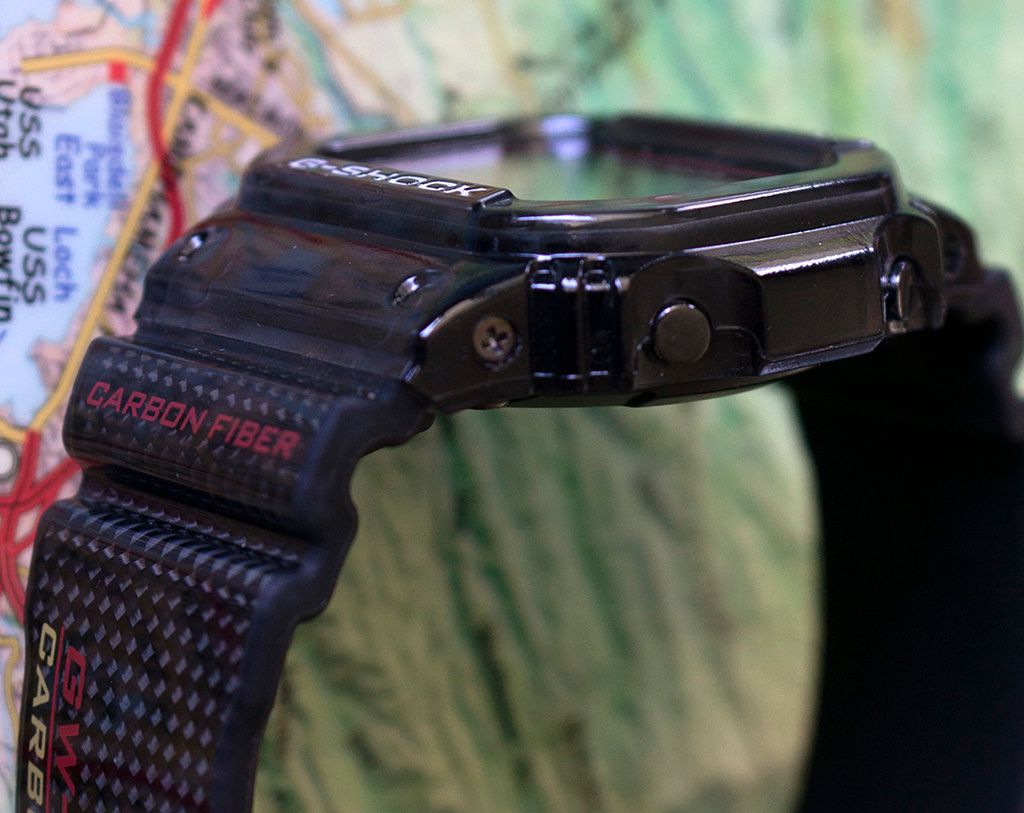
The negative display GW-S5600b. Love it. Been wanting one for a few years and finally got one through patience and perseverance. I have always found this one attractive and really enjoy wearing it. Let me just point this out now: on my watches, the more I like them the more I wear them. Because of this you will see various marks in these pictures, but let it represent more my fondness for any particular G rather than “work watch” status or callous use. You will see more marks on this one than the positive display version if you are curious about personal preferences.
And it looks great. On this one you will notice the stark high contrast bright white lettering in a couple of key areas that almost seem out of place with the rest of the graphics. While the main graphics consist primarily of black there is also a deep red color and a dull gold color doing the accenting. The bright white just keeps everything from fading away and pulls everything “up”.
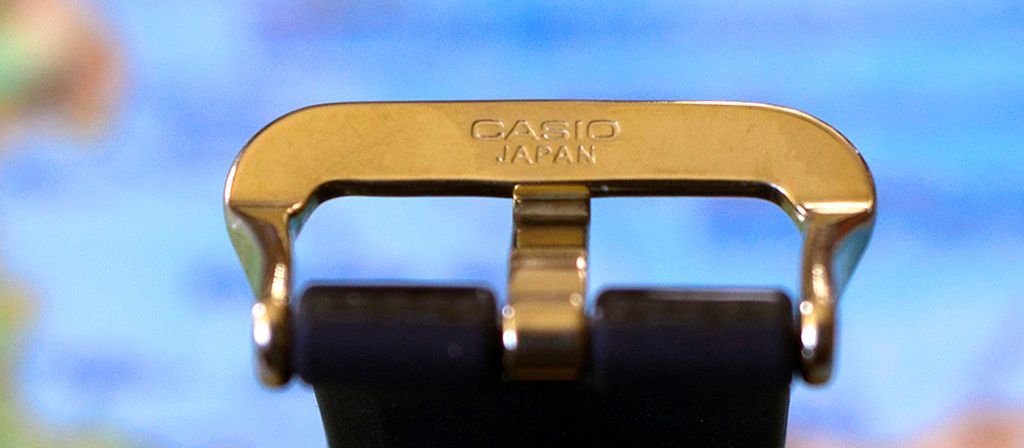
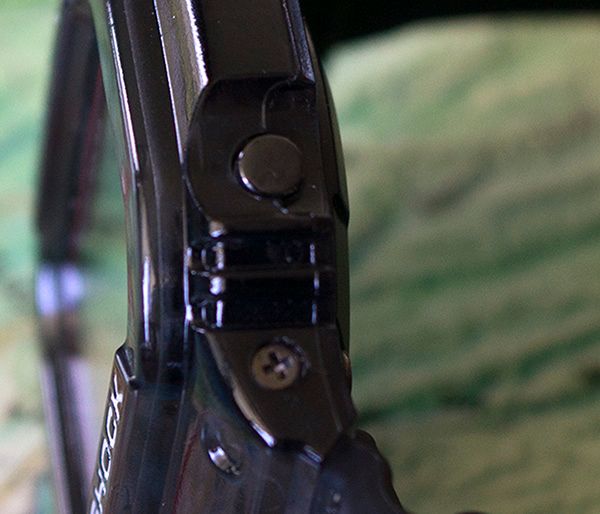
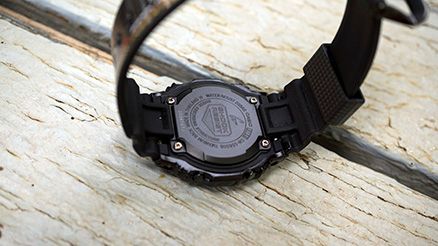
The buckle, buttons, screws, and caseback are still titanium, only now they are coated blackr. This may very well be the only G-Shock with a black titanium caseback. Most other Titanium backed G-Shocks are screwbacks to help limit the field in this category. In any case the buttons and everything look great! That serial number I mentioned on the positive display? It is here as well only in white for highlighting effect. Makes the caseback look great and unique!


These are special watches and deserving of a place in the history of G-Shocks. When you wear either one of them they feel special. When you look at it and you see the titanium bits or the shouts of multiband 6 or the visible carbon fiber it just reinforces “cool”. At a basic level, carbon fiber and G-Shock just seem to go together. But when you don’t look at it the watch completely disappears. This is the anti-heft G-Shock. When you move your arm you do not notice it. When you twist your wrist or move your hand you do not notice it unless you wear it loose. It fits under cuffs, and just goes away except when you need it. Then you see it and the “whoa” starts all over again. Simply great G-Shocks.
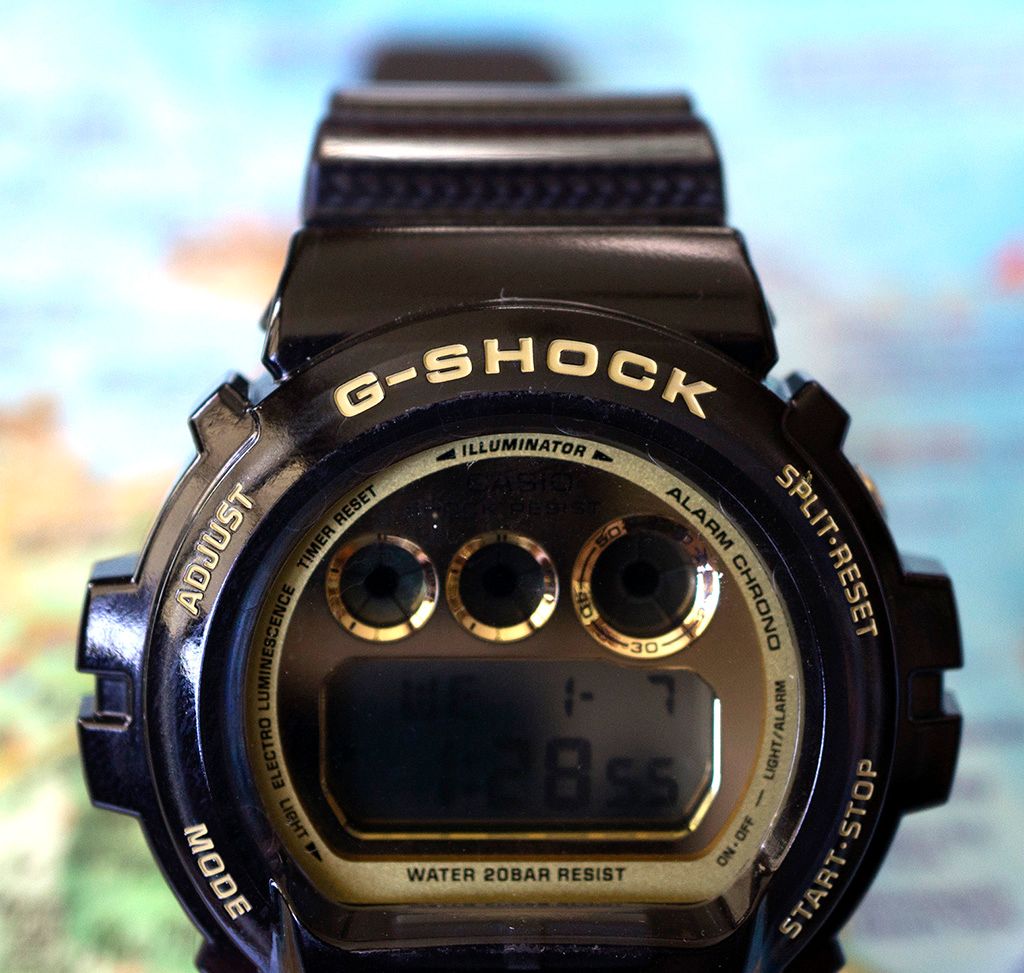
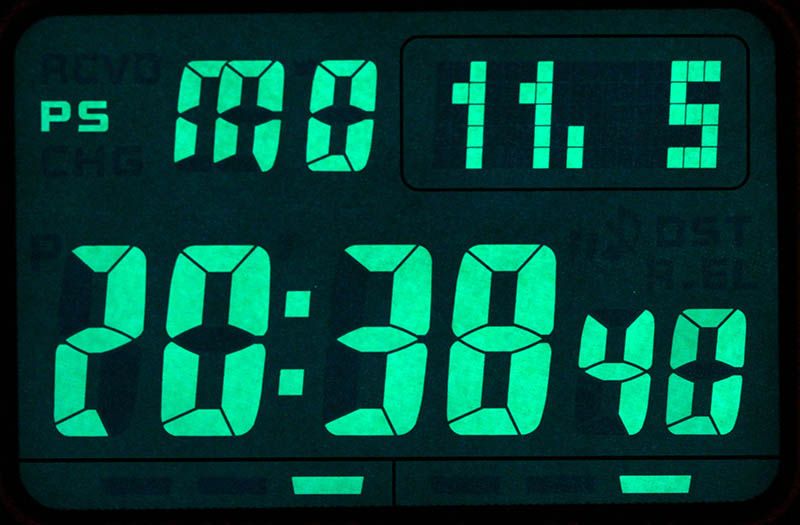
(EL taken from GW-M5600BC)