Showing posts with label mtg-930d. Show all posts

Tuesday, September 9, 2014

Intermezzo #72: MTG-930D and the "Recovery Blues"

Hello. Long time no see. Indeed, I took a sabbatical year from 50 Gs. It took me too much time and maybe more important, financially it was hard to keep up coming with interesting new models. I'm lucky that I can team up with my friend Chris again for 2015, so I'm pretty sure we can provide you another series of 50 articles of interesting G-Shock models next year. 
This Intermezzo article is about the so called "Recovery Blues". It's a phenomenon which often occurred on the first generation Tough Solar Waveceptor G-Shock models. Befoer these models were released Casio used the ML2020 rechargable battery for the DW-9300 Raysman, G-2300 and the GW-200 series Frogman (except for the Carbon Fibre Frogman and Snake Killer). The ML2020 is known for the enormous amount of energy it can store. The first generation Tough Solar Waveceptors had a complicated module, with an integrated antenna. Therefore Casio did not have enough room for the ML2020 battery and they choose the CTL1616 as storage battery.
Unfortunately, the CTL1616 could not always handle big drain, which for instance might occur as the EL Backlight is used frequently in a short time period. In such case the watch should go into "Recovery Mode". In this mode it is not possible to activate the EL Backlight and also the alarms don't work. Normally the watch should return into normal mode in several minutes up to maybe an hour. It all has to do with restoring the electrochemical balance inside the battery.
Unfortunately, these models became infamous. Although the capacity of the CTL1616 is less than the ML2020, it can store energy enough to keep the watch running for months. Still the watch can, without any reason turn into "Recovery Mode" on an unexpected moment when the EL Backlight is pressed. As soon as this phenomena occurs, it will always go into Recovery Mode whenever the EL button is pressed again. As this occurred on a lot of these G-Shocks somewhere between 2003 and 2006, the phenomena became pretty fast known as the "Recovery Blues". 
In the video above I show my MTG-930D (UK 2-band version). I have bought this models many years ago from Tiktox in the UK. When I was thinking of wearing it again about a week ago, it suddenly went in Recovery Mode. Even with extensive charging (it has been very sunny last week), the watch kept returning in Recovery Mode. Another Waveceptor went in "Recovery Blues". I think this was the last model with the first generation CTL1616 in my my collection. Anyway, I ordered at the first symptoms a new Panasonic CTL1616 battery. I found a cheap seller in Germany. €12 for the battery and €2 shipping costs. After four working days it landed on my desk. 
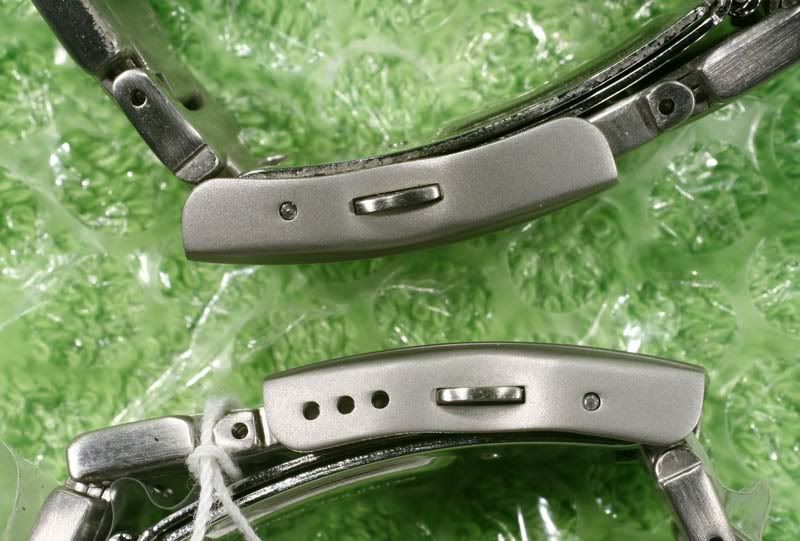
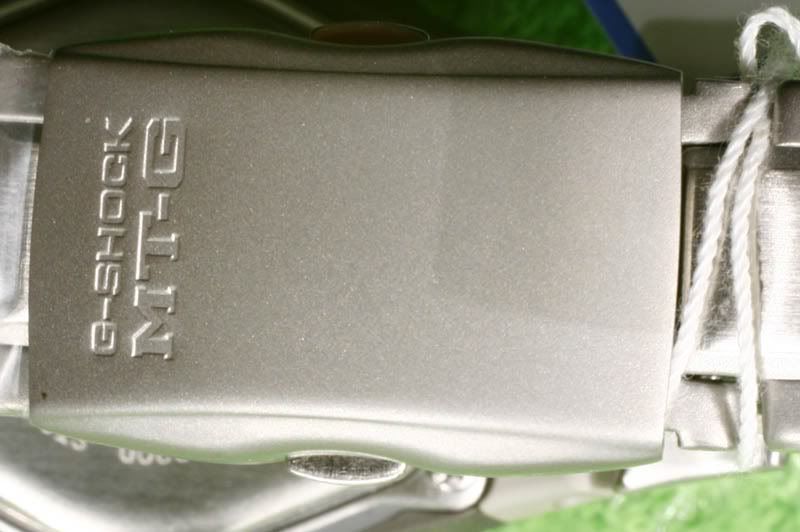
The MTG-930D is not an easy model to access the battery. First of all the bracelet has to be disconnected from the case. I also wanted to adjust the bracelet length, so I also opened the clasp, which is not really necessary. 
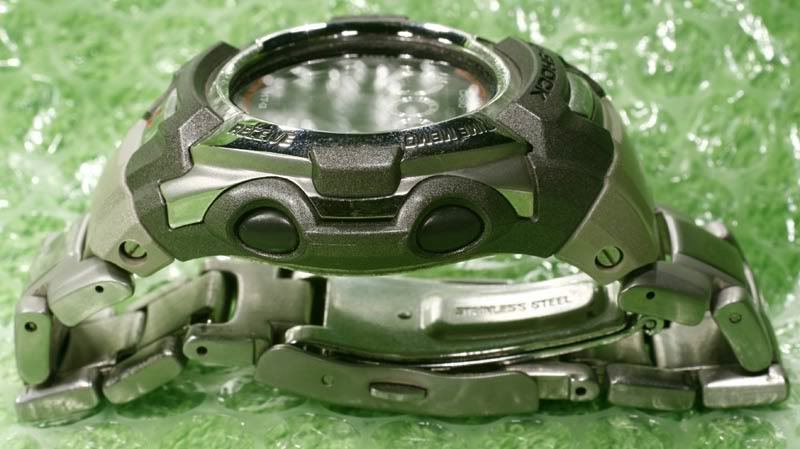
The bracelet is attached to the case with two large rubber-ish connectors. These are connected to the case with an axle and screw (the arrows in the above picture show where they are). You need two flat watchmaker screwdrivers to open these. Then it is not easy to get the connectors off, because they are also snapped on the case. You can remove them by bending them off carefully the case, until they snap off. 
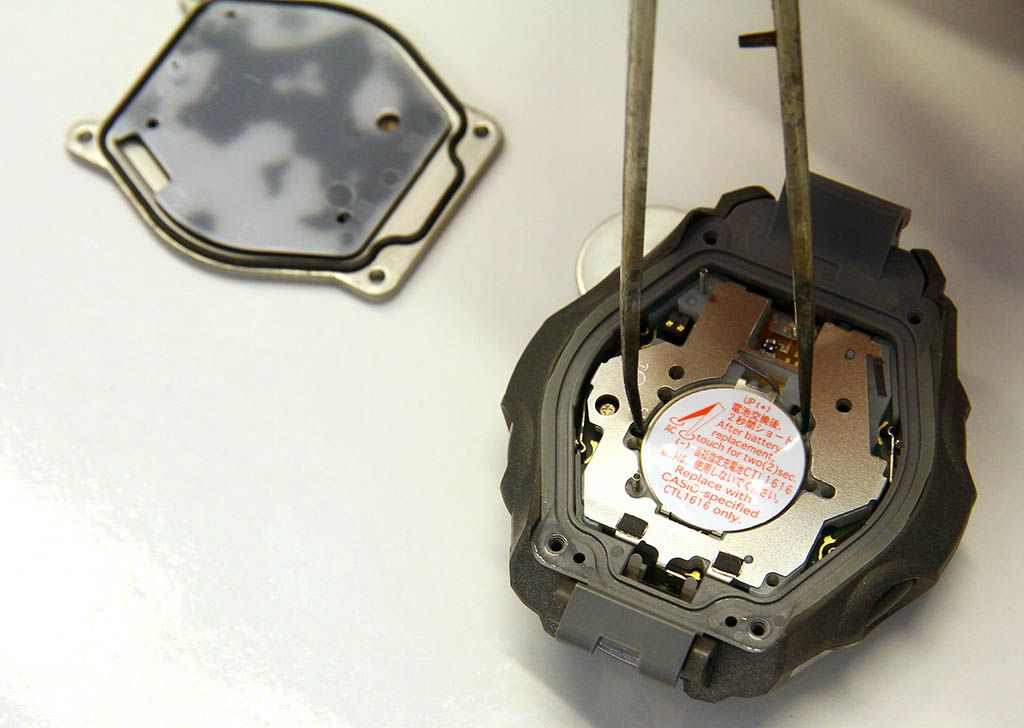
Opening the case is similar to most other G-Shocks. It's a simple 4 screw back. The back protector and a plastic isolation plate sticked to the back of the watch. In the small hole in the top is a little spring. You find another spring on the 7 o'clock location of the battery. I choose not to remove the items on the back plate, as I had direct access to the battery. 
The battery lock can be opened carefully with a sharp tooth tweezer or, if you don't have this at hand, a sewing pin will do fine too. If placed at the right location (12 o'clock position of the battery in my photo's above), it just pops up. In my case even the battery popped a little out of the lock, so I could take it out with a plastic tweezer. The new battery can be put into the battery holder and the lock can be easily closed by pushing it back with a tweezer until it clicks. 
Do not forget to reset the watch. You can very careful check if the reset was successful by lifting the watch above your head, without turning it over. Really, you don't want to turn it over. The tiny spring will fall out or maybe even worst, the complete module (with probably more springs). If the watch is reset properly, you will see that the internal time has restarted at 12:00am. 
When the reset is successful, it's time to put the watch back together. First carefully put the backplate back on the module. As there was that strange loose spring at the back, I actually "folded" the back on the case, like you close a book. It's a bit tricky, as the rubber seal has to fall in the right place, but eventually you can put the screws back in place. 
As you see above, it took about 5 minutes to take pics of the open watch, the backplate  and put the crews back on. The battery is charged very low. The icon "Charge" is flashing, so an immediate charge is needed. A good occasion to check if the battery is getting charged too. In this mode almost nothing works. Somehow I managed to set the time, but that was all the watch could do.
Unfortunately, the sky went gray, so I needed something better...
It's pretty wise not to put the watch too close to a halogen lamp. The watch and specially the LCD can become very hot. Luckily, the watch became alive after about 10 minutes (it was gotten extreme hot and did cool down very slowly). 
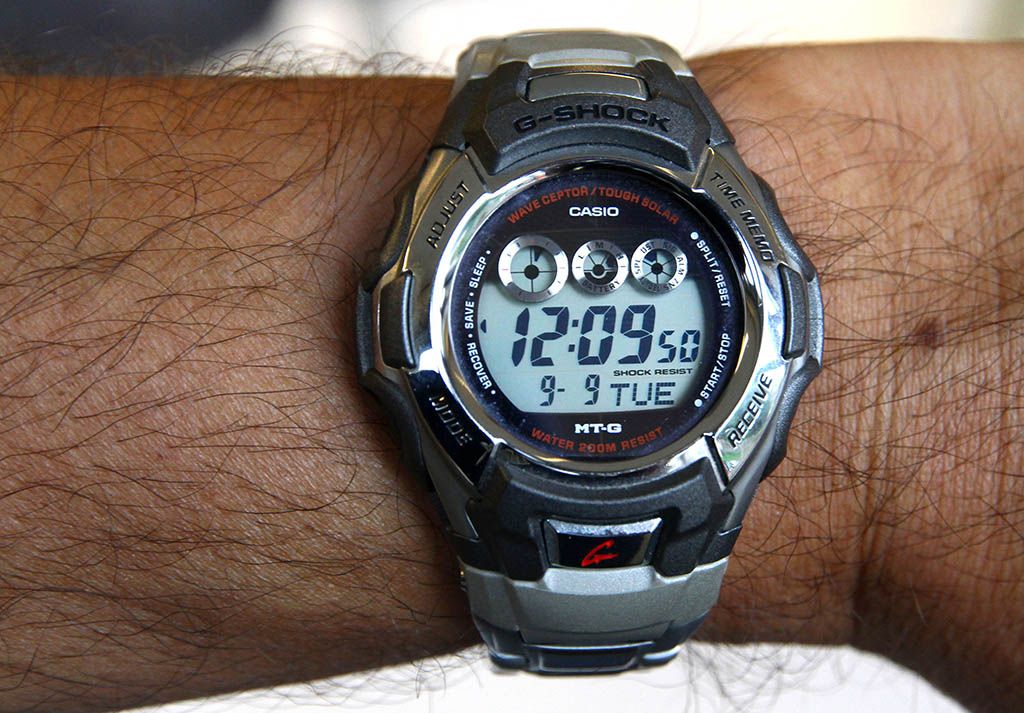
After a while the watch starts looking for the Atomic Time transmitter and, if found, (which is easily in my country) it will set itself to the correct time. 
The cause of the "Recovery Blues'. The first generation CTL1616 battery. I should wear this watch several days to get the battery charged totally full. In my opinion the MTG-930 was the best looking model of the first generation Tough Solar Waveceptor G-Shock models, probably because I like three eyes. I do not know if I will write another article before 2015, but be ready for another challenge of writing 50 articles in a year here on 50 Gs. See ya!

Sunday, June 20, 2010

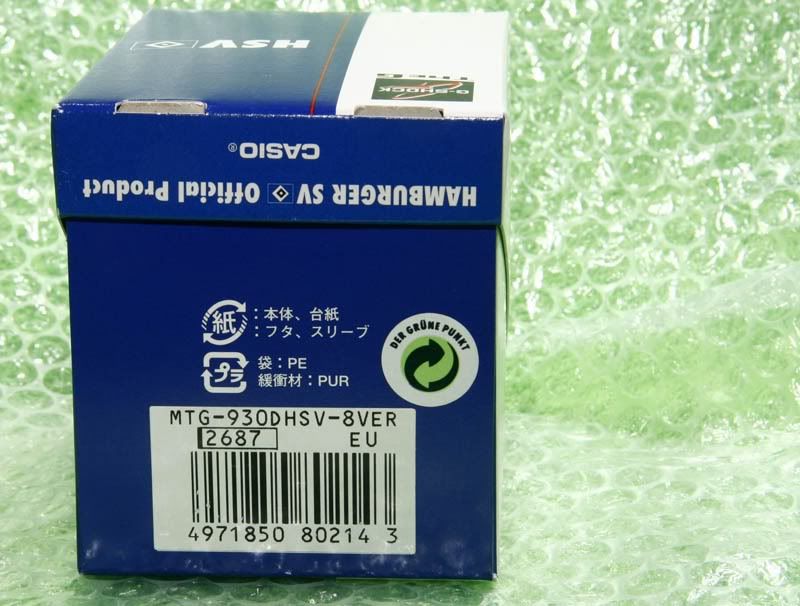
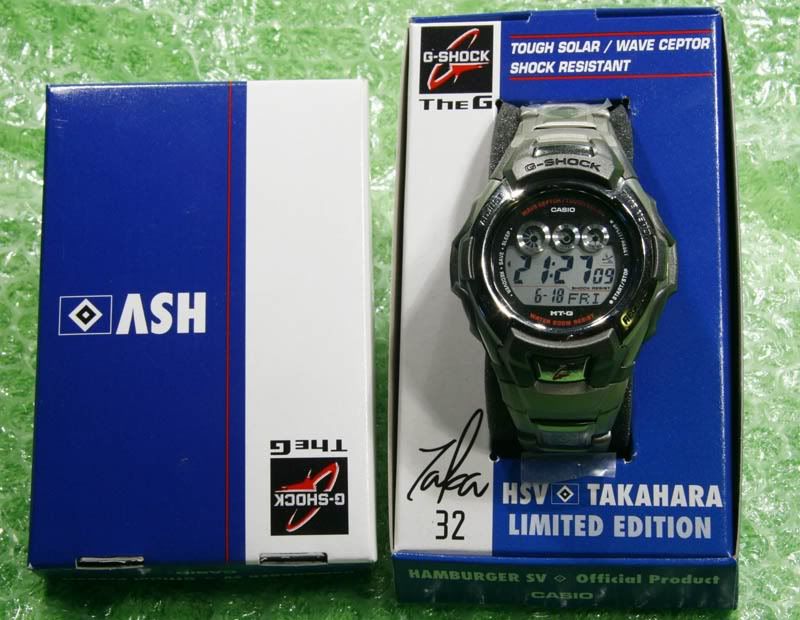
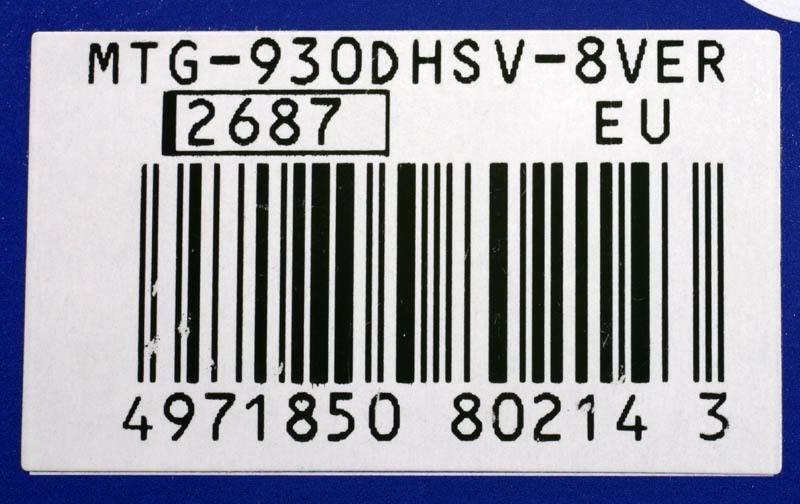
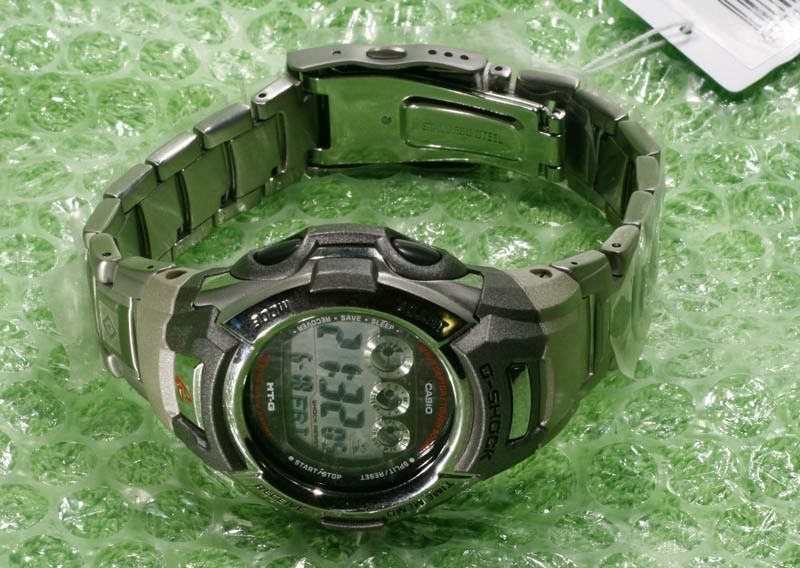
#25 G-Shock MTG-930DHSV-8AVER HSV Naohiro Takahara model

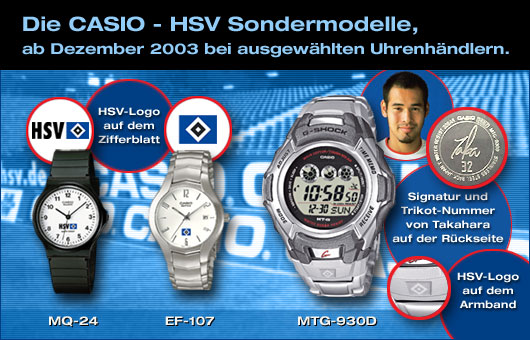
In the football season 2003 – 2004 Casio was the sponsor of HSV, the football club of Hamburg. Three special watches were made for the fans of this football club. The MQ-24 and EF-107 are not very special analog Casio watches. The HSV models just have the HSV diamond logo on the dial.
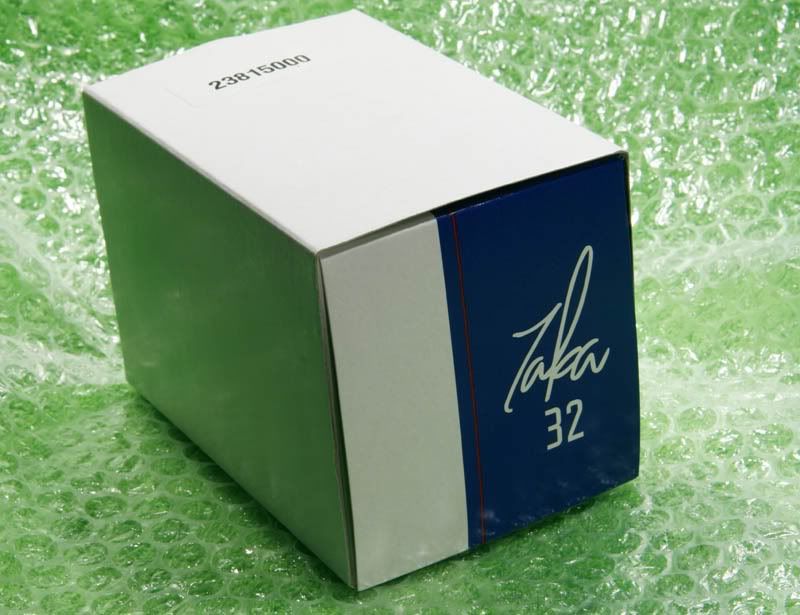
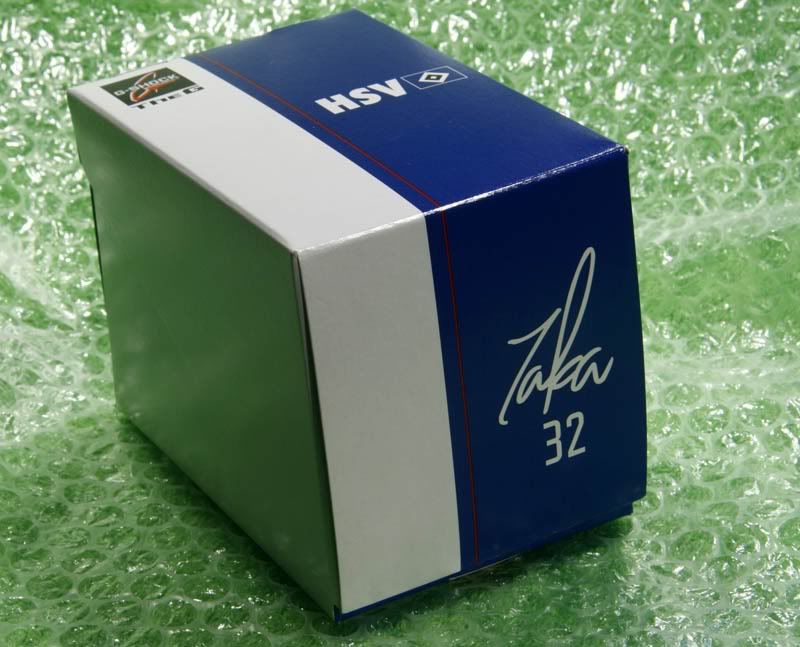
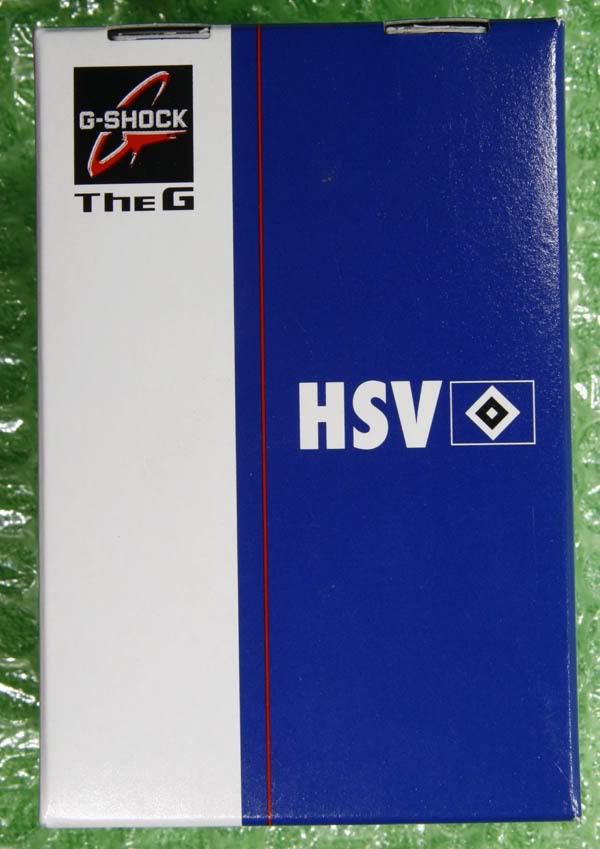
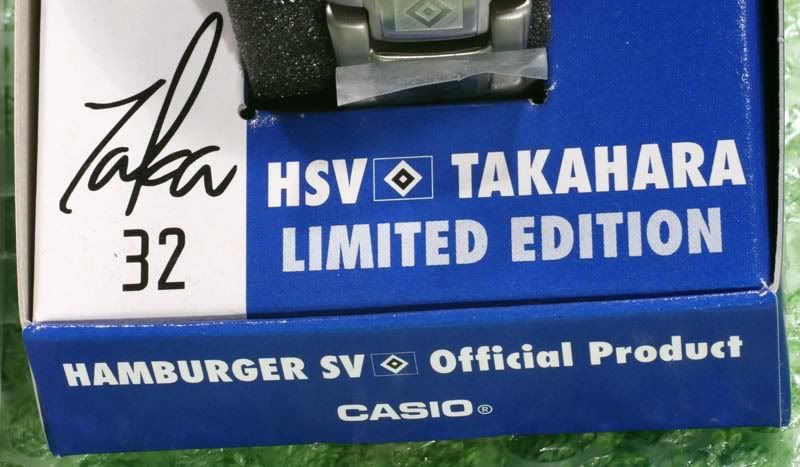
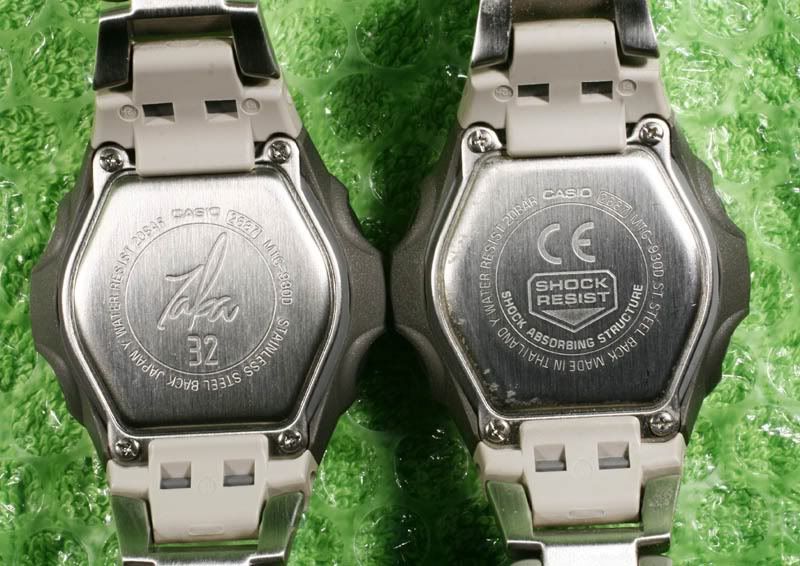
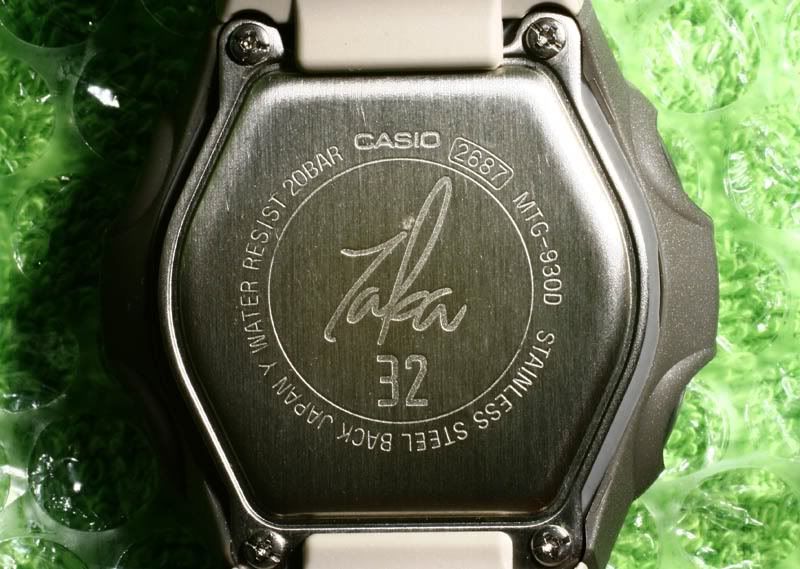
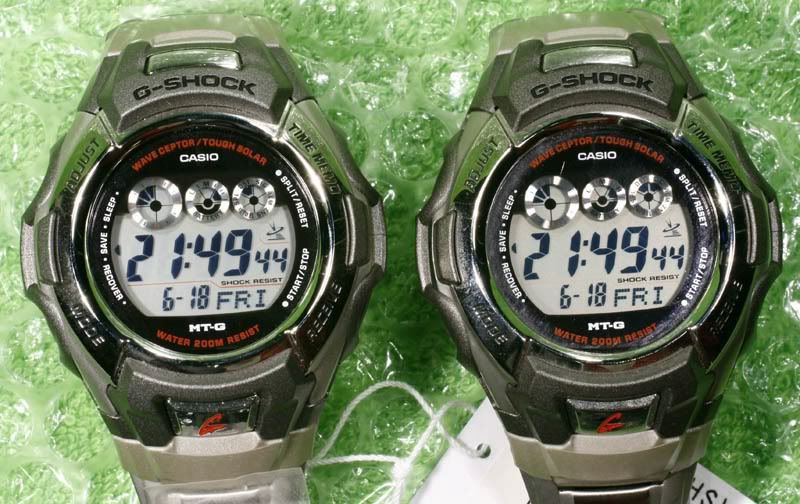
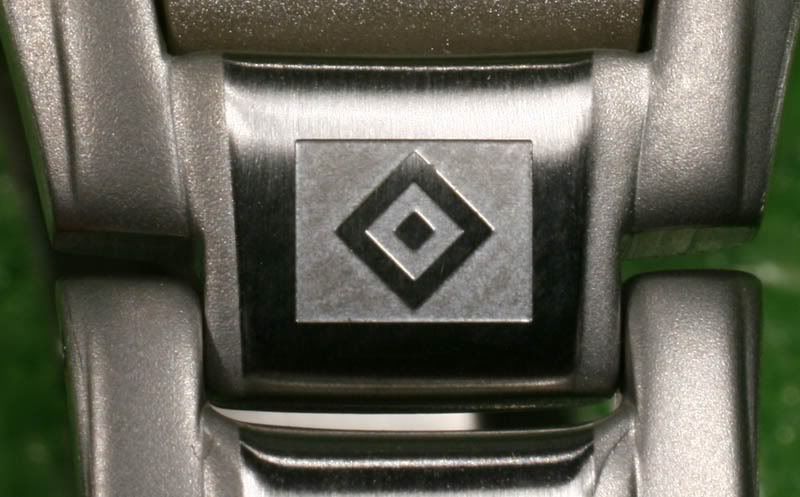
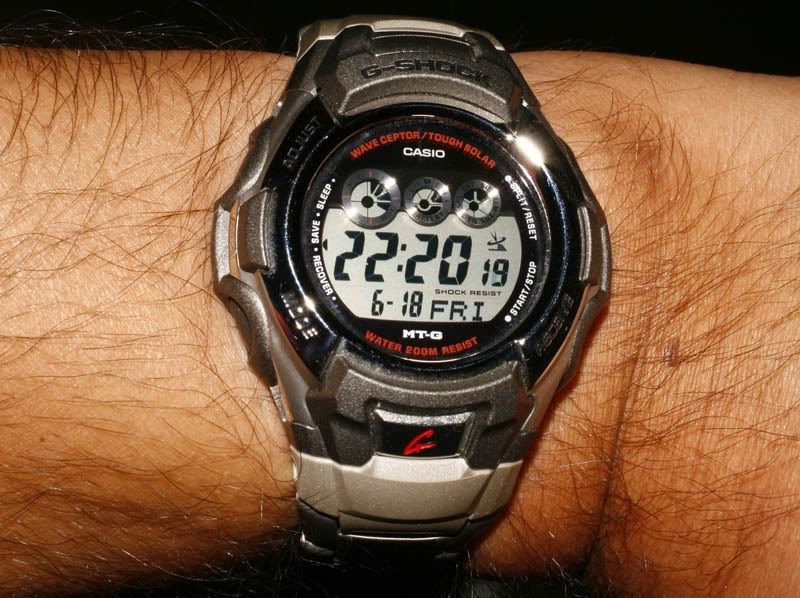
A more interesting model for us is the MTG-930DHSV-8AVER. This HSV edition is dedicated to the striker Naohiro Takahara. For HSV fans of Takahara the box is more interesting than the watch. While his name and signature is all over the box, on the watch the signature is only visible on the back of the watch, along with his shirt number 32. A small HSV diamond logo can be found on the bracelet. When wearing this watch it pretty much looks like a basic MTG-930D.

Takahara played from 2003 to 2006 for HSV (pronounced Haa Es Vow). He started his career in the football team of his school, the Shimizu Higsachi High School. This school is known for its strong football team. Besides Takahara the school has brought forth more successful professional football players.
Takahara started his professional career at the Japanese Júbilo Iwata team in 1998, before he went to HSV. In that period he was loaned for a short time to the Argentinean Boca Juniors team. From 2006 – 2007 he played one year for Eintracht Frankfurt and currently he plays for the Urawa Red Diamonds in Japan in the J League Division 1. This, one of the best supported teams, is currently ranked 6th place in that league.
Naohiro Takahara was not selected for the Japanese national team for the World Cup 2010, but he played in the Japanese National team from 2000 to 2008. In that period he scored 23 goals for Japan, ranking him the 7th place of best top goal scorers.
The HSV version is on the left, a basic MTG-930 on the right.
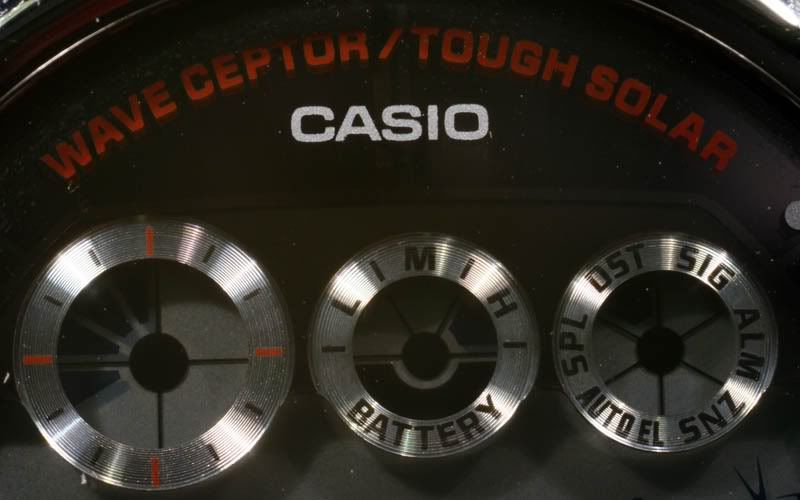
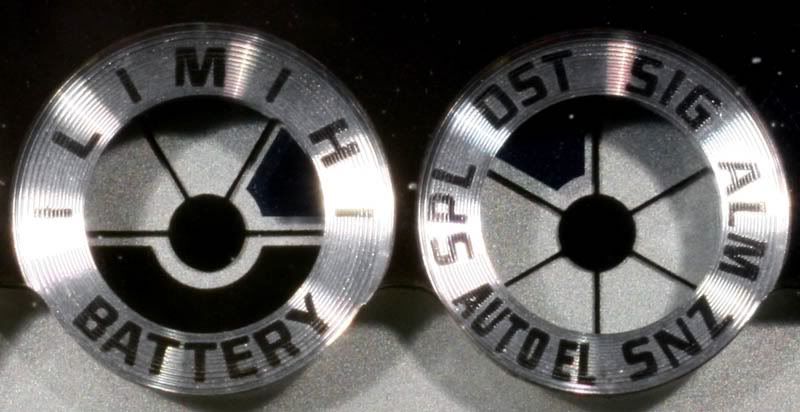
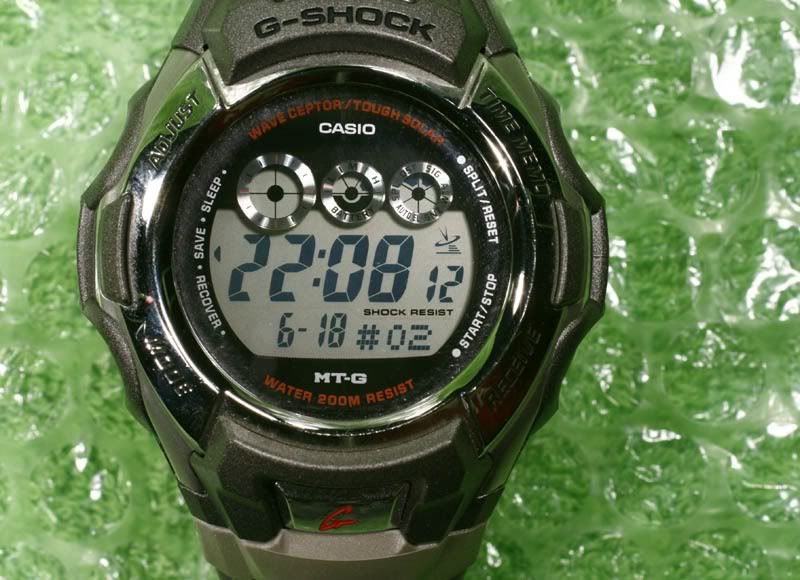
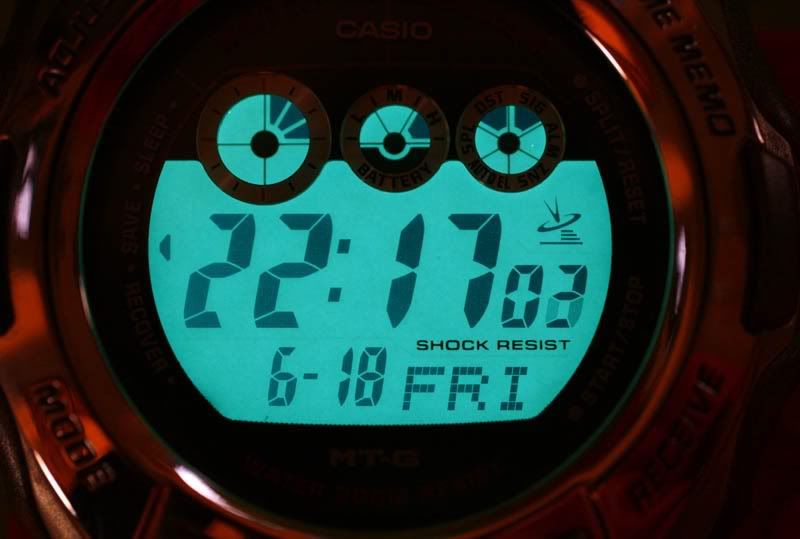
From all first generation Tough Solar Waveceptor models I liked the MTG-930 most. I find the three eyes an attractive design, but the eyes are much smaller than on the DW-6900. The eyes of the MTG-930 do have a totally other function than those on the DW-6900. While the eyes of the DW-6900 simply count up and down the seconds. The big left eye shows roughly the time in minutes of the hour. The eye of the Frogman has a similar function.
The second eye gives information of the battery power reserve in three degrees, Low, Medium and High. If the battery indicates low, the watch should be placed in a very light place.
Actually the CTL1616 battery has a bad reputation on these first generation Tough Solar Waveceptor models. In my collection they have had a pretty high faulty range. I do not have many of these models, but I have changed about 8 of these batteries. If you know how to replace a battery in a G-Shock, the procedure is almost the same. The problem with all these first models is that it is a lot of work to get at the battery.
The CTL1616 batteries were in the past not easy to get, but nowadays you can find them easy on eBay for a price around $15.-. Be sure you take the Panasonic versions, which are the Casio recommended brand for this type of battery.
If there is a battery problem, the recovery icon will blink. This malfunction of the watch is sometimes also referred to as the “Recovery Blues”. Recently I had to replace 4 CTL1616 batteries, which is quite a depressing job. The Recovery Blues is the result of a defective batch of batteries. According a memo of Casio Panasonic has improved the battery capacity and has solved the problem with this type of battery. The best way to avoid the Recovery Blues on these early models is wearing the watch a lot and try to keep the battery level up to High. The Recovery Blues is therefore more a problem for the collector than a problem for a user of the watch. The Recovery Blues has not yet occurred with models that have their CTL1616 battery replaced.
The third (most right) eye shows if several functions are enabled or disabled. It shows the alarm, snooze alarm and hourly chime (signal), Daylight Saving Time, the Auto EL Function and the Split function of the Stopwatch.
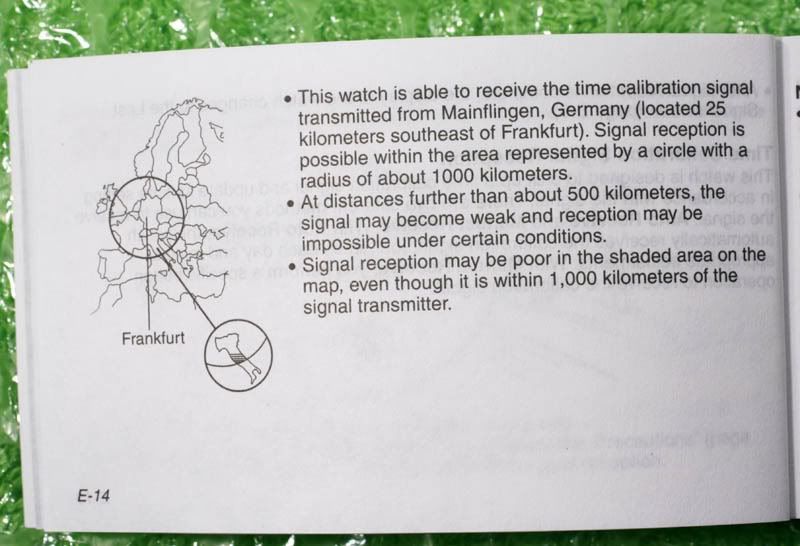
If you look for an MTG-930D in Japan, you won’t find it. In Japan this model was released as MTG-920. The Japanese model could receive both the Japanese signals and the US signal. Somehow these models were released as MTG-930D in the US too. You had to be careful where you bought your watch, because you could not use a US model in Europe and vise versa. The use of the Waveceptor function was in 2003 pretty new. The European version can only receive the signal broadcasted from Mainflingen (near Frankfurt). I have also a GW-700DU, which is a dual band UK release. This one could receive the signals from both Mainflingen and Rugby (UK). The Rugby transmitter was later moved to Anthorn in the North of England. A big hurray for the Multiband Waveceptor models that are now available, but back then you had to start somewhere.
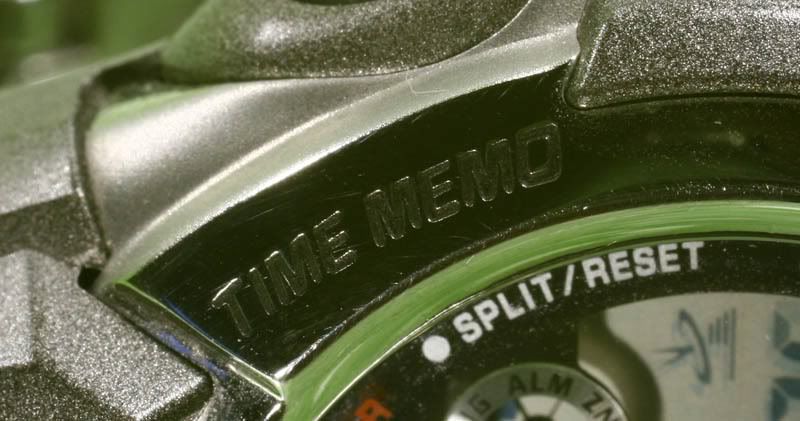
The MTG-930 has a strange new function, that could be found on al first generation Tough Solar Waveceptor model. It is called the “Time Stamp”. If you push the upper right button for a few seconds, the time is registered in the watch memory. You can store 30 of these “Time Stamps”. You have to remember actually what you stamped the time for. Personally I don’t have a good idea how to use this timer. Someone suggested it to “Time Stamp” every time he had rode 100000 kilometer with his car.
I always thought the Time Stamp was a pretty useless function. I am glad this function disappeared on later Tough Solar Waveceptor models. The most frustrating fact is that the Time Stamp replaced the pretty functional Countdown Timer function. I pretty much miss this function on the MTG-930.
The MTG-930 has a 24 hour Stopwatch Function and a World Time function. Also it has 5 alarms (one is a Snooze Alarm) and of course a Hourly Chime.
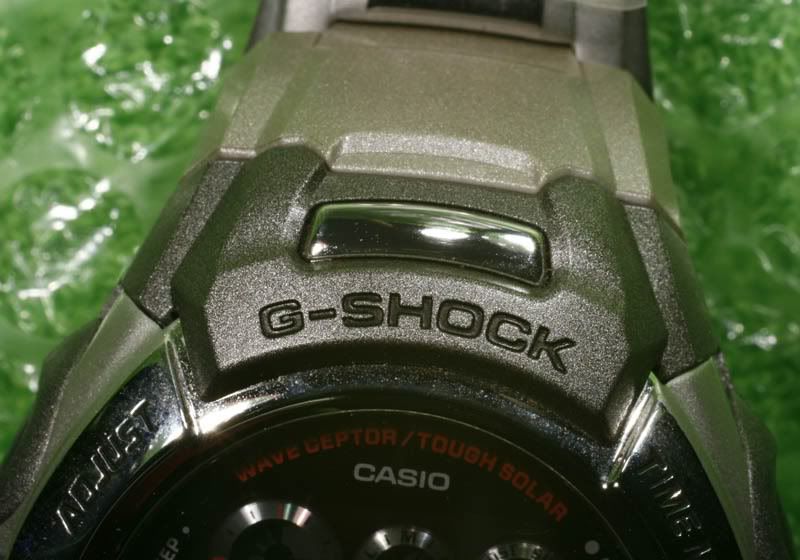
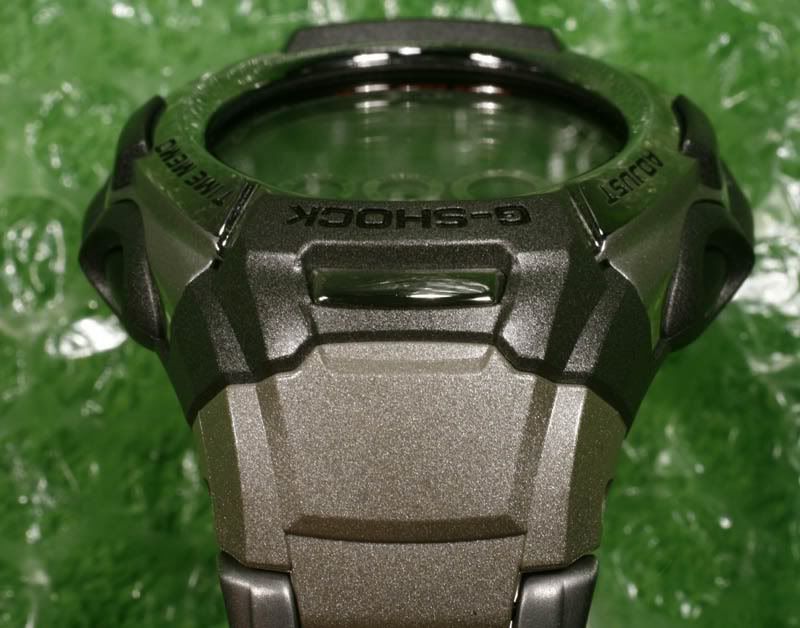
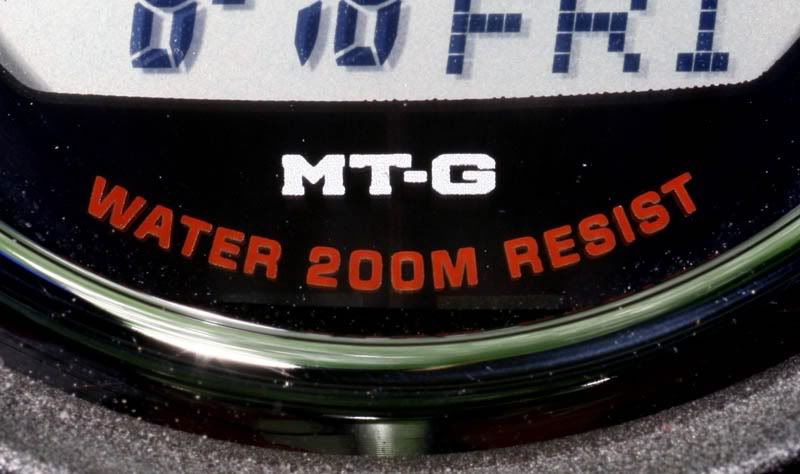
It is a bit strange that similar looking models are referred to as MT-G and GW-. MT-G stands for “Metal Twisted G”. It means that both resin and metal is used in the watch in a perfect harmony. In the first MT-G models the resin was integrated clearly in the bracelet. Also the new MT-G model have these kind of bracelet. On the MTG-930 it’s harder to see the mixed use of metal and resin. Metallic coated resin parts are used on the case as shock protectors and button guards. Also the attachment of the bracelet and the case is made out of resin, but a metal cover hides these resin joints. I think Casio thought the mix of metal and resin was not clear visible enough and later switched for newer models to the GW- prefix.
Nowadays I can’t really recommend a basic MTG-930D. It is simply an expensive dated watch. The basic version retailed for €180.- here in the shops. The new 6-band GW-6900 costs around €129.-! The Waveceptor function works only in Europe and the high defective rate of the CTL1616 battery isn’t making this watch also not attractive. As for this Takahara model, I can think a HSV fan would like to have it. Still I bought it for a very low price. While a basic MTG-930D cost around €100 on eBay, I won this auction with a pretty low bid. I think it cost me around €60.- around 2004. The seller had put several more of these on auction and the auctions ended around the same price. After that, I have never seen this model for sale anymore.
So we have a strange watch here. It seems it is a model that was, and probably still is not very popular. I bought it at that time for half the price of a basic version. Still I think this watch is very rare. I think most of them ended up at home with fans. With the high faulty CTL1616 batteries, I think not many will be still owned and maybe a lot have been simply thrown away as a disposable watch after a “Recovery Blues”. Luckily one ended up in my own little G-Shock museum so this model will not be forgotten.