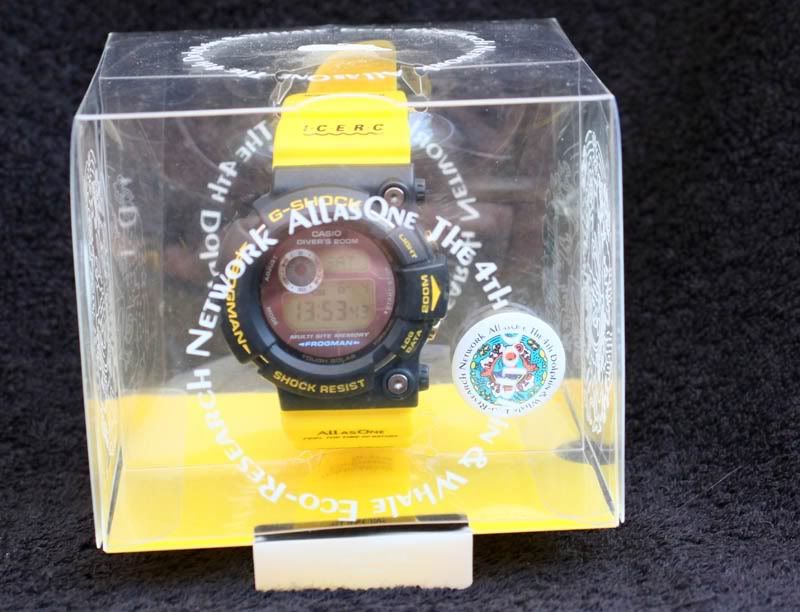
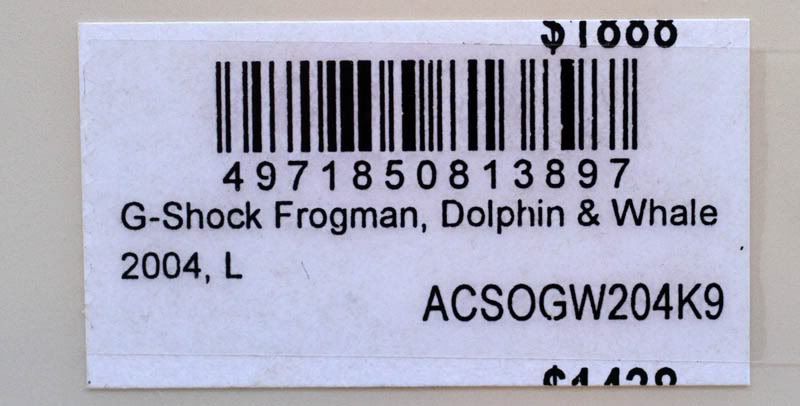
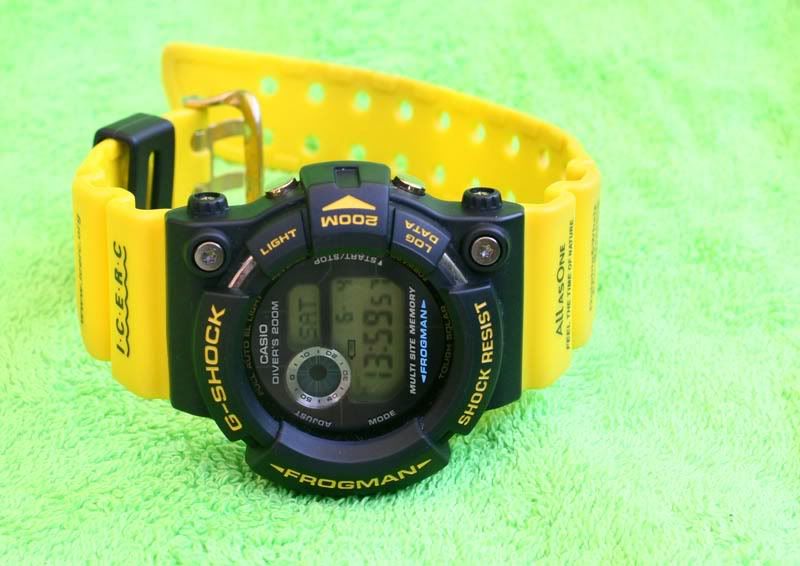
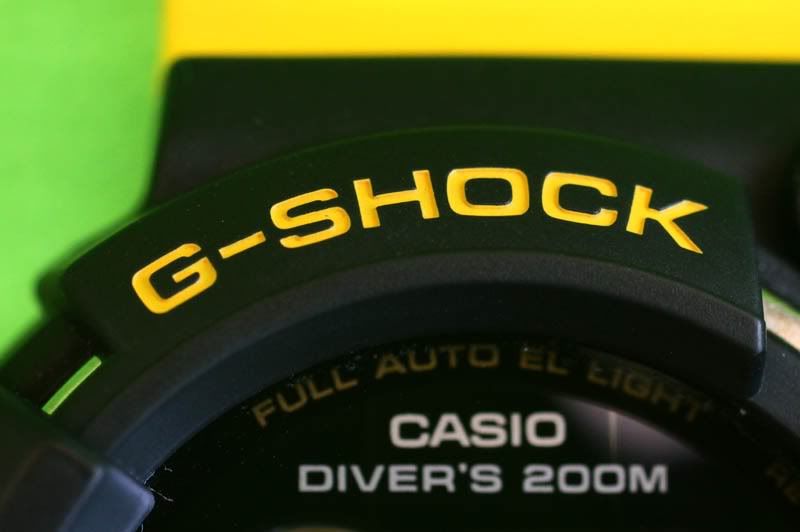
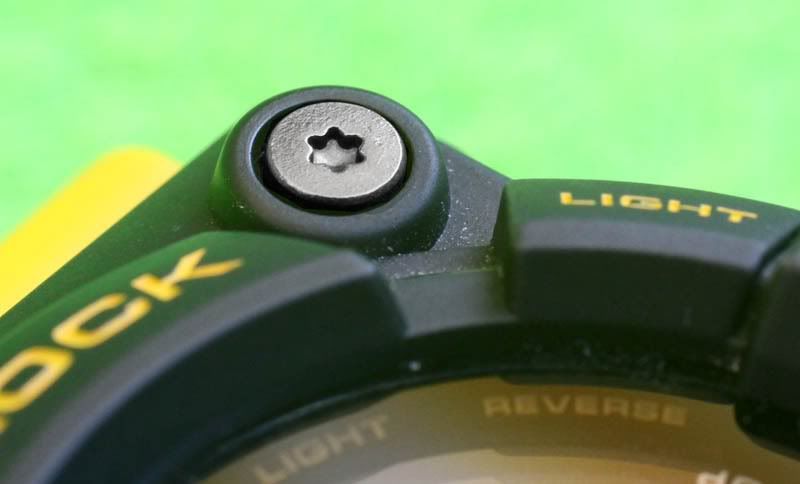
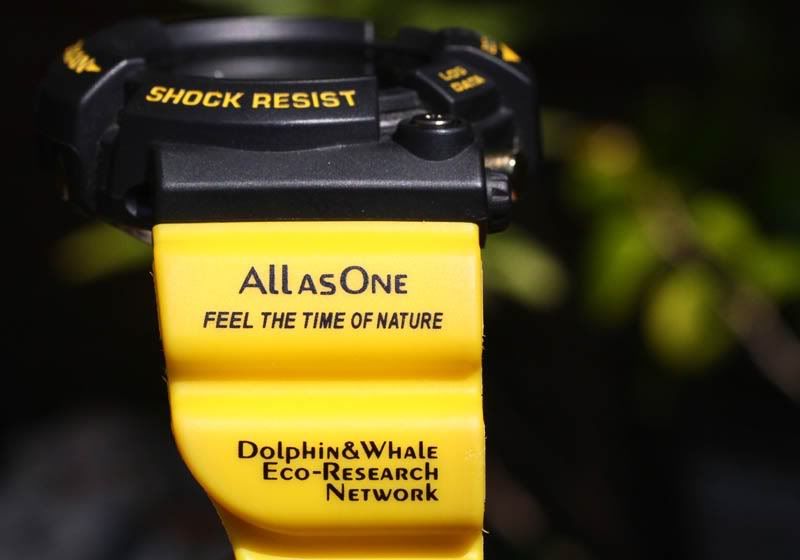
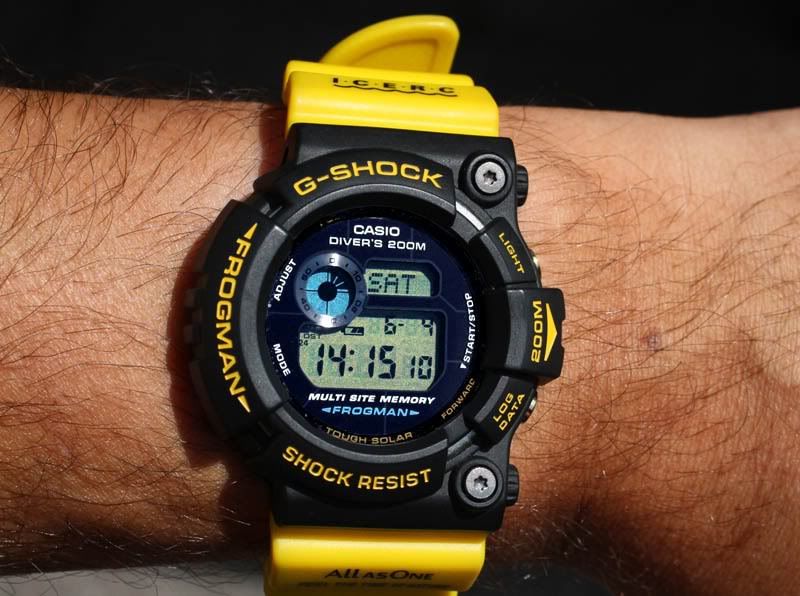
It's the 25th G-Shock article this week. Half way my goal of this year. Today’s G-Shock is a model I wanted to have for a long time. I recently finally acquired it in May. It’s the I.C.E.R.C. Frogman of 2004.
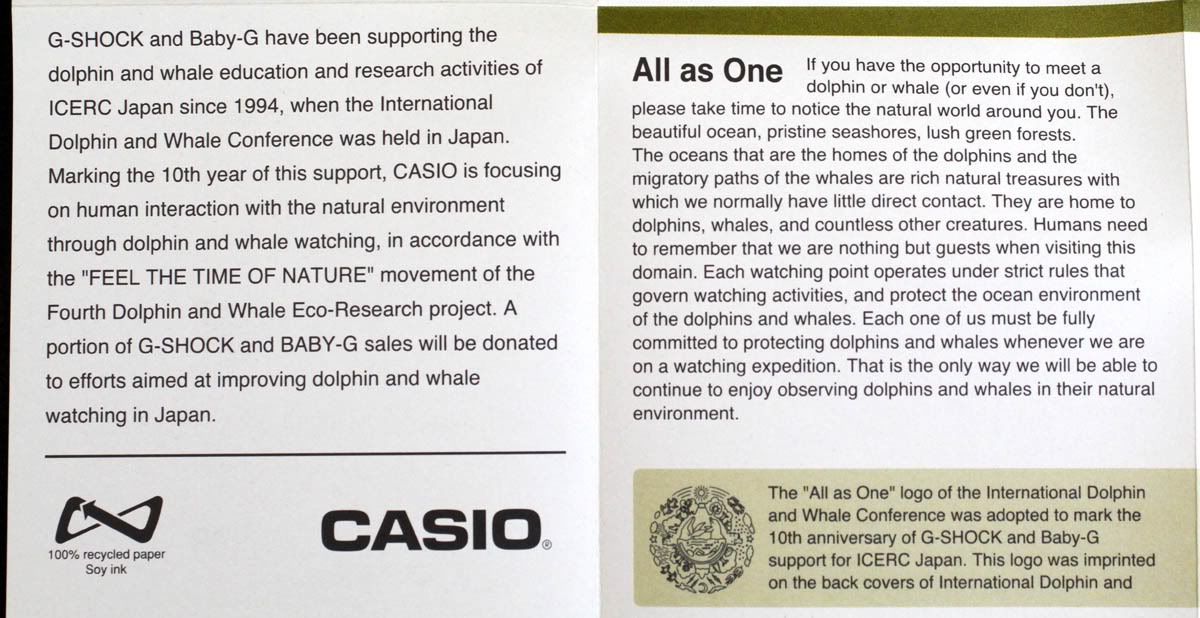
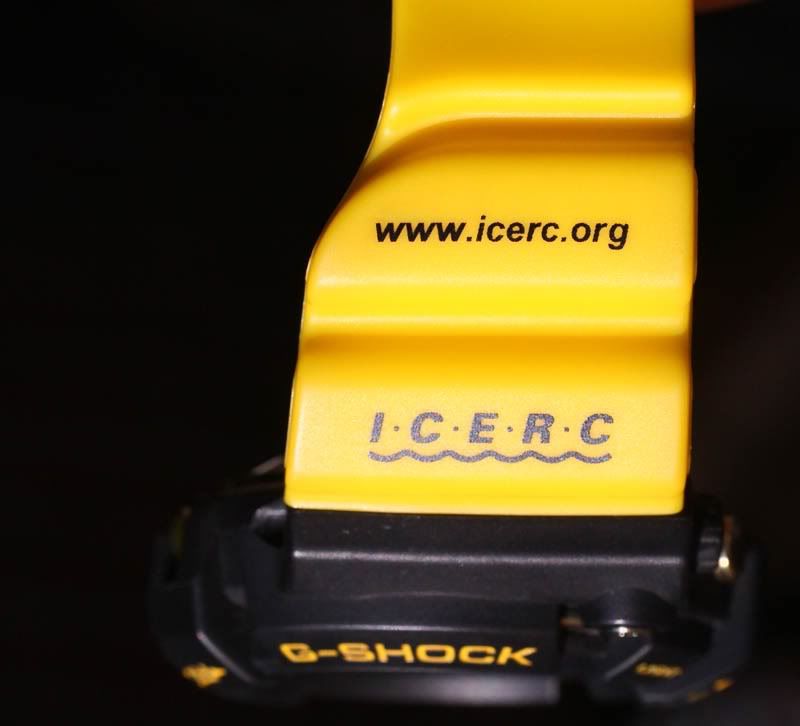
Casio releases since 1994 special models to support international dolphin and whale research. I normally associate blue, aqua, white and light gray with the sea and oceans, but the first I.C.E.R.C. release (DW-6100DW-9) was also in this yellow/black color scheme. This color scheme also returned on the 1999 Gulfman and the 2009 Gulfman. Although I do not see the link to the sea or the I.C.E.R.C. it is a pretty cool color scheme. With this model Casio honors this is the 10 annual Dolphin and Whale model. I’m already looking forward to the 2014 model, as I suspect I already know the color scheme.
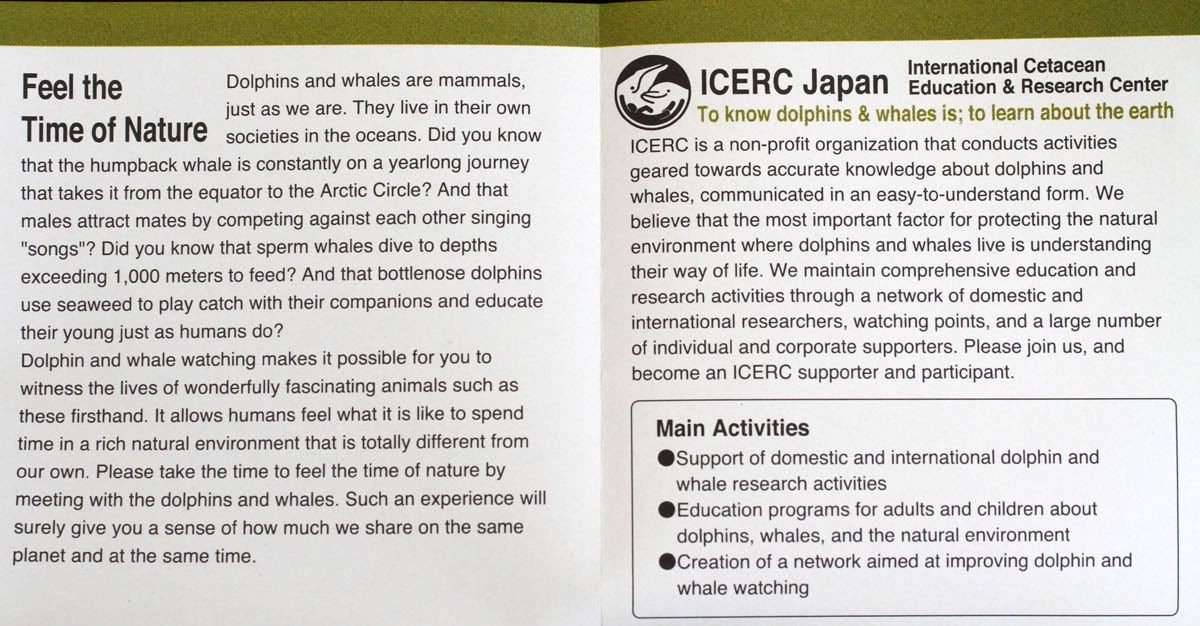
I.C.E.R.C. stands for International Cetacean Education and Research Centers. This non-profit organization was founded in Australia in 1988 and has departments all over the world. During their existence they have tried to study these four goals:
1 ¬ The study of dolphins and whales in their natural environment
In a practical manner, what can we learn from dolphins and whales? Watching the cetaceans' daily life in their natural habitat is a quasi-inexhaustible source of learning. If women and men of this planet were inspired even remotely by the way of life of their marine cousins, this would speed up their evolution towards a really human being.
2 ¬ Tribes of the Earth "Stories and legends"
Memories of certain ancient tribes can bring us some missing pieces from the puzzle formed by the great mysteries of the creation. Atlantis Lemurians Are these stories true? Or are we faced with legends? Make your choice!
3 ¬ The importance of the recognition, the study and the integration by western culture of the "energetic" dimensions of the existence
The vibrating level of the vital energy of a person increases during a meeting with a dolphin or a whale. Then the human finds himself in a sort of Meditation State that is extremely beneficial for his health, his well being and the evolution of his conscious... Our marine cousins are in this state 90 % of their time. It seems that this state permits cetaceans to use all of their brainpower. What do cetaceans use their intelligence for? Why do women and men today only use 5 to 10 % of their brain? What could they use the remaining 90 % for? What is the vital energy ?
4 ¬ The dolphin awakes in us a desire for a greater liberty
How could the human race speed up their evolution towards these beings free, autonomous and independent?
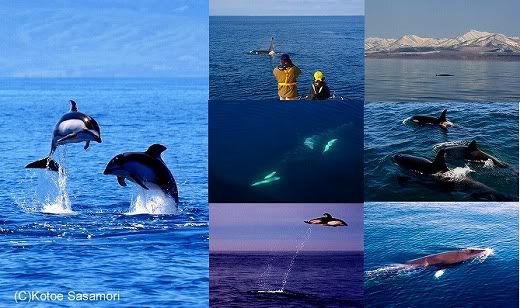
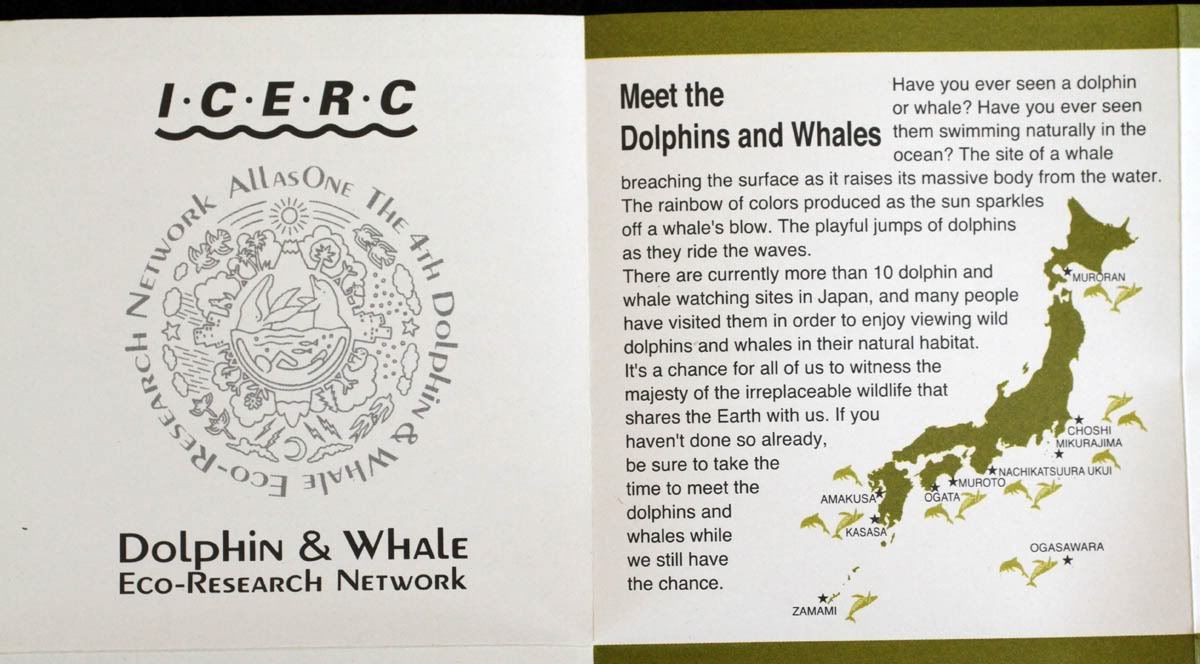
A lot of activities organized by these Educational and Research centers consist of observing cetaceans in their natural habitat. A funny coincidence is that lately humpback whales are spotted at the Dutch Coast. This might be a good sign, as in the far past whales were spotted more often in the Dutch waters.
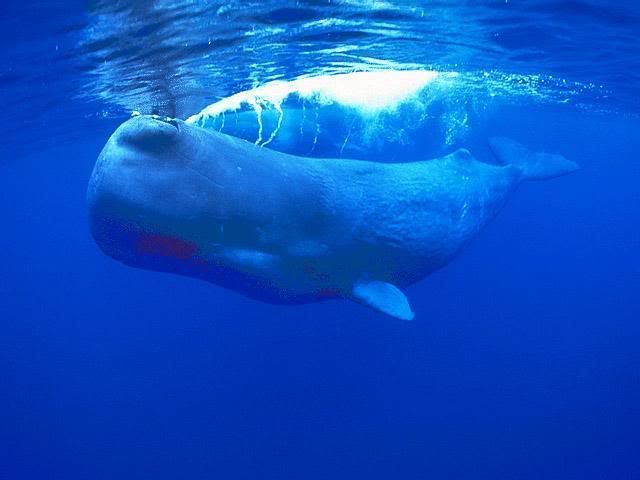
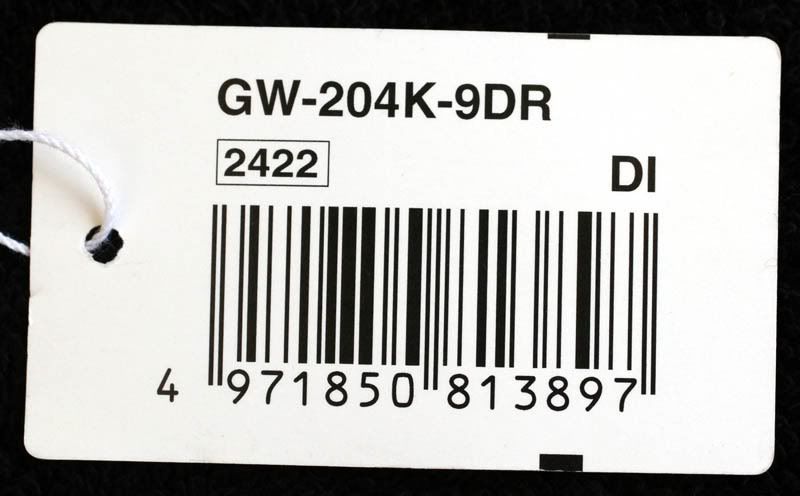
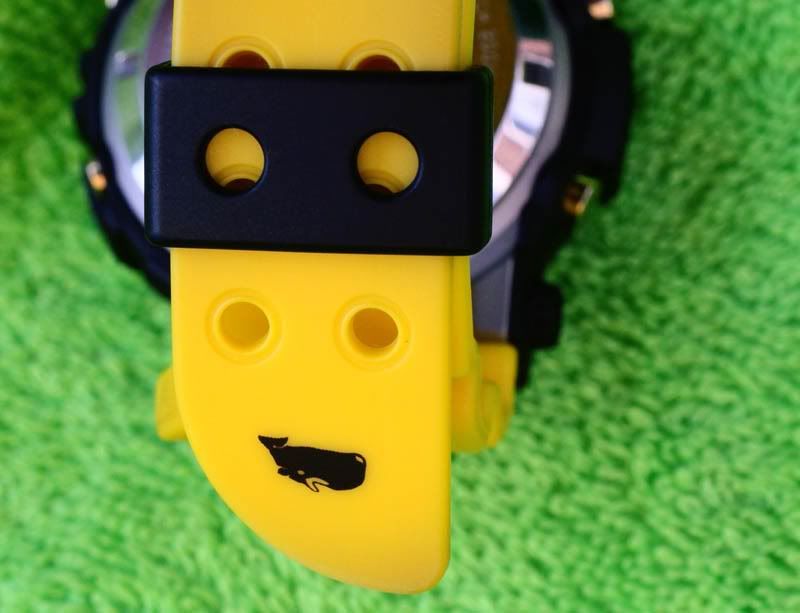
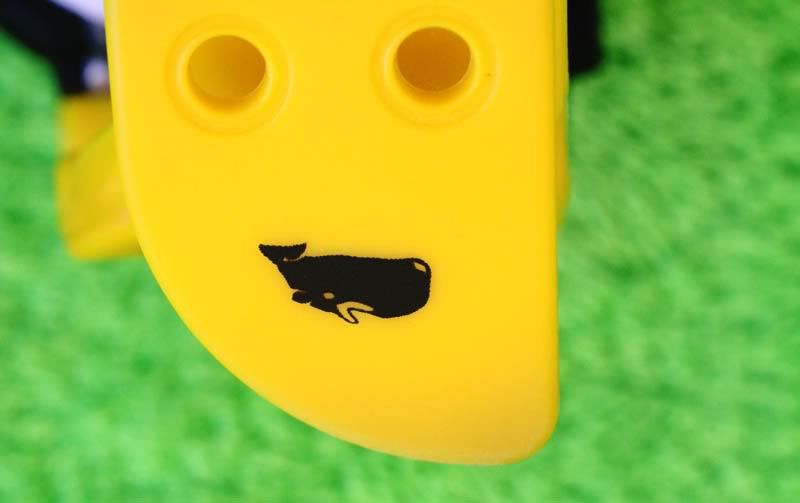
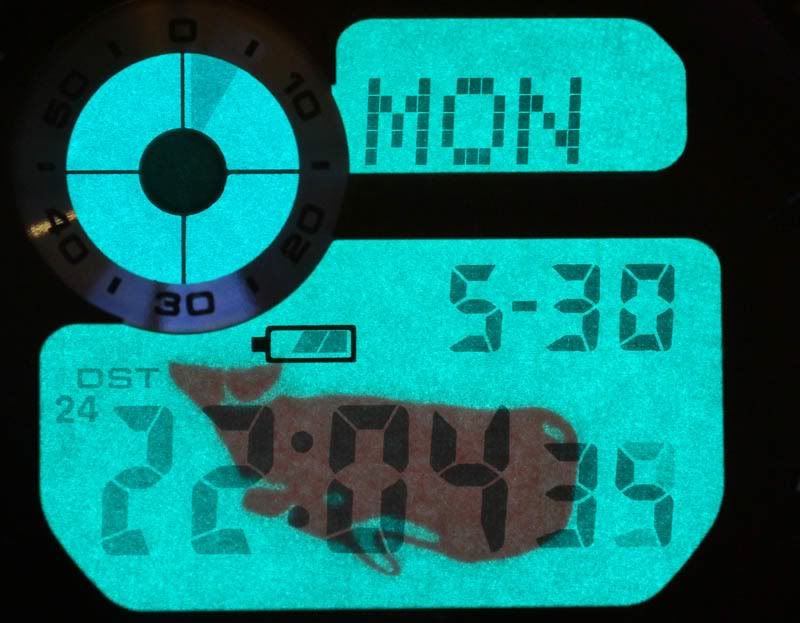
The whale featured on this GW-204K-9DR (overseas model of the GW-204K-9JR) is a sperm whale. This mysterious whale has a big head. The animal thanks his name to its spermaceti organ, which gives this whale it’s characteristic shape of its head.

The spermaceti organ contains a wax like substance. This spermaceti-oil was in the past a very valuable product. It was used to make candles, soap, cosmetics and machine oil. A full grown sperm whale can have up to 3000 kilograms of this oil in its head. In the past this substance was mistaken for the whale’s sperm, hence the name. The function of this wax like oil is not really known, but scientist think that the whale can regulate the temperature of the spermaceti organ. At the start of a dive, the blood flow to the spermaceti organ stops, so the substance turns cold and solid. This gives the whale a relative high specific density, making a fast decent possible. At great depths the whale can restore the blood flow, so the substance liquidities. It makes the whale’s specific density lower, making it easier for the whale to go to the surface.


The sperm whale has a blood volume of about 3000 liters, giving the whale the opportunity to store enough oxygen for up to 2 hours. A sperm whale dives to 3000 meter depths and can easy stay 90 minutes under water. The spermaceti organ probably also plays a role in the sonar system that the whale uses to locate its prey, squid.
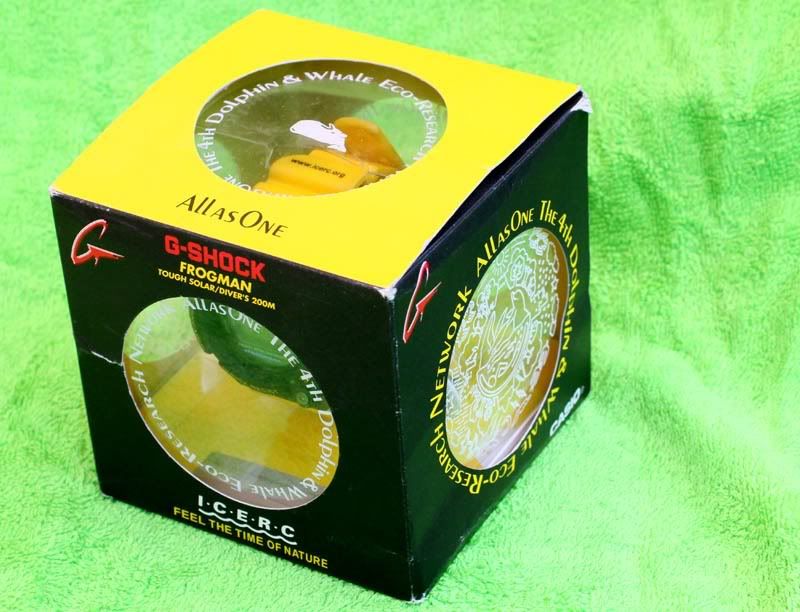
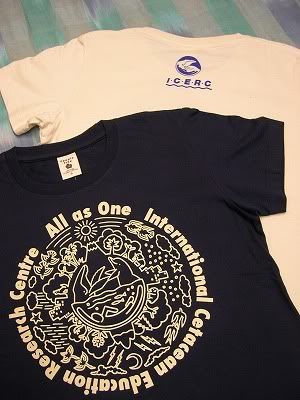
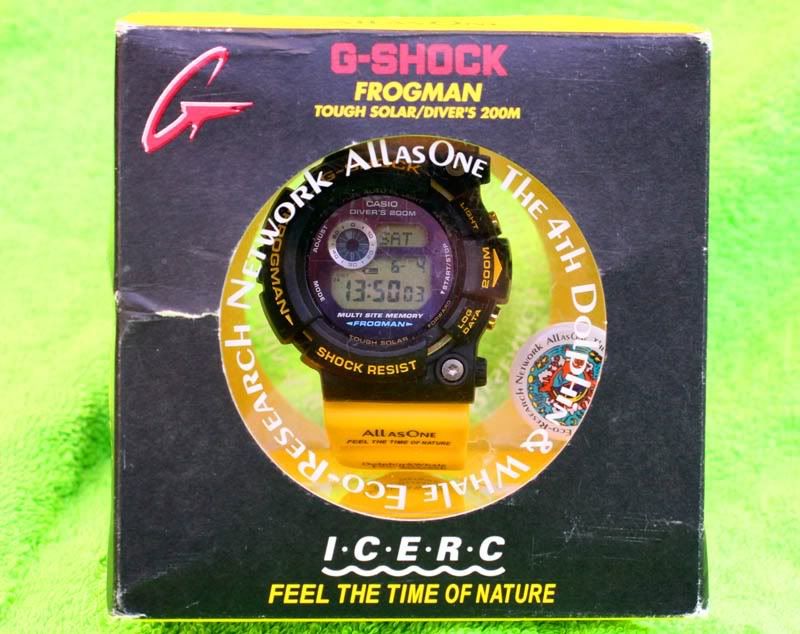
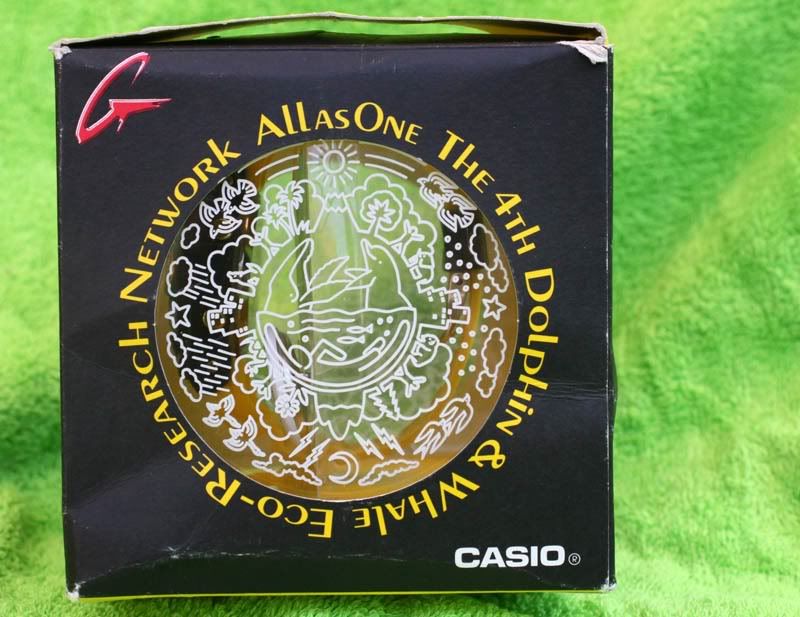
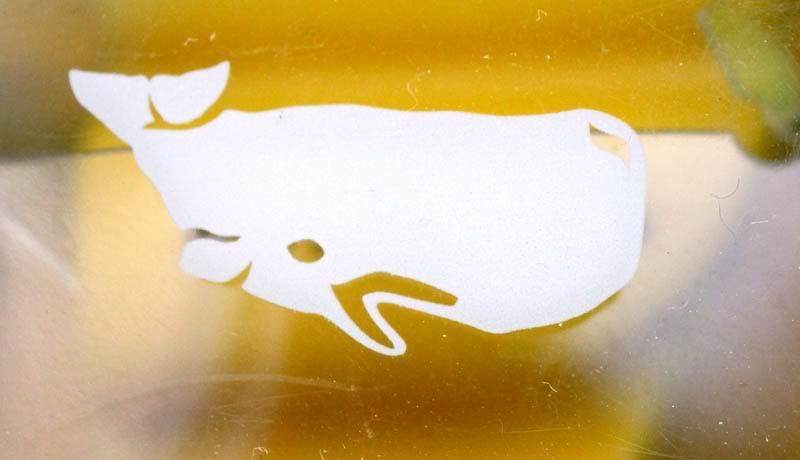
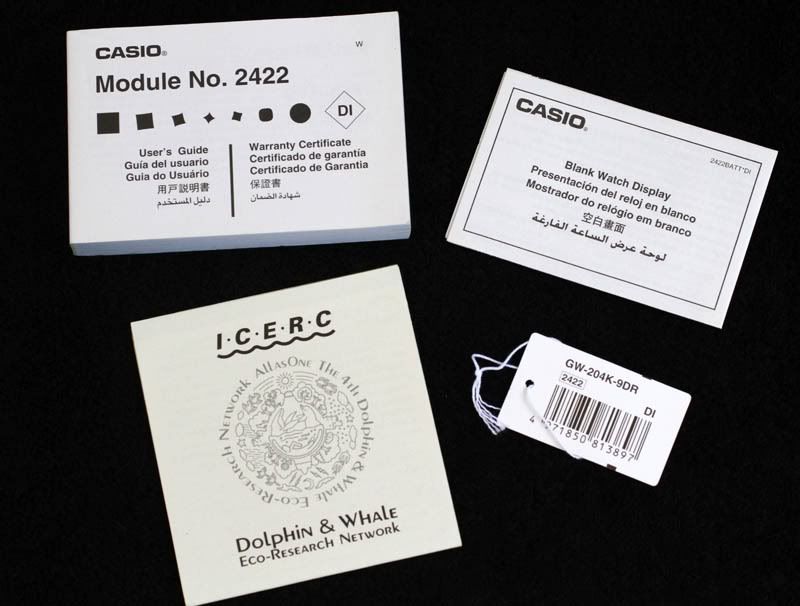
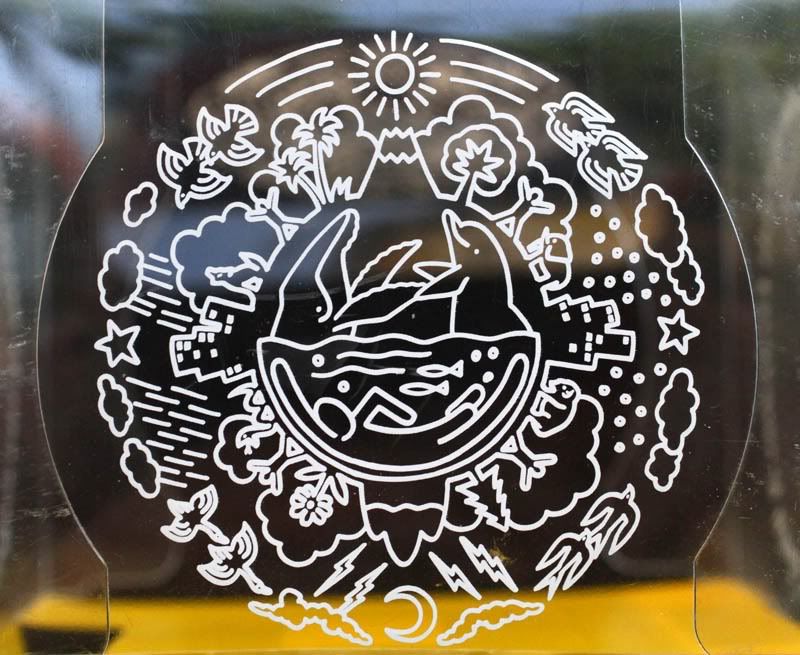
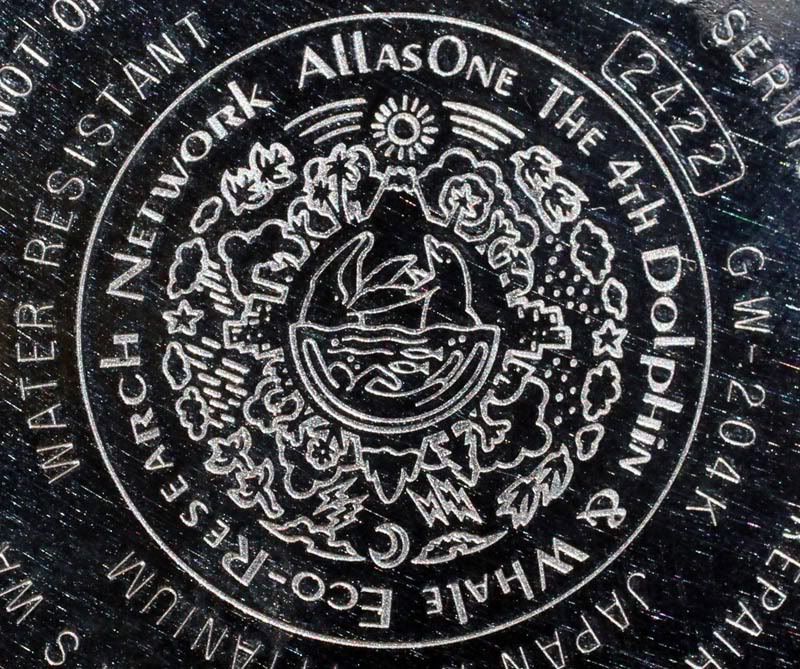
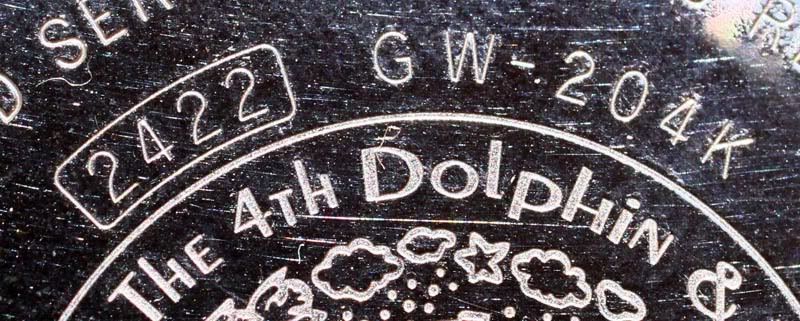
Back to the watch. Normally an I.C.E.R.C. model is released in a special printed cardboard G-Shock show box, but the box for this model is different. I somehow see this show box as a kind of aquarium. This cube shaped box has on 5 sides round show windows. In three of them there is the I.C.E.R.C. motto : “All As One” and “The 4th Dolphine & Whale Eco-Research Network” written around the window. The one on top also shows a sperm whale. On the two sides there is the image, which we also find on many I.C.E.R.C. models etched on the back.
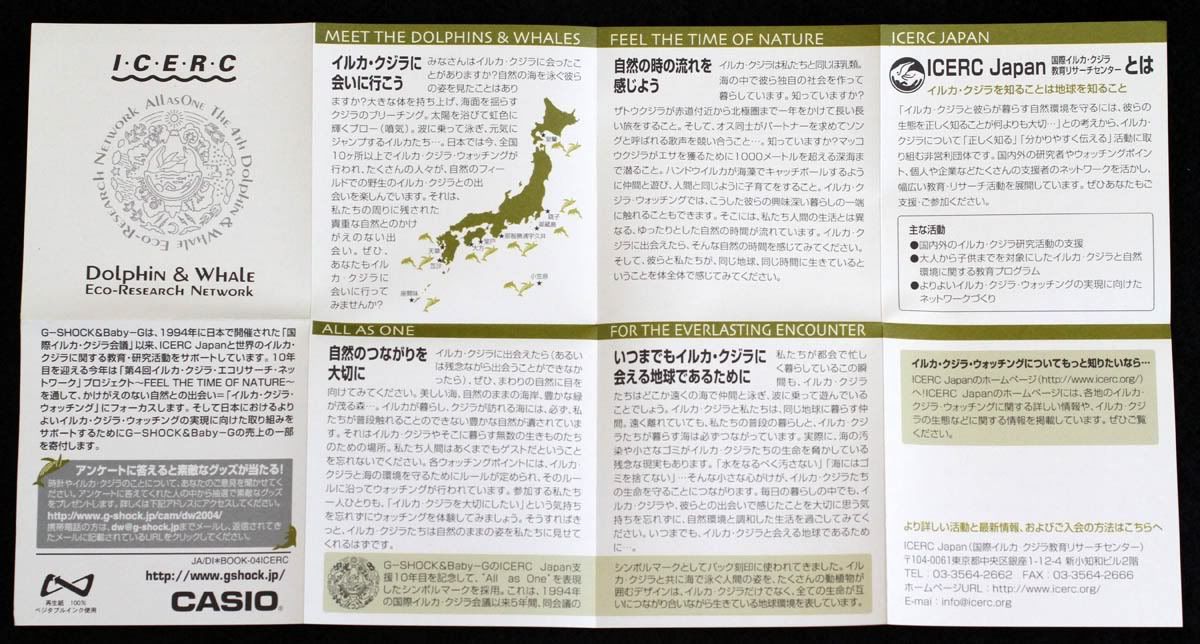
(for better reading, of the I.C.E.R.C. leaflet, which is inclided in the box with this Frogman, right click on image and open in an other tab or window)
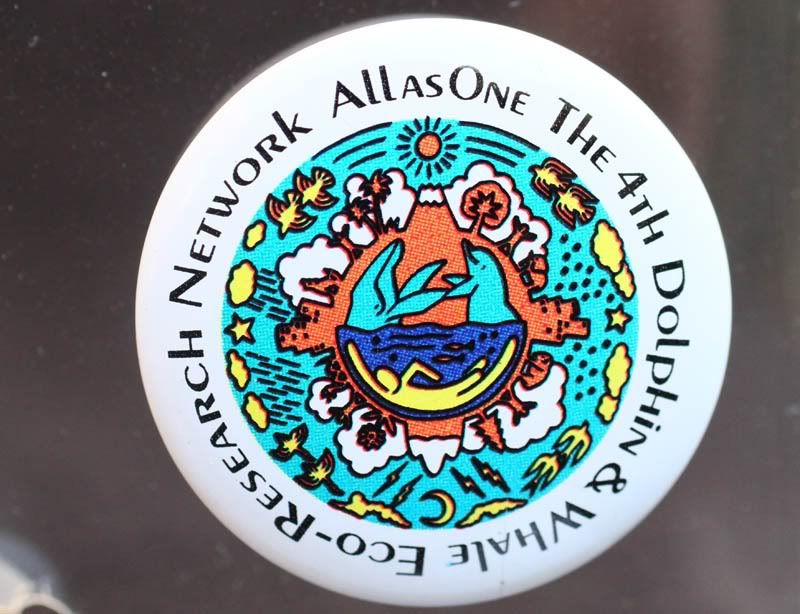
The Frogman is placed in a clear plastic inner box. I am always very careful with these boxes. I have several late 90’s models, which came in show boxes, made of similar plastic. If there is any damage, the material tears easily further. Next to the Frogman there is a small button with the colored I.C.E.R.C. logo. Very cool, I didn’t know this was included in the box.
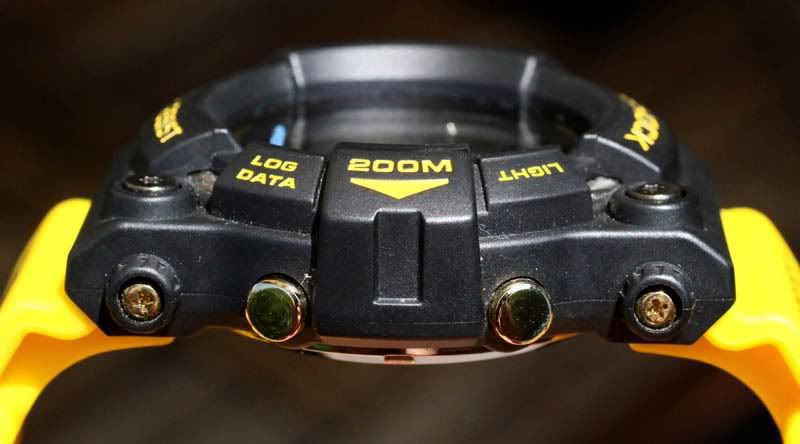
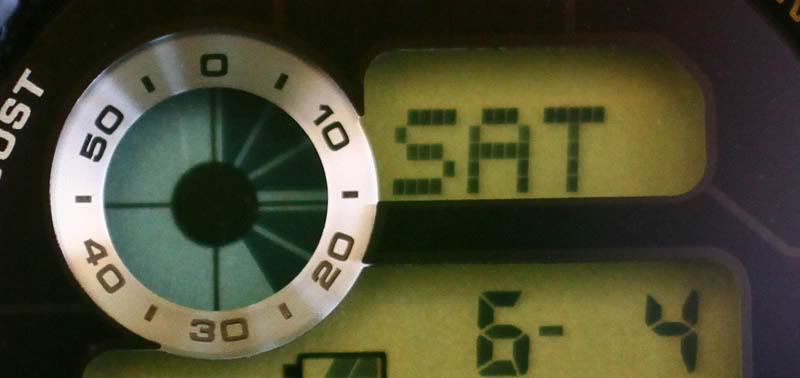
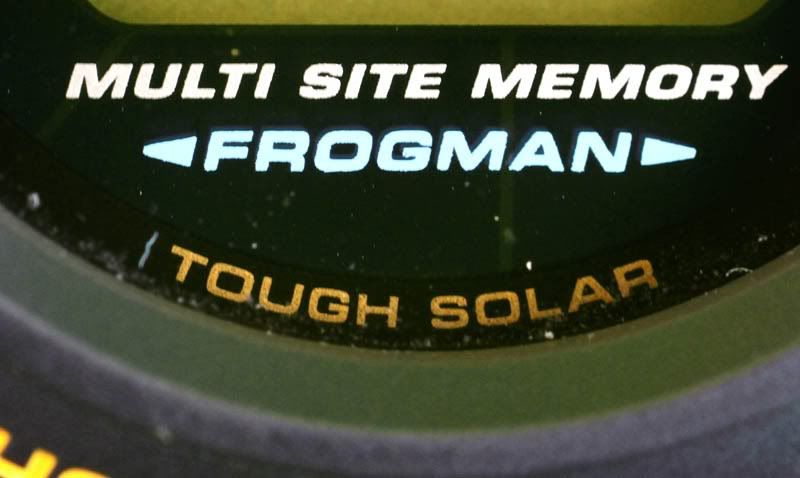
The GW-204K-4DR is a special edition of the Tough Solar GW-200 Frogman with the usual 2422 module. Every Frogman is ISO certified 20 bar water resist (equivalent to a 200 meter water column).
What’s on board of the 2422 module… It starts with a 10 dive sites Site Mode. It’s a bit stripped World Time function. The main time is locked to one of the site’s time zone. Standard it is locked on the Japan time zone. Best way to set your Frogman is to change one of the dive sites (except when you live at one of these sites, of course) to your location and then lock the main time to your time zone.
Next is the Identification Mode. Standard it stores your credit card number, passport number and blood type, but you can also store information as your scuba license number. I’m not sure if it’s wise to store information like your credit card number on your watch.
The last three mode are a 24 hour Stopwatch, a 24 hour Countdown timer and an Alarm function with three alarms and a hourly chime.
One special function is hidden. If you press the MODE button for about three seconds, you enter the Dive Time Measurement Mode. Well, the name of this mode says enough. It’s a kind of special Stopwatch function that records your dive time. If you start diving, it shows the current time, the time your dive started and the time you spend diving.
Back in 2004 it was relative easy to get one of these Frogman models. The retail price of this watch was 27000 yen in Japan and if I remember correct, it was sold outside Japan for around $250.- (which was a lot of money for a GW-200 Frogman in 2004). The US$ was quite high compared to the Euro. I think it was somewhere around €220 - €230 around that time.

For this watch I have paid quite a lot. It cost me €350.-, which makes this watch one of my most expensive G-Shocks. Is it worth it? I have been wanting to have this watch since it was released. The only problem was that I had no funds. At the end of 2003 and beginning 2004 the GW-203KK-4JR was very easy to find. I had bought two of those in a short time span, so I couldn’t afford to buy this Frogman. I very much like the yellow color and the black yellow color scheme on this watch. A friend and “former” G-Shock Collector offered this watch to me a few months ago. He could hold it for me, so I could save up the money for this Frog. Well, I have it in my collection now, that counts. I always say, “if you like it and you can afford it, then buy it”. Finally I have it.