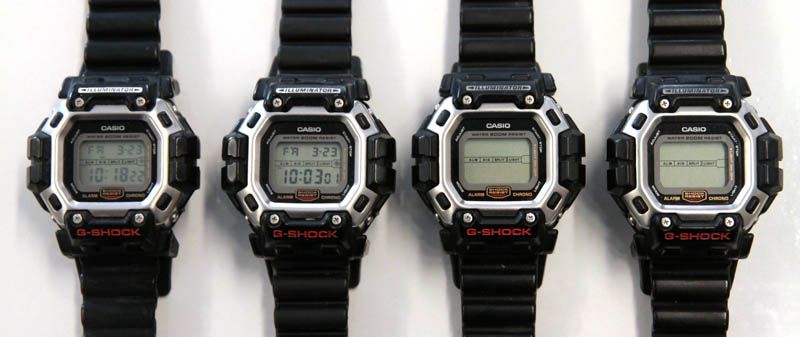
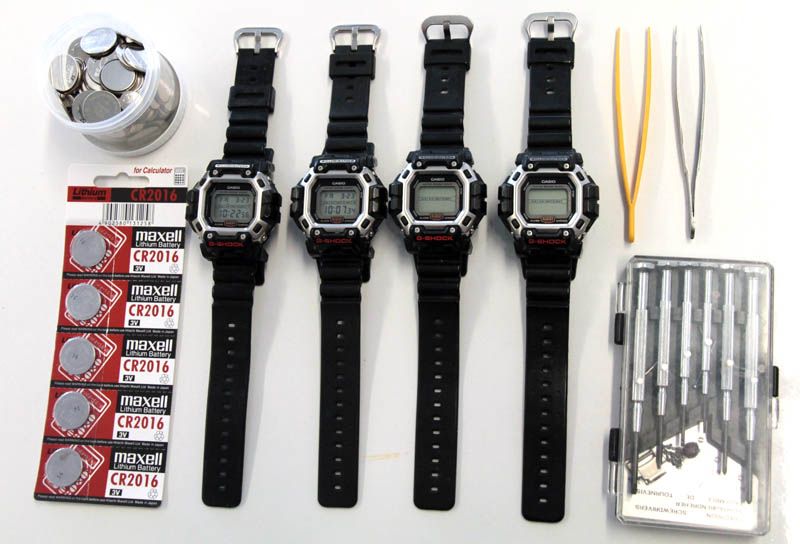
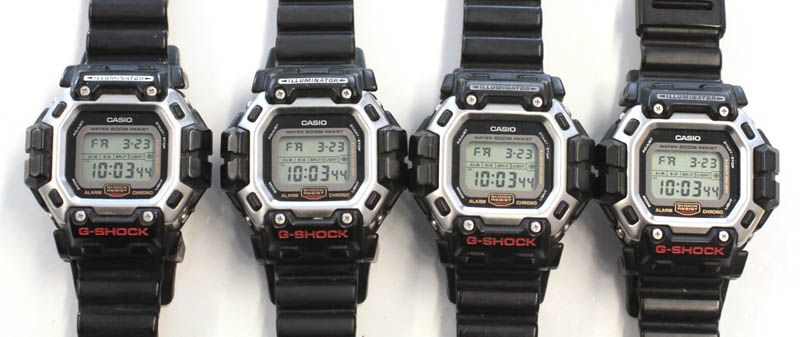
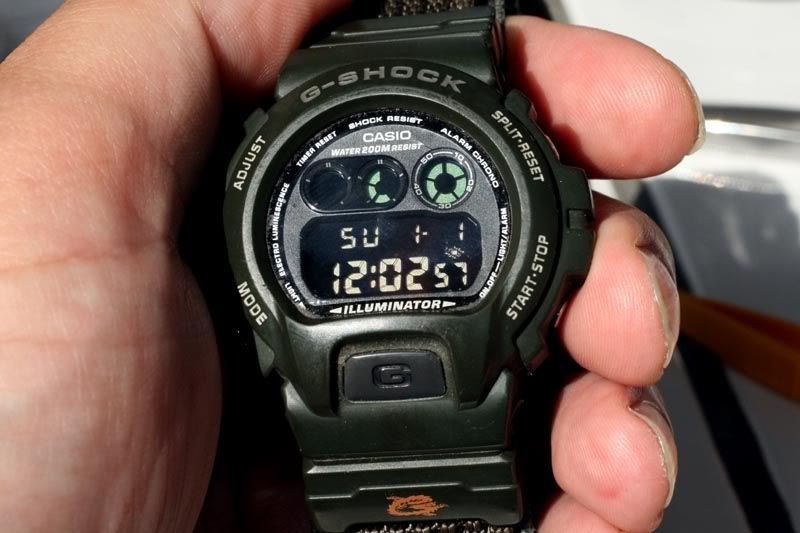
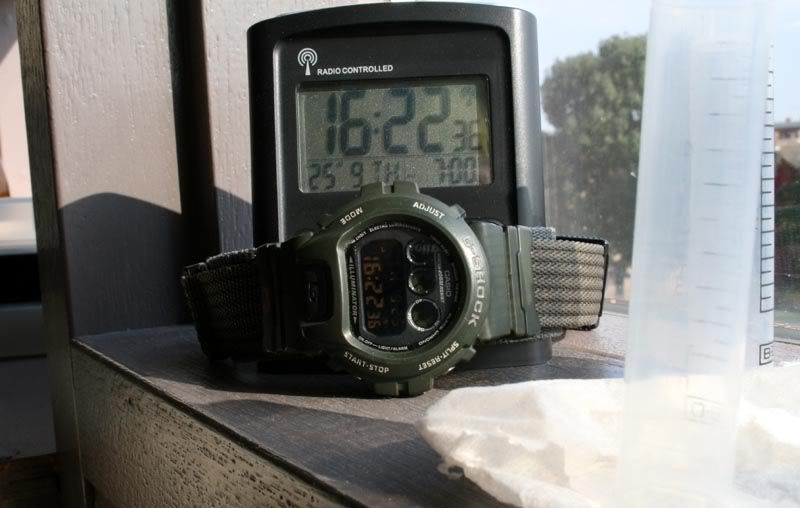
If you want to write a 50 Gs article, it is of course necessary that the watch fully functions. The DPolg model, featured in the next 50 Gs post was unfortunately very dead. A nice occasion to look inside this special DW-6600 version so we can change the battery.
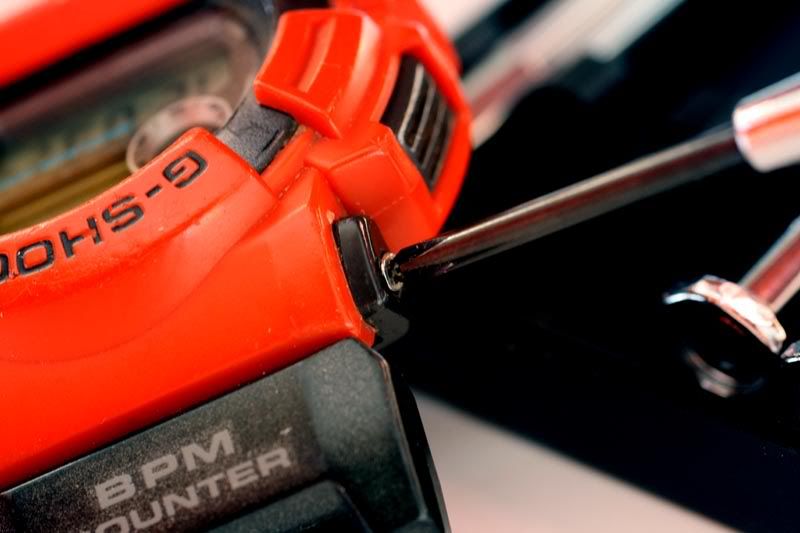
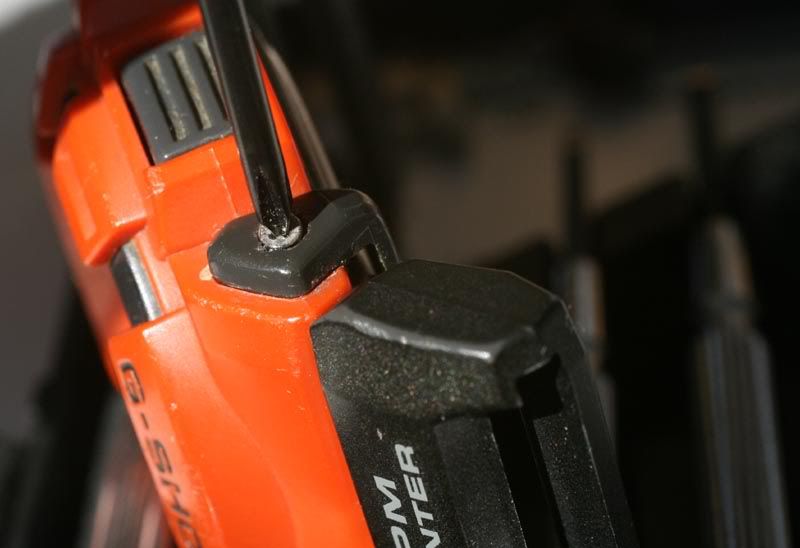
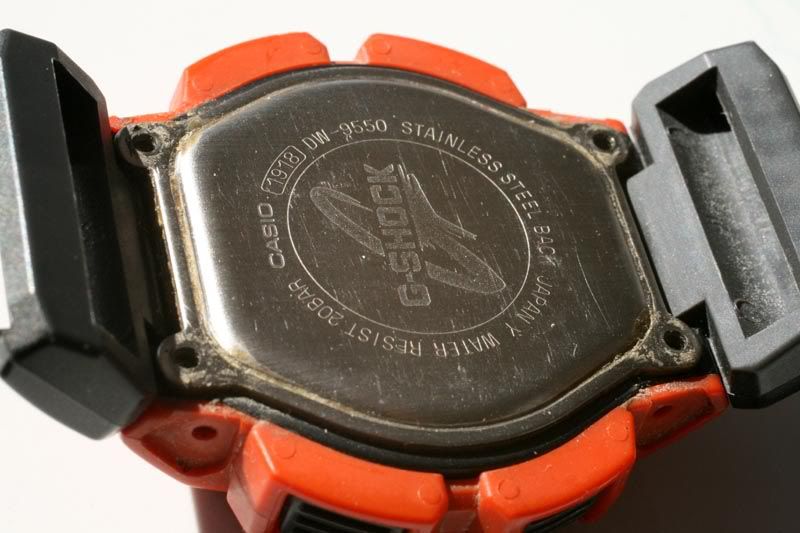
First remove the four screws that hold the lid in place. If I recall right, there is no spring in the module, but still I recommend not to turn over an open case.
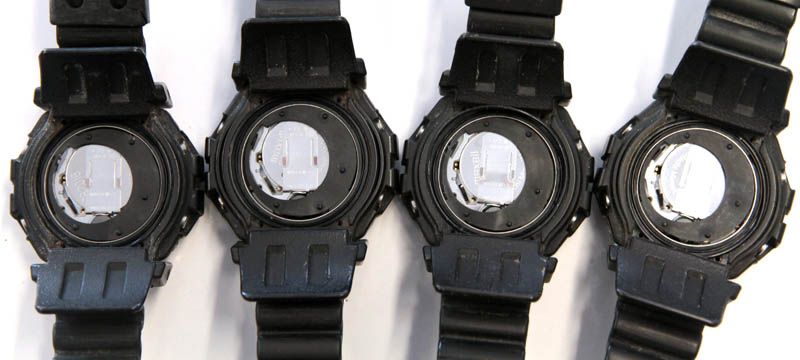
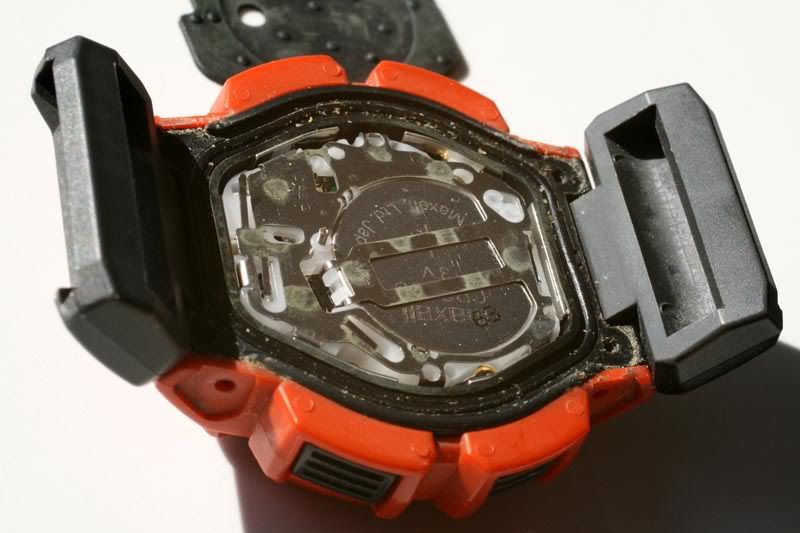
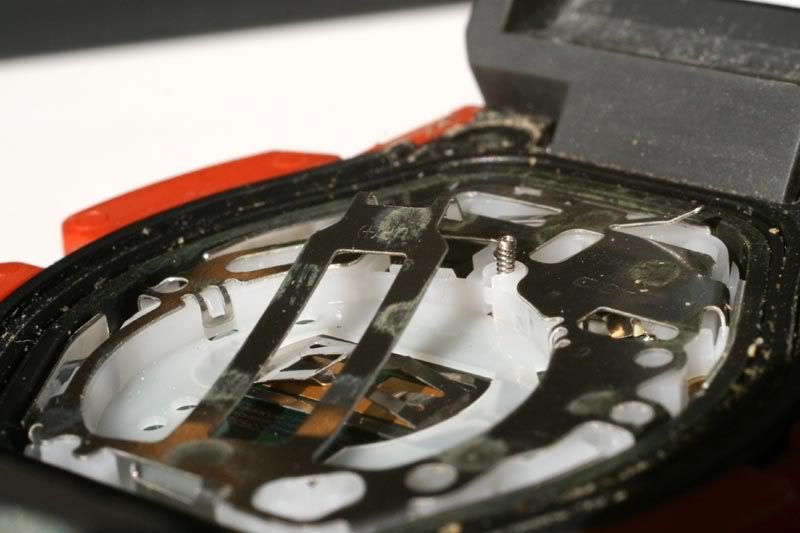
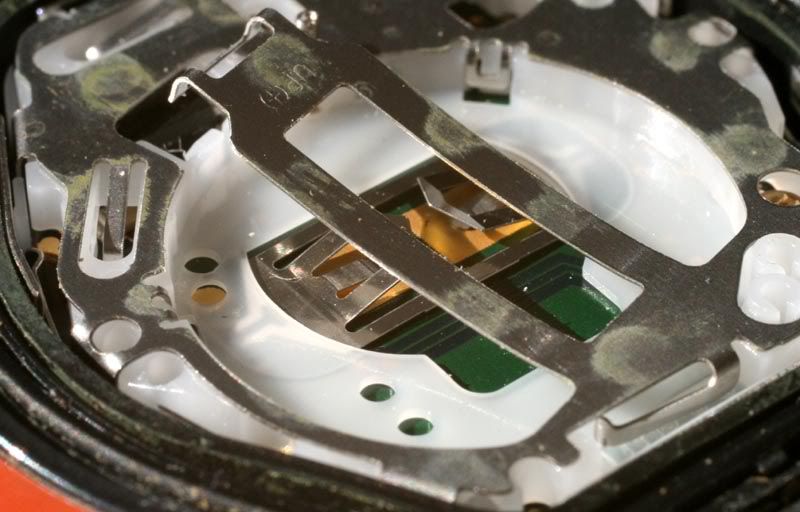
Notice the open structure of the back shock absorber. You can easily take of the rubber shock absorber. You get where you want to be, the battery and the battery lock.
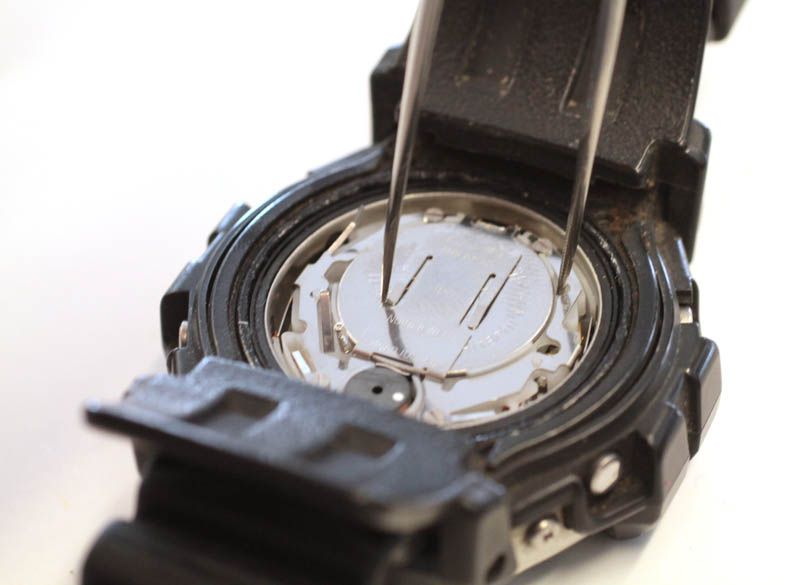
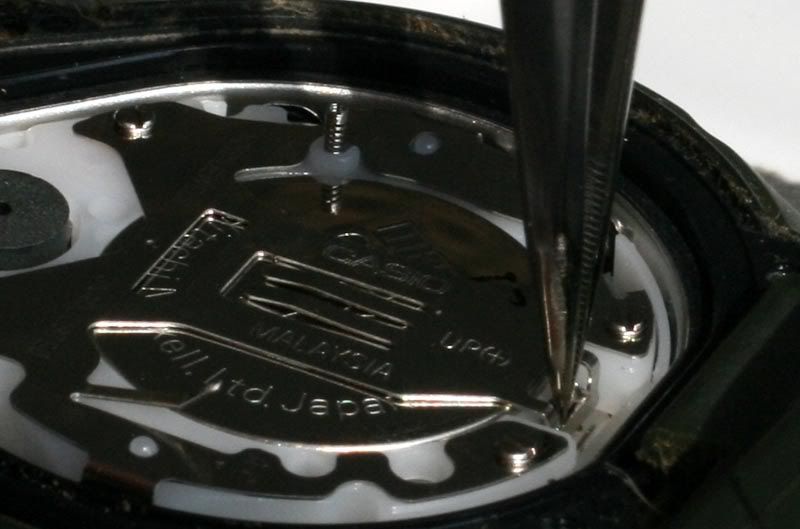
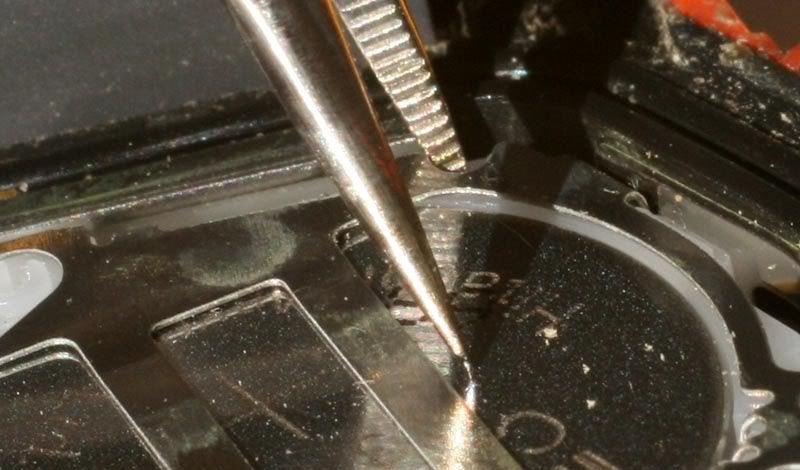
You will notice the AC contact at the 5 o'clock position (not very good visible this time). I'll come back to this contact later. You can open the lock pretty easy with a sharp metal subject, preferably a sharp point tweezer, but a sewing pin works fine too. Most important, the lock opens itself, do not apply too much force. If the lock does not open, it means you are doing something wrong. The tweezer or pin must be stuck in the little hole, where my tweezer is put in the photo above.
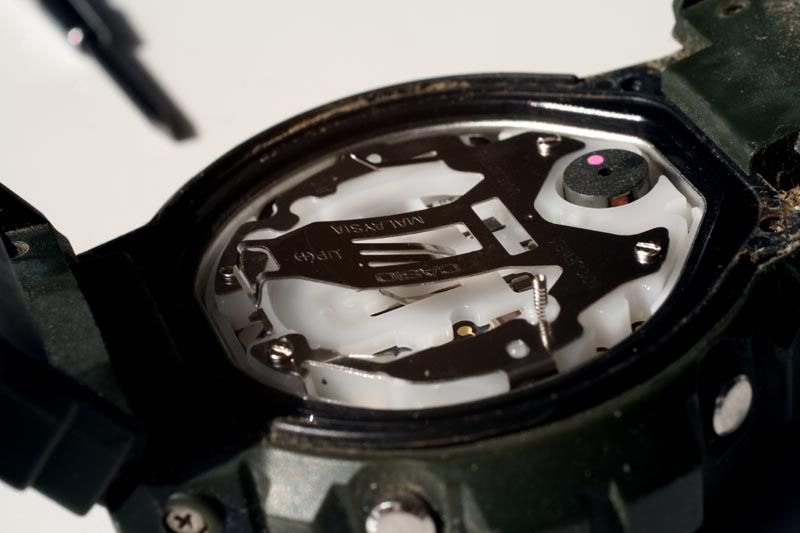
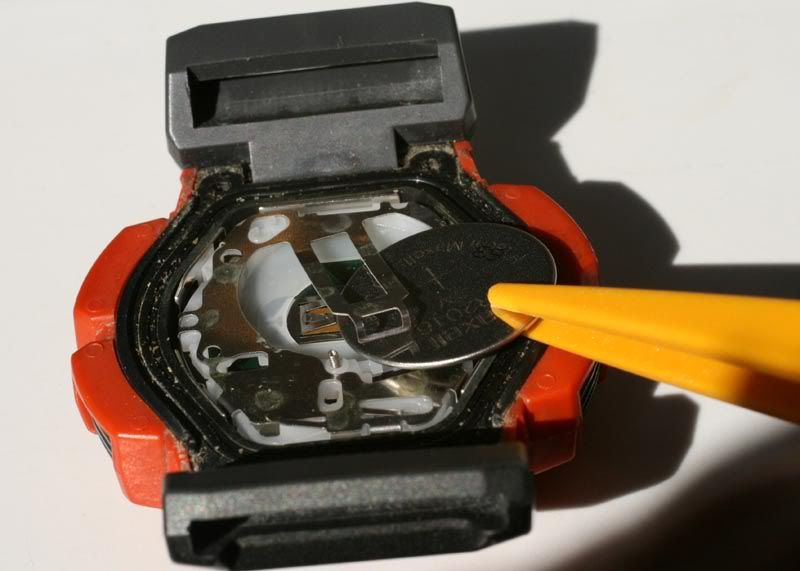
If you can not easily remove the battery out of the battery holder easily, you can put the tweezer in the small hole, left of the battery (near the black circular object in the photo) and push it out of the holder.
Take a fresh battery (CR2016) out of it's package. I recommend a Japanese brand battery. Hitachi, Panasonic, Sony and Maxwell are the most used batteries brands by Casio. Like my Casio Service Centre I use Maxwell batteries. Try not to touch the battery with your fingers. I also wipe the battery clean with a cloth. There is a little air hole at the back of the package, so you can touch the battery without knowing you are touching it.
Insert the new battery in the module. Be careful not to bend the contacts at the bottom (that make contact to the - side of the battery) when inserting the battery. If possible, use a plastic tweezer. In the early past I used a cloth ot even a tissue paper to insert the battery. When the battery is in place, you can push down the lock with your tweezer (or something similar).
When the lock is closed, short circuit the AC contact and the + side of the battery for about 2 seconds. This should be enough to reset the module.
Now it's time to re-lubricate the rubber gasket ring. I use a little very clean silicon oil, that normally is used to lubricate race bikes and mountain bikes. Just a little bit to prevent the rubber to dry out. With the sealing ring in place you can now put back the back lid on and turn the screws in their place. I always put tighten the screws cross ways. Do not over tighten the screws, or you might strip the screw thread in the holes of the case.
Now it's time to turn the watch over and check if it functions. The watch should beep and the EL backlight should work perfectly.
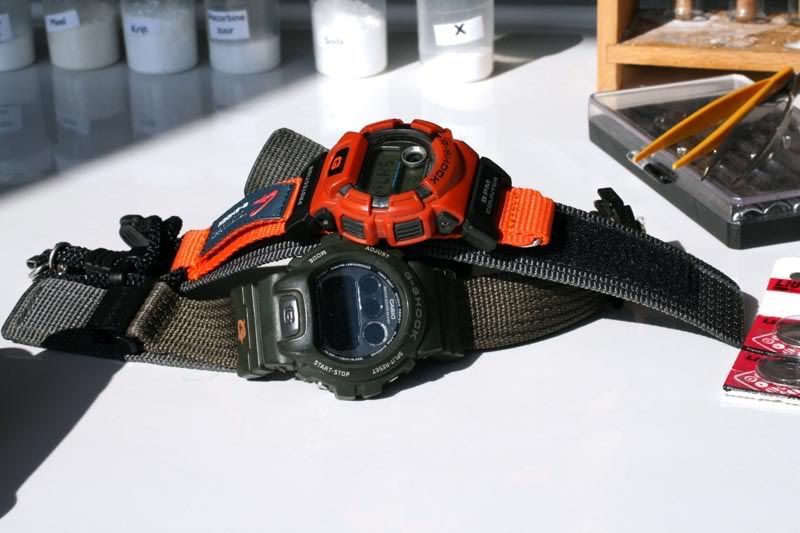
The procedure of changing a battery of a G-Shock is pretty standard like this battery change, though in most modules there one or more lose parts (tiny springs), that can fall out of the module if it is turned upside down. Of course there is no guarantee of 20 Bar Water Resistance if you have changed the battery yourself. If the gasket ring is in good condition and the model is not a very old model (>10 years old), I would still trust the water resistance of the watch.