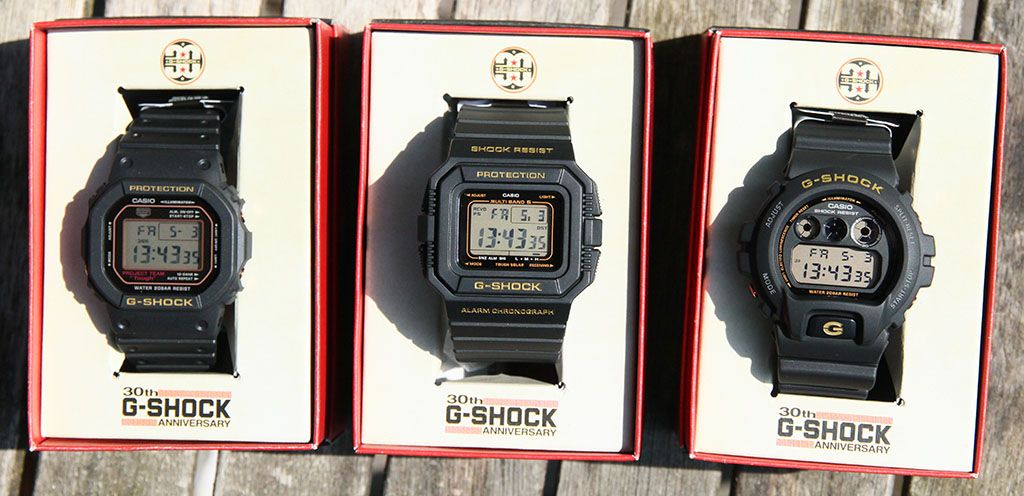
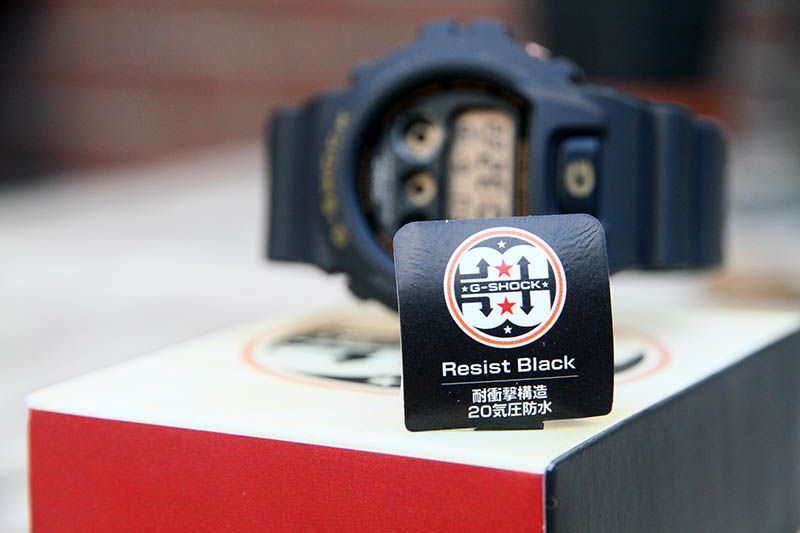
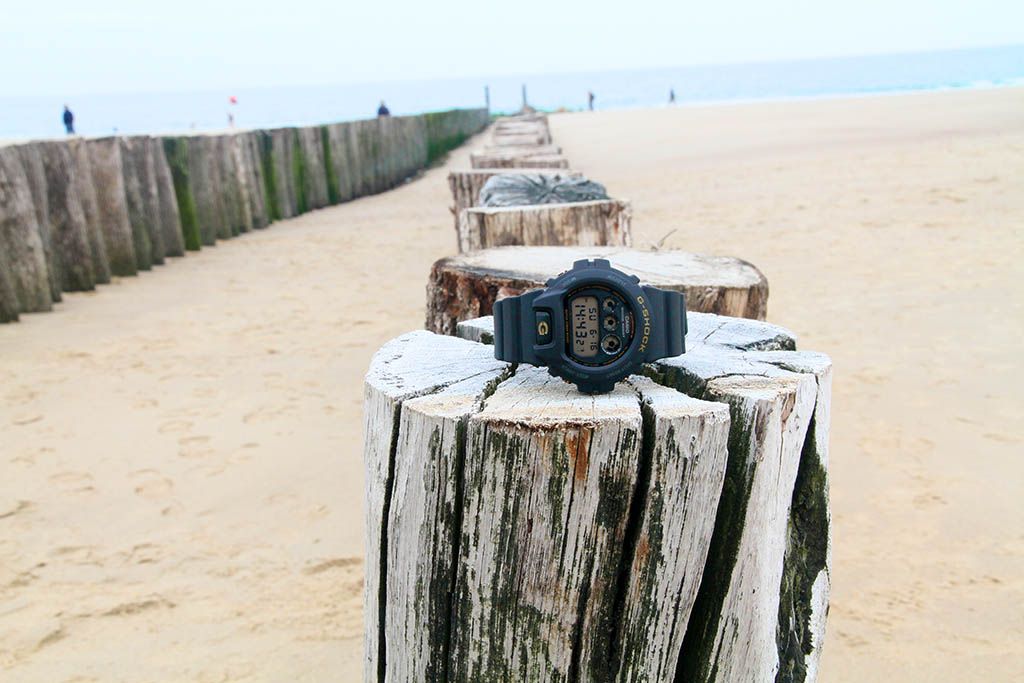
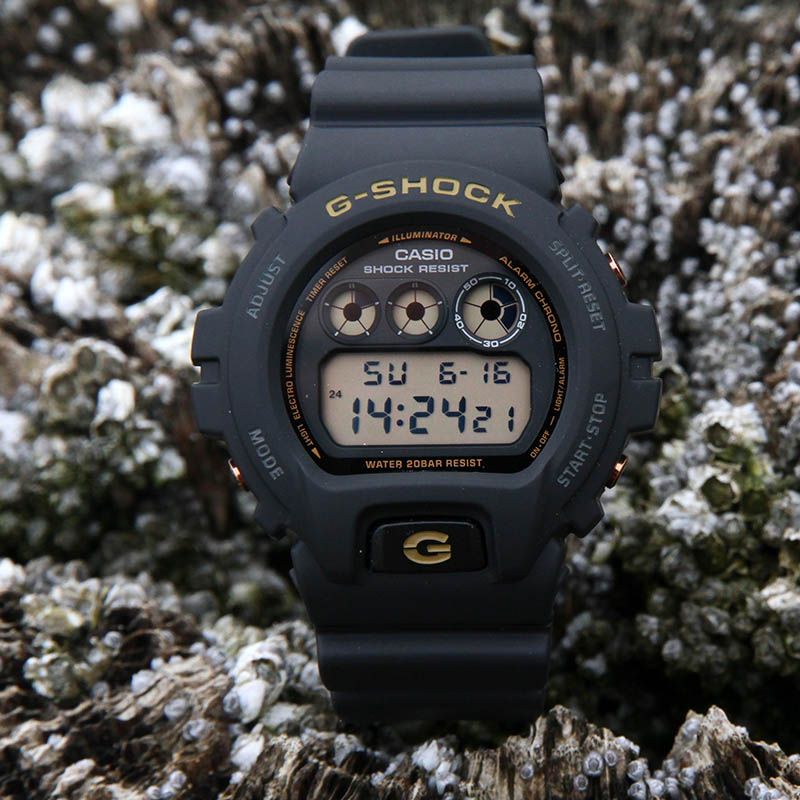
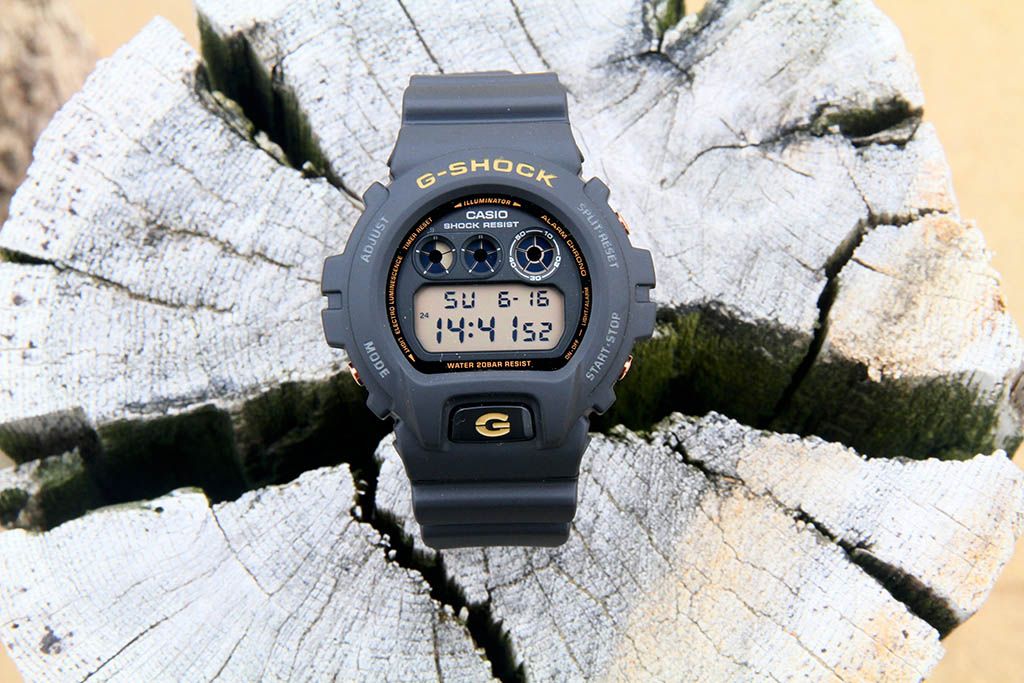
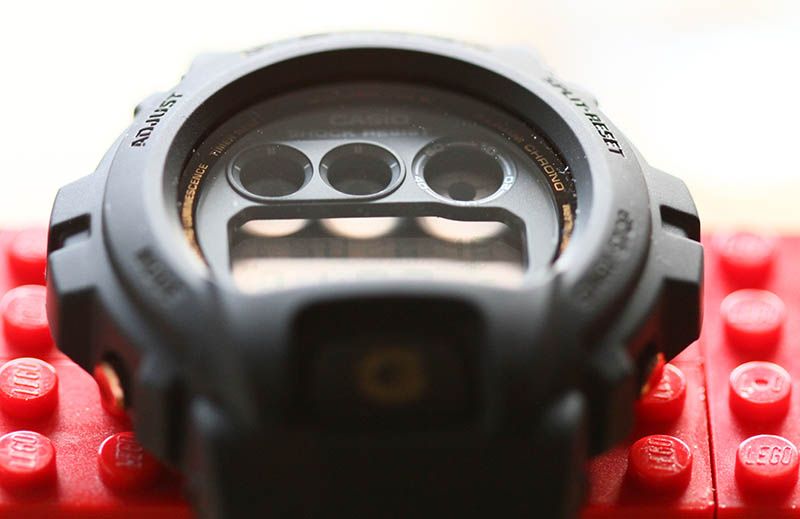
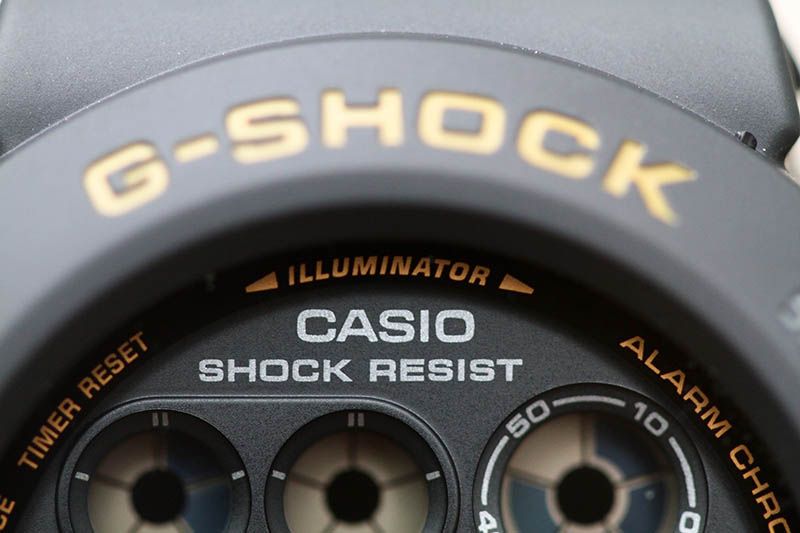
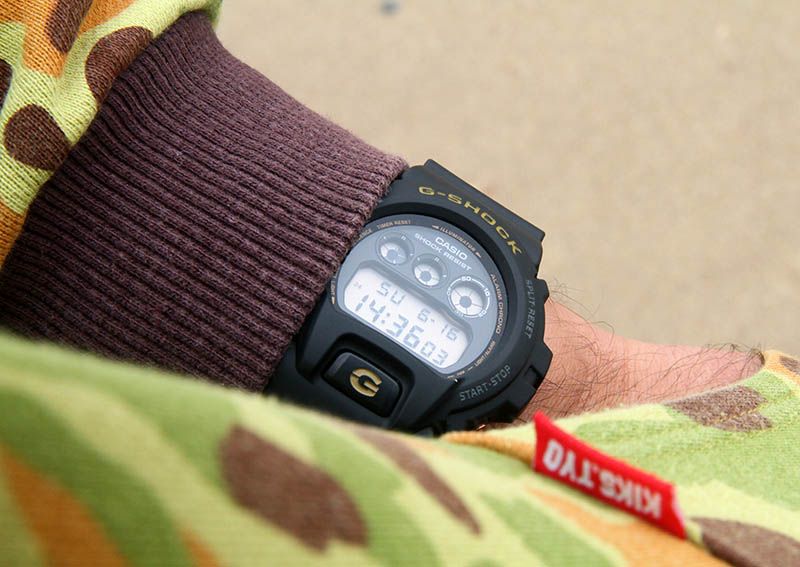
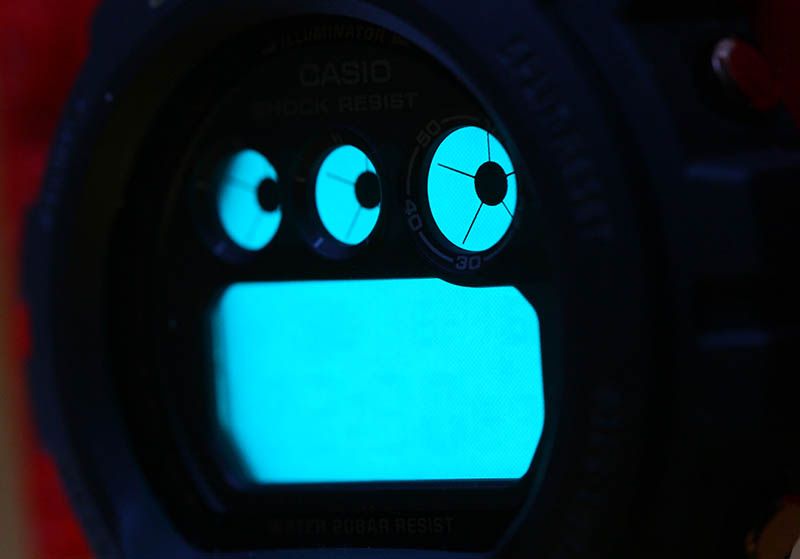
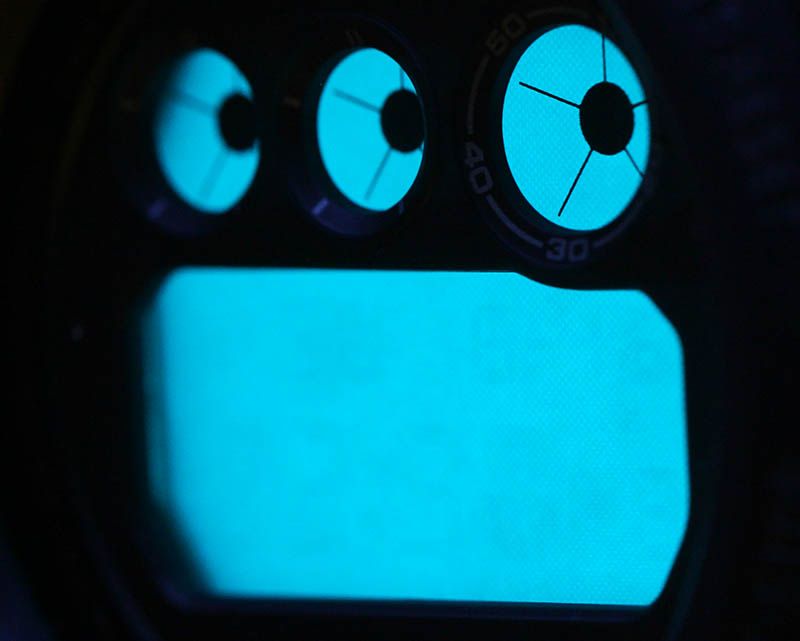
I had been waiting for these series for a long time. I had been fishing last year at several people at Casio if they knew anything of a 30th Anniversary DW-5000 model and all feedback I got was to look out around the celebration month, April 2013, the month G-Shock really exists 30 years. To my surprise, not just one, but three models were selected for this occasion in a series called Resist Black.
Of course the DW-5000C was honored with the DW-5030C-1JR Project Team “Tough” model, but Casio also honored two other iconic G-Shock models, the DW-5500C with the GW-5530C-1JR and the DW-6900 with the DW-6930C-1JR. Do you notice that Casio actually timed this Anniversary release perfectly, so these model numbers will end with the also iconic “C”, as found on the first classic screwback G-Shocks?
My part of this Resist Black trilogy is to highlight the DW-6930C. Casio carefully choose the models for this series well, although the GW-5530C might look as stranger in this ménage à trois. Still the original DW-5500C is one of the most sought after classic G-Shock and probably the first G-Shock that could be considered different from the classic square (DW-5000C) and round (DW-5400C) designs.
The DW-6900 model was introduced in May 1995 and soon became the popular base model for countless special series and collaboration models. Many new models had been introduced and gone again, but the DW-5600 (direct descendant of the first DW-5000C) and the DW-6900 have always been hugely popular.
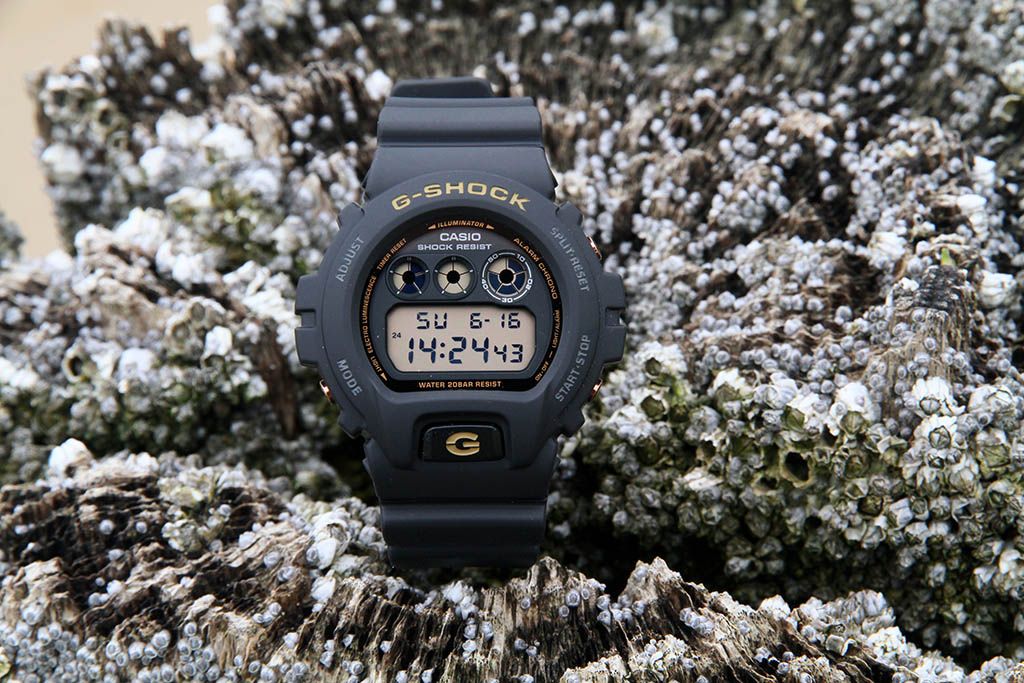
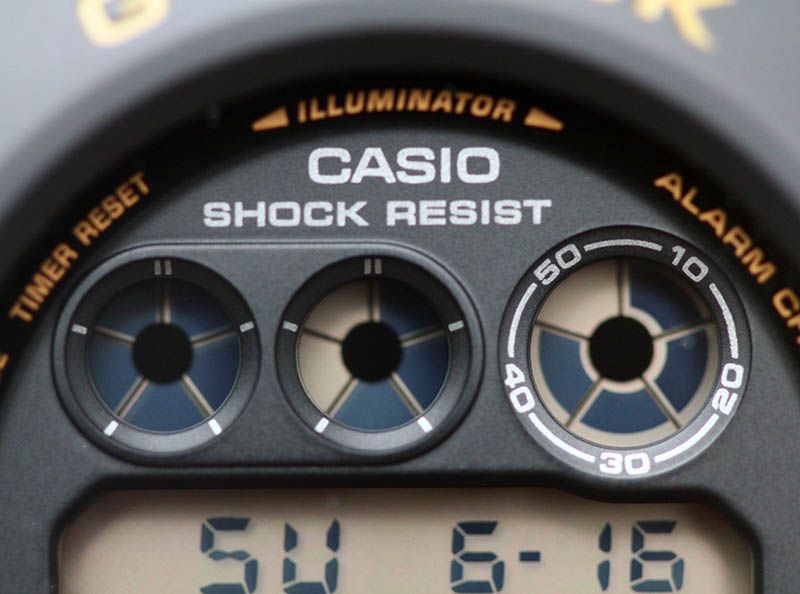
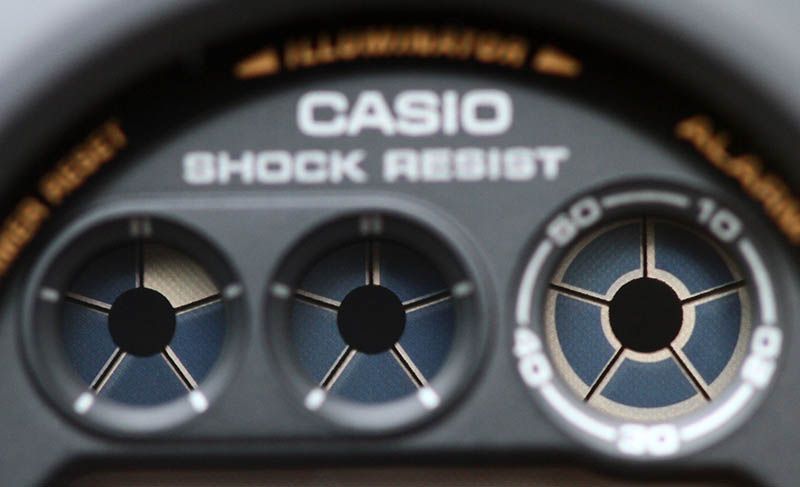
Although Casio has equipped the DW-6900 case with several modules, the simple “Three Eyed Devil” 1289 module has ever been the most popular version. If you are a bit new to G-Shock, you might look a bit surprised. The 1298 module? Yes, the 1289 module has been replaced in 2011 ago with the 3230 module. The DW-6900SN Mat Dial Series were the first models equipped with this module. From the outside the module looks exactly the same. The only difference is the internal calendar. The 1289 module had a calendar that stops in December 2039, the new 3230 module stops in December 2099.


Back in 1995 the DW-6900 was the second model equipped with Electro Luminescent backlight, after the other basic round model of the 90’s, the DW-6600. This EL backlight was called in Japan FOX FIRE, highly probably named after the jet fighter in the movie Firefox, which had a bright backlit cockpit. Opinions about whether the DW-6600 or the DW-6900 was the best basic model are widely divided, and depend most on personal preference. Although produced for a long time and used for quite time, the last official new DW-6600 model (actually a DW-6695D) was presented back in 1995. In the end it was the DW-6900 which became overwhelming adopted by many designers and seen mostly in street fashion.


The “Three Eyed Devil” was a nickname given to the DW-6900 models with the 1289 modules on one or more big Japanese fan websites. As I thought it was a very proper name to describe these models, I pretty soon adapted this name and from time to time I still refer to these models by this name. Unfortunately, it has been more than 10 years ago I found this and these websites are probably all gone for many years. I might be the only one trying to keep this nickname alive after many years.


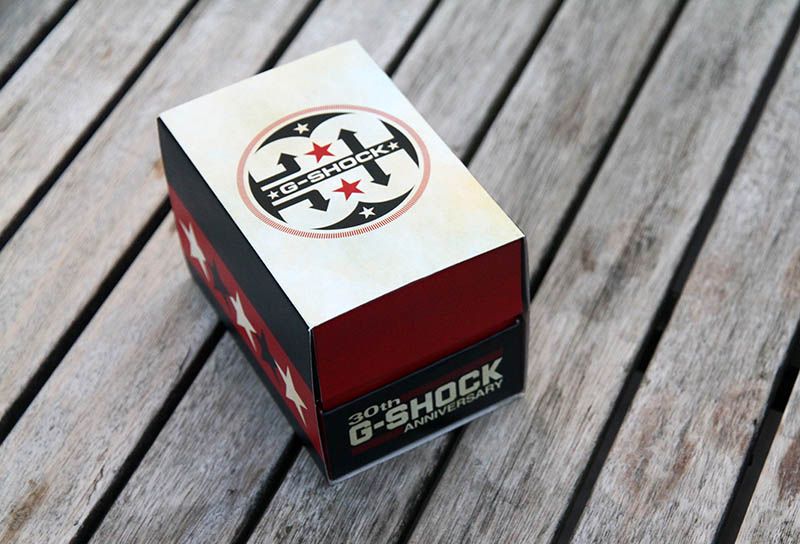
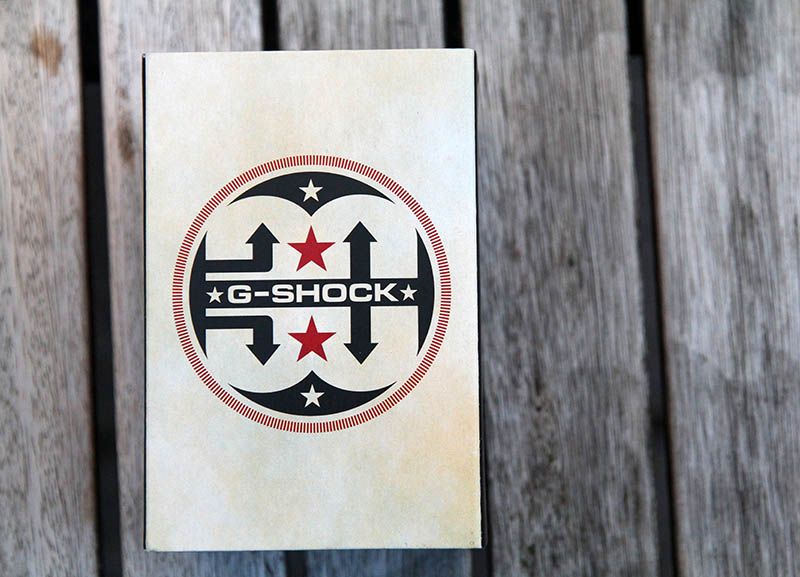
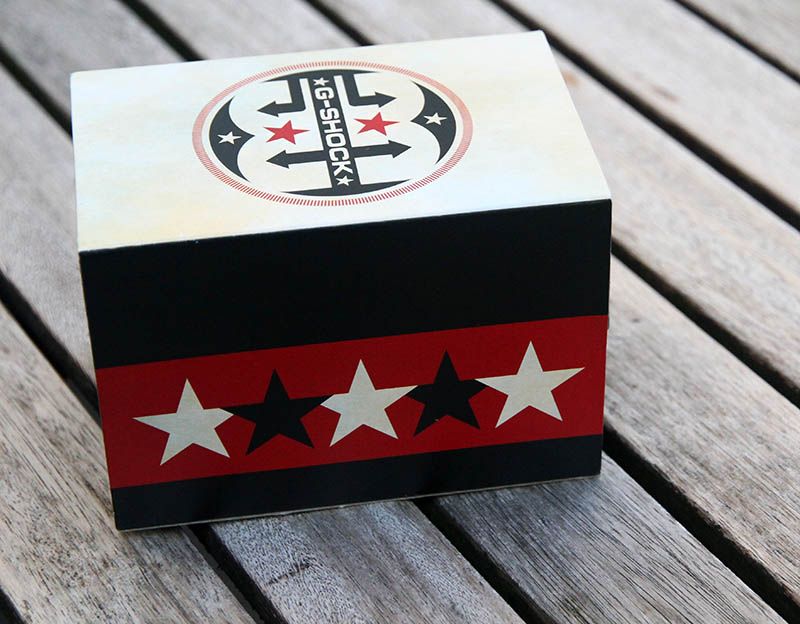
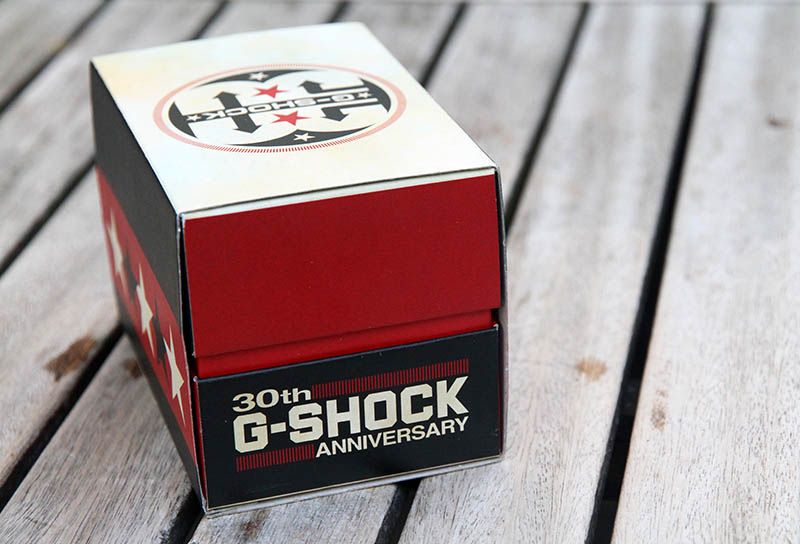
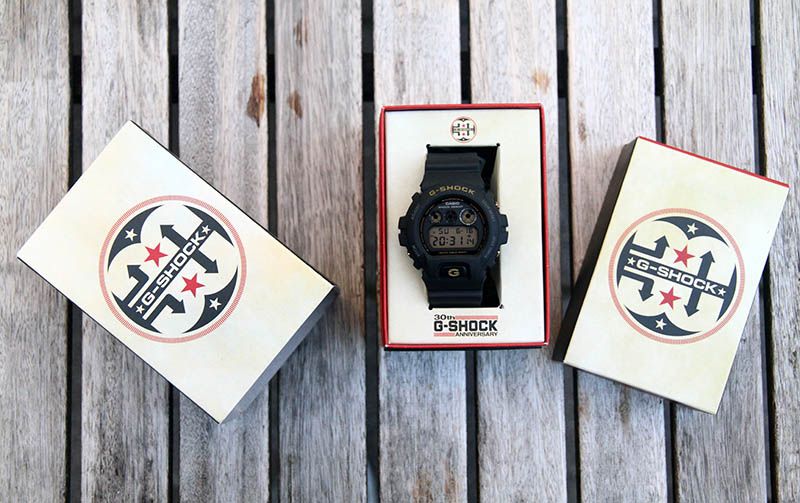
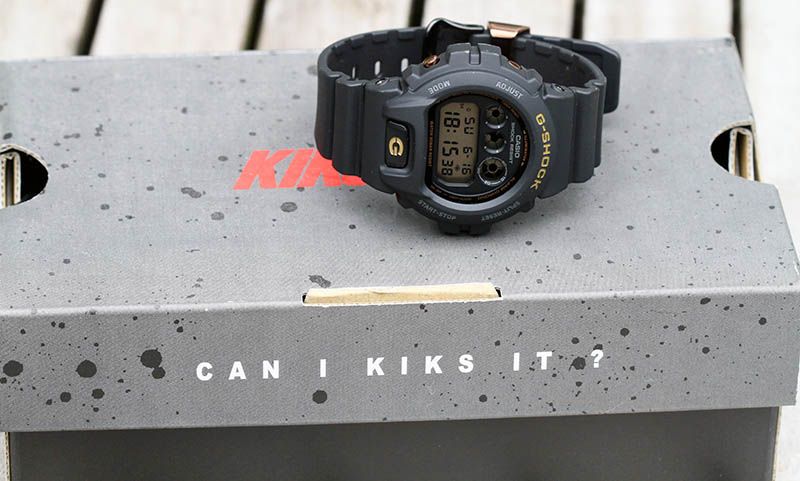
So, here it is, the special 30th Anniversary model DW-6930C, to commemorate that this model has been an iconic G-Shock for 18 years. The watch comes in a special box designed by G-Shock’s house designer Eric Haze. To give you that special feel, the usual hard white of Eric Haze has been replaced by an aged hue. It makes the box look like it has been there for 30 years already. A very nice idea. Also the box is quite different from other cardboard boxed by Casio. I pretty much like this design, which is also probably more environment friendly too. I would like to see more of these cardboard boxes instead of the oversized tins you get with your G-Shock sometimes. Probably more a collectors point of view, as these smaller boxes are easier to store.


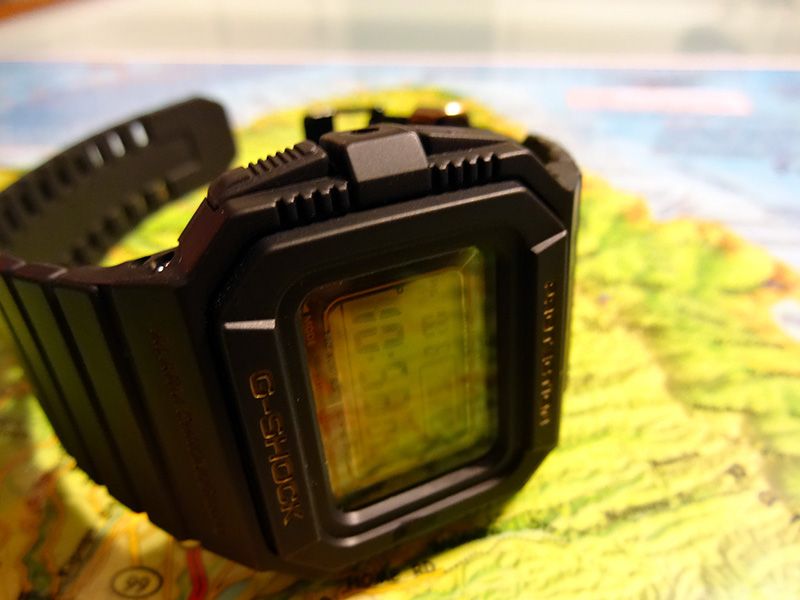
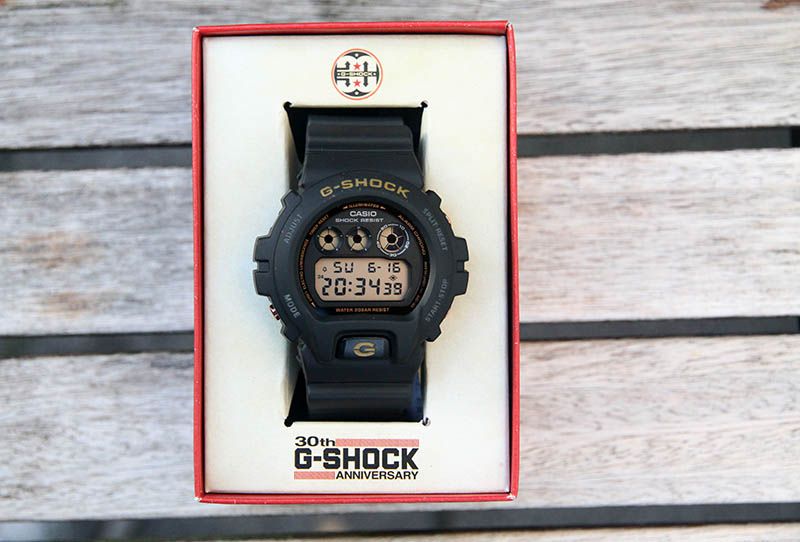
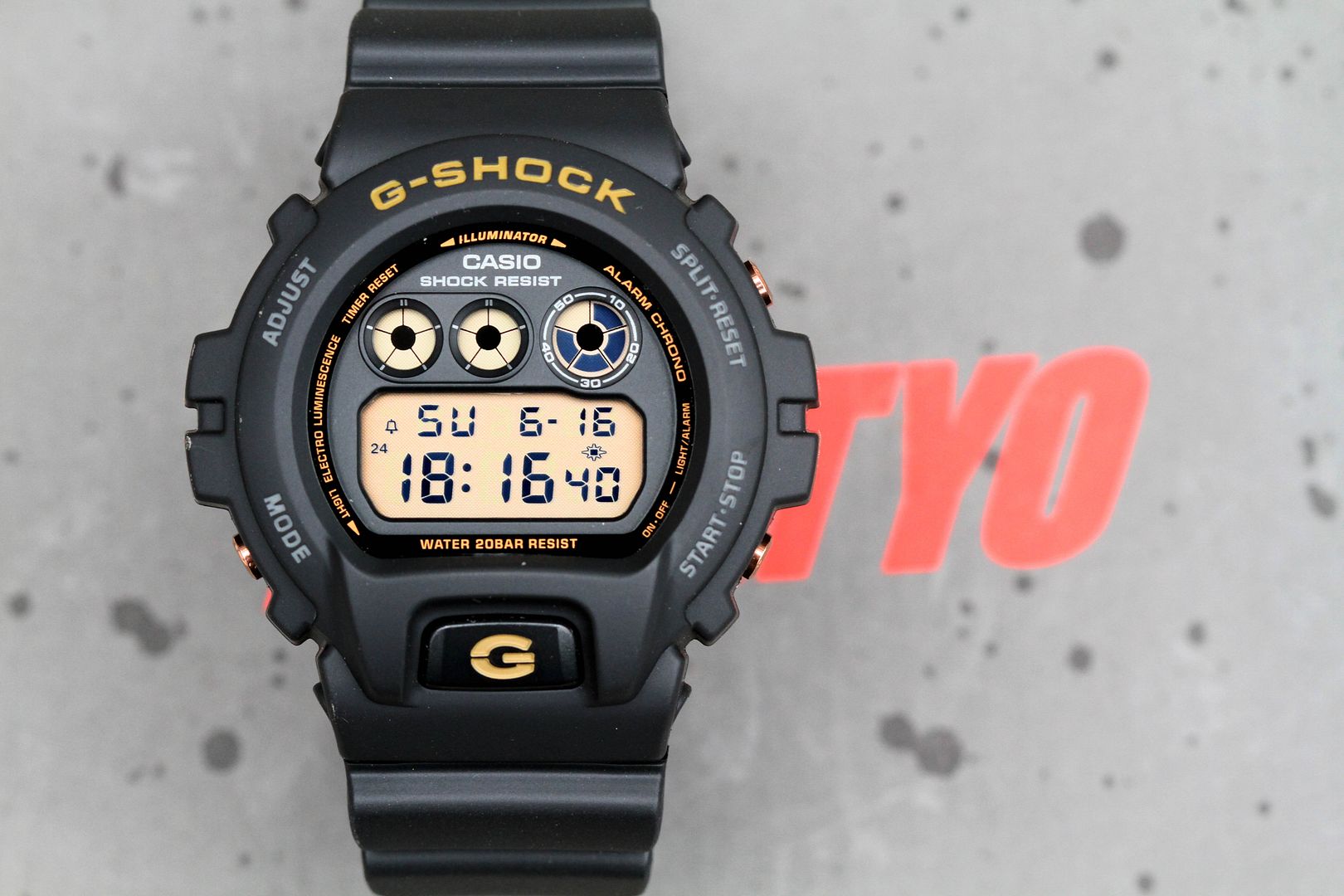
I own all three models of this series. Frankly, I was at first somewhat disappointed at the design of this DW-6930C. The DW-5030C was unique with the Project Team “Tough” print and the screwback, the GW-5530C is only the 6th GW-5500 model released so far and looks very nice with the gold lettering and display. In the box the DW-6930C looked to me like what I expect to see if I got a DW-6900B-9 in my hands, the “gold” version of the basic DW-6900. As you might know, Casio often produces a “silver” and a “gold” version of a basic model. A “silver” model has the usual basic look, black resin, a gray display, G-Shock in red and the rest of the lettering mostly in white, some in blue. A “gold” version has also black resin, but the lettering is mostly in yellow and the display has a gold or amber taint. While “silver” versions are mostly popular in the US and Europe, the “gold” versions are more popular in Asia. Sometimes the “gold” versions were also sold in Europe and the US, but then in about 10% of the number of “silver” versions.


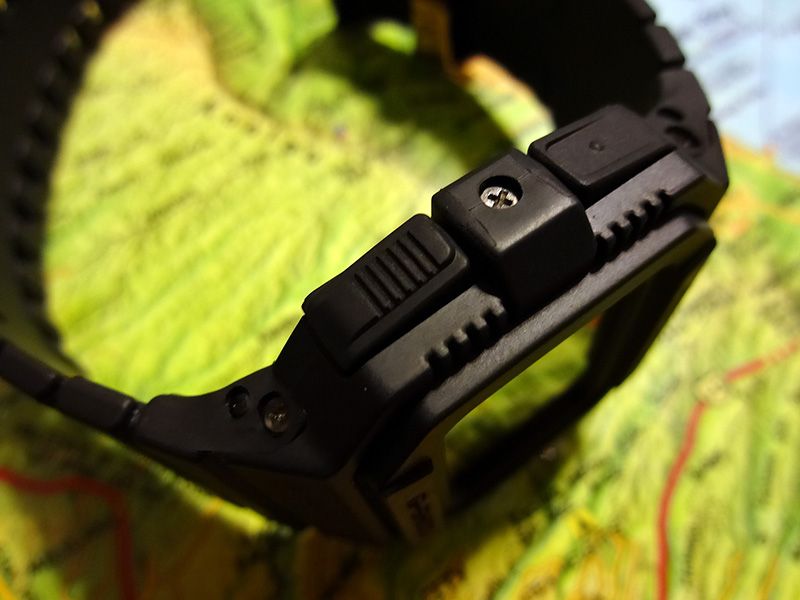
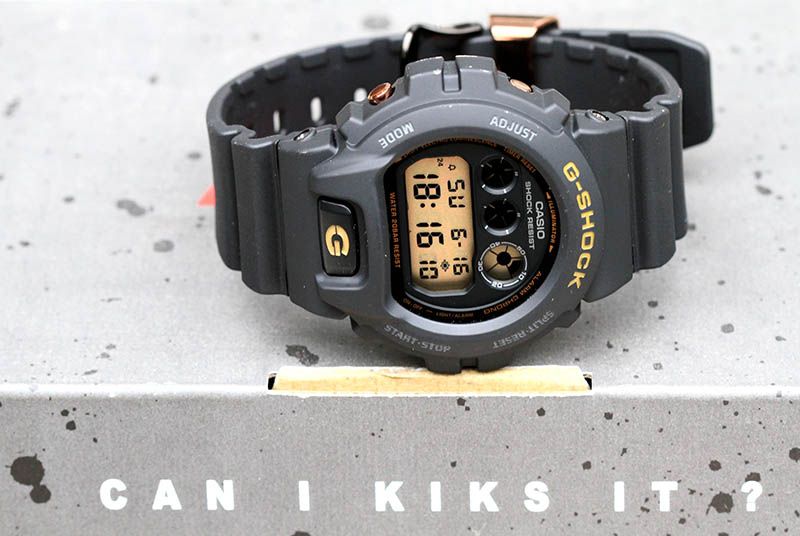
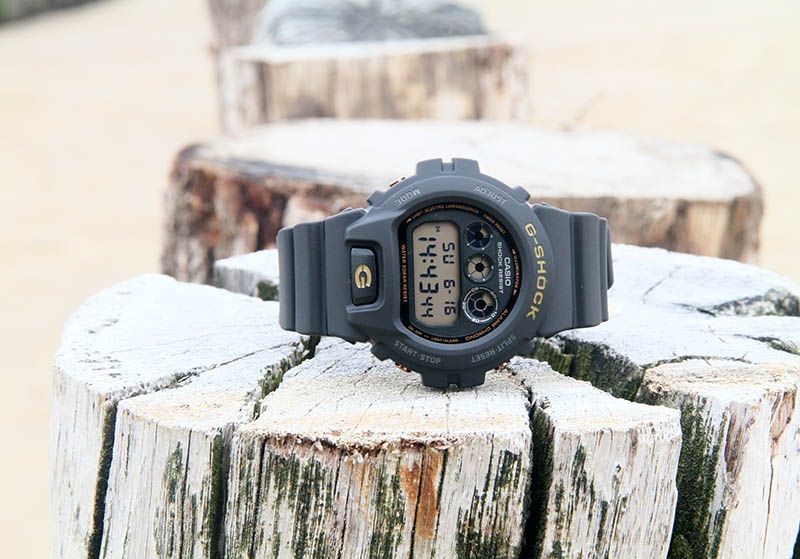
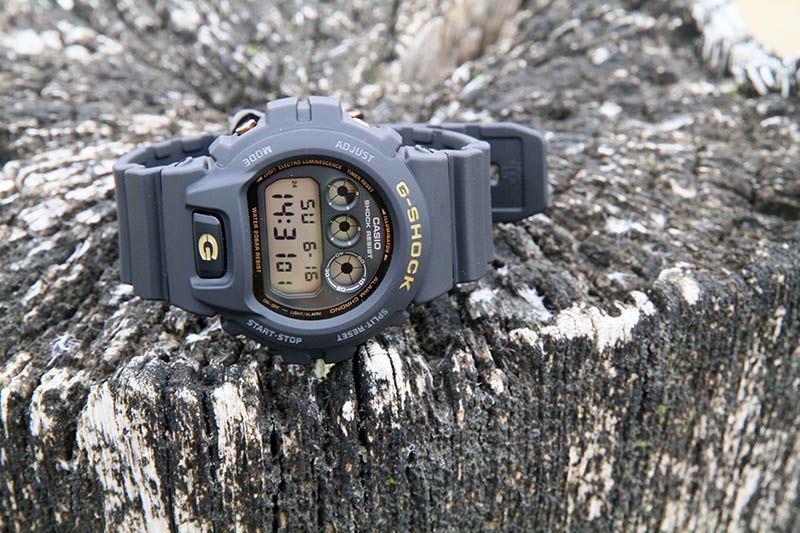
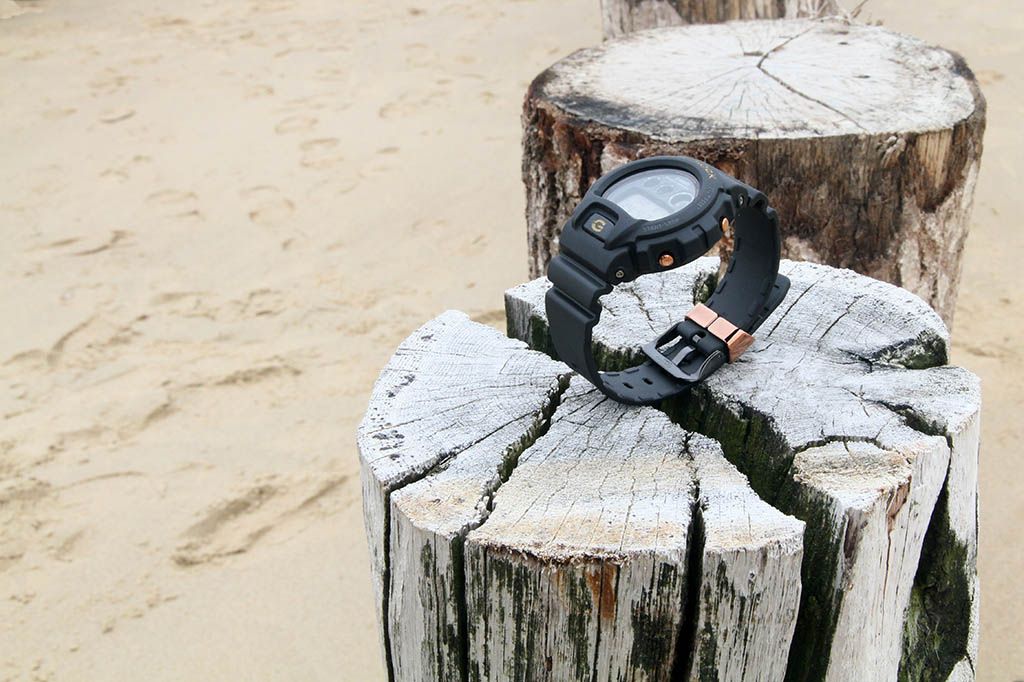
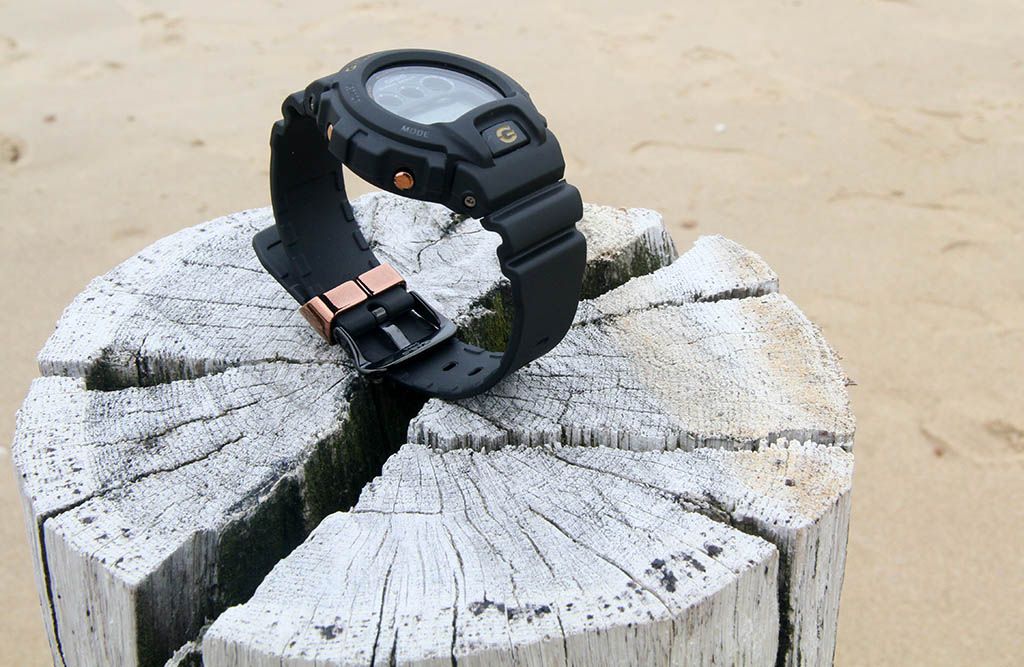
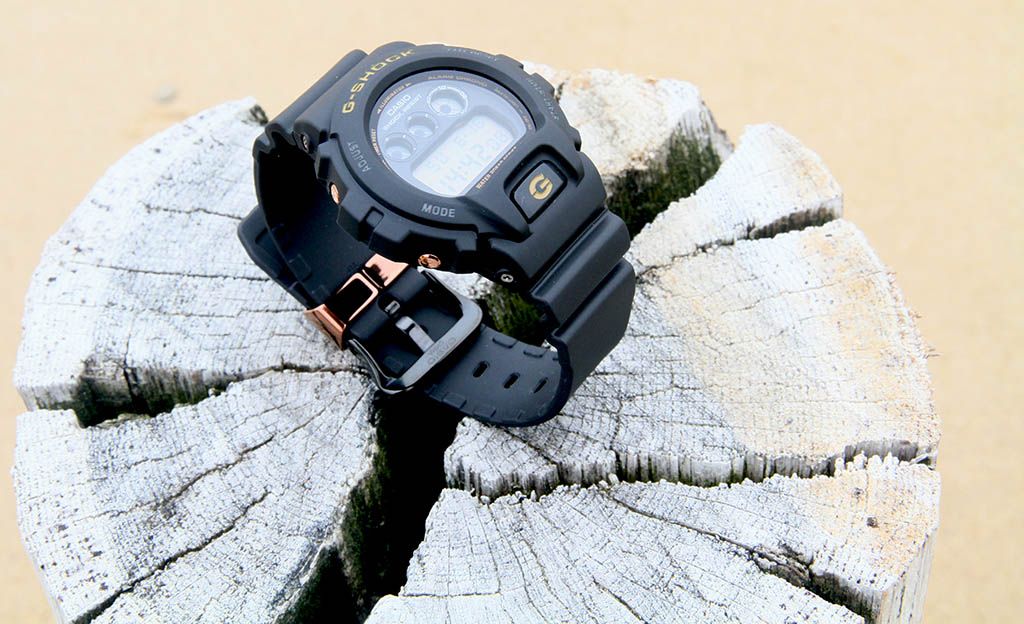
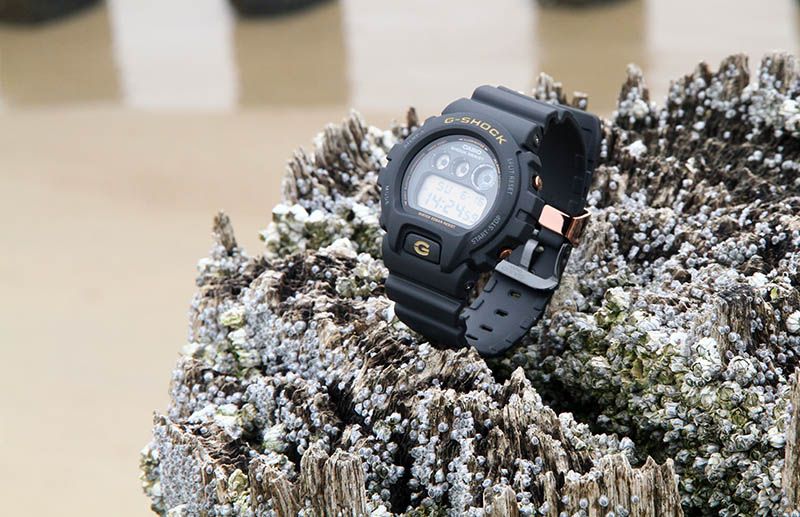
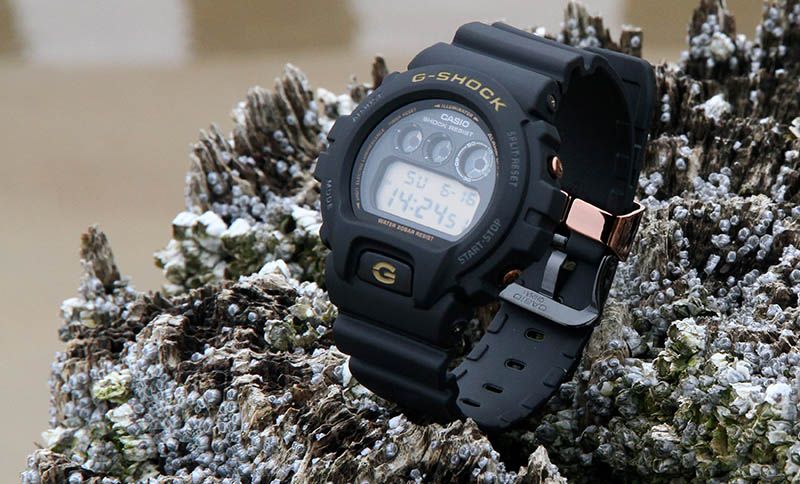
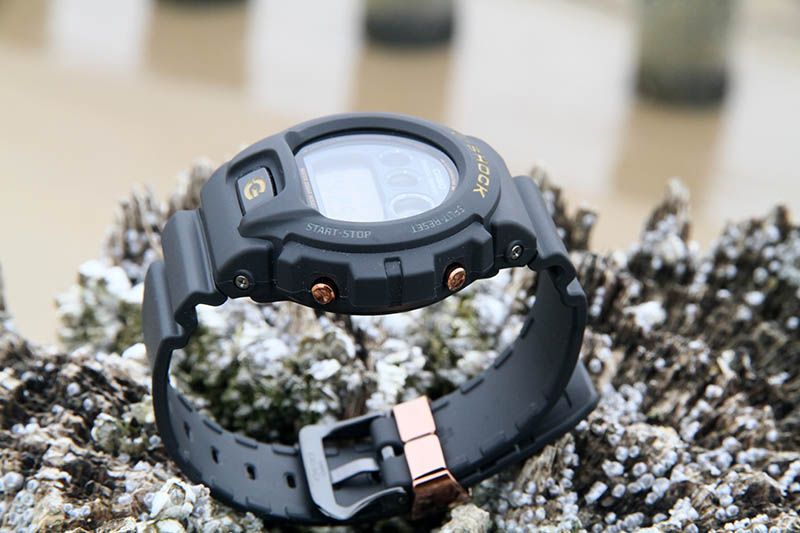
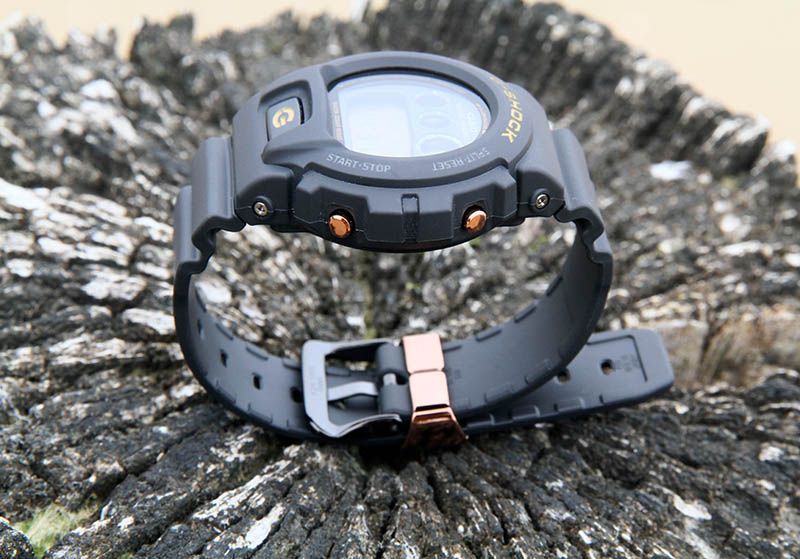
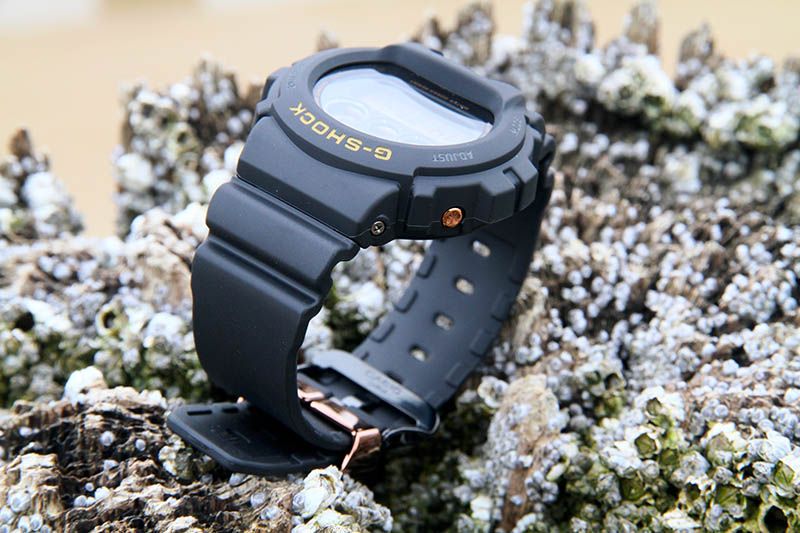
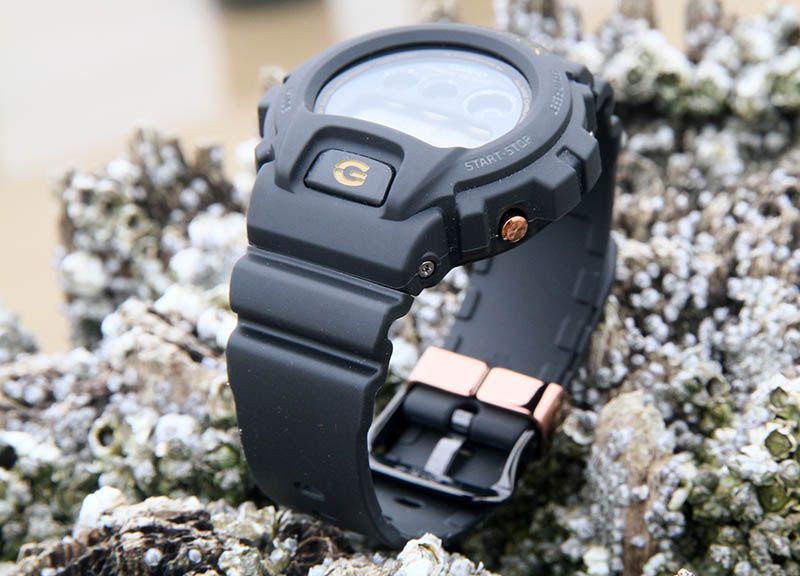
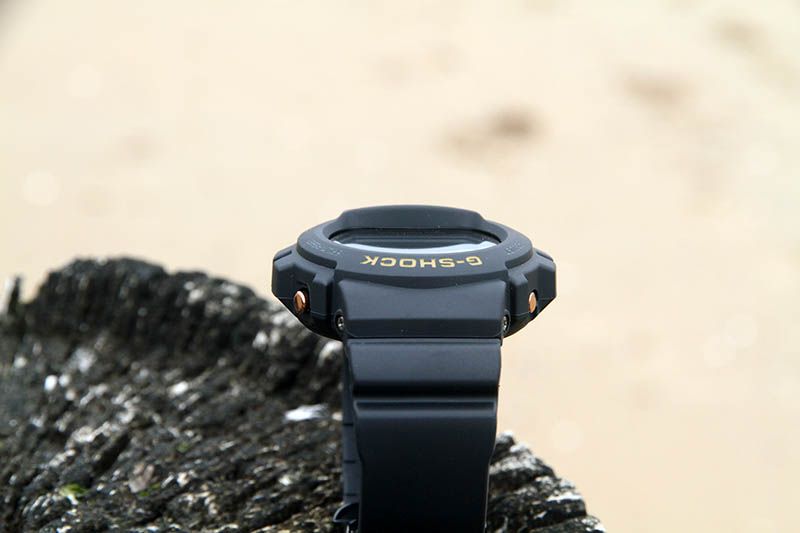
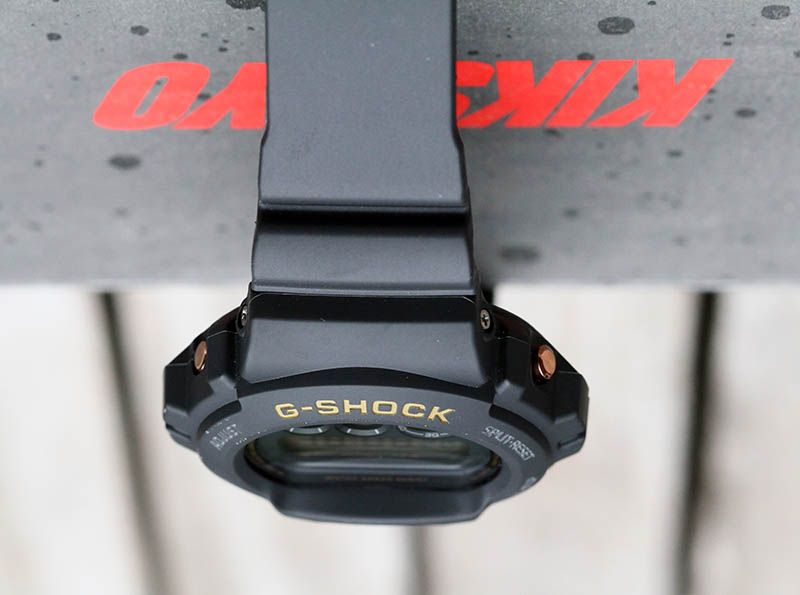
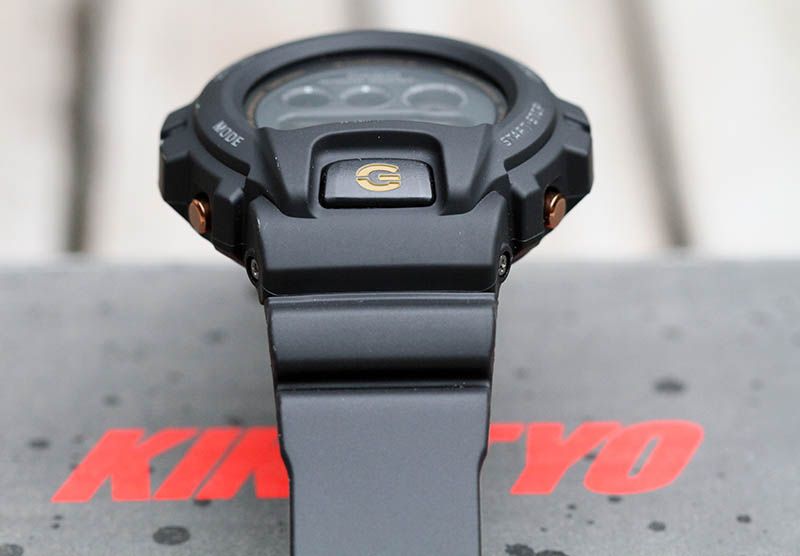
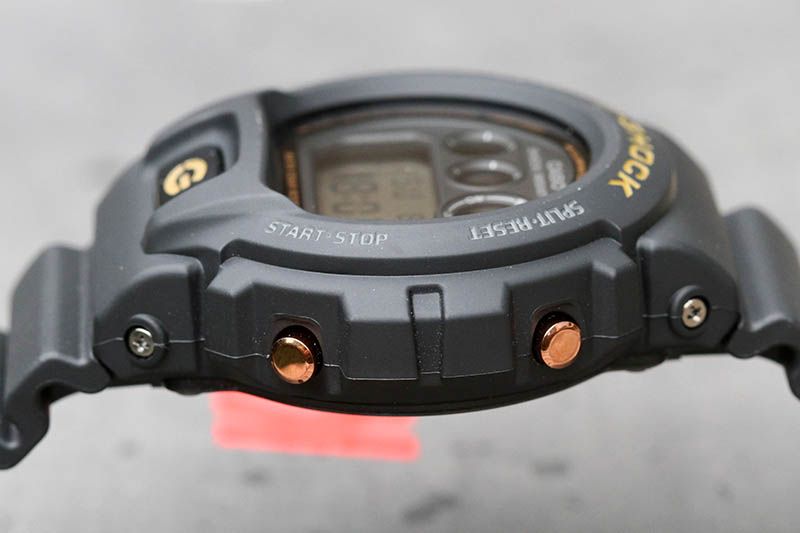
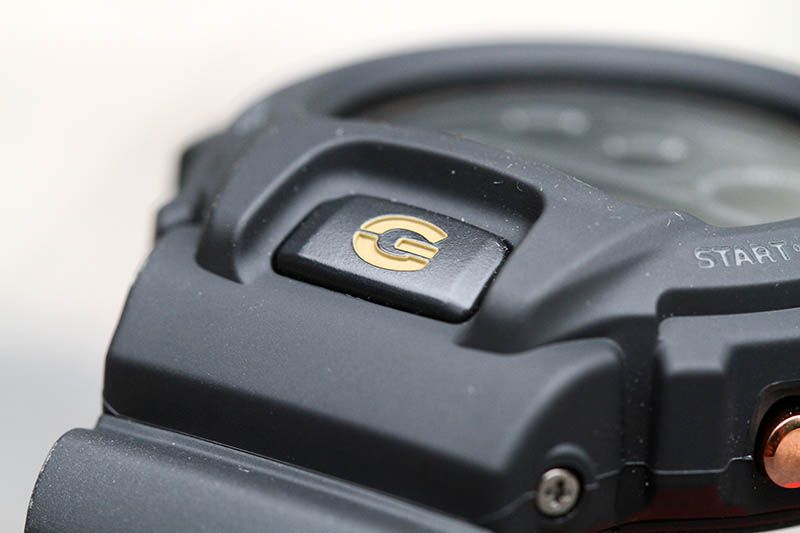
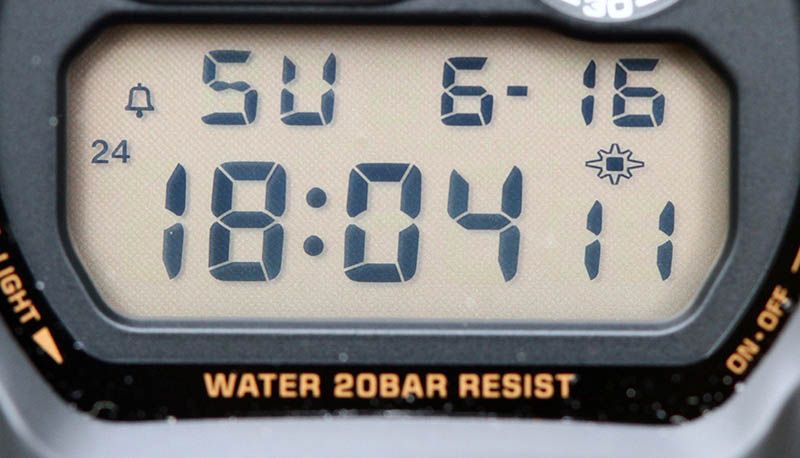
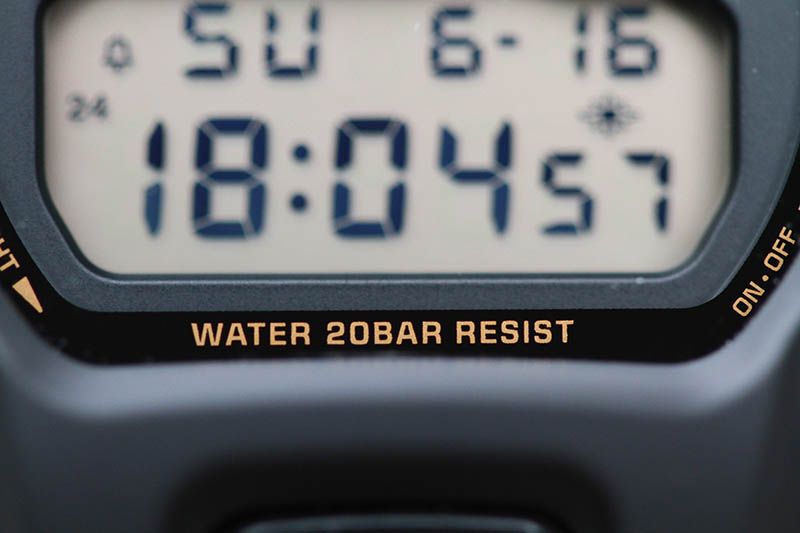
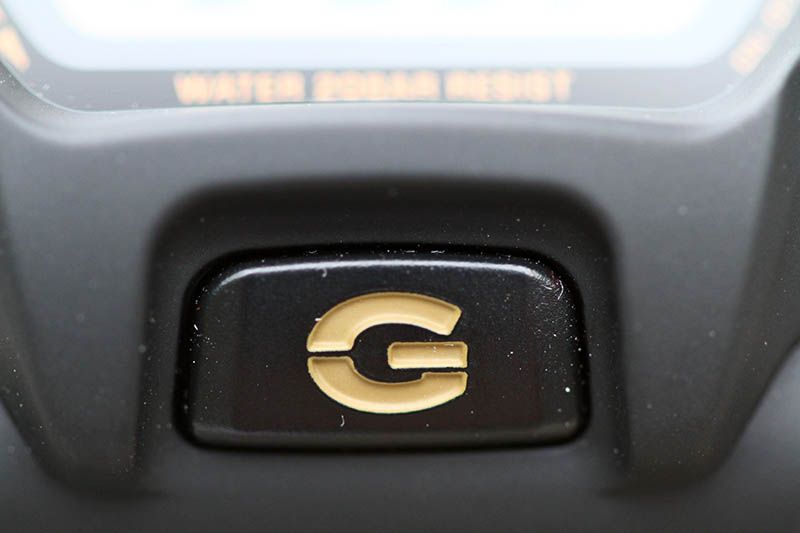
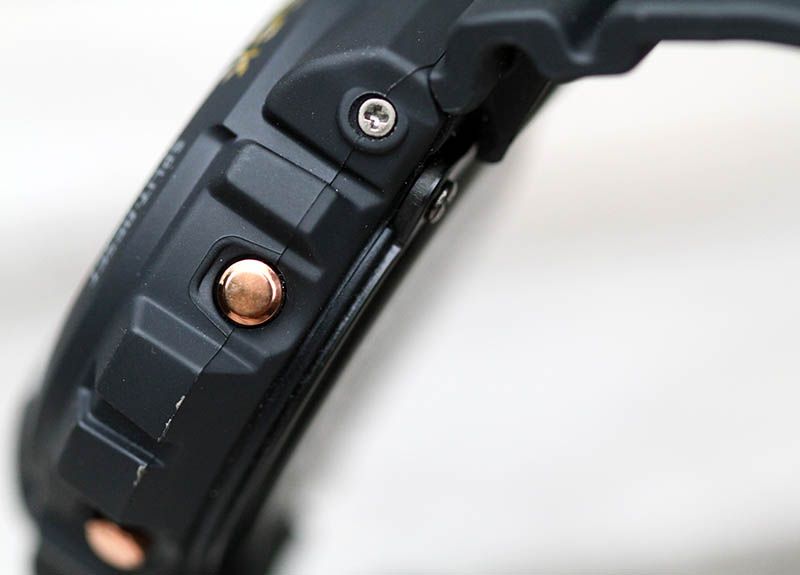
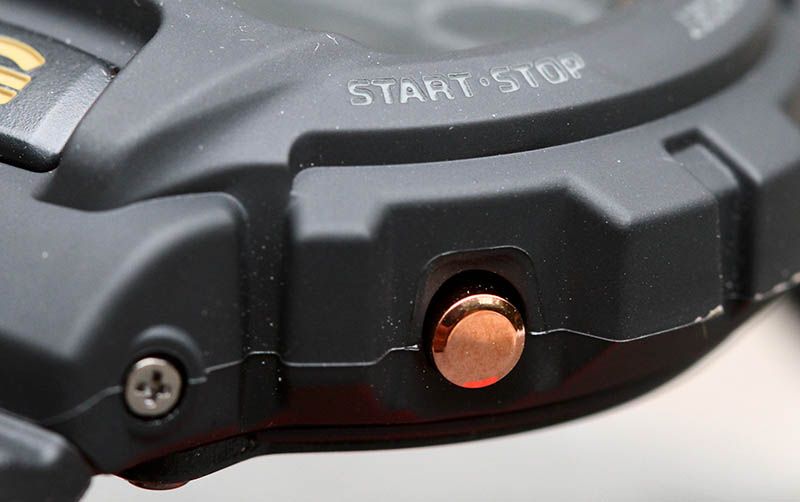
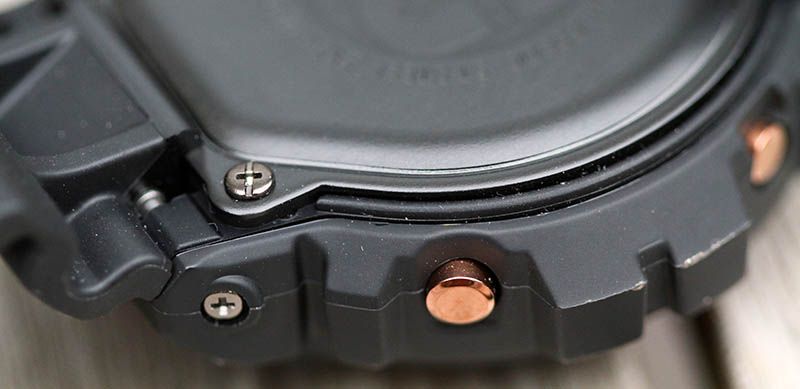
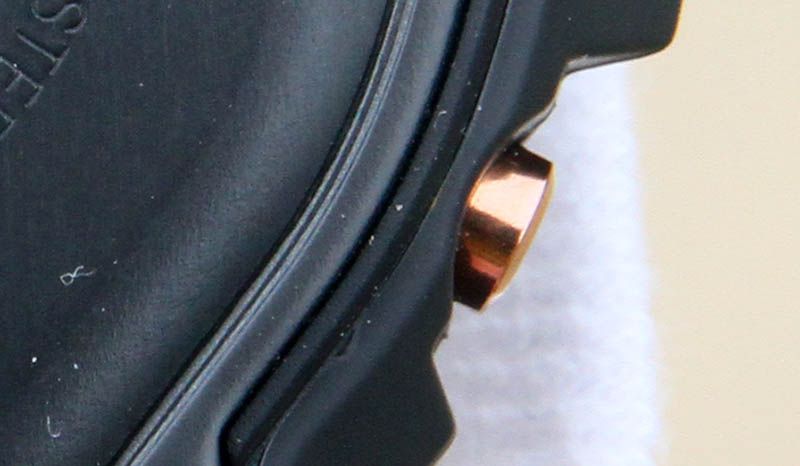
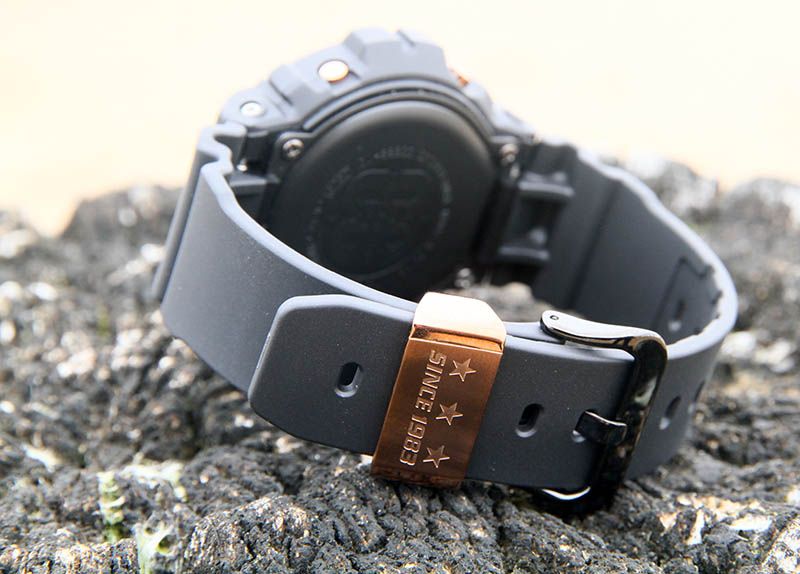
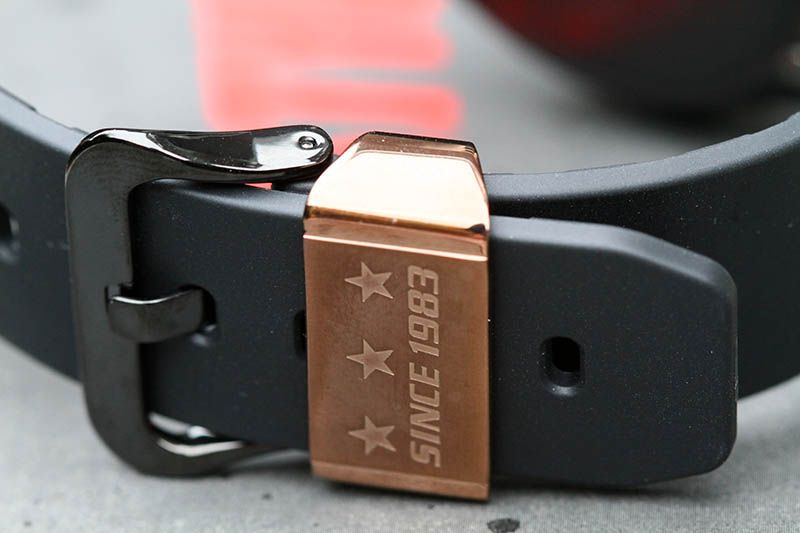
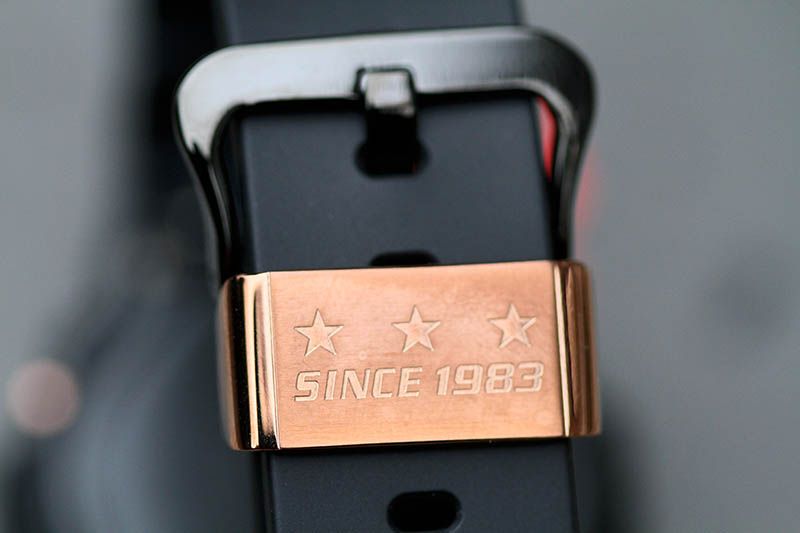
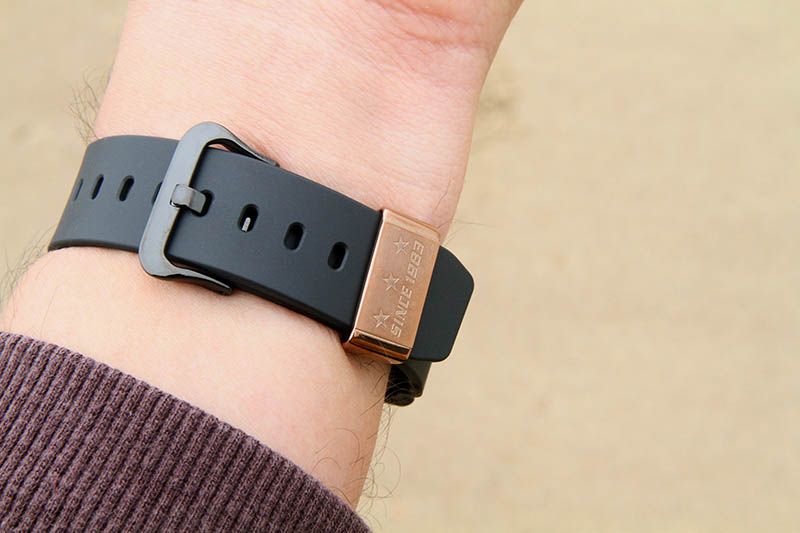
When I started the idea about writing this article, I was still somewhat disappointed at the look of the watch, but then I took it out of the box to the beach for some photo’s. It’s not really the display that catch your immediate attention. We have seen DW-6900’s before many times. It are the bronze details that make the difference. Of course the bronze metal keeper is an eye catcher. It shows three starts, each of every 10 years, and “Since 1983”, referring to the birth year of G-Shock. Metal keepers are not really new. We saw them on the 2003 20th Anniversary models, as the DW-5000ML, reviewed here recently and also an I.C.E.R.C. release in the ‘90s had great ones. As strap keepers are actually the first thing that break off a G-Shocks (normally after many, many years of use though), I would like to see these metal keepers more often on G-Shocks. The buttons of this watch are also finished in bronze metal. It’s a pity the bezel screws were not in black or bronze, specially if you see that the buckle and backplate screws are also in black. The watch has very clear amber display. The colors scheme of this watch has been chosen this way to make the watch look like an old vintage model.


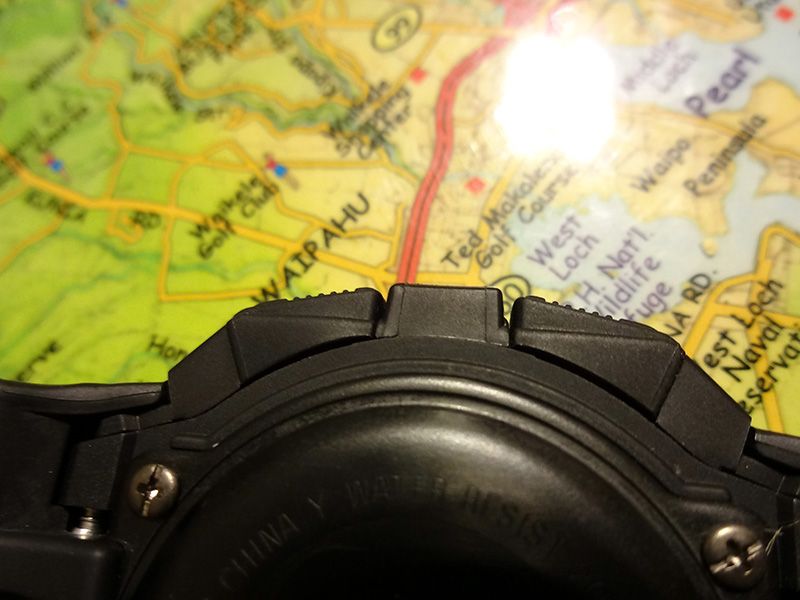
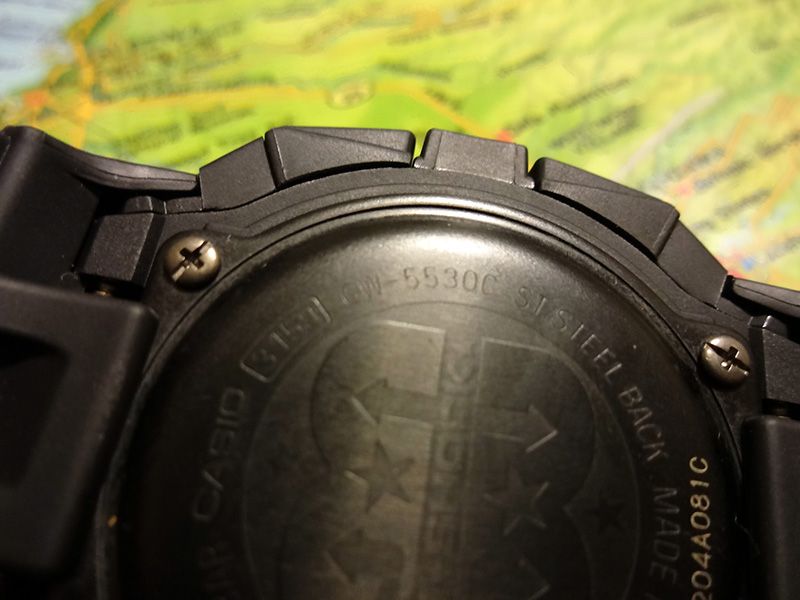
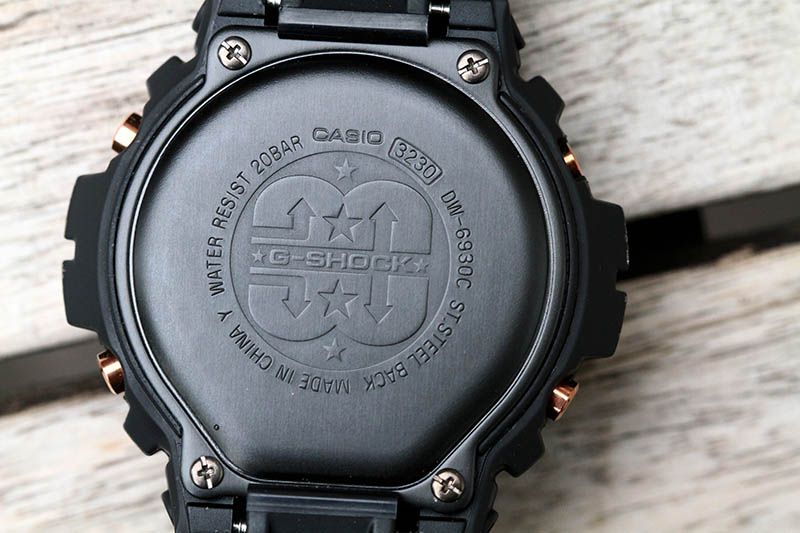
A place you normally not see on a wristwatch is the back. The backplate of this watch is very beautifully black coated. I can’t find which technique is used, but I think it’s a durable IP coating. Instead of a basic G-Shock logo, the 30th Anniversary logo is etched on it.
In the end, the watch grew on my. Somehow I would have like it if there was some sore of reference to the 30th Anniversary, like the Project Team “Tough” text on the DW-5030C, but the bronze details look pretty nice in daylight and actually does the whole watch look good.
As I wasn’t for sure what would be released outside Japan, I ordered the complete set in Japan from
Katsu higuchi-san at Higuchi-Inc. Like
Seiya Japan,
Katsu Higuchi-san provides great service and fast shipping. Now it seems the GW-5530C-1JR was a JP only release, while the DW-5030C and the DW-6930C are now released also in Europe and the US as “Vintage Colorway Timepieces”. The retail prices for this model are ¥15000,$130 and €129, which are usual prices for special editions like these.