 I already had a DW-003 with BPM-counter as one of my first Gs. It was more a gadget watch than an accurate tool. It had an accuracy of 5 BPM, which is pretty much useless for any DJ or musician.
 The function is actually a nice show-off gadget. I wore it at " I Love Techno 2000". I impressed quite some people with those "accurate" BPM's on that DW-003.
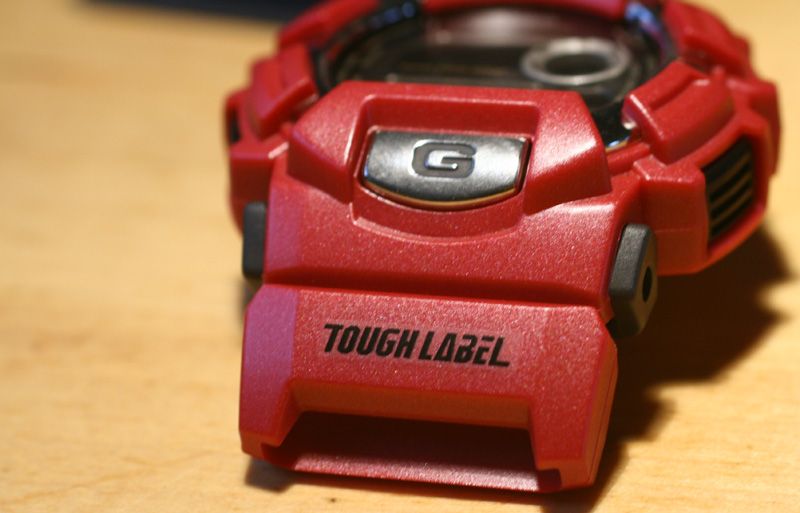
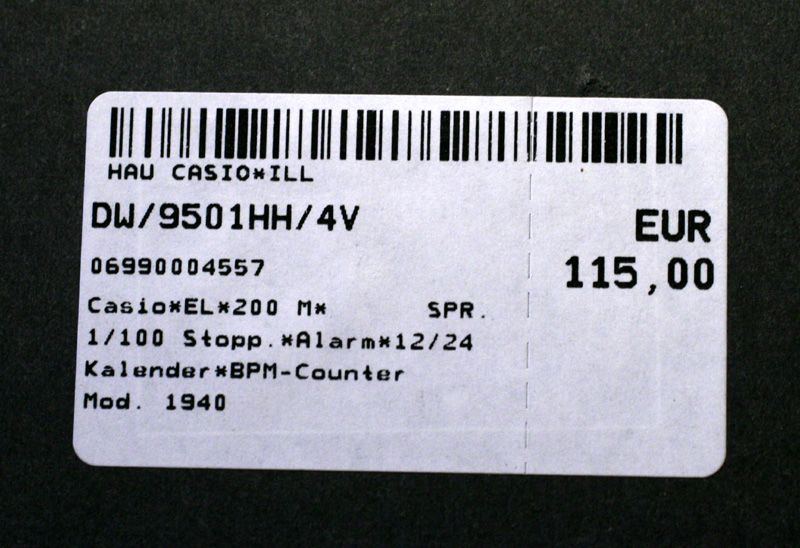 I think Casio realized that BPM-counters need to be more accurate. The DW-9501HH Toughlabel Beat & BPM models were released in February 1999 (the Japanese versions were released as DW-9500HH models in November 1998 in the same colours). They are equipped with BPM counters with an accuracy of 1 BPM. Now, that's where I can live with. A trained finger has an accuracy of about +/- 2 BPM.
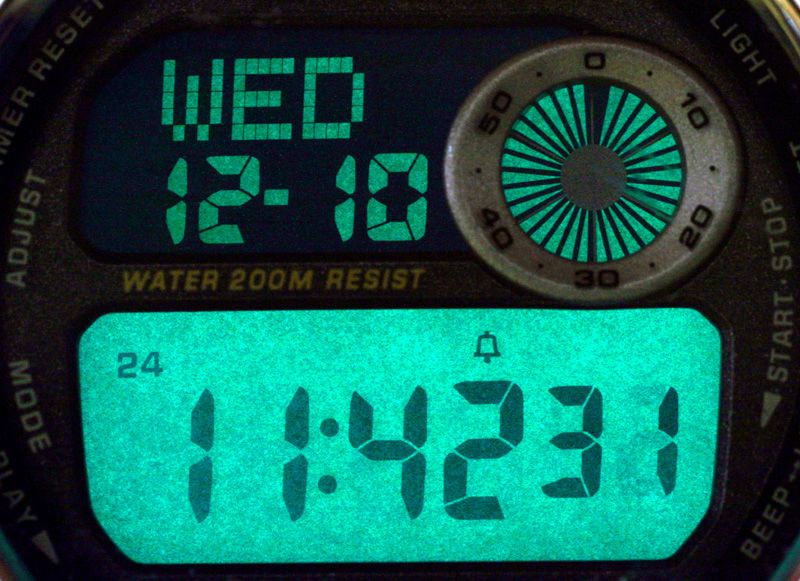
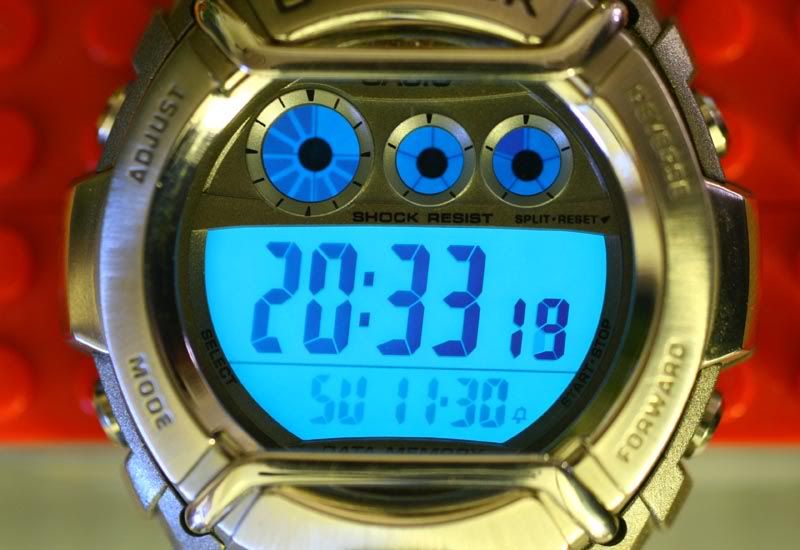
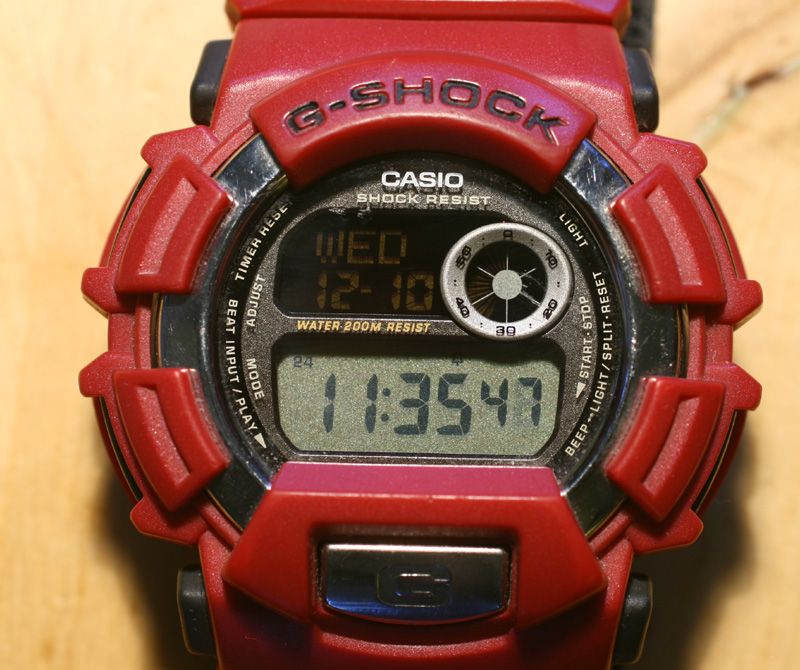
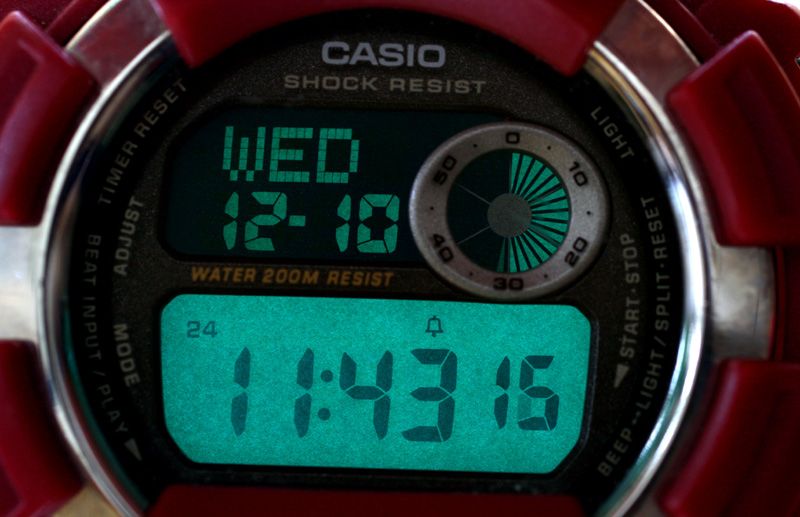
 I think the look of the display is very cool. The upper display is negative and the eye is divided in 30 small segments. It looks real nice when the EL is activated. It gives nice animations in different modes too.
 My favourite model is called "Glowing Fan". There was always one hanging around in the studio (way before you had virtual mixers that even sync and start your next record automatically). I was fond of using breakeats or filtered Disco in my music. If I had good loops in my sampler or computer, I needed to know the rhythm pace, so I could sync it with the sequencer or time-stretch it to fit a song's pace tempo.
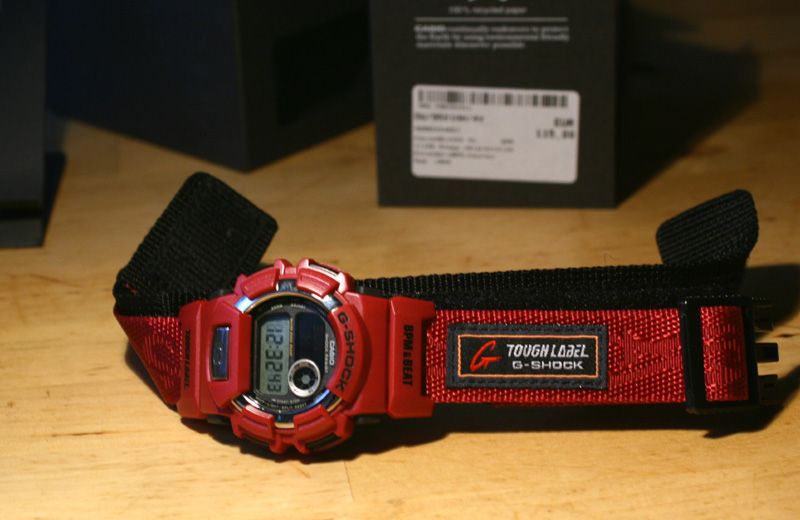
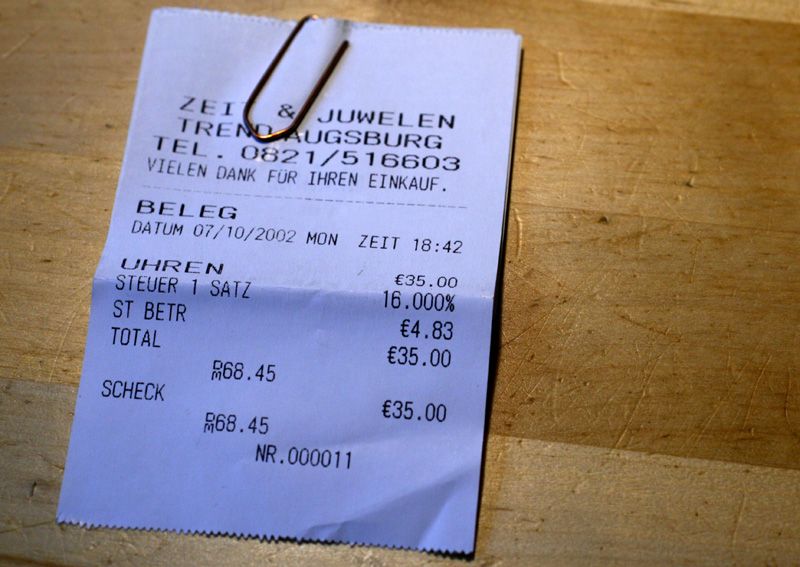 I actually have three of the, because I was very fond of the color and they were pretty easy to find around 2002. In the box of this new one I found the receipt. It says €35.- for the watch, inclusive shipping from Augsburg, Germany. I see I bought it of my good friend Peter Porschen. I was one of his good customers in those days.
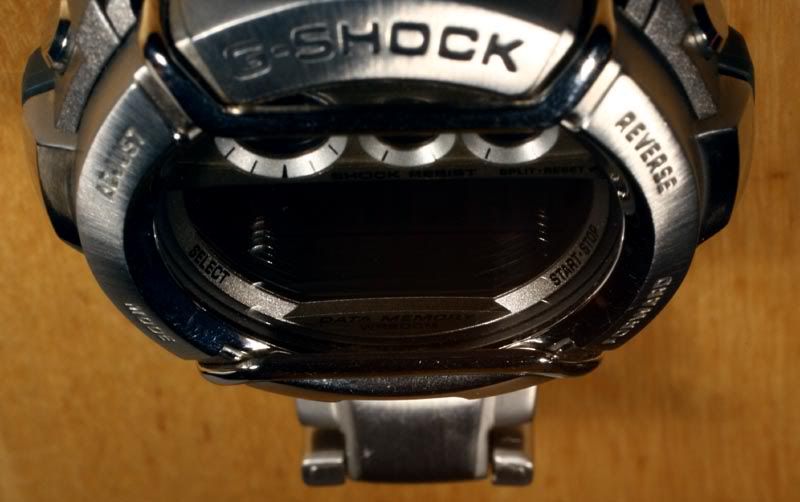
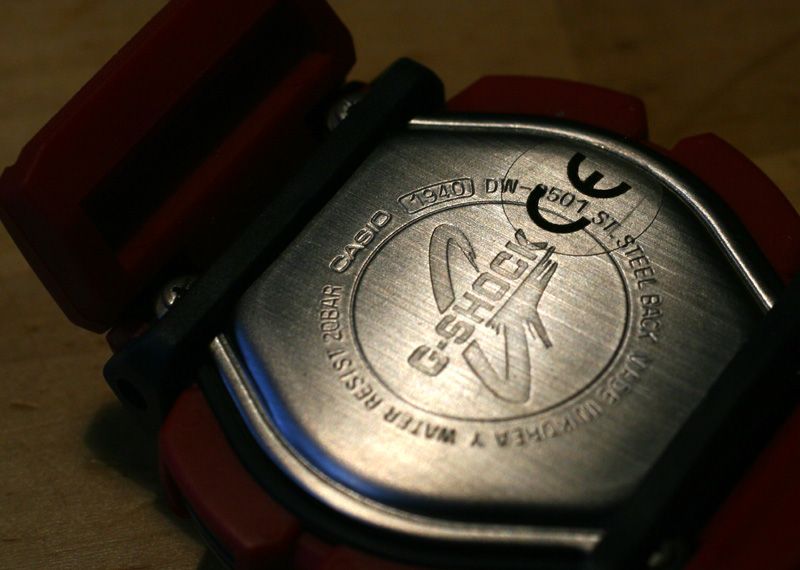
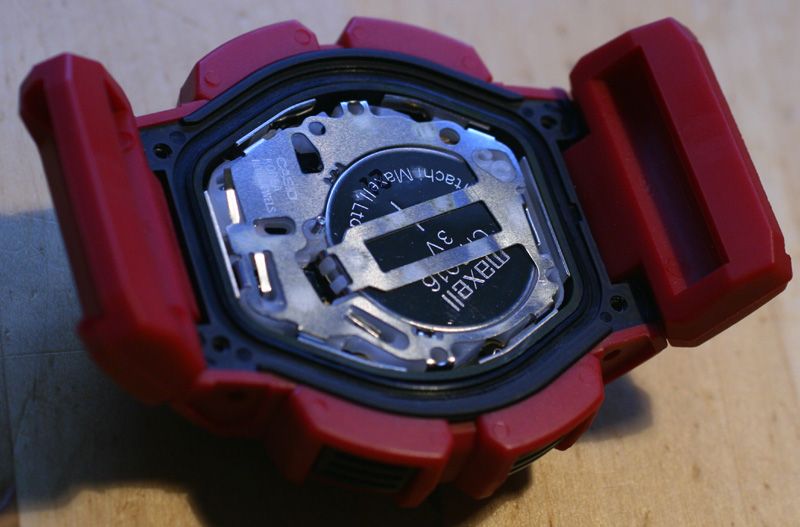 This watch needed a new battery. No surprise after 6 years. A good occasion to have a closer look inside the guts of this G.
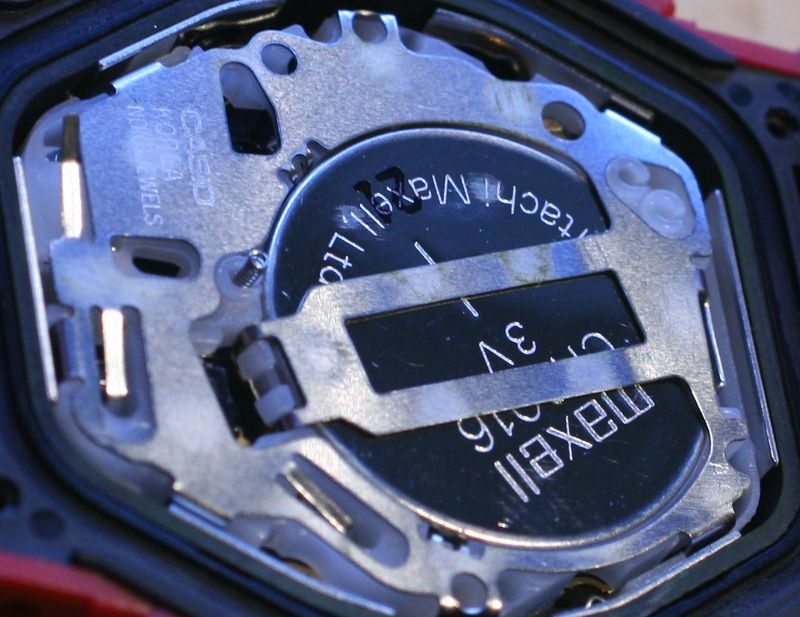 As you can see, the module looks very basic like the DW-004 and DW-9000 models. It uses the most common type battery Casio uses on non-solar G-Shocks, the CR2016. I use Maxell batteries. I buy those in bulk. Mostly 50 at a time.
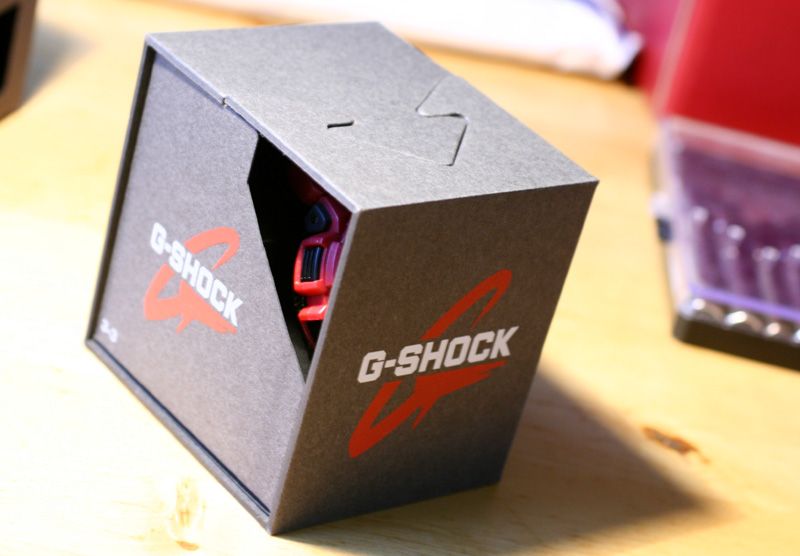
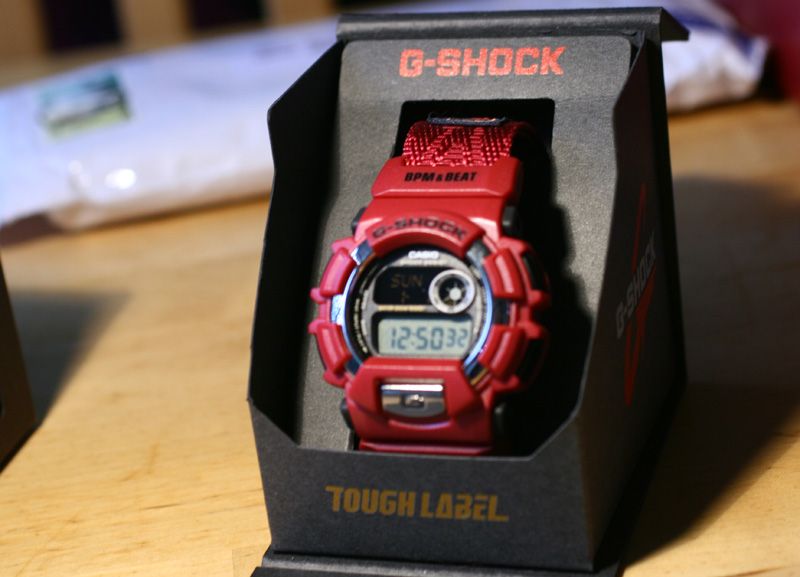
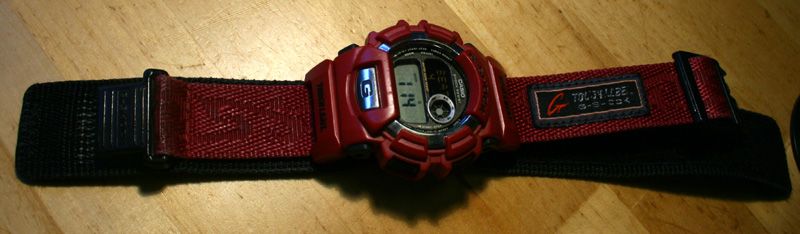
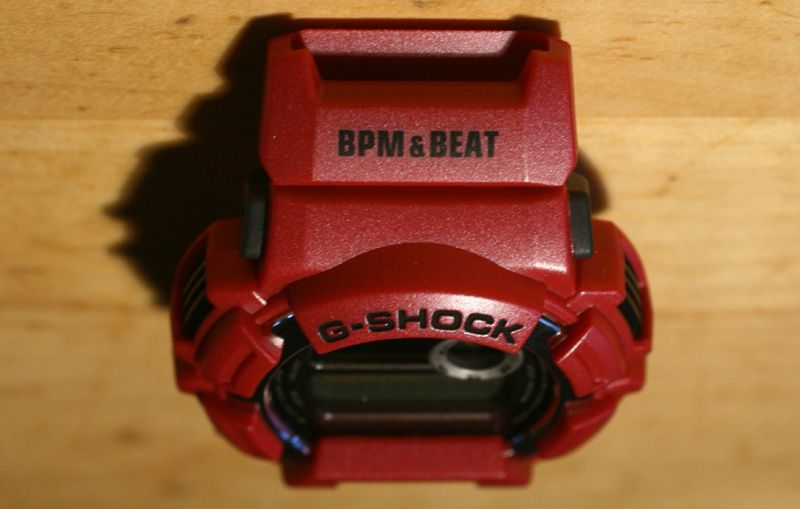
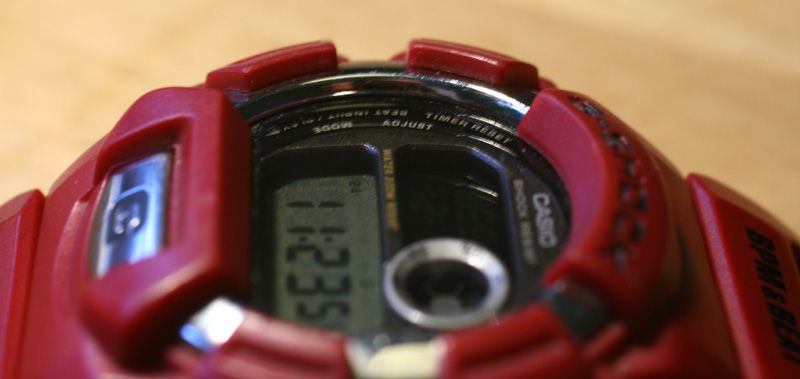 The DW-9501HH, as the number of this model is, came in three varieties. Of course this cherry red model, a golden brown model and a light blue model. The first two colours can be considered pretty unique.
 Back to the BPM -function. The 1 BPM accuracy is good enough for a 4 beat sample. Maybe an 8 beat sample needs some shaving, but it is even easier and even more creative to cut in 2 or more parts.
 In design the BPM input on the 1540 module is very easy, although I would have rather seen it only work in the BPM modes. The beats are entered with the 5th "G" button, the button that is usually used for the EL backlight.
 So a week ago, a friend asked me on stage what time it was (I assist a VJ as camera man), minutes before the show started. I only saw a short flash. I realized it was the wrong button. When I found the right button (top right, as on most 4 button models), the screen showed 163 BPM.
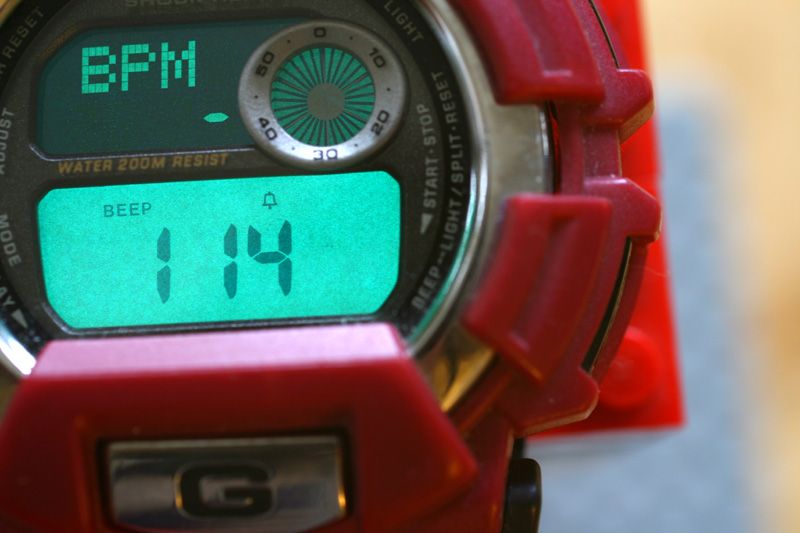
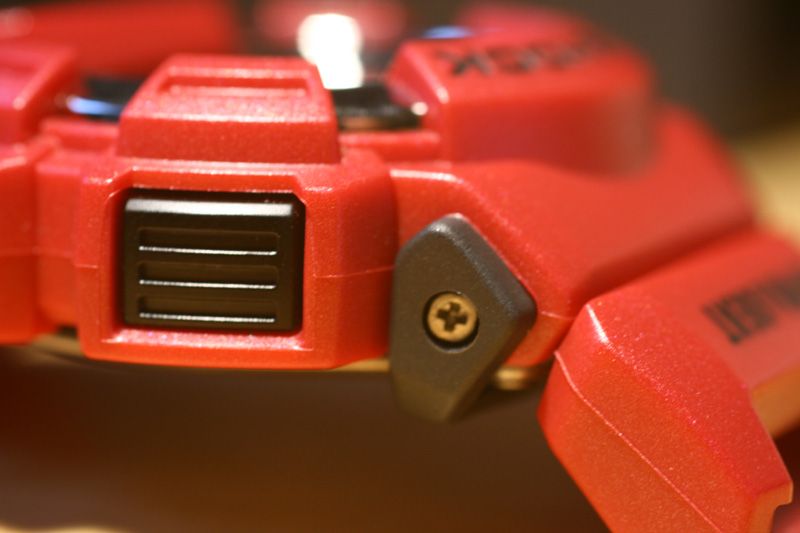 The fifth button is actually general used as start and stop button on this module. In time mode the "G" button immediately starts with BPM-counting. If 5 beats are counted, an average is shown.
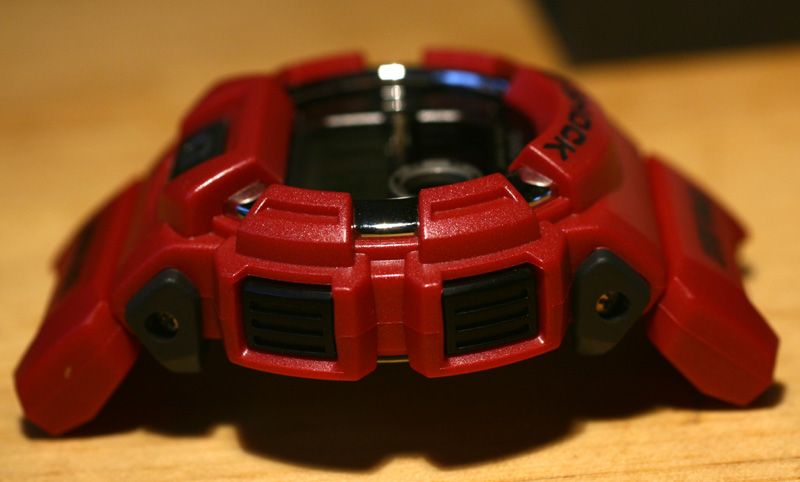 If you press the "MODE" button one time from the BPM measuring mode, you get into the "BEAT" mode. You can use it as a sort of metronome. It shows the last measured BPM, but the metronome is also programmable from 60 to 200 BPM, which are also the tempo limits of the BPM-counter.
 Starting and stopping is done with the "G" button. You can change between beeps and light flashes by pressing the lower right button.
 I made a small video to show this BPM-counter function in action.
I noticed the flashes were too short to be filmed by my camera. Probably the sampling rate is to low. now only random flashes are shown.
The DW-9501 has an unique pre-programmed programmable COUNTDOWN TIMER function. The timer is pre-programmed with useful times 60, 74, 90,120 and 180 minutes. These times correspond with tape lengths of audio and video tapes (released in 1999, I bet a lot of kids nowadays do not know what an audio cassette is).
 The pre-programmed time of 74 minutes is for the maximal recording time of a CD (there were probably no 80 minutes CD-R's yet around that time).
By holding down the ADJUST button for three seconds, you can change the programmed time between 1 and 180 minutes. Do I complain a lot about the 60 minute timers, I can live with the 3 hour maximum. I usually set my timers between 1 and 3 hours on the lab.
 Further this watch has a 24 hour stopwatch on board and a simple alarm function (with hourly chime).
 The double Velcro watchband is very comfortable. The lower part is black unstretchable fabric with a Velcro layer. The upper part is cherry red and also made of the same fabric. A kind of tribal pattern is stamped in it.